
Review · NEW YORK CITY TOURS
NYC: East Village & Midtown Irish History Walking Tour
Irish New York is on foot. This 2-hour East Village and Midtown walk turns Irish-American culture into street level stories, from old institutions to the politics and tough-guy pride that shaped Manhattan. I like the focus on Irish history in everyday places, and I also enjoy how the guide keeps it fun and readable rather than turning it into a lecture.
I especially appreciate the way the route mixes well known landmarks with lesser-known stops. When guides like Vince and Earl are on the mic, you can feel the confidence in the telling, and you get practical tips for seeing more of the city after the tour ends. You do need to be ready for walking, though, because the experience is built for people who can move comfortably for the full two hours.
One more thing to consider: it is not designed for wheelchair users or people with mobility impairments. If that applies to you, you may want to look for a different format, or plan a self-guided version with stops that match your pace.
Key things to know before you go
- Start at St. Patrick’s Old Cathedral so the Irish thread is clear from the first minute
- East Village to Midtown route makes the history feel tied to real neighborhoods, not museum walls
- Guides like Vince and Earl bring stories with humor and steady pacing
- You hear about power and organizing, including political intrigue and a storied regiment legacy
- McSorley’s and classic Manhattan squares help you connect community life to the wider city
- Comfort shoes matter, since you will be on your feet the whole time
Starting at St. Patrick’s Old Cathedral: the tone is set fast
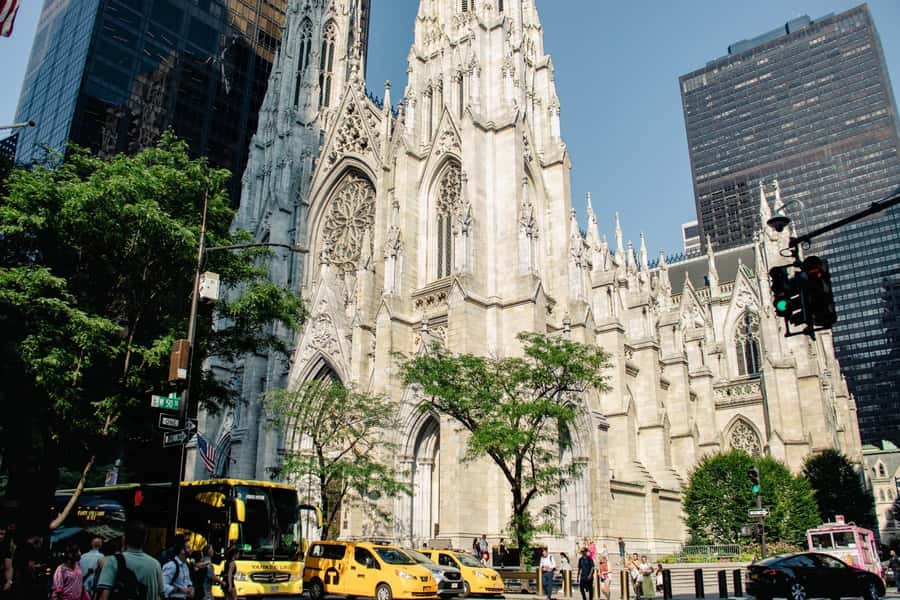
The tour kicks off at the Basilica of St. Patrick’s Old Cathedral, which is a smart choice. You do not start with a distant lecture point. You start where the Irish story is physically present, so you immediately understand why people built institutions, not just myths.
From here, I like how the guide uses landmarks to frame bigger ideas. Expect the talk to connect Irish immigration and community life to Manhattan growth, then bring it back down to what you can see around you. Even if you know NYC basics already, this start helps you notice details you would otherwise walk past.
You can also read our reviews of more walking tours in New York City



Gramercy Park and the East Village stretch: where the story feels close
After the cathedral, the walk moves through Gramercy Park and then into the East Village vibe. This is where the tour does a good job of showing you that Irish-American history is not only about famous buildings. It is also about block by block community structure: the places where people gathered, organized, argued, celebrated, and kept going.
Gramercy Park works as a transition point. It is a reminder that Manhattan has always mixed old neighborhoods with changing streets, and that immigrant communities did not exist in a vacuum. The guide keeps the focus on what those changes meant for Irish Americans, so you are not just looking at scenery, you are reading the city’s social map.
One practical note: the East Village leg can feel busy and tight. Keep your eyes up for directions and curb level details, and try not to get stuck behind slower walkers. If you have even mildly sensitive feet, you will thank yourself for bringing good shoes.
McSorley’s: why a pub stop turns into community history
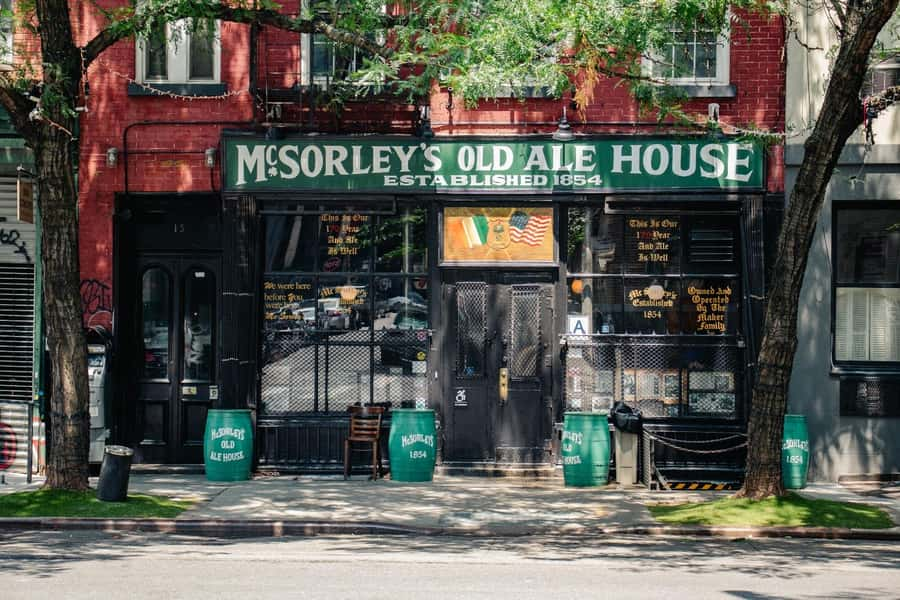
The tour includes a visit to McSorley’s, which is one of those places that instantly feels like a living archive. Pub culture is often mentioned in NYC Irish history, but a stop like this helps make it concrete. You get why a bar mattered for working neighborhoods, how it served as a meeting point, and how everyday social life connected to identity and resilience.
This is also where the guides tend to shine. With someone like Vince, I can see why people call his breadth of knowledge astounding. The story rhythm matters here. You get the facts, but you also get little moments that make you look at the role of a neighborhood institution more seriously, without losing the humor.
Drawback to consider: this is still a walking tour, so you should not expect a long sit-down experience. If you are hoping for a fully hosted food-and-drink moment, that is not included. You are there for history and context.
Union Square and 5th Avenue: Irish ambition meets big-city power
Next you move toward Union Square, then along 5th Avenue. This is where the tour broadens from community life into the bigger machine of Manhattan. Irish-American history in NYC is not only about survival and neighborhoods. It is also about politics, visibility, and influence in the mainstream city.
Union Square is a useful pivot because it is the kind of place where public life happens. The guide uses that setting to talk about what political organizations could do for Irish communities, including the intrigue connected to Tammany Hall. You do not need a political science degree to follow it. The tour keeps it story driven, with clear cause and effect: community networks fed political power, and political power shaped the city’s future.
Then 5th Avenue adds a different contrast. You can see the difference between where money and prestige sit and where identity started. This kind of contrast is one of the reasons this tour feels more satisfying than a list of random stops. You get a sense of how the Irish story moved from the margins toward the center of Manhattan life.
Hell’s Kitchen and the Theatre District to Duffy Square: history in the modern glare
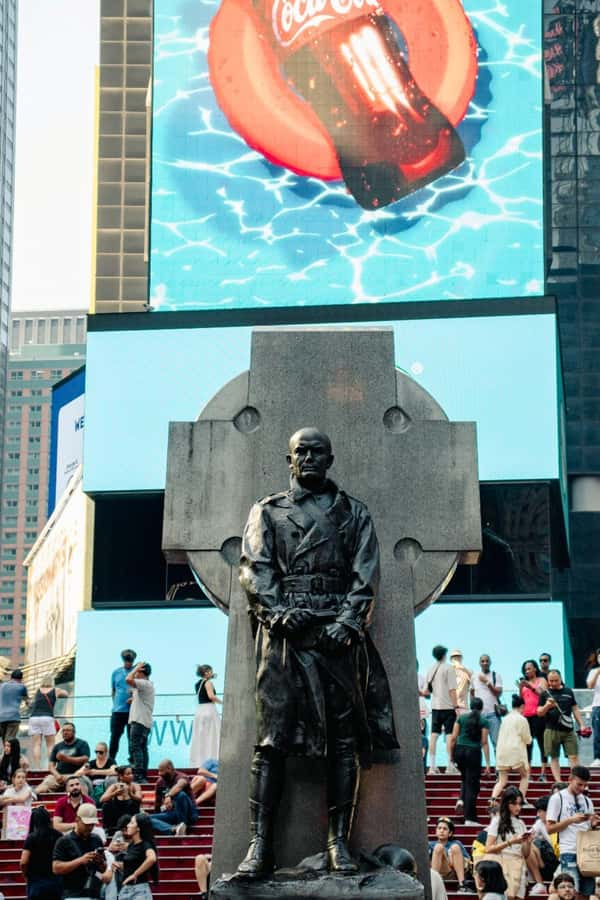
From there, the route hits Hell’s Kitchen and continues through the Theatre District, finishing at Duffy Square. This segment is great for anyone who thinks NYC history only lives in plaques. Here, the guide shows you how Irish stories keep showing up in the city’s later chapters, even when the area looks completely modern.
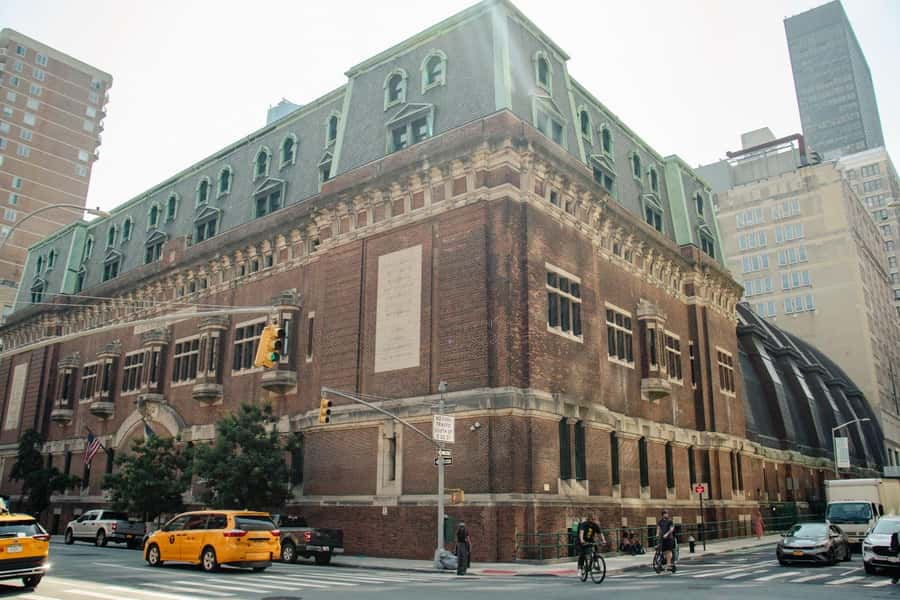
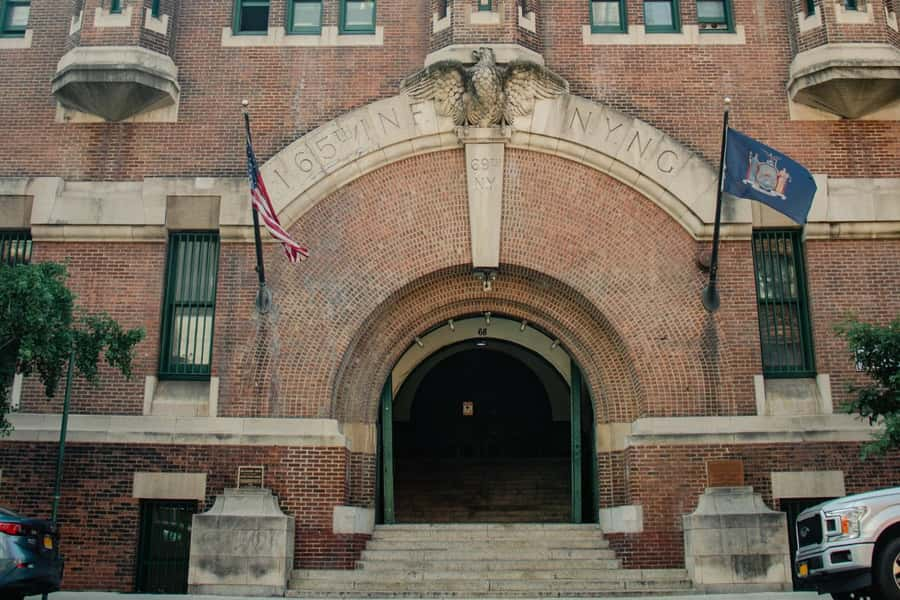
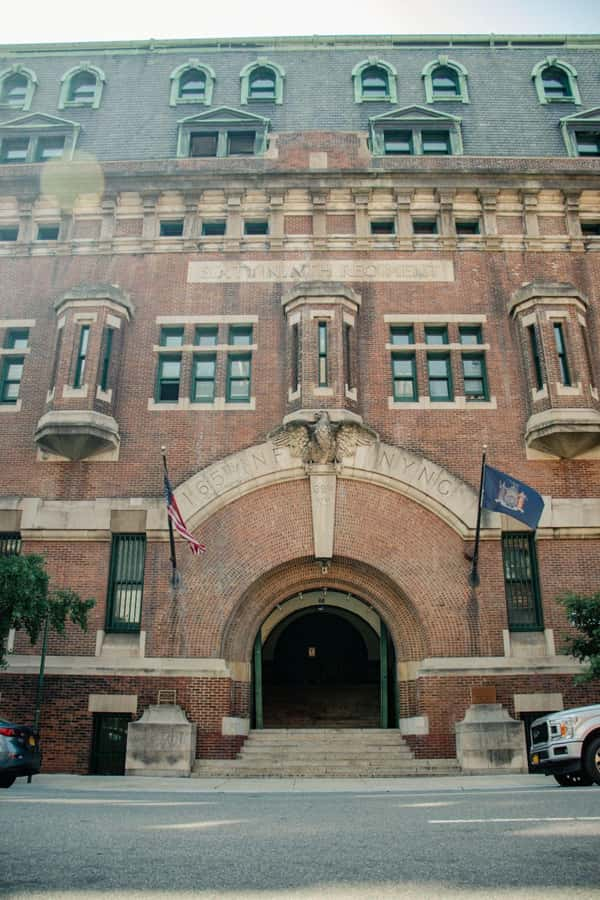
Hell’s Kitchen in particular is a reminder that neighborhoods change fast. The tour uses that reality to talk about legacy, including the heroic legacy of The Fighting 69th Regiment Armory. You get the feeling that identity did not vanish. It transformed, traveled, and kept reappearing in new forms.
The Theatre District and Duffy Square bring you back to crowds, lights, and public performance. That is a clever fit with Irish-American culture because public life, community pride, and storytelling belong together. If you have ever felt like NYC is always acting, this section helps you see why.
Practical consideration: by the end, the area can be more crowded. The tour finishes at Duffy Square, so you will be near transit and foot traffic. If you want calm, grab a quick break after the tour and choose a less busy side street to decompress.
You can also read our reviews of more historical tours in New York City






Is $59 worth it for a 2-hour Irish history walk?
At $59 per person for a 2-hour guided walk, you are paying for three things: a structured route, a live guide, and access to context you would not easily find on your own in the same amount of time.
Here is how I judge the value.
First, the price makes sense if you care about story clarity. This is not only about seeing places. You are guided through Irish-American themes like political organizing, community institutions, and remembered legacies tied to the Fighting 69th. Those connections are exactly what you lose when you freewheel on your own.
Second, the route is intentionally designed to cover the East Village and Midtown within a short window. You get neighborhood contrast without needing a half-day schedule. Two hours is also long enough for the guide’s personality to matter, and the reviews highlight that. People specifically praised guides like Vince and Earl for time taken to show cool spots and the passion they bring.
Third, the tour avoids extras you might pay for elsewhere. Entrance fees are not included, and food and drinks are not part of the package. That can be good value if you prefer to spend money on meals separately. On the other hand, it also means you should plan on self-funding any snack you want.
My bottom line: if you want Irish history explained in human terms while you walk a logical path, $59 is a fair deal for the time you save and the stories you get.
Who this tour suits best, and who should pass
This tour fits best if you:
- enjoy walking city neighborhoods in short chunks
- want Irish-American history told through real locations, not only dates
- like guides who can mix humor with clear points
- plan to keep exploring NYC afterward and want a few extra pointers
It is not a great match if you:
- need a wheelchair-friendly route, since it is not suitable for mobility impairments
- dislike walking for a full two hours
- expect food or drinks as part of the experience, since they are not included
Also, English is the only listed language, so if you need another language, you will want to check before you book.
What to bring so the walk feels easy
The tour is simple, but it is physical. Bring:
- comfortable walking shoes
- weather-appropriate clothing
- an OMNY card if you will be using subway or bus to reach the start or during your pre and post tour travel
One small mindset shift helps too. This is not a sit-and-snap-your-photos tour. You will learn best if you pause when the guide asks you to look, then keep moving when the group shifts pace.
Booking advice: make the most of your 2 hours
If you have flexibility, this is the type of tour you can book with confidence. It includes free cancellation up to 24 hours in advance and offers a reserve now, pay later option, so you can adjust if your NYC schedule shifts.
When you book, think about what kind of traveler you are. If you like history but hate dead time, this tour is a strong fit. If you only want famous sights, it might feel too focused on lesser-known spots and stories that do not show up on every standard itinerary.
Should you book this Irish history walking tour?
I would book it if you want a smart, story-forward walk that links Irish-American culture to the actual layout of Manhattan. Starting at St. Patrick’s Old Cathedral and moving through places like McSorley’s, Union Square, and the final stop at Duffy Square gives you a clear arc from community roots to public life.
Skip it if you cannot handle two hours on your feet, or if you want food included or a fully seated experience. Also, if you already know NYC Irish history deeply and want more academic detail, you might find the format lighter than a book-length approach.
For most people who want an energetic, human walk with guides like Vince or Earl, this hits a good balance of entertainment and practical context.
FAQ
Where does the tour start?
The tour starts at the Basilica of St. Patrick’s Old Cathedral.
How long is the walking tour?
The duration is 2 hours.
How much does the tour cost?
The price is $59 per person.
What is included in the price?
Included is a guided walking tour of the East Village and Midtown, plus stories and anecdotes about Irish history in NYC and visits to lesser-known historical sites.
Is food or drinks included?
No. Food and drinks are not included.
Do I need an OMNY card?
An OMNY card is not listed as included, so you should bring one for subway use if you are using transit.
Is the tour wheelchair accessible?
No. It is not suitable for people with mobility impairments or wheelchair users.
Is there a discount for veterans or first responders?
Yes. Veterans and first responders receive a 10% discount.
More Walking Tours in New York City



More Tours in New York City






More Tour Reviews in New York City



Not for you? Here's more nearby things to do in New York City we have reviewed












More New York City Tours to consider.
 ★ 4.7SUMMIT One Vanderbilt TicketsTickets from $4751,195 traveller reviews
 ★ 4.7Empire State Building Tickets – Observatory & MuseumTickets from $4725,757 traveller reviews
 ★ 4.6Statue of Liberty & Ellis Island with FerryTickets from $1918,683 traveller reviews
 ★ 4.5American Museum of Natural History TicketTickets from $3715,447 traveller reviews
 ★ 5.0New York in One Day Guided Sightseeing TourTickets from $9913,166 traveller reviews
 ★ 4.6Museum of Modern Art (MoMA) Entry TicketTickets from $3012,540 traveller reviews
 ★ 4.7One World Observatory Skip-the-Line TicketTickets from $3012,329 traveller reviews
 ★ 4.7New York CityPASS®: Save up to 41% at 5 Top AttractionsTickets from $15410,548 traveller reviews
More useful New York routes