
Review · CENTRAL PARK TOURS
NYC Private Central Park Horse Carriage Ride with Guide
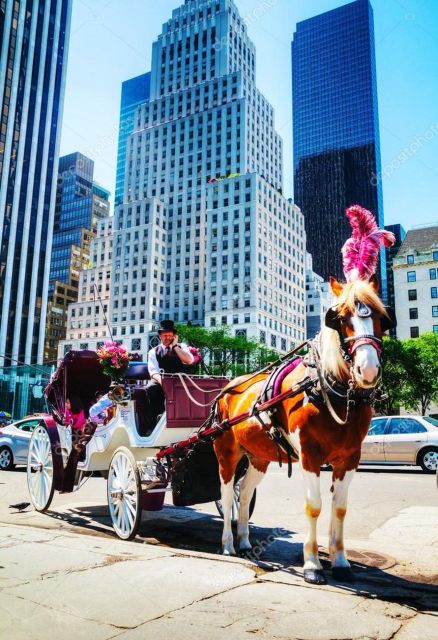
A slow ride through Central Park feels like a reset. This private carriage tour takes you past major sights at a comfortable pace, with a licensed guide explaining what you are seeing along winding paths. I love how it feels calmer than walking the same highlights, and I especially like the focus on key photo stops like Bethesda Terrace and Bow Bridge. One possible drawback is timing, the ride can run as short as about 25 minutes, so you may feel it is a quick circuit rather than an all-day roam.
The guide quality is the swing factor. Many riders highlight guides such as Erdem, describing friendly service and relaxed pacing, and others note that the level of spoken English can vary. If you are hoping for a long, in-depth tour, or you are very sensitive to short timing, plan your expectations around that.
Key things I’d zero in on before booking
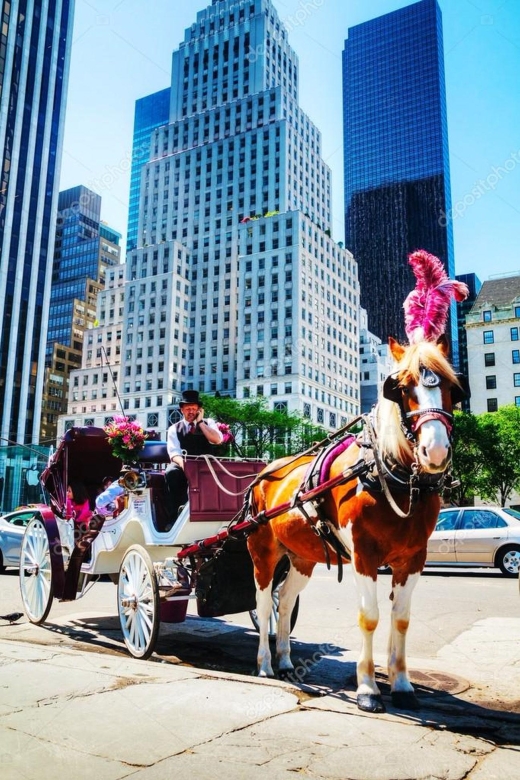
- Bethesda Terrace photo stop with views of the fountain and the grand staircases around the terrace
- Bow Bridge moment on the cast iron bridge crossing the lake, a classic Central Park postcard view
- Driver-taken photos at stops, plus time built in to hop off for pictures when possible
- A licensed guide authorized by New York City authorities, with the ride explained in English
- Real personalization, the tour is described as customizable and can be adapted for special needs
Why a Central Park horse carriage ride feels different than walking it
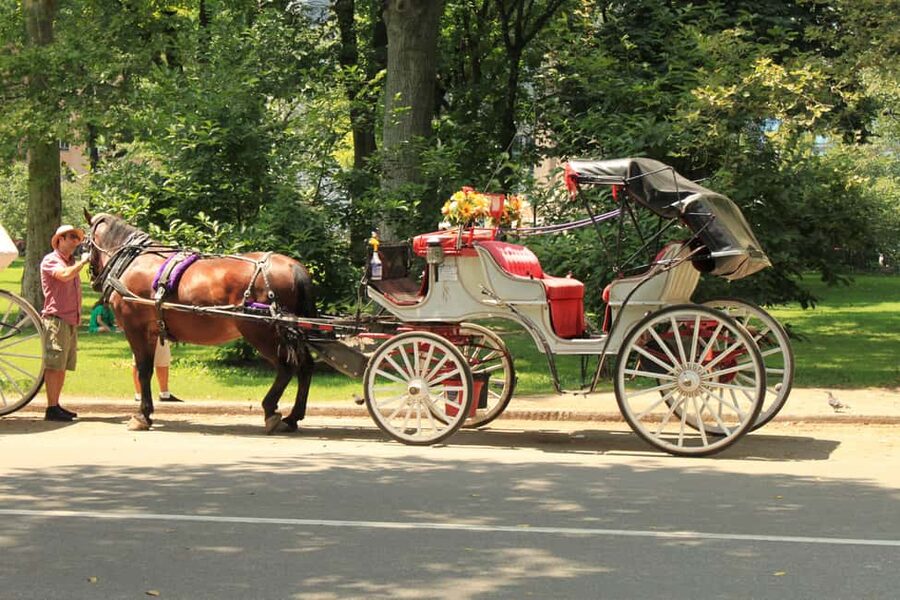
Central Park is big, and on foot it is easy to turn sightseeing into a sprint. A horse-drawn carriage changes the rhythm fast. The ride makes the park feel like one connected stroll instead of a series of stops you have to hustle between.
I also like the way this kind of outing gives you structure without making you feel boxed in. You still get the major landmarks, but you are not doing the whole park like a checklist. Instead, you glide through paths where you can actually enjoy the greenery and the quieter corners that sit right next to busy NYC streets.
And because this is a private or small-group option, you are not stuck blending into a large crowd. You can settle in, get your bearings, and enjoy the ride while the guide points out what matters.
You can also read our reviews of more guided tours in New York City



Meeting at 180 Central Park S, and what the ride feels like once you’re onboard
You meet at the corner of 59th Street and 7th Avenue, at 180 Central Park S. From there, you hop aboard and start moving through the park with a live English guide.
The whole tone is meant to be easy. You get a blanket included, which is handy when the air feels cool even on a good day. You also get photos taken by the driver at key points, so you are not spending every stop wrestling with your camera or phone.
A small but important practical note: the experience is timed, and the duration can range from about 25 to 55 minutes depending on the selected start time and how the route runs. If you are doing this alongside other Central Park plans, keep that variable in mind so you do not end up rushing later.
Bethesda Terrace: the grand staircases and fountain view stop
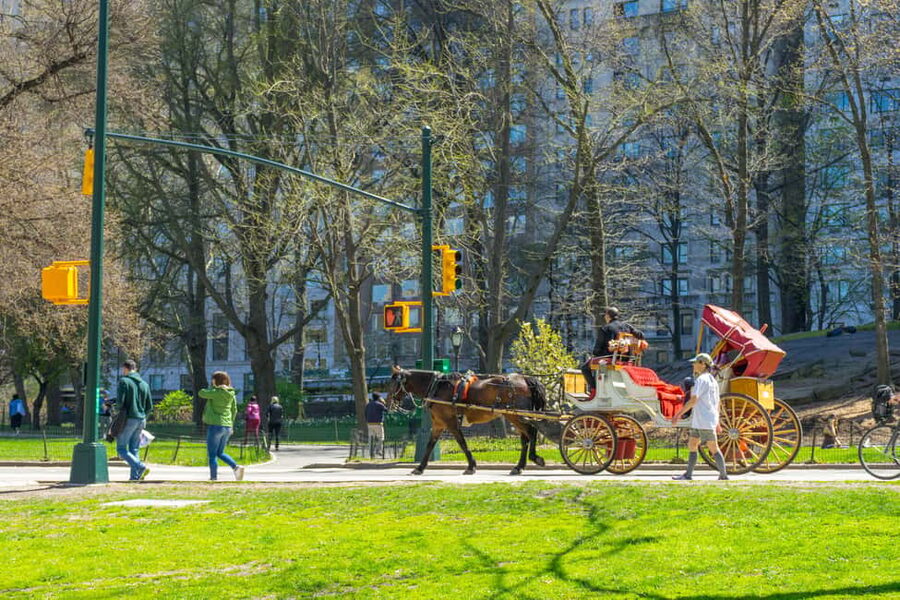
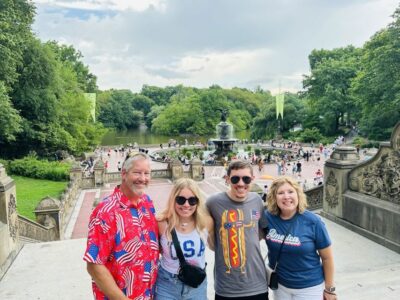
Bethesda Terrace is one of the most “stop, look, and breathe” parts of Central Park. On this carriage route, you get a dedicated stop here with a photo moment plus a guided overview.
What makes Bethesda Terrace special in real life is the scale and framing. The terrace is surrounded by two grand staircases, and you get a classic view toward the fountain. Even if you have seen photos before, the perspective reads differently from a carriage, because you are positioned to take it in from the right angle without climbing stairs or fighting crowds.
This is also where the guided portion matters most. When someone explains what you are looking at, the place stops being just pretty scenery. It becomes a landmark with purpose in the park’s design. You can use the photo time strategically too. If you want a crisp shot, stand where the terrace lines guide your camera, then let the carriage settle for a few seconds so you are not snapping while moving.
Balto Statue and the Loeb Boathouse: classic Central Park icons from the carriage
After Bethesda Terrace, the route continues past Balto Statue and then toward The Loeb Boathouse area. You typically pass these points rather than treating them like long photo excursions, but they still add texture to the ride.
Why I like this approach: it gives you a mix of “big landmark with time” and “icon you should recognize.” Balto is one of those instantly recognizable statues that many people have heard about even if they are not sure where it is. Spotting it from the carriage helps you connect the story of the park to specific locations.
Loeb Boathouse adds a different kind of Central Park character. It is tied to the lake area and the park’s water views, and it tends to make the ride feel more rounded. Even as pass-by stops, they help you understand that Central Park is not one uniform scene. It changes with each bend.
West Side views and Cherry Hill: when the ride turns scenic
As the carriage moves along, you also pass along the West Side, NYC, which means you get scenic views en route. This matters because it gives you a sense of where the park sits in the city. Central Park is not isolated. You are inside a green pocket, but the skyline and city edges are part of the overall feeling.
Cherry Hill is another photo stop, and it is a good place to slow down. The timing here makes sense. You are already oriented to the park, and now you get a chance to take pictures without rushing to the next major landmark.
If you care about photos that feel like Central Park, not just Central Park-shaped crowds, these mid-route stops are where you can win. You are more likely to catch a calmer look, especially if you time it when the park is less crowded.
You can also read our reviews of more private tours in New York City




Strawberry Fields and Columbus Circle: connecting the park to the city’s beat
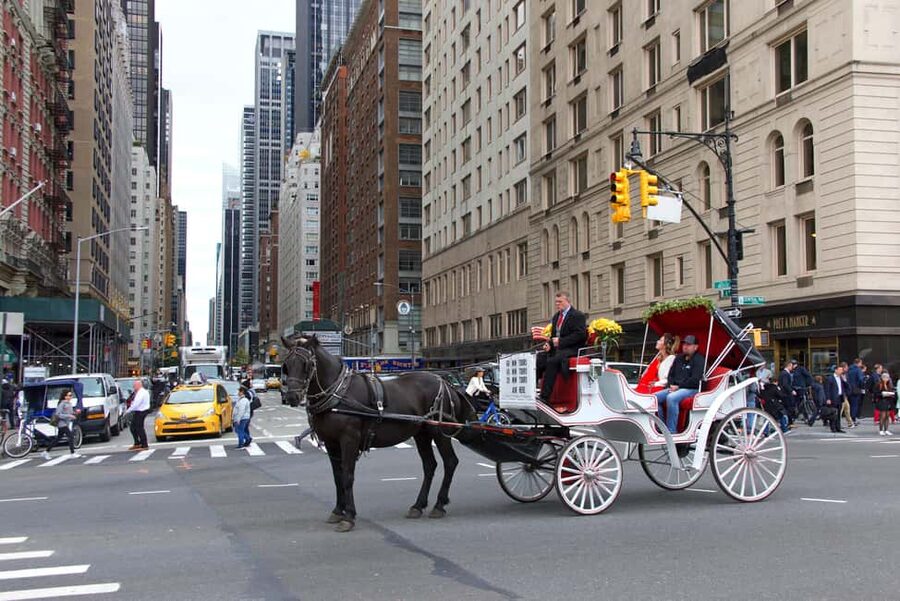
Strawberry Fields, Central Park, is another key stop on the route, with you passing by it. Columbus Circle also shows up later as a major waypoint before you return.
These points matter because they bring you back to the idea that Central Park is cultural, not only scenic. Strawberry Fields is emotionally charged for many people, even if they are visiting for the first time. Seeing it from the carriage gives you a quick connection, and if you want more, you can always follow up after your ride.
Columbus Circle is more of a boundary marker. It is where the park’s internal world meets the city’s louder energy. From the carriage route, it helps you see how Central Park transitions from quiet paths to the urban edge. That contrast is part of why Central Park is so effective as a break from NYC.
Bow Bridge: the cast iron postcard moment over the lake
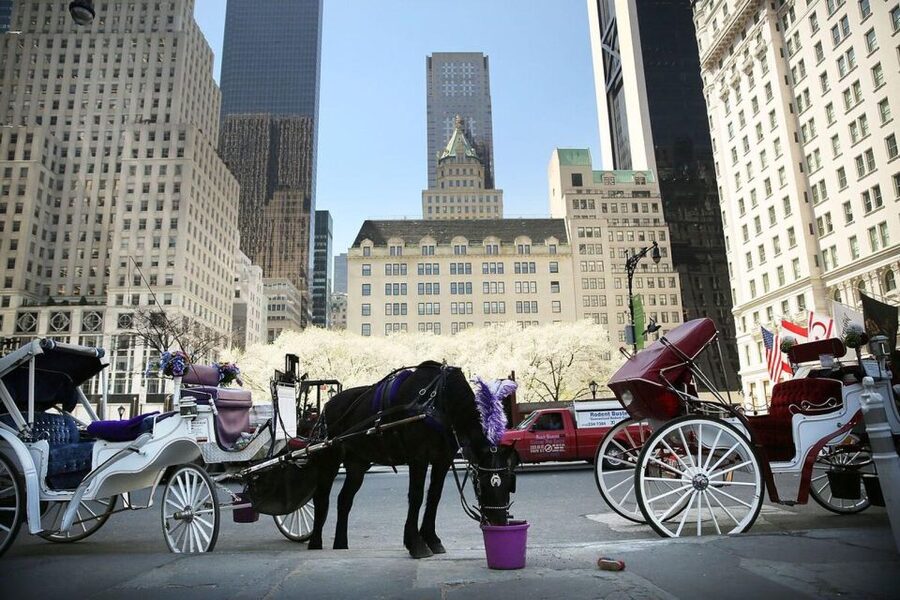
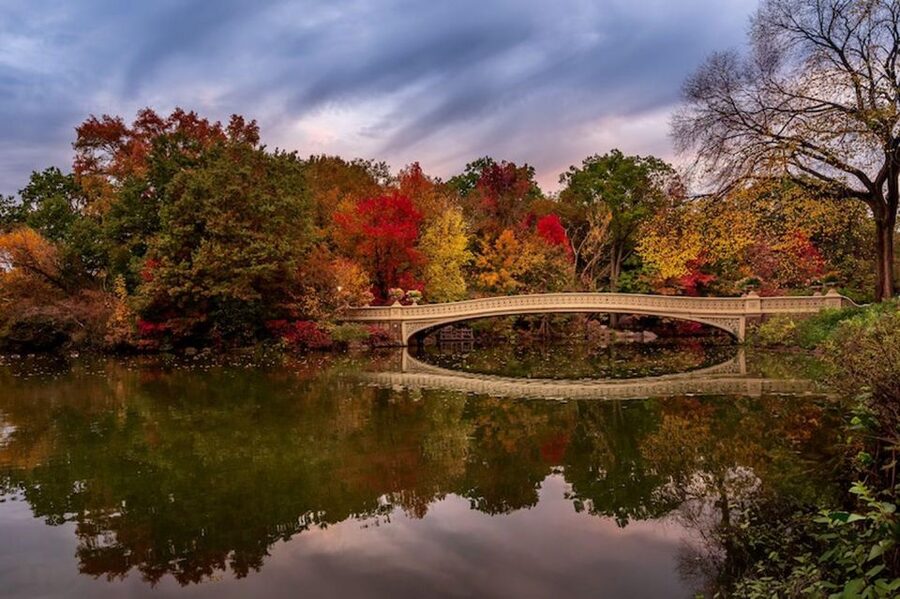
One of the most iconic Central Park sights on this kind of route is Bow Bridge. It is described as a cast iron bridge crossing the lake, and it is exactly the sort of structure you will want to see in person.
Bow Bridge works on multiple levels. It is visually striking, but it also acts like a navigation point in the park. When you are on a carriage, you can watch how the park opens up toward the water, and the bridge feels like the highlight that ties the whole route together.
This is also a good moment to be intentional with your photos. If you have ever tried to photograph Bow Bridge from the ground while moving around, you know it can get crowded or messy. From the carriage, you tend to get a more stable, framed view, and the driver’s photo stop timing helps.
The guide experience, Erdem and Avci, and why “comfort” is part of the value
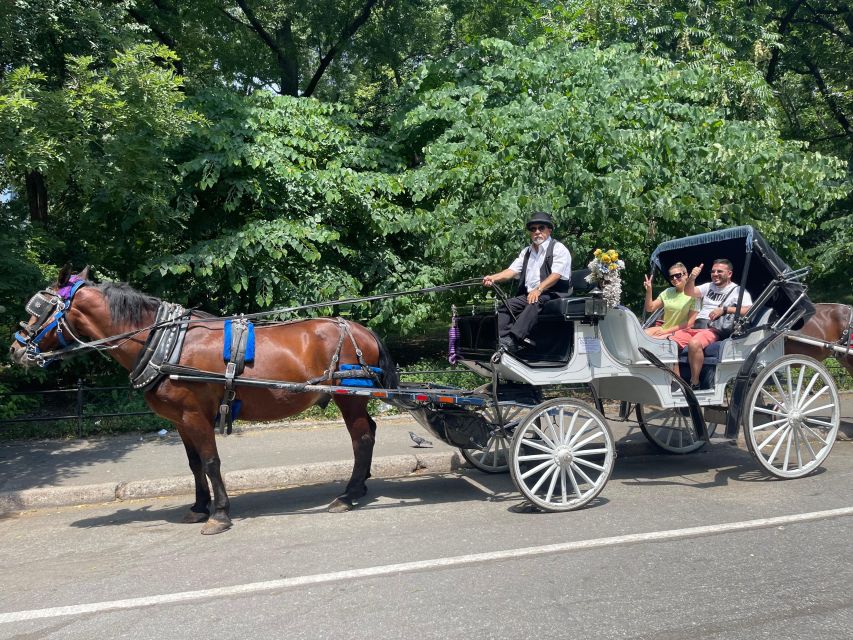
The guide is often the difference between just seeing landmarks and actually enjoying the ride. The ride is led by a live English guide, and the tour also includes a licensed professional guide authorized by New York City authorities.
What I consistently like from the experience reports: friendly, welcoming service and real interest in making the ride comfortable. Erdem comes up repeatedly, with descriptions of being warm, helpful, and making people relax. Another guide name that appears is Avci, including an example where special accommodations were discussed for an engagement proposal, including a discreet drop-off adjustment.
That kind of flexibility matters more than it sounds. A private carriage ride is not only about where you go. It is about how you get there, how you fit the moment to your plans, and whether the guide can adjust without turning the ride into chaos.
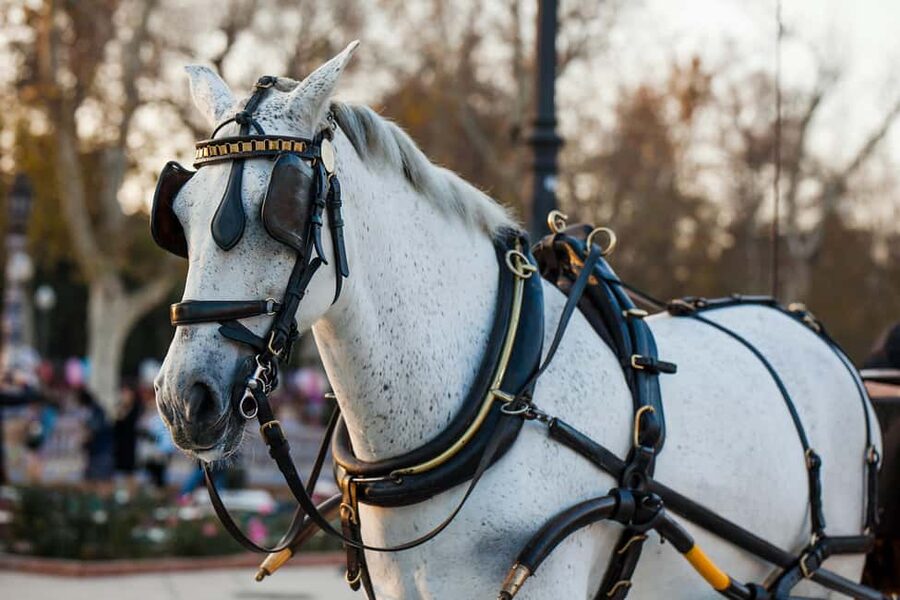
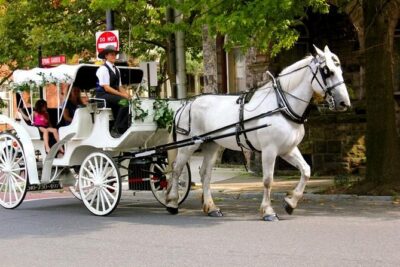
You may also interact with the horses. The tour includes treats for horses, and riders mention the fun of feeding the horse. On top of that, you may hear horse names mentioned by previous riders, like Midnight and Cowboy, and they are described as very well behaved. The key practical takeaway for you: the experience is set up to be calm and gentle, not stressful.
Price and value: what $13 per group up to 4 really means
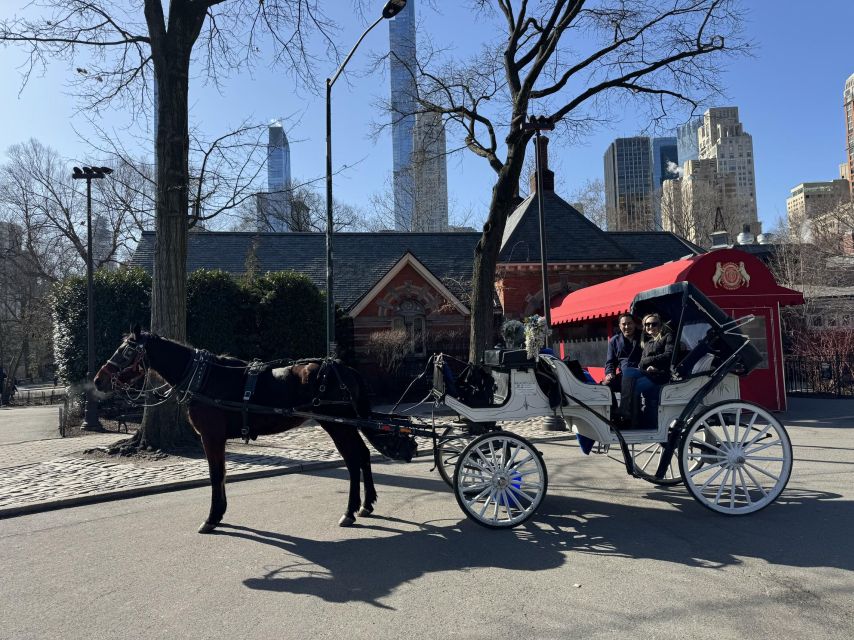
The price is listed at $13 per group up to 4. That is what makes this stand out. On many NYC activities, the cost jumps fast per person, especially when you want something private or guided. Here, the pricing is framed around the group, which can make it one of the better-value ways to see major Central Park landmarks without spending money on multiple separate tickets.
That said, look at value through two lenses:
First lens, the ride is short to medium length. With a duration range of about 25 to 55 minutes, you are buying a focused slice of Central Park. If your plan is to get a quick highlight reel, that is a good match. If you want hours of wandering and lots of stops, the carriage route might feel brief.
Second lens, included extras reduce your hassle. You get a blanket, driver-taken photos, and horse treats, plus taxes and fees are included. So you are not piecing together add-ons, and you also have fewer moments where you need to stop what you are doing to manage your gear.
Itinerary walkthrough, from photo stops to pass-by moments
Here is what the route structure typically feels like, in plain terms.
- Starting point at 180 Central Park S: you begin right at the park edge area near 59th Street and 7th Avenue, so you are not doing a long trek first.
- Bethesda Terrace: this is the anchor stop with time for photos and a guided look at the fountain and the grand staircases. It is the “you came for this” moment.
- Balto Statue and The Loeb Boathouse: mostly pass-by, but still meaningful for orientation. You get familiar landmarks without burning time.
- West Side views on the way: these add contrast. They make you feel like you are in NYC even while you are riding through a park oasis.
- Cherry Hill: a photo stop that works well for capturing a more scenic side of the park.
- Strawberry Fields: another pass-by highlight. You get the location recognition, and you can follow up later if you want a longer look.
- Columbus Circle: a major city-meets-park waypoint that helps you understand the park’s layout and where you are headed next.
- Return to 180 Central Park S: the ride ends back where you started, so it is easy to continue your day.
The most practical way to judge this route is to decide what kind of Central Park visit you want. If you want the top sights with minimal effort and minimal logistics, the structure fits well. If you want a long, custom experience with lots of wandering, you might prefer a slower-paced plan.
Who this Central Park carriage ride suits best
This is a great fit if you want a low-effort way to see major Central Park icons and you like the idea of being guided. It also makes sense for families, including small children, since some rides have been described as accommodating for a 3-year-old in particular.
It can also work well for couples or small groups who want a calmer experience and better photo results. Because the driver takes photos at stopping points and the guide handles the pacing, you can focus on enjoying the moment.
If you are traveling solo and want something relaxing, this is still a strong option. You get the companionship of a guide and the chance to see the park in a way that feels distinctly different from walking.
Should you book the NYC private Central Park horse carriage ride with guide?
Yes, if your priority is a comfortable, guided look at Central Park’s biggest highlights with a simple plan and included extras like blankets and driver-taken photos. The pricing structure, at $13 per group up to 4, can be a strong value if you are traveling with at least one other person.
I would book with a small expectation adjustment if you are hoping for a long roam. The ride duration can run as short as about 25 minutes, and the pass-by parts of the route mean you are doing a curated highlights tour rather than a deep, slow exploration.
If you care about the guide being friendly and flexible, you have good signals from past experiences tied to guides like Erdem and Avci. And if you want the classic Central Park moments, Bethesda Terrace and Bow Bridge are the ones you will feel happy you did.
More Private Tours in New York City
More Guided Tours in New York City



More Tour Reviews in New York City




Not for you? Here's more nearby things to do in New York City we have reviewed






More Central Park Tours to consider.
 ★ 5.0Central Park Pedicab Guided ToursTickets from $387,108 traveller reviews
 ★ 5.0Private Central Park Pedicab TourTickets from $386,981 traveller reviews
 ★ 4.2Central Park Bike RentalsTickets from $92,528 traveller reviews
 ★ 5.0Official NYC Horse Carriage Rides in Central Park since 1979 ™Tickets from $992,365 traveller reviews
 ★ 4.1Central Park Bike RentalTickets from $81,651 traveller reviews
 ★ 4.9Private Central Park Pedicab TourTickets from $401,637 traveller reviews
 ★ 4.7Central Park Bike RentalTickets from $91,509 traveller reviews
 ★ 4.0Carriage Ride in Central Park (VIP – PRIVATE) Since 1964™Tickets from $141,074 traveller reviews
More useful New York routes