
Review · NEW YORK CITY TOURS
Brooklyn Heights: New York City’s First Suburb
Brooklyn Heights turns a casual stroll into a time-travel problem. This tour packs American Revolution stories, scenic views, and big-identity Brooklyn moments into one walk. You cover key corners tied to early civic life, the rise of industry, and why this area matters even if you just like great neighborhoods.
I especially like two things: first, the way the route gives you clear “why this spot matters” context, not just dates. Second, the guide energy tends to be friendly and genuinely engaging, with one guest specifically thanking Andy for making it a great afternoon.
One thing to plan for, though: the experience depends on good weather. If it’s poor out, the tour gets canceled and you’ll be offered a different date or a full refund.
Key highlights you will notice right away
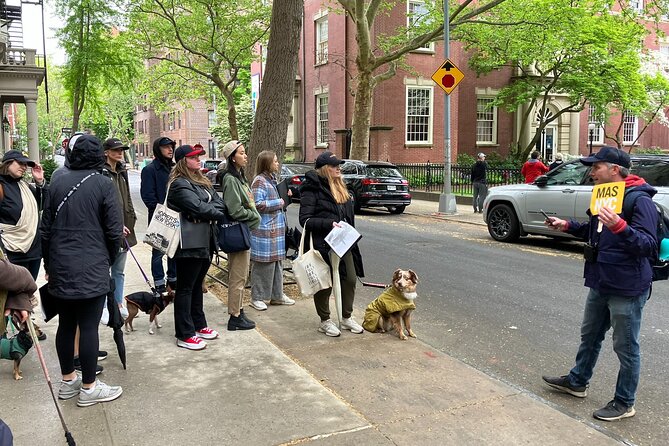
- Small group format (max 10) keeps the pace human and the Q&A actually possible
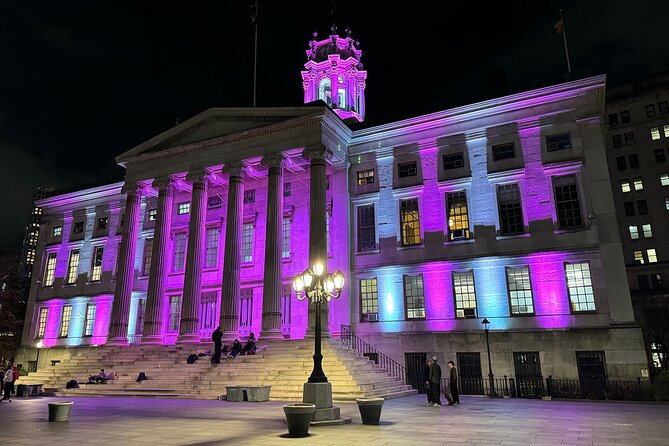
- Brooklyn’s first City Hall (1834 to 1848) sets the political tone for the whole walk
- North versus South Heights connection to baseball via the former Brooklyn Dodgers ticket office area
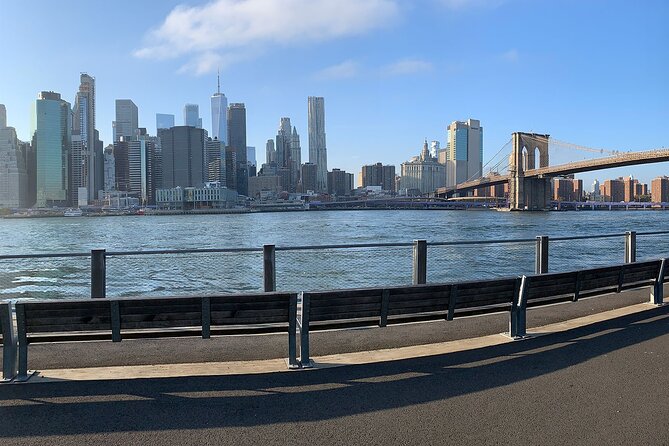
- Lower Manhattan viewpoints from NYC’s first scenic district angle
- Underground Railroad church stop tied to escape routes, often described as a Grand Central moment
- Mobile ticket and a straightforward start at Borough Hall Station make it easy to show up
Brooklyn Heights feels like New York’s first suburb on foot
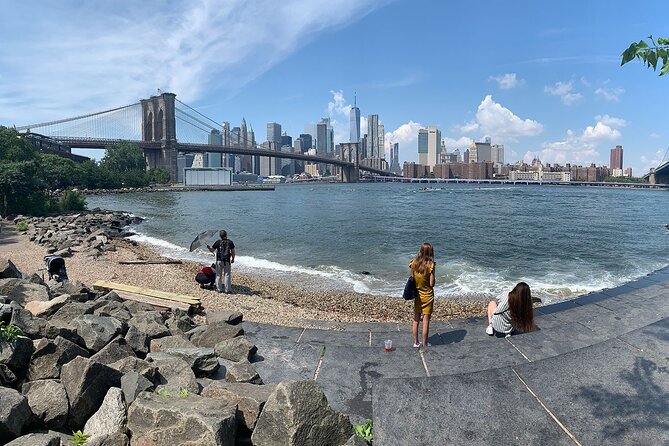
Brooklyn Heights is one of those places where the neighborhood layout does half the storytelling. You walk along streets and edges that feel calmer than the frenzy nearby, yet you’re only a short hop from the skyline. That contrast is a big part of why this tour works. You get the drama of the American Revolution and later eras, then you get the everyday Brooklyn feel you can picture living in.
This is also a smart half-afternoon length. You get about 3 to 4 hours to see the major themes without turning it into an all-day grind. The group size is kept small, up to 10 travelers, which matters more than it sounds. In a small group, you actually hear the guide and your attention does not get lost in crowd noise.
If you want “look, listen, understand” instead of “look and guess,” this style fits. You’ll spend less time wondering what you are seeing and more time knowing what the spot meant.
You can also read our reviews of more city tours in Brooklyn



Meeting at Borough Hall Station, then getting your bearings fast
You start at Borough Hall Station, Court St, Brooklyn, NY 11201, at 1:00 pm. The end point is 2 Pierrepont Pl, Brooklyn, NY 11201. I like tours that use public transportation hubs because it reduces stress. You do not have to solve parking, and you can arrive with a clear plan.
Also, this tour uses a mobile ticket, so you can keep things simple on your phone. If you prefer paper, you might still want to keep a screenshot handy, just in case your connection is acting up. But the format is meant to be easy.
One more practical point: plan your day around walking time and getting on and off sidewalks. Brooklyn Heights has plenty of charm, but it is still a city. Wear shoes you trust.
Brooklyn’s first City Hall: the early civic backbone (1834 to 1848)
The first major stop is Brooklyn’s first City Hall, built between 1834 and 1848. This is a great opener because it anchors everything that comes later. Before you get to revolution chatter or later wealth, you see how government and civic identity took shape early on.
What I like about starting here is the “cause and effect” feel. A City Hall is not just a building. It’s where power shows up, where decisions get made, and where a community starts acting like a real place with real institutions. From there, the story tends to flow naturally into conflict periods, later growth, and the kinds of people who pushed Brooklyn forward.
If you are the type who likes history to connect to geography, you will appreciate this. The guide can point out how the area’s layout supported early civic life, and then you carry that understanding with you as you walk.
North versus South Heights and the Brooklyn Dodgers ticket office clue
Next you move through a spot that helped divide Brooklyn Heights into North and South. This is also tied to the former Brooklyn Dodgers ticket office area. It may sound like a left-field detour, but baseball history is a serious part of Brooklyn’s identity, and it helps modern visitors connect emotionally.
Why this works on a historical walk: sports created repeat daily rituals. Ticket offices, crowds, and game-day routines shaped how people experienced their city. It’s not only about what happened on the field. It’s also about where fans lined up, how attendance grew, and how Brooklyn became a place that people cared about.
The phrasing around this location also highlights change in the baseball world, so expect the guide to connect the dots between a local business site and bigger shifts in how the game operated. If you grew up with baseball as background noise, you’ll leave with a sharper sense of how much organization and access mattered.
Drawback to consider: if you are not into baseball at all, this stop can feel slightly less intense than the Revolution and Underground Railroad parts. Still, it’s brief and it adds a human, everyday angle.
The view over lower Manhattan: your payoff moment in NYC’s first scenic district
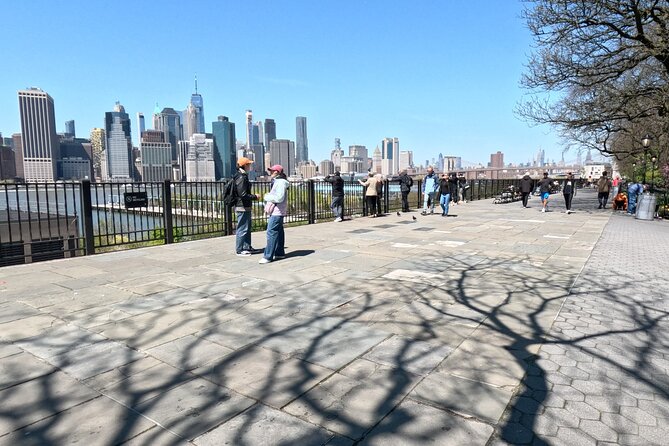
Then comes the part that makes Brooklyn Heights feel like it has a secret. You get unrivaled views of lower Manhattan while overlooking what is described as New York’s first scenic district.
This is not just a “stand and take photos” stop. The viewpoint helps you understand why Brooklyn Heights became desirable and why people wanted to live there as the city expanded. When you can see what is coming next, you plan differently. Wealth and development tend to cluster where the city feels legible from above.
Practical advice: bring your phone charger if you like long photo sessions, and take a minute to look slowly. If you only snap quickly, you miss the point. The best moments come when you actually orient yourself to the city below, then match that mental map to what you learned on the ground.
Also, because this tour runs on good weather, your view payoff is more likely than not. But always have a Plan B mindset if clouds roll in.





The church stop tied to Underground Railroad escape routes
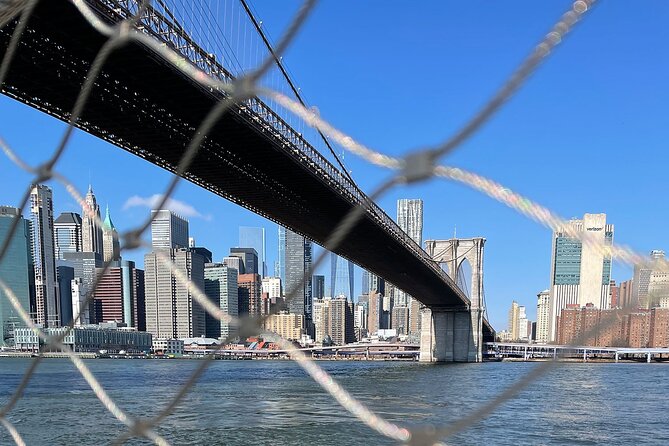
Another strong moment is the visit to a church that is described as the Grand Central of the Underground Railroad. The stop also emphasizes the church’s role in helping enslaved people escape to freedom.
This kind of stop hits differently because it’s about risk, courage, and time-sensitive help. You’re not just hearing about events. You’re hearing about a network built on decisions people had to make under extreme pressure. The location adds weight, even if the building itself is only part of the story.
I like that this tour does not treat Underground Railroad history like a generic “important chapter.” It frames it in a way that makes you think about communication, organization, and how people moved when they had to.
One consideration: emotional topics can slow the pace for the group. If you prefer a lighter tone, you might feel the shift. But if you care about American history beyond battles, this stop is often the one that sticks.
Revolution, Gilded Age, and architecture: why Brooklyn Heights earned Historical District status
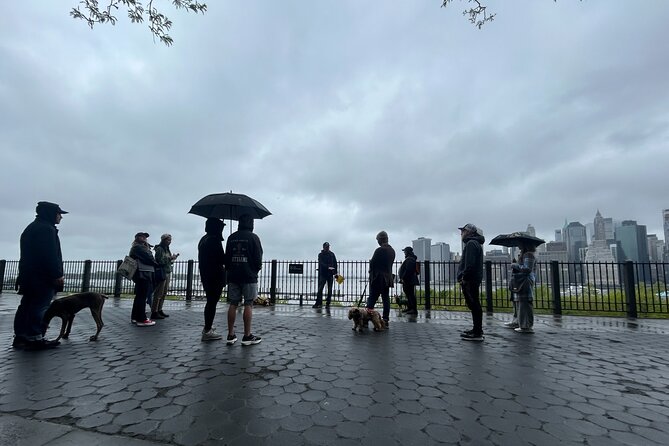
The big picture of the tour is a three-act story.
First, you get the Revolutionary era thread, centered on Brooklyn’s role and the way conflict shaped communities. Second, you move into the late 19th-century Gilded Age Brooklyn theme, with a focus on the opulent homes and the industrialists and innovators driving rapid growth. Third, you land on architectural wonders, including the fact that Brooklyn Heights has over 600 pre-civil war buildings and became NYC’s first Historical District.
That combination is the real value. You’re not only learning about events. You’re learning about how Brooklyn looked while those events and transitions happened.
For you as a visitor, the benefit is clarity. When you see a neighborhood and know it includes structures from multiple eras, you can start reading the streets like an open book. You notice details more. You understand why certain blocks attract attention. And you stop treating Brooklyn Heights like just a pretty view with pricey real estate.
The Gilded Age part, in particular, helps you understand the “why” behind the architecture. Industrial wealth did not stay abstract. It showed up in homes, landmarks, and the kind of streets people wanted to be on.
What you actually get from the engaging guide style

The tour includes a guide with an engaging approach and a friendly atmosphere. That matters because history tours can drift into monologue mode. With this format, the goal is to keep it conversational and walk-based.
One guest specifically praised Andy as a terrific guide. I take that as a signal of the guiding style: clear storytelling, a good rhythm, and enough personality to keep you focused while you are moving.
Here’s a practical way to get more out of the tour, regardless of who leads it. When you hear a theme like Revolution or Underground Railroad, ask yourself one question in your head: why was this location useful to the people living here at the time? That framing makes each stop more memorable.
If you like asking questions, the small group helps. With no more than 10 travelers, it is easier for your questions to land and for the guide to answer without rushing.
Price and value: is $75 for 3 to 4 hours worth it?
This tour costs $75.00 per person and is booked on average about 10 days in advance. For a history walking tour in NYC, this sits in a reasonable range, especially because you are getting multiple big themes packed together: Revolution, baseball lore, viewpoint context, Underground Railroad history, and the architecture of a major Historic District.
What makes it feel like good value is the structure. You get stops that build on each other rather than repeating the same “this is old” pitch. The route also includes real payoff moments, like the lower Manhattan views, which are part of the experience, not just time filler.
Where you should be honest with yourself: if you already know a lot of Brooklyn history and you want deep, academic detail on one single topic, this may feel too broad. But if you want a well-paced overview that helps you connect the neighborhood to the larger American story, $75 for 3 to 4 hours can be a solid deal.
Who should book this Brooklyn Heights history walk
I think this tour is a great match for you if:
- you want history you can place on a map, not just read about
- you care about American Revolution and also want to connect it to later growth
- you appreciate architecture and want a reason to look closely
- you like good views built into the itinerary, not tacked on at the end
It’s also a good option if you travel with family or in a mixed group. The tour says most travelers can participate, and the maximum group size keeps the experience from getting overwhelming.
If you are traveling solo, you still get the benefit of a friendly guide and a tight route. If you are a couple, this works well because you can talk while walking and still get explanations you can both follow.
Should you book this tour?
Book it if you want a smart, walkable way to understand Brooklyn Heights as more than scenery. The mix of Revolution, Underground Railroad, Gilded Age growth, and architectural context helps you see why this area matters and how it changed.
Skip it or at least be cautious if you need a fully accessible, non-walking format, or if you dislike tours where the topic shifts between time periods. This is history in motion, not a museum session.
One final tip: go in with comfortable shoes and a light snack. With a 1:00 pm start and several themed stops, you’ll enjoy it more when you are not counting minutes and thinking about hunger.
FAQ
How long is the Brooklyn Heights tour?
It runs about 3 to 4 hours.
How much does the tour cost?
The price is $75.00 per person.
Where do I meet and where does it end?
You start at Borough Hall Station, Court St, Brooklyn, NY 11201 and end at 2 Pierrepont Pl, Brooklyn, NY 11201.
What is the group size?
The tour has a maximum of 10 travelers.
When will I get confirmation after booking?
Confirmation is received within 48 hours of booking, subject to availability.
What if the weather is bad or I need to cancel?
The experience requires good weather. If it is canceled due to poor weather, you’ll be offered a different date or a full refund. Free cancellation is available up to 24 hours before the experience start time for a full refund.
More City Tours in Brooklyn



More Tour Reviews in Brooklyn
Not for you? Here's more nearby things to do in Brooklyn we have reviewed











More New York City Tours to consider.
 ★ 4.7SUMMIT One Vanderbilt TicketsTickets from $4751,195 traveller reviews
 ★ 4.7Empire State Building Tickets – Observatory & MuseumTickets from $4725,757 traveller reviews
 ★ 4.6Statue of Liberty & Ellis Island with FerryTickets from $1918,683 traveller reviews
 ★ 4.5American Museum of Natural History TicketTickets from $3715,447 traveller reviews
 ★ 5.0New York in One Day Guided Sightseeing TourTickets from $9913,166 traveller reviews
 ★ 4.6Museum of Modern Art (MoMA) Entry TicketTickets from $3012,540 traveller reviews
 ★ 4.7One World Observatory Skip-the-Line TicketTickets from $3012,329 traveller reviews
 ★ 4.7New York CityPASS®: Save up to 41% at 5 Top AttractionsTickets from $15410,548 traveller reviews