
Review · METROPOLITAN MUSEUM TOURS
Private Art and Crime Tour at the Metropolitan Museum of Art
Stepping into the Met gets a whole lot sharper when art crime is the theme. This private 2.5 hour tour uses the museum’s collection as a real classroom, from questionable objects and authenticity debates to stories about stolen or looted pieces and how they find their way back. I especially like the crime and repatriation focus and the way a professional art historian guide can explain how museums think about authenticity, not just what to look at. One thing to consider: if your guide speaks with an accent or you are not positioned well, you may find it hard to hear everything.
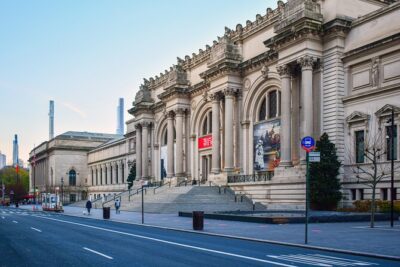
You meet at the Met at 1000 5th Ave, and the tour runs for about 2 hours 30 minutes with a mobile ticket and entrance handled as part of what you buy. Because it is private, you only share the experience with your group, which makes it easier to ask questions when a topic gets complicated, like how fake objects entered collections in the first place. If you enjoy art history with real-world stakes, this is a strong use of time inside one of the world’s biggest museums.
Key highlights worth planning for
- Questionable holdings at the Met, explained in a way that helps you understand why doubts exist
- How authenticity is assessed, including the types of evidence museums rely on
- Stolen and looted art return stories, which turn abstract history into something concrete
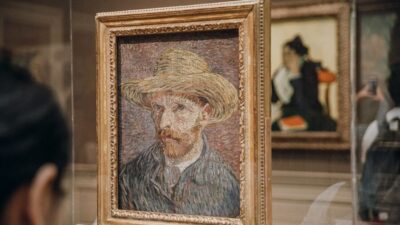
- Authentic works by artists known for imitation and copying, including major names like Rembrandt and Vincent van Gogh
- Professional art historian leadership, with a guide style that can also include city art recommendations
Where this tour takes you inside the Met
The Met is huge, so the best part of a private focus is that it prevents the classic New York museum problem: you look at a lot of art, but you do not really form a through-line. This tour builds one. You start with the Met’s holdings that some experts question, then you widen out to the “real” works, including examples connected to artists who are famous targets for copying. That structure helps you see forgery and imitation as a system, not random bad luck.
You also get a clear shift in tone. Most museum visits are quiet, slow, and aesthetic. This one keeps the same respect for the art, but adds the legal and ethical layer. You will talk about how objects can be misrepresented, how provenance can be messy, and why museums take authenticity seriously even when they are dealing with older acquisitions.
And because it is private, you get a more human pace. You are not fighting the crowd for a chance to ask a follow-up when something does not add up.
You can also read our reviews of more private tours in New York City



The full 2.5 hour flow, stop by stop
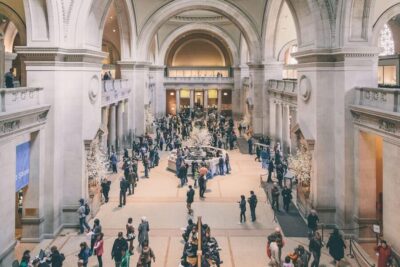
This experience centers on one main stop: the Metropolitan Museum of Art. You spend the full time inside the museum, moving through its galleries at a pace guided by an art historian.
Stop 1 at the Met: questionable holdings to authenticity questions
At the start, you focus on the Met’s holdings that some experts consider “questionable.” The point is not to make you feel suspicious of everything you see. It is to help you learn the difference between a work that is simply old and hard to place, versus a work that could be a forgery, a misattribution, or something whose story is incomplete.
From there, the tour widens. You also look at authentic works by artists who have been among the most “faked” in art history. The guide brings you into the tension at the heart of this topic: when artists are famous, their style becomes a template that forgers try to copy, and the market rewards the confusion.
You will also hear how some fake objects have previously entered museums. The details matter here. It is easy to think of art fraud as a single dramatic act, but the reality is often administrative. A painting can travel through hands, paperwork can look convincing, and an object can get “accepted” before modern methods sharpen the verdict.
What you take away from the Met galleries
By the time you finish this stop, you should have a mental checklist for thinking about authenticity. Museums do not rely on one magic test. They weigh evidence and update conclusions when new information appears. You hear about the methods used to determine whether a work is authentic or a forgery, and you also learn why that process can take time.
That matters for you as a visitor. Instead of asking, Is this real?, you start asking better questions like, What evidence exists, and how strong is it? That is a more useful lens in any museum, including when you are not on a tour.
Questionable works: how the tour keeps the debate grounded
The most valuable part of a tour on art forgery is how it prevents hype. You are not just looking for “fake-looking” paintings. You are learning why experts disagree, what doubts are based on, and how those doubts get investigated.
The Met’s “questionable” holdings are a doorway into the messy world of attribution. A label in a museum gallery is not the end of the story. It is the museum’s current best judgment, shaped by scholarship available at that time. The tour helps you see scholarship as a living process.
You also get a reality check about why forgeries can succeed. When a work is attributed to a major artist, it may carry credibility that helps it pass early scrutiny. That is why you are guided to think about the whole chain, not just the final object on the wall.
And then, the tour adds an important twist: you see authentic works by artists known for being heavily imitated. This keeps things fair. It reminds you that copying happens even when the original is real and respected. The guide points you toward how fame changes an artist’s risk profile, not just a forger’s opportunity.
If you love art history that connects to ethics, this is the part that clicks.
You can also read our reviews of more museum experiences in New York City




Looted art and repatriation: why these stories change the way you look
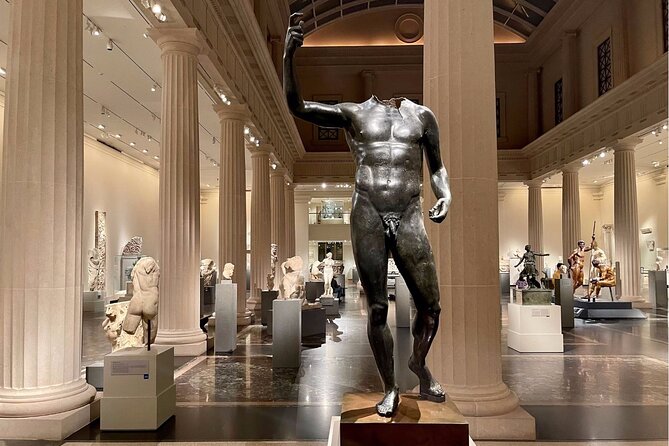
Art crime does not stop at forgery. The other big theme is stolen or looted works and how they return to museums or rightful owners.
This is where your museum visit becomes more than art appreciation. You learn that a museum collection is not only built by taste. It is built by transactions, travel, and sometimes illegal taking. When objects are repatriated or returned, the museum story updates again, and the moral picture shifts.
You will hear stories tied to how stolen or looted artworks were returned. The details you hear can feel surprising because they show the long timeline that often surrounds restitution. A work can move for years, even decades, under a cloud, and then the truth catches up.
For you, the key value is emotional and practical. Emotional, because you are looking at art with a clearer sense of human impact. Practical, because it teaches you what repatriation means in real life, not as a headline.
It also explains why museums take “authenticity” and “rightful ownership” seriously at the same time. A work can be technically real and still raise major questions about how it was obtained. This tour helps you hold both ideas in your head without getting lost.
The guide: professional art historian storytelling (and one listening tip)
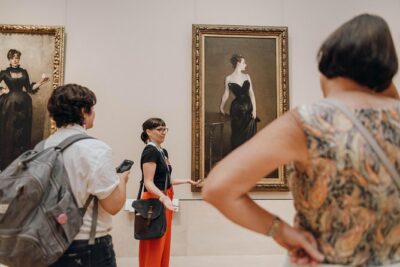
The tour is led by a professional guide who is an art historian. That matters here. You are dealing with nuanced topics like authenticity judgments, acquisition histories, and art crime timelines. A general interest guide can make it entertaining, but an art historian can keep it accurate, structured, and responsive to questions.
One guide name that shows up for this kind of tour is Olga. She is noted for being extremely knowledgeable and for sharing recommendations for other art happenings around New York. That bonus is a real plus for you if you are trying to build a short, smart itinerary beyond the museum you are already in.
Now for the consideration. If you are in a position where you have trouble hearing, or the guide has a stronger accent, you may miss pieces of the story. I suggest you show up ready to listen. Pick a spot where you can see the guide’s face, keep your attention up front, and if you can, ask questions right away when something is unclear. With private format, you can adjust on the fly.
Admission, duration, and why the value is more than convenience
This is a 2.5 hour private tour with entrance fees included, and you get a professional art historian guiding the whole experience. That is where the value comes from. You are not paying just for access to the Met. You are paying for expert interpretation of complex, sometimes uncomfortable museum realities.
It also includes the entrance fees, and you use a mobile ticket. That reduces friction, especially in a place where crowds and ticket lines can slow you down. Since you start at the Met on 5th Ave, you can plan around one fixed location.
The tour is also listed as “most travelers can participate,” and it is private. So it tends to fit a wide range of visitors, especially if you like adult-focused themes or are bringing older kids and teens who can handle serious history.
What is not included, so you can budget without surprises
The price does not include hotel pickup or drop-off. You should plan to get yourself to 1000 5th Ave. The price also does not include gratuities, which are optional but usually part of the decision when the guide performs well.
If you like to stay organized, you can plan ahead by deciding on transit and thinking about how you will tip at the end.
Practical planning tips for a smoother Met tour
The Met can overwhelm you if you try to do everything. This tour is the opposite. It is focused, and it takes that focus seriously. Still, you will enjoy it more if you prep a little.
- Go with your questions ready. Art forgery and repatriation raise obvious questions, like how museums make decisions and what evidence counts. Ask them early.
- Wear comfortable shoes. You are in galleries for about 2.5 hours, and the Met involves plenty of walking.
- Use the mobile ticket. Keep it ready on your phone so you are not stuck at the start.
- If you think hearing might be an issue, position yourself well at the beginning and stay close enough to follow the guide’s explanations.
And if you are pairing this with other Met time, I like stacking it before you wander. This gives you a sharper lens, so you see more than surfaces afterward.
Who should book this tour
This one is best for you if you fall into at least one of these categories:
- You like art history but also want the real-world side, including ethics and provenance.
- You are curious about how museums handle uncertainty, not just how they display certainty.
- You enjoy stories of restitution and want context that goes beyond a headline.
- You want a guided experience where you can ask questions in a private group.
It may not be ideal if you want a pure highlights tour that is all about beauty and famous names with minimal complexity. This tour aims for meaning, and meaning sometimes gets uncomfortable.
Should you book the Private Art and Crime Tour at the Met?
I think you should book it if you want the Met to feel like a living institution rather than a set of rooms. The best payoff is that you leave with new ways to look: authenticity becomes a process, and art crime becomes a lens for understanding collections.
The biggest reason to skip would be if you dislike heavy topics or if you are very sensitive to audio issues and cannot position yourself to hear the guide clearly. If hearing is a concern, arrive early, get a good spot, and ask questions to keep the conversation flowing.
Overall, the combination of a professional art historian, entrance included, a private setting, and a focused theme around forgery, looted art, and repatriation makes this a smart way to spend a few hours at the Met.
FAQ
How long is the private art and crime tour at the Met?
The tour runs about 2 hours 30 minutes.
Where does the tour start and end?
It starts at the Metropolitan Museum of Art, 1000 5th Ave, New York, NY 10028, USA, and ends back at the same meeting point.
Is the tour offered in English?
Yes, the tour is offered in English.
Is this a shared group tour or private?
It is private. Only your group participates.
What is included in the price?
Included are a professional tour guide (art historian), entrance fees, and the tour duration of about 2.5 hours.
What is not included?
It does not include hotel pickup or drop-off, and it does not include gratuities. Cancellation is free, with full refund if you cancel at least 24 hours before the experience start time.
More Private Tours in New York City



More Tours in New York City




More Tour Reviews in New York City




Not for you? Here's more nearby things to do in New York City we have reviewed











More Metropolitan Museum Tours to consider.
 ★ 5.0Metropolitan Museum Guided Group TourTickets from $651,013 traveller reviews
 ★ 5.0“The Met” Metropolitan Museum of Art Exclusive Guided TourTickets from $132863 traveller reviews
 ★ 4.4Express Highlights Tour of the MET MuseumTickets from $69795 traveller reviews
 ★ 4.4Metropolitan Museum of Art Highlights TourTickets from $65625 traveller reviews
 ★ 5.02-hour Metropolitan Museum Guided TourTickets from $65515 traveller reviews
 ★ 4.6Meet the Met – Extended 3hr Small-Group TourTickets from $79397 traveller reviews
 ★ 5.0“The Met” Metropolitan Museum of Art Tour Semi-Private 8ppl MaxTickets from $132384 traveller reviews
 ★ 5.0Metropolitan Museum of Art Highlights TourTickets from $65372 traveller reviews
More useful New York routes