
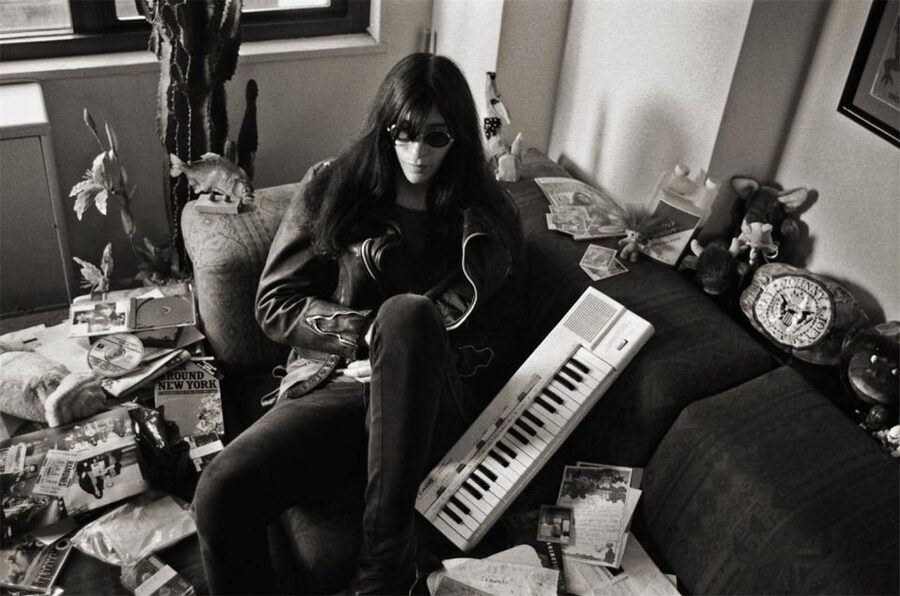
Review · NEW YORK CITY TOURS
NYC: East Village Rock n’ Roll Walking Tour
Turn a soundtrack into street level history.
I loved how this 2 hour walk connects famous album cover locations to the real streets of the Lower East Side. Two things I especially liked: the way the guide ties neighborhoods to specific scenes, and the photo friendly stops that you would normally walk right past. One possible drawback, you might want even more exterior shots of where certain stars lived, since the route focuses heavily on key sites and stories.
The tour also makes the East Village feel alive, not museum quiet. You move through the East Village, Alphabet City, and the Bowery while learning how rock, punk, and glam shaped New York from the 60s onward. If you like music facts, street level context, and fashion details tied to the scene, you’ll have a great time.
One more heads up. The tour is tightly timed, so it keeps a brisk, story forward pace rather than lingering street by street.
Key things to know before you start
- Album cover spotting: You’ll see locations tied to iconic cover moments, not just band name drops.
- Genres in one route: Rock, punk, and glam are woven together across decades, from the 60s to today.
- Neighborhood map in your head: Alphabet City and the Bowery are used like a living timeline.
- Big names, small area: Sites connected to the Ramones, New York Dolls, Iggy, Velvet Underground, and more happen close together.
- Clothing store stop energy: Expect rock n roll fashion details, including a CBGB era style vibe.
- Guide matters most: The storytelling style is repeatedly praised, especially for guides like Bobby Pinn.
Rock stars, sidewalks, and album covers in the East Village
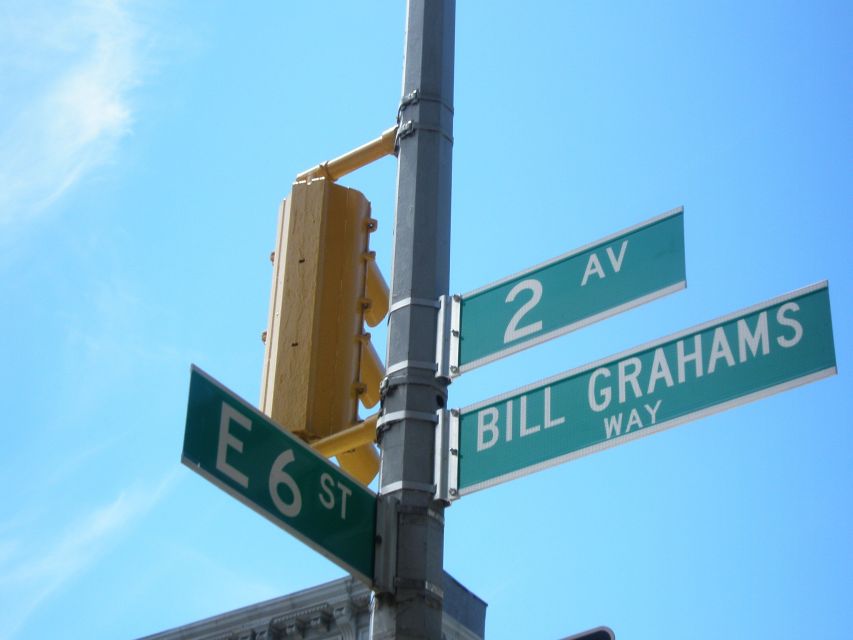
This is the kind of tour that turns your phone camera into a travel planning tool. Instead of only seeing the East Village as colorful buildings and murals, you start seeing it as a set of scenes where bands played, people gathered, and style spread.
The pitch makes sense because it is built around tangible clues. You’ll look for album cover locations and the streets tied to rock legends, then you’ll get the story of where they played, lived, drank, and shopped. That street level emphasis is why the tour feels more rewarding than a standard walkthrough. It helps you connect art and design to real places.
I also like how the tour doesn’t lock itself into one era. You’re not stuck in the 1970s or 1980s only. The tour takes you from rock’s earlier roots into punk and glam, then forward toward more modern echoes. That keeps the tour from feeling like a single themed lecture.
How the 2 hour walking tour actually works
The duration is 2 hours, and that timing really matters in New York. You can cover a solid slice of the Lower East Side without turning it into a full day mission.
This is a guided walking tour, so you’re trading a bit of freedom for context. In practice, that means you will know what you’re looking at before you move on. The guide’s job is to connect the site to the scene, so you’re not left guessing which building matters.
You also get professional guidance throughout, which is where the value shows at $47 per person. The money is not just buying walking time. It’s paying for the explanations that make the stops make sense, and the storytelling style is a major reason the rating is so high.
One practical note from the tour guidance: bring bottled water and your camera. This is a walking tour where photo moments are part of the experience, especially at recognizable locations linked to album covers and band history.
Meeting at East 9th Street and 3rd Avenue
The meeting point is the SW corner of East 9th Street and 3rd Avenue in the East Village.
That matters because this neighborhood has multiple entry points and you do not want to arrive late while figuring out where to join. If you’re using transit or walking from nearby hotels, give yourself a little buffer so you can check the corner and orient yourself calmly.
No hotel pickup and drop off are included, so plan on arriving on your own. The good news is that the East Village is easy to reach by foot and public transit, and meeting at a major corner makes it simpler to find.
East Village, Alphabet City, and the Bowery: three neighborhoods, one timeline
The route is designed around specific neighborhoods that feel different even when you’re walking short distances.
- Alphabet City: You get a sense of the Lower East Side as a place where new sounds and styles spread quickly. The tour uses this area to talk about the music culture that helped shape the wider world.
- The Bowery: This area often feels like the edge of a chapter in New York. Here, the tour leans into the club and scene energy, including venues tied to rock and punk eras.
What makes the neighborhood approach useful is that it turns the map into a memory tool. You start remembering what you learned by associating it with a physical area. After the tour, you’ll likely recognize the streets differently. You might stop seeing it as generic downtown, and start seeing it as a chain of scenes.
Stops that hit hardest: Fillmore East, CBGB’s, and the legends tied to them
The best part of this tour is how it handles famous names without making it feel like a trivia contest. The stops you’ll cover include:
- Fillmore East: Expect a focus on where rock energy actually happened, not just who the bands were. It’s the kind of venue that belongs in the story of how live music shaped careers.
- CBGB’s: This is one of the anchor points of the route. The experience includes the CBGB’s building, and you’ll see it in its current form as a clothing store with an interior design that pays homage to the original rock n roll vibe.
- The Ramones, New York Dolls, and Iggy: These names are built into the walk as part of why the East Village mattered for rock, punk, and beyond.
You’ll also connect these sites to album cover moments. That’s fun for photos because album covers usually feel iconic, but seeing the street context makes them feel real.
One detail that really helps the tour stick: you’re not only told about performances. You also learn where artists lived and where they would drink and shop. That is the difference between reading about fame and understanding how scenes form in everyday life.
Punk, glam, and the 60s to today connection
A lot of rock tours pick one era and stay there. This one tries to explain how rock culture evolved, and it does it by grouping the storyline into three genre lanes: rock, punk, and glam.
Why that works on a walking tour: you’re hearing how style changes. Punk and glam weren’t only about music. They were also about looks, attitudes, and who felt like they belonged. The East Village gets framed as a place that helped those ideas travel outward.
The tour also points to a long list of influential artists and touchpoints, including:
- The Velvet Underground and Andy Warhol
- Jimi Hendrix and Led Zeppelin
- Iggy Pop
- Plus more connected acts tied to the Lower East Side scene
Even if you’re not a hardcore collector of every band in the lineup, this approach gives you a clear sense of how the neighborhood became a magnet for new sounds and a testing ground for style.
The guide experience, with Bobby Pinn as a standout storyteller
The tour’s center of gravity is the guide, and the best reviews repeatedly highlight the same thing: the person leading you actually seems like they lived the stories they tell.
In the accounts you’ll hear, Bobby Pinn stands out for two reasons. First, he has a big stack of facts and connects them to specific places. Second, the tone is personal. People describe it as firsthand and enthusiastic, which matters because the tour covers decades. Without strong storytelling, it could feel like a list. With Bobby, the stops feel connected.
That also shows up in pacing. You get an easy rhythm where the guide points out buildings and locations you would normally walk by without noticing. You’re not being rushed from one landmark to the next with no explanation. You’re given just enough time to register the why, then you move on.
If you like guides who make you feel like the East Village has a voice, you’ll probably love this part most.
What to look for during the walk (so you get more than photos)
The tour is loaded with places, but you’ll get more out of it if you watch for story cues.
Here are a few things to pay attention to as you walk:
- Where the album cover moments happen: even when the building looks different than you expect, the location helps you understand the visual choices.
- Fashion and storefront clues: the inclusion of rock n roll clothing stores is not random. It links scene identity to what people wore and bought.
- Scene geography: notice how Alphabet City and the Bowery feel like different chapters rather than just sections of sidewalk.
And remember the practical tips you’re told before you go: bring bottled water and your camera. You want your hands free enough to snap photos and enjoy the walk without the stress of running out of essentials.
Price and value: is $47 worth a 2 hour walk?
At $47 per person, this is not a budget throwaway. But it also isn’t overpriced when you think about what you’re buying.
You’re getting:
- A 2 hour guided walking tour
- Professional guidance
- A concentrated route through major rock and punk touchpoints, including Fillmore East and CBGB’s
- Album cover location stops
- Stops that connect music to everyday life like where people shopped and drank
So the real question is whether you value context. If you like music lore but hate reading it off a screen, a guided walk like this is a smart use of time. You’re also paying for the guide’s ability to connect eras and scenes. That is where the money turns into something you feel.
If you’re mostly in New York to do checklist museums and you don’t care about rock and punk, $47 might feel like it could go to something else. But if you enjoy music culture and want it tied to the places you’ll actually see again, it’s easier to justify.
Who this tour suits best
This is a strong match if you:
- Love rock, punk, and glam
- Enjoy seeing album cover stories tied to real streets
- Like tours where you learn something beyond the obvious landmarks
- Want a Lower East Side overview that is focused, not scattered
It can also work well if you’re traveling with music fans who want a shared activity that feels fun instead of academic.
If you’re the type who wants tons of time standing outside many specific apartment buildings, this might leave you wanting a bit more of that. The route is designed for key sites and storytelling, and it stays within a 2 hour window.
Should you book this East Village rock n roll tour?
I’d book it if you want your East Village time to come with a soundtrack plus a map of why this neighborhood mattered. The best reason to do it is the combination of recognizable rock touchpoints, album cover locations, and guide storytelling anchored by names like Bobby Pinn.
Skip it if you’re only casually interested in rock and punk, or if you want a tour that focuses mostly on quiet sightseeing with minimal explanation. At $47, you should be confident you’ll use the guide’s context.
If that sounds like you, put this on your Lower East Side plan. You’ll finish the walk looking at the neighborhood like it has a timeline built into the sidewalks.
FAQ
How long is the NYC East Village Rock n’ Roll Walking Tour?
The tour lasts 2 hours.
How much does the tour cost?
The price is $47 per person.
Where do we meet for the tour?
You meet at the SW corner of East 9th Street and 3rd Avenue in the East Village.
What is included in the price?
Included are a 2 hour walking tour and a professional guide.
Is hotel pickup included?
No, hotel pickup and drop off are not included.
What should I bring?
It’s recommended that you bring bottled water and your camera.
More New York City Tours to consider.
 ★ 4.7SUMMIT One Vanderbilt TicketsTickets from $4751,195 traveller reviews
 ★ 4.7Empire State Building Tickets – Observatory & MuseumTickets from $4725,757 traveller reviews
 ★ 4.6Statue of Liberty & Ellis Island with FerryTickets from $1918,683 traveller reviews
 ★ 4.5American Museum of Natural History TicketTickets from $3715,447 traveller reviews
 ★ 5.0New York in One Day Guided Sightseeing TourTickets from $9913,166 traveller reviews
 ★ 4.6Museum of Modern Art (MoMA) Entry TicketTickets from $3012,540 traveller reviews
 ★ 4.7One World Observatory Skip-the-Line TicketTickets from $3012,329 traveller reviews
 ★ 4.7New York CityPASS®: Save up to 41% at 5 Top AttractionsTickets from $15410,548 traveller reviews
More useful New York routes