
Review · 9/11 MEMORIAL TOURS
World Trade Center Area Underground Art and History Tour
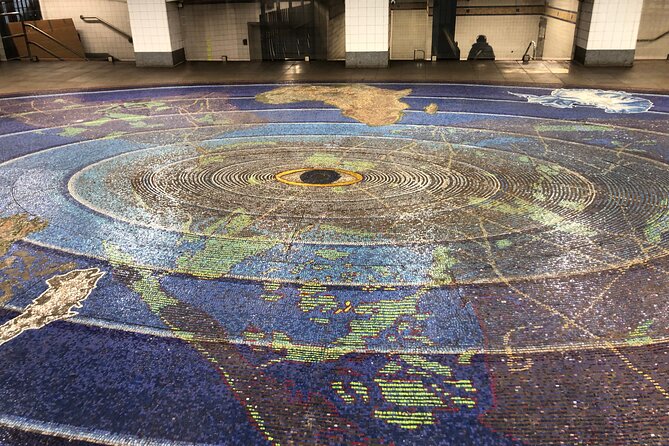
Lower Manhattan hides art in plain sight. This tour focuses on World Trade Center underground art and the way Ann McDermott connects it to real locations, not just a quick 9/11 overview. I like the small-group Q&A that keeps the story clear, and I also like how you get guided access to major downtown transit spaces. One consideration: you should plan on a separate subway fare for part of the transit route and possibly extra church entry for one stop.
This is a 1 hour 30 minutes walk that moves at a steady city pace. The group is capped at 10 travelers, which matters because you’re heading through underground passages where questions and timing can get awkward fast. Bring comfortable shoes, and keep a moderate fitness level in mind.
Key things to know before you go
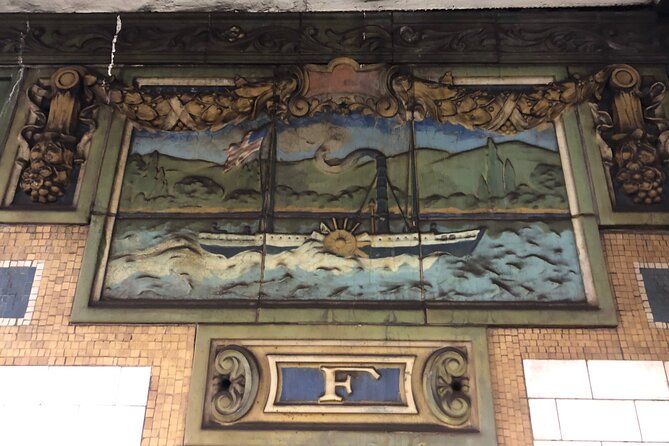
- You’ll see commuting art up close, not just the famous surface views.
- Stop 1 blends architecture and remembrance, including reflecting pools and original footprints.
- Saint Paul Chapel is a quick, meaningful pause and it’s free to enter.
- St. Peter’s Church adds memorials tied to rebuilding after 9/11, with admission not listed as included.
- You may pay an extra $2.90 subway fare for the transit portion tied to the underground installations.
World Trade Center Station and The Oculus: where modern transit becomes part of the story
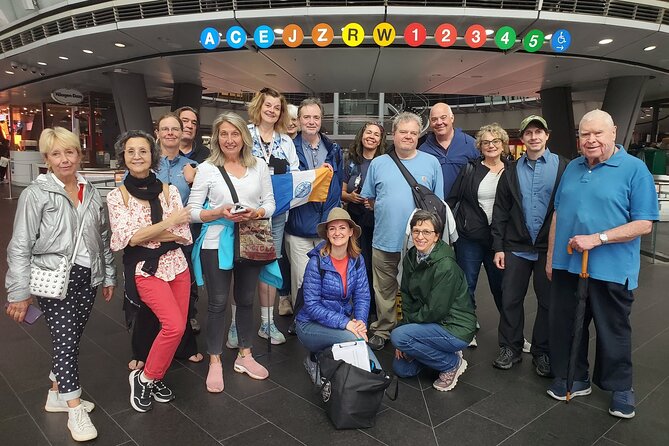
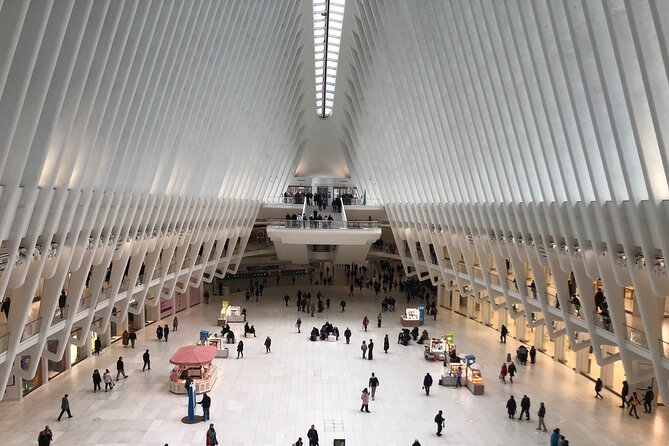
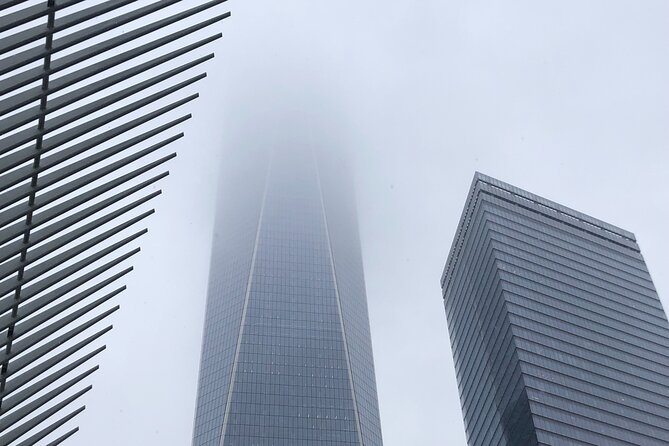
The first stop starts right at World Trade Center Station (PATH), inside the orbit of The Oculus. You’ll get oriented in a place that looks like it was designed for light, movement, and direction at the same time, then the guide helps you notice details that most people walk past without thinking.
A big part of the payoff here is that the guide doesn’t treat this as only a transit stop. You’ll also look at the reflecting pools, the original footprints of One and Two World Trade Centers, and a globe that once sat in the main plaza center and was damaged on 9/11. Even if you know the surface facts, the physical layout hits differently when you’re standing where things used to be, and where they were rebuilt.
You’ll also get a practical sense of how to move through the area. The Oculus connects you to PATH trains toward New Jersey and to the wider downtown transit network nearby, so the tour naturally explains how people actually live their day here. That turns your visit from sightseeing mode into real navigation mode, and that’s useful for the rest of your trip.
Tip for your timing: this portion runs about an hour, and it includes both outdoor sightlines and indoor transit spaces. If you tend to arrive late to everything, you’ll feel it here.
You can also read our reviews of more historical tours in New York City



Underground transit art and the one extra $2.90 subway fare
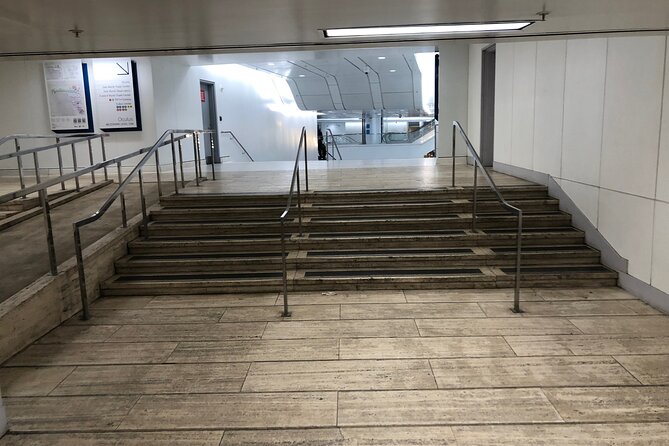
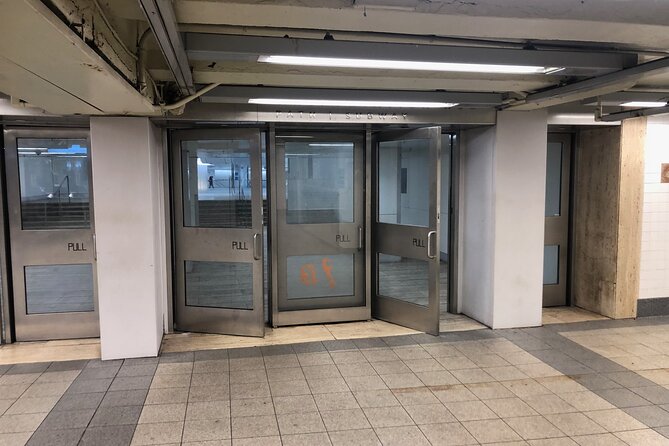
After the initial station viewing, the tour shifts into the underground passageways of the NYC Transit system. This is where the experience feels most different from a typical monument tour: you’re not just looking at art in a museum setting. You’re seeing how public spaces use design, history, and meaning to shape your commute.
The guide leads you through installations that are both historic and informative, and the key detail is that part of this transit route connects to the commuting experience. That’s why you should plan on paying one subway fare of $2.90, since admission isn’t listed as included for that specific segment.
Here’s why that small cost makes sense in context. You’re paying for access to the actual functioning system, not a closed-off exhibit. The payoff is that you learn to spot symbolism while you’re walking where thousands of people walk every day. It also helps you understand why the same area can feel both contemporary and deeply layered.
If you’re trying to budget tightly, treat the tour price as the guided framework plus transit access, then budget that extra fare for the underground art segment. It’s the kind of tradeoff that makes sense because without that ride, a lot of the artwork would remain out of reach.
Saint Paul Chapel: a short stop with big emotional weight
Next comes Saint Paul Chapel, a brief visit that lasts about 15 minutes. It’s free to enter, and it’s one of the most grounded parts of the route because it ties national history to a specific room and yard.
The guide connects the chapel to key moments: it’s described as the sacred place where George Washington prayed after being sworn in as President. Then the story shifts to 9/11, including the detail that workers who cleared debris rested there as they worked. That link matters because it reframes the space from a distant landmark into a lived refuge during crisis.
You’ll also spend a bit of time considering the churchyard, where Revolutionary War heroes and prominent New Yorkers are buried. Even if you’re not a cemetery person, the tour makes it easy to understand how this chapel has functioned across centuries: worship, service, and memory.
This is the stop I’d recommend you treat as your mental breather. It’s short, it’s quiet compared with transit corridors, and it gives the tour a human scale.
St. Peter’s Church: memorials tied to rebuilding after 9/11
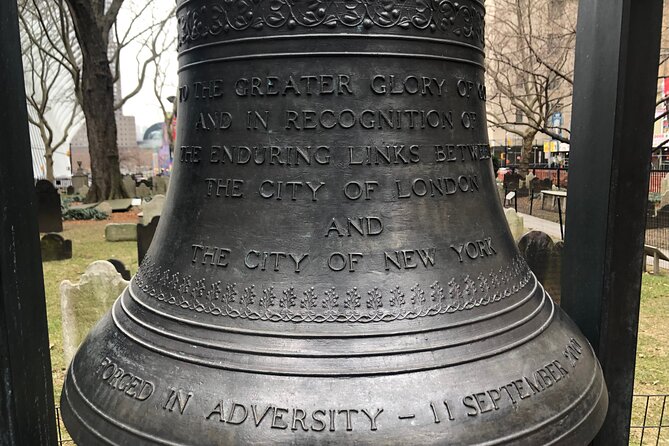
The final featured church stop is St. Peter’s Church, also about 15 minutes. This is described as the oldest Catholic congregation in New York City, and the focus here is on memorials connected to people involved in rebuilding after 9/11.
Like Saint Paul Chapel, this part is meant to be more than a photo stop. The guide helps you connect what you see to a timeline, so the memorial details don’t feel like disconnected plaques. If you enjoy architecture plus context, this is where the tour’s “look closer” approach really pays off.
Admission for St. Peter’s is listed as not included, so if you’re visiting during a time when tickets are required, you’ll want to be ready to pay separately. If you’re sensitive to extra charges during a tour, this is the one logistical point worth checking before you go.
The meet-up at 209 Broadway and how the route flows to Corbin Building
The tour meets at 209 Broadway, New York, NY 10007 and ends at the Corbin Building at 192 Broadway at John Street. It starts at 2:00 pm, and it’s scheduled for about 1 hour 30 minutes total, which is fairly tight for lower Manhattan.
Because this is a transit-heavy walk, where you stand matters. Plan to arrive a few minutes early so you can get to the meeting spot, check your phone for the mobile ticket, and settle your shoes and layers before the guide starts moving.
Also note the tour has a moderate physical fitness requirement. That doesn’t mean it’s a hike, but you are walking through underground passages and between meaningful points that take time. If you’ve got mobility limitations, you can ask about alternative routes, including elevator options, and the guide is described as patient and accommodating.
Service animals are allowed, which makes sense given how much of the route happens in active public transit spaces.





Pricing and value: is $44 a fair deal for transit access and guided context?
At $44 per person for about 1.5 hours, this tour sits in the midrange for guided sightseeing, but it earns its keep in two ways.
First, you’re paying for guidance inside the places that usually feel confusing or too busy to explore slowly. Ann McDermott’s style is described as patient and detail-forward, and the result is that you understand what you’re seeing, not just where it is.
Second, the tour includes admission to the NYC transit network, which changes how you experience the downtown core. You’re not paying just to stand outside; you’re using the transit system as the medium, and the guide makes the art and architecture readable as you move.
The one budget wrinkle is that a $2.90 subway fare is still required for part of the transit experience. On top of that, St. Peter’s Church admission is not listed as included. So the real question becomes: does the extra transit and context feel worth it versus doing a self-guided walk?
For most people, the answer is yes, especially if you like seeing less obvious details. The best value shows up when you care about how the art connects to the architecture and the memorial spaces, and when you want someone to explain what to notice while you’re actually there.
Who should book this tour (and who might want something else)
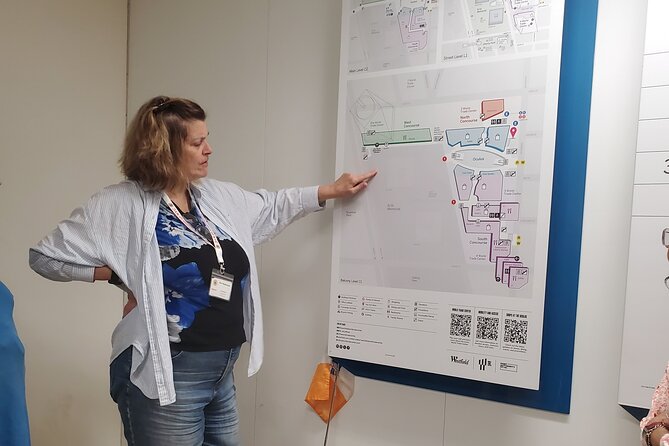
This is a strong choice if you want a guided way to experience downtown transit spaces as history and art. It’s also ideal if you like small group pacing, because the cap of 10 travelers keeps the conversation moving and helps the guide answer questions without rushing everyone through.
You’ll also enjoy it if you have even a mild interest in how 9/11 memory is embedded in the built environment. The route includes major memorial-related elements at WTC and adds church stops that connect national history and rebuilding to physical places.
Consider another option if you hate paying extra during tours. Between the $2.90 subway fare and the possibility of St. Peter’s admission you’ll want to be mentally ready for add-ons.
Should you book the World Trade Center Underground Art and History Tour?
Book it if you’re coming to lower Manhattan and you’d like to see more than the obvious surface sights. This tour has a smart premise, transit as a museum, and it gets the most out of places that are easy to ignore when you’re in hurry mode.
Skip it only if you want a simple, fully all-in price and minimal walking. If you’re okay with a small transit fare and want the guide to point out what you might miss, this is a practical, meaningful use of an afternoon in the World Trade Center area.
FAQ
How long is the World Trade Center Area Underground Art and History Tour?
It’s about 1 hour 30 minutes.
How much does the tour cost?
The price is $44.00 per person.
Where do I meet, and where does the tour end?
You meet at 209 Broadway, New York, NY 10007, and the tour ends at the Corbin Building, 192 Broadway at John Street.
What time does the tour start?
The start time is 2:00 pm.
How big is the group?
The maximum group size is 10 travelers.
What sites are included, and how long do you spend at each stop?
You visit World Trade Center Station (PATH) for about 1 hour, Saint Paul Chapel for about 15 minutes, and St. Peter’s Church for about 15 minutes.
Is there an extra cost for transit or church entry?
The tour notes that you will need to pay one subway fare of $2.90 for part of the transit route. Saint Paul Chapel entry is free, while St. Peter’s Church admission is listed as not included.
Is the tour suitable if I have mobility needs?
The tour requires a moderate physical fitness level. Service animals are allowed, and the guide is described as patient with mobility issues and can use alternative ways to get around, including elevators.
What happens if weather is bad or I need to cancel?
The tour requires good weather. If it’s canceled due to poor weather, you’ll be offered a different date or a full refund. You can cancel up to 24 hours in advance for a full refund.
More Historical Tours in New York City



More Tours in New York City




More Tour Reviews in New York City
Not for you? Here's more nearby things to do in New York City we have reviewed








More 9/11 Memorial Tours to consider.
 ★ 5.09/11 Memorial, Ground Zero Tour with Optional 9/11 Museum TicketTickets from $396,381 traveller reviews
 ★ 4.59/11 Memorial Museum Admission TicketTickets from $366,376 traveller reviews
 ★ 5.0All-Access 9/11: Ground Zero Tour, Memorial and Museum, One World ObservatoryTickets from $1094,886 traveller reviews
 ★ 4.5NYC City Tour: Statue of Liberty, 9/11 Memorial, Wall StreetTickets from $392,059 traveller reviews
 ★ 4.7Ground Zero 9/11 Memorial Tour & Optional 9/11 Museum TicketTickets from $391,584 traveller reviews
 ★ 4.79/11 Ground Zero Tour with All Access OptionTickets from $391,272 traveller reviews
 ★ 4.89/11 Memorial Tour and Optional Observatory TicketTickets from $39841 traveller reviews
 ★ 5.0New York 9/11 Memorial Tour with Optional One World ObservatoryTickets from $39637 traveller reviews
More useful New York routes