
Review · NEW YORK CITY TOURS
Custom Private New York Architecture, Art and City Tour
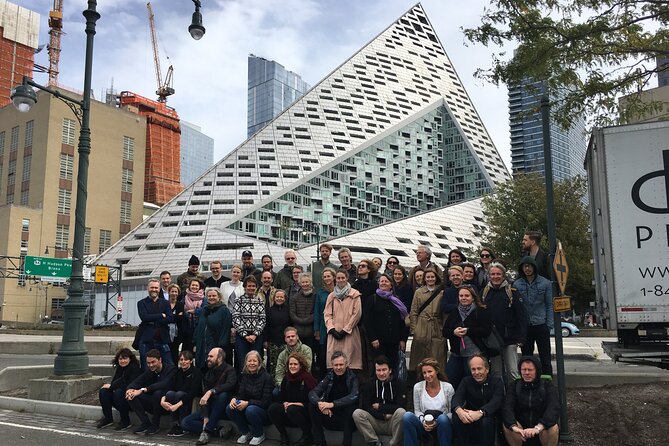
Architecture changes every block in New York, and this tour helps you read it fast. You start with a strong sense of place and end with details you’ll actually remember, guided by Dr. Ivan Shumkov. I love the structure, you get clear neighborhood themes tied to real buildings, and I also like the practical touch of professional headsets that make conversation easy in loud streets.
The main drawback is simple: this is a walking experience, and it is not recommended if you have trouble walking for long stretches. If you’re comfortable on your feet, you’ll get a lot for the time you spend, including camera-friendly moments and sketchbook pauses if that’s your thing.
Because this is private and flexible (2 to 8 hours), you can match the tour to your interests, whether you want Wall Street and the waterfront, SoHo cast-iron and tenements, or Midtown’s skyline story. For a first trip to New York, it’s also a smart way to learn how the city grew, not just what to photograph.
Key Points That Make This Tour Worth Your Time
- Dr. Ivan Shumkov leads with city-sharp architectural explanations that connect buildings to real neighborhood change
- Headsets for every guest so you can hear the story clearly on busy sidewalks
- Flexible route length from 2 to 8 hours, so you can cover one area or combine several
- Architecture and art together across the Financial District, East Village, Chelsea, and Midtown
- Camera and sketchbook friendly stops built into the pace, not treated like an afterthought
Private NYC Architecture and Art, With a Real Sense of How the City Works
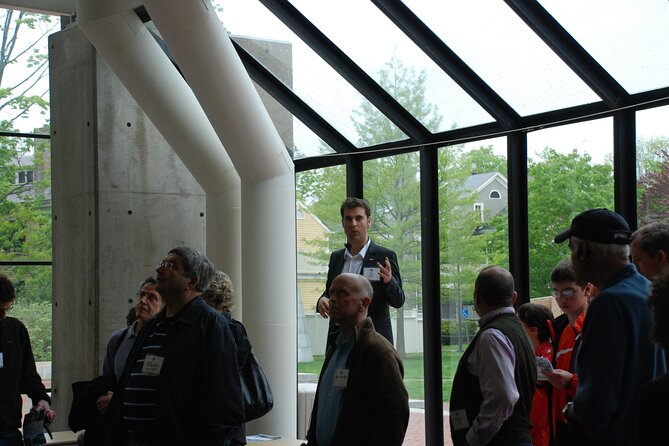
If you’ve ever walked around New York and thought, I know there’s a pattern here, but I can’t name it, this is the kind of tour that helps you label what you’re seeing. Instead of random photo stops, you get a guided route that ties street-level design to broader city history, from early Manhattan streetscapes to contemporary landmarks.
I like that the tour is built around neighborhoods with distinct architectural personalities. One area might push you to notice how old street grids and colonial-era leftovers sit beside bold modern development. Another might make you look closely at façade materials, industrial forms, and how art institutions took over repurposed spaces.
It is also genuinely practical for your day. You get a mobile ticket, you start and end at Washington Square Park, and the tour is private, so your group stays together without waiting on a big bus schedule. And if you want to take breaks, you can usually keep it tailored because it is your own group, not a fixed flow of strangers.
You can also read our reviews of more city tours in New York City



Meeting at Washington Square Park, Then Walking With a Plan
The tour begins at Washington Square Park in the West Village and ends back at the same meeting point. That matters more than it sounds. Starting and returning to the same spot is a simple way to keep your timing sane, especially if you plan dinner or a second activity after.
Expect lots of sidewalk time. The experience is not recommended for people who have problems walking. If you think you’ll be tired fast, bring comfortable walking shoes and plan hydration, especially if you’re doing a longer version closer to 6 or 8 hours.
You’re also set up for clear listening. The tour includes professional individual headsets for each guest, which is a big deal in New York. Street noise can ruin details on any walking tour, so hearing the guide clearly helps you catch the specific architecture clues you came for.
The Financial District: Old Walls, New Towers, and the Story in Between
The Financial District stop is where New York’s contrast becomes impossible to ignore. You start near the southern tip of Manhattan, where skyscraper density meets street-level historic remnants. The point here is not just to see famous names, it’s to understand how the city layered itself, old and new, in the same small area.
You’ll spend time around Battery Park City and the evolving skyline logic that frames the area. Then the route shifts into Wall Street territory with stops that connect business power to everyday streetscapes, including Frances Tavern and Stone Street. Those are the kinds of places where the architecture feels grounded, not just monumental.
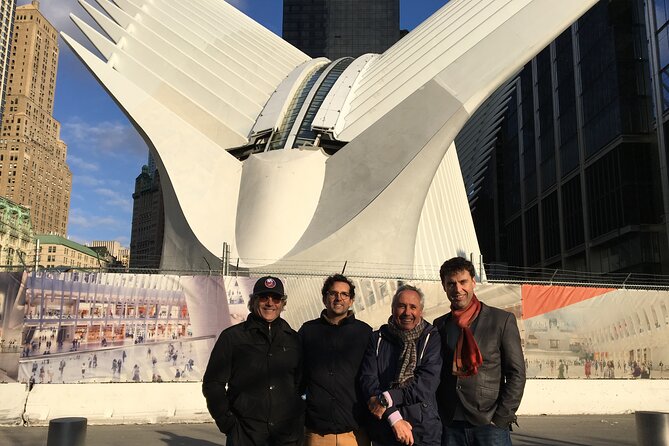
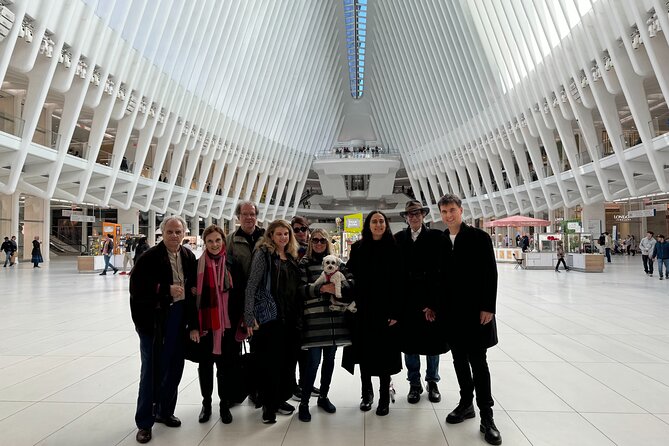
Next comes the iconic religious and public landmark thread. Trinity Church is part of the conversation, and so is how the area’s civic identity shaped what came later. From there, you move toward the modern transformation of the waterfront and the dramatic urban remaking represented by the World Trade Center area and the 9/11 memorial.
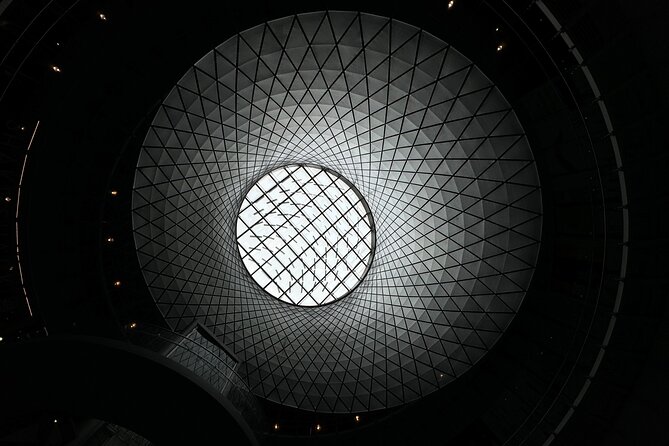
You also get a transportation and infrastructure lens with Fulton Station in the mix, which helps explain why Midtown development doesn’t happen in isolation. City growth is about movement, and this area is a centerpiece for how people enter and exit Manhattan’s core.
If you want a stronger historical and design reading of Lower Manhattan, this is the stop to choose. The downside is that this area can feel like a lot of people and tall buildings at once. If you’re the type who likes slower, quieter visual study, you might prefer adding a shorter Financial District window rather than making it your entire day.
East Village and SoHo to Lower East Side: Cast Iron, Tenements, and New Institutions
This is the neighborhood stop for people who love architecture that tells social stories. Here the theme leans into how different communities lived, worked, and adapted the built environment over time.
You’ll cover areas like the Lower East Side, Bowery, and SoHo, and the architectural typologies are the headline. The tour highlights the cast iron industrial character of SoHo, then contrasts it with tenement housing patterns connected to the LES. That combination is useful because it trains your eye. You start to see how form follows function, and how housing and industry left different physical traces.
What makes this stop especially fun for architecture lovers is that it doesn’t stay in the past. You get pointed examples of contemporary design inserted into older city fabric. The route includes the New Museum by SANAA, which is a good anchor for modern institutional architecture. You’ll also hear about the Prada flagship designed by Rem Koolhaas, and the Copper Union building by Morphosis.
This is where you learn to look at style as a response to place. Cast iron and tenements feel like evidence of older production and living patterns. Modern galleries and brand flagship architecture feel like how New York keeps monetizing attention while still living inside earlier urban geometry.
One practical note: this is a heavy visual stop. If you’re doing a longer itinerary with multiple neighborhoods, you may want to pace your photo time so you don’t end the day with a memory full of images but light on understanding. Headsets help you keep track, but your brain still needs short resets.
Chelsea and West Village: Art District Energy, Plus the Buildings That Power It
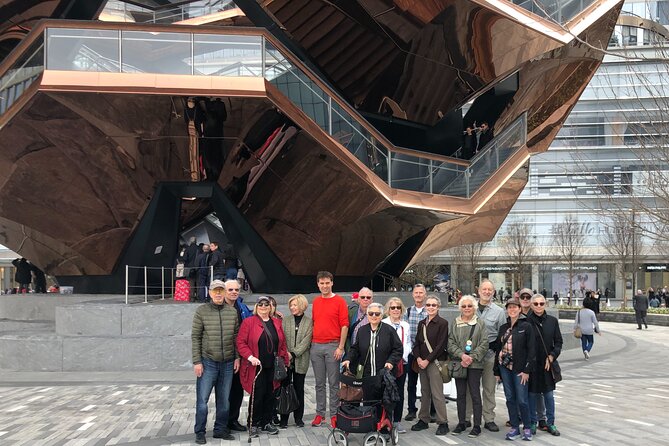
Chelsea connects architecture and art in a way that’s easy to feel even if you don’t know the names of every designer. The tour frames the area as a cultural engine that runs through real buildings, including galleries in converted industrial structures.
Around Washington Square Park and into the West Village side, you’ll also see the NYU campus buildings as part of the neighborhood identity. That matters because it shows how higher education shapes the street life, not just the skyline.
The Chelsea portion pushes you into the art district geography. The route references converted warehouses and factories turned into gallery spaces, which is exactly the kind of repurposing that makes New York architecture special. You get a sense of how old industrial scale and simple structures can become ideal containers for art.
Key stops include the Whitney Museum and the Standard Hotel. You’ll also encounter the High Line, which the tour uses as an architectural and urban planning reference point for how New York repackages space. The route description also mentions Hudson Yards and the Javits Center, which are perfect examples of late-stage Manhattan growth where design, infrastructure, and spectacle overlap.
If you’re choosing between stops, this one is often the best balance of design curiosity and modern day entertainment value. You’ll finish with a sense of why people actually want to spend time here beyond just seeing landmark photographs.
The one possible drawback is that this area can move quickly. If your group wants long photo breaks, you’ll want to plan for it during the tour length decision, since the overall schedule depends on how many neighborhood blocks you cover.
You can also read our reviews of more private tours in New York City






Midtown: From Early 20th Century Ambition to Today’s Skyline
Midtown is the skyscraper classroom. The tour uses it to show how Manhattan’s most famous vertical language evolved, starting from early twentieth century examples and moving toward the latest skyline additions.
The route includes Time Square as a focal point, not just as a spectacle. That helps you connect city planning, pedestrian flow, and façade design. Then you move into the business district logic, where the “look” of buildings often connects directly to corporate identity and technological changes.
Midtown also pairs well with your camera because the view angles and street grids give you repeated opportunities to frame towers. But the real value is the explanation of how each era left architectural fingerprints. You learn what to notice. For example, you start paying attention to how setbacks, massing, and façade rhythms shift over time.
Because Midtown involves lots of walking and crowds, this stop is a good choice if you enjoy busy energy and don’t need quiet. If you want a calmer vibe, I’d pair Midtown with an earlier, more architectural stop like the Financial District or a more intimate-feeling portion of the East Village.
What You’ll Likely Learn About New York Architecture (Even If You’re Not an Expert)
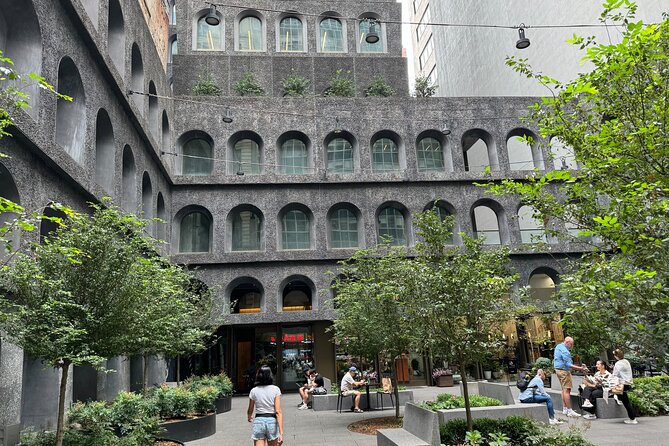
You do not need a degree in architecture to get value here. The tour is built to give you a practical way to read the city. You’ll leave knowing how to spot the differences between old street survival, industrial repurposing, and modern landmark branding.
Here are a few lessons that show up repeatedly in the route themes:
- Architectural styles often tell you what a neighborhood was for, not just what it looks like.
- Urban change is layered. You see it in street materials, building shapes, and what got converted into new uses.
- Public landmarks and major institutions function like anchors, shaping what comes next around them.
- Even when buildings are famous for the architect, their impact is really about how they meet the street and how people move through the area.
And the human side matters too. The guide, Dr. Ivan Shumkov, is described as a gentleman and an expert architect who explains with keen city insights, connecting facts into something you can follow. There’s also mention of a wonderful final surprise. The exact content is not part of the provided details, but it suggests the tour has a thoughtful moment near the end, not just a rush to the finish.
Price and Time Value: Is $299 Worth It?
At $299 per person, this isn’t a budget-only walking tour. But it can be fair value if you think of it as design coaching plus time saved.
What you’re paying for:
- A private format for your group, so you are not competing with strangers for attention.
- Professional headsets for every guest, which improves the overall quality of the experience.
- A guide who can explain multiple design eras across different Manhattan zones.
- Flexibility in duration, from 2 to 8 hours, which lets you decide how much you want to cover.
The biggest determinant of value is how many neighborhood stops you choose. If you only do a very short version, you may feel you missed pieces that connect the story across areas. If you do a longer run, you’re more likely to build the mental map that makes New York start to click.
If you’re traveling as a couple or small group and you want a guided lens over multiple iconic zones, this price can feel more reasonable. If you’re solo on a tight budget, you might consider picking just one area rather than stacking multiple stops.
Best Ways to Prepare (So You Get More Out of the Walk)
You don’t need special skills, but a little prep helps a lot.
Wear shoes you can walk in comfortably for the duration you select. The tour is not recommended for guests with walking problems, so plan accordingly.
Bring a camera if that’s your style, because the route is designed for photos, not just passing by landmarks. If you like sketching, the tour is explicitly camera and sketchbook friendly, so you can take quick pauses when the guide points out a façade pattern or a design detail.
Finally, check your expectations. This is not a bus tour where you relax between stops. You’ll be outside, listening, and looking. The more you engage, the more you’ll notice the city changing from block to block.
Should You Book This NYC Architecture and Art Tour?
Book it if you want a guided, architecture-focused way to understand New York across multiple neighborhoods, not just one famous sight. It’s especially appealing if you like concrete building examples, cast iron and tenements alongside modern institutional design, and if you want a guide like Dr. Ivan Shumkov who can connect details to the larger city story.
Skip or rethink if walking long distances is an issue for your group, or if you prefer casual sightseeing without structured design explanations. Also, if you’re the type who hates crowds, be ready for busy Midtown and landmark zones, especially at certain times of day.
If you can walk well and you want your New York trip to feel less like random wandering, this private architecture and art tour is an easy yes. Pick your neighborhood focus, match it to your time window, and you’ll come away with a much sharper way to read the city.
FAQ
How long is the tour?
The experience runs from 2 to 8 hours, depending on how much you choose to cover.
Is this a private tour or a group tour?
It is private. Only your group participates.
Where does the tour start and end?
It starts at Washington Square Park in New York City and ends back at the meeting point.
What languages are available for the guide?
The guide is available in English, Spanish, French, and Italian.
Are headsets included?
Yes. Professional individual headsets are included for each guest.
Is admission included for the stops?
The stops listed are marked as admission ticket free. Tips are not included.
More City Tours in New York City



More Tours in New York City




More Tour Reviews in New York City


Not for you? Here's more nearby things to do in New York City we have reviewed









More New York City Tours to consider.
 ★ 4.7SUMMIT One Vanderbilt TicketsTickets from $4751,195 traveller reviews
 ★ 4.7Empire State Building Tickets – Observatory & MuseumTickets from $4725,757 traveller reviews
 ★ 4.6Statue of Liberty & Ellis Island with FerryTickets from $1918,683 traveller reviews
 ★ 4.5American Museum of Natural History TicketTickets from $3715,447 traveller reviews
 ★ 5.0New York in One Day Guided Sightseeing TourTickets from $9913,166 traveller reviews
 ★ 4.6Museum of Modern Art (MoMA) Entry TicketTickets from $3012,540 traveller reviews
 ★ 4.7One World Observatory Skip-the-Line TicketTickets from $3012,329 traveller reviews
 ★ 4.7New York CityPASS®: Save up to 41% at 5 Top AttractionsTickets from $15410,548 traveller reviews