
Review · WALKING TOURS
Private Walking Tour: 5th Avenue and the Gilded Age Mansions
Gilded Age glamour, measured in a 2.5 hour walk. This private route links 5th Avenue high society to Central Park landmarks, with a guide who explains how the city’s power brokers shaped what you see. You also get smart photo breaks and quick stops that keep the pace easy.
I especially love how the tour frames the Gilded Age as something you can actually read on the street, not just memorize from a textbook. Temple Emanu-El, the Astor-era social world, and the mansions tied to names like Andrew Carnegie and the Warburg family give you stories that change how you look at the buildings.
One thing to consider is the price is per group, so it can feel steep if you’re traveling solo or as a pair. The route is well-structured, but most stops are brief, so this is more about focused viewpoints and context than lingering for hours in one place.
Key highlights to pay attention to
- Private, group-only guiding so you can ask questions and move at a pace that fits your day
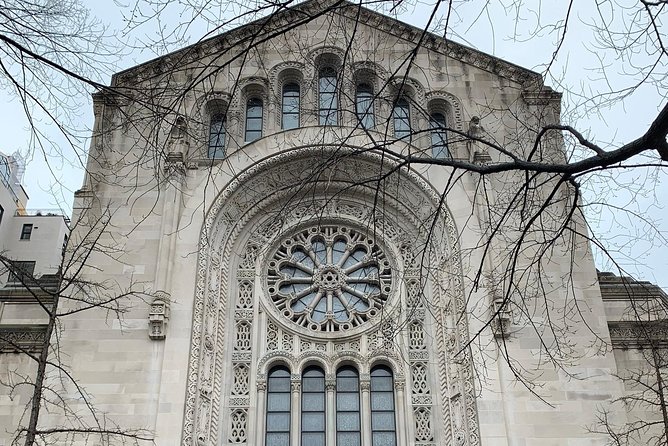
- Temple Emanu-El and the link to the Mrs. Astor social scene, where an invite meant access
- Central Park Zoo area and the surprising idea that wealthy New Yorkers once released exotic pets into the park
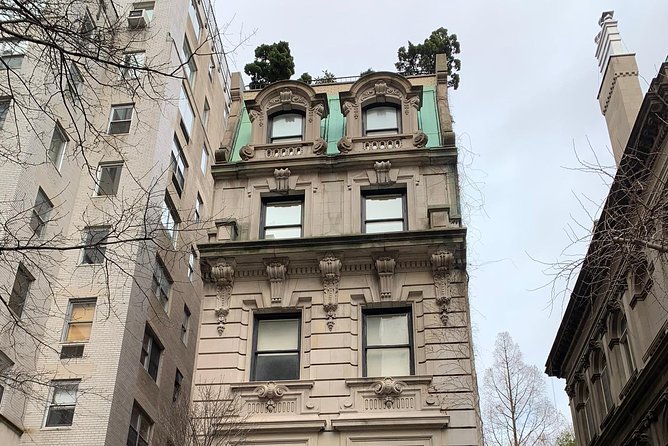
- C.P.H. Gilbert French Gothic revival architecture and how it influenced Manhattan and Brooklyn mansions
- Jacqueline Kennedy Onassis Reservoir for a major skyline view over one of the city’s wealthiest zip codes
What you get from this 5th Avenue and Central Park private walk
This is a straight-forward, no-nonsense private walking tour that tries to do something rare in Manhattan: connect the grand buildings with the park in between. You start near Pulitzer Fountain at 764 Central Park S, then you work your way toward the Jewish Museum area on 5th Avenue at E 92nd St. The whole thing takes about 2 hours 30 minutes, so you get momentum without feeling stuck in one long block of sightseeing.
The tour’s real value is the way it turns big names into street-level understanding. You are not just seeing impressive facades. You are learning why that address mattered, how social status played out in architecture and institutions, and how Central Park fit into the lifestyle of the upper echelon.
Also, it is designed for comfort in the real world. It is offered in English, uses a mobile ticket, and is near public transportation. Service animals are allowed. Most travelers can participate. In other words, you can plan it without it becoming a logistics headache.
You can also read our reviews of more walking tours in New York City


Grand Army Plaza: where the Gilded Age theme starts
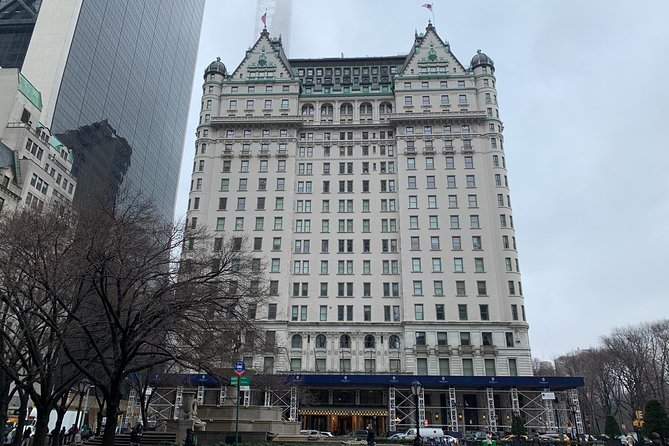
Your tour begins at Grand Army Plaza, introduced as the gateway to the Gilded Age and the moment 5th Avenue became Manhattan’s premier high society address. This is a smart opening because it gives you a mental map before you start meeting monuments and institutions.
Grand Army Plaza is not just a pretty meeting point. It’s a good place to understand the idea that the wealthy didn’t just live somewhere. They demonstrated power in public space, and 5th Avenue became part of that performance.
The stop is about 20 minutes, and that matters. It is enough time to get context, not enough time to lose the thread. If you have even a small interest in how American cities used money and status to reinvent themselves, this opening helps you follow the rest of the route without needing notes.
Temple Emanu-El and the social code behind the mansion era
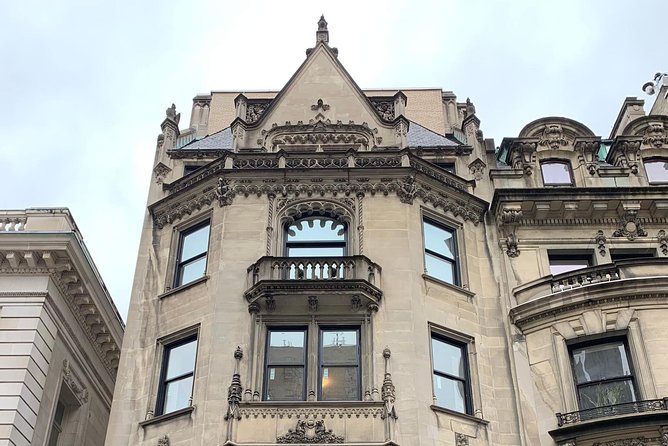
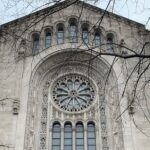
Next up is Temple Emanu-El, described as the largest synagogue in North America. Even if you know New York’s religious history, this stop adds a missing layer. You also connect it to the Mrs. Astor mansion, where an invitation signaled you belonged in the city’s top social circle.
This is one of those stops where you come away thinking differently about what you see. A religious institution can be about worship, yes. But it can also function as a stage for identity, influence, and the social sorting of an era.
The time is about 15 minutes, and the pace keeps it practical. You won’t be stuck in a long lecture. You will likely walk away with a clearer sense of how the city’s elite defined who was in and who was out, and how that shaped the buildings and neighborhoods around them.
If you happen to get a guide like Jonathan or Billy, the tone is described as super informative, fun, and patient. That matters here, because the material is dense, and you want someone who can explain it without rushing past the human side of it.
Central Park Zoo: an old armory and the exotic-pet story
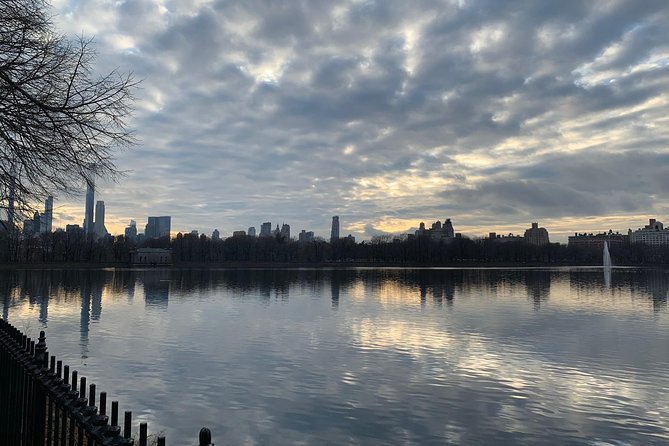
Then you head toward the Central Park Zoo area for a short stop of about 10 minutes. The tour ties the Zoo area to an older structure, described as an old U.S. military armory, included in Central Park’s original design.
That combination is the point. Central Park is not only a park with pretty paths. It has layers, including structures that predate the park’s modern identity. When your guide frames this in under 10 minutes, it’s easier to remember because you’re connecting two ideas at once.
Even more interesting is the second layer: the zoo beginning from exotic pets wealthy 5th Avenue residents set free in the park as they got bored with novelty. The story can sound surprising on first hearing it, but it’s exactly the kind of detail that makes the park feel lived-in and historically specific.
Practical thought: because this is a quick stop, you should treat it as a “look and learn” moment. If you want longer zoo time, plan it separately, because this tour is focused on turning park clues into Gilded Age context.
Alice in Wonderland Statue: a quick reset with a purpose
A 10-minute photo stop at the Alice in Wonderland statue follows. This is the kind of break that keeps a historical tour from feeling heavy.
The guide ties it to the recreational and restorative side of Central Park, which is a key balance against the mansion and power theme. You’re not only learning how the wealthy built status. You’re also seeing how the park fit into the idea of health, leisure, and a mental escape.
This stop is brief, and that’s fine. It’s timed as a pause so you can recharge, grab a photo, and keep moving without losing the tour’s thread.
You can also read our reviews of more private tours in New York City





French Gothic revival architecture via C.P.H. Gilbert
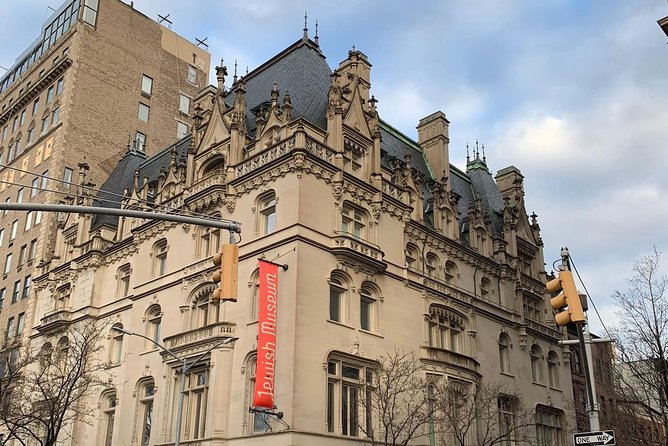
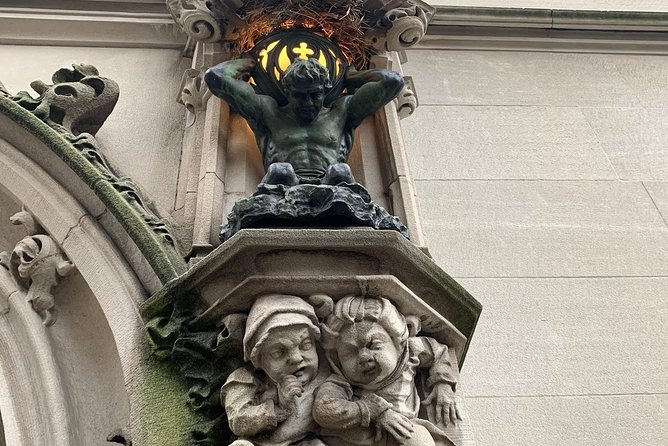
One of the most distinctive parts of the experience is a stop focused on the majestic French Gothic revival architecture associated with C.P.H. Gilbert. The tour highlights how his influence helped shape many mansions across Manhattan and Brooklyn.
Why is this useful to you? Because most people look at ornate buildings and think, pretty. Then they forget it five minutes later. But when you learn what style it is and why it was chosen, you start noticing patterns: pointed forms, dramatic vertical lines, and the way architecture telegraphs seriousness and permanence.
This stop also gives you something practical for street-level observation. After hearing about C.P.H. Gilbert and the style, you are more likely to spot similar details elsewhere along 5th Avenue without needing another guide.
The tour keeps it moving, so don’t expect a long architectural seminar. But you will leave with a new “lens” for what you see in this part of the city.
Modern German and Austrian art stories, including Klimt survival
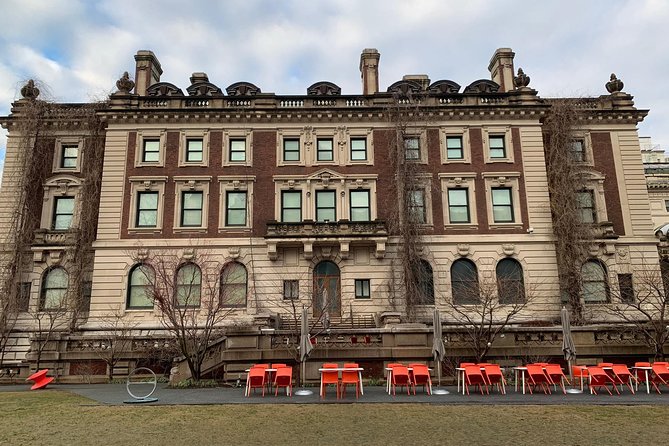
As the route continues, the tour points you toward the modern German and Austrian art collection, with dramatic stories about Klimpt pieces’ survival. This is another moment where the tour does more than point at objects.
The value here is the human story behind the art. Art survival under real-world pressures is not just an art fact. It’s a reminder that culture can be interrupted, hidden, protected, and rebuilt. Even if you are not an expert, this type of context makes you feel like you understand what you are looking at.
One note: the provided details emphasize the story element. They don’t promise a long time inside a gallery. So treat this as an interpretive stop, not a full museum day.
If you are someone who likes history but hates slow pacing, this section is a good match. It aims for meaning over length.
Carnegie’s garden cottage and the Warburg mansion’s 20th century role
The tour also includes an architectural and historical look at Andrew Carnegie’s old mansion, described as a garden cottage for him. It’s a neat contrast to the usual image of Carnegie as purely industrial wealth. The word garden in the description nudges you toward thinking about what money was used for in daily life, not only in public influence.
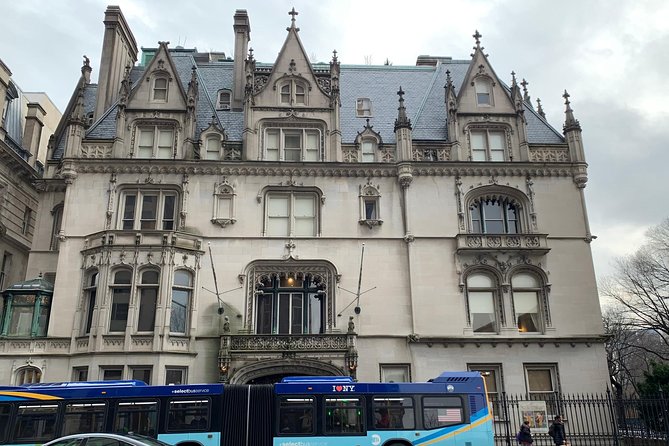
Then there is a stop about the old Warburg Mansion, described as playing a critical role in major events of the 20th century. The phrase “critical role” signals importance, even though the details are not spelled out in the summary you were given. Still, the takeaway is clear: these properties were not just status symbols. They were tied to real turning points.
Why this part works on a walking tour: you are not just learning names. You are connecting the names to places you can stand near. You get a sense of geography, which is a big help in a city where everything seems close on a map but feels far in real memory.
Jacqueline Kennedy Onassis Reservoir: the big view stop you’ll remember
You end with a stop at the Jacqueline Kennedy Onassis Reservoir, included with admission ticket. The time is about 10 minutes, and the reason for the stop is simple: one of the world’s great urban views over one of the city’s wealthiest zip codes.
This is a classic “pause and look” moment. You’ve spent time with mansions, institutions, architecture, and art stories. Now you get to see how the park and the skyline connect, with Central Park acting like the stage between worlds.
Because the stop is short, you should plan your eyes. Look outward first for the panorama, then look for the way the park’s shape frames buildings beyond. A brief view like this sticks because it gives your brain a clean image to store.
Price and group value, what $478.73 really means
The price is $478.73 per group, up to 15 people, and the tour lasts about 2 hours 30 minutes. That means the cost is not really about “you paying for a ticket.” It’s about buying private guiding time and control over the group-only experience.
Here’s how to think about it:
- If you are traveling solo or as a couple, the per-person cost can feel high because you cannot spread it across many people.
- If you can bring 4 people, you are closer to about $120 per person.
- If you can bring 6, it drops to around $80 per person.
- If you fill a larger group, the value improves a lot.
So the best value scenario is when you are either a small group of friends or a family traveling together and you want to reduce the time you spend guessing what to look at.
Also, this tour is short enough that you’re not paying for half a day of wandering. It’s built around meaningful stops, not endless blocks of walking.
Timing, route flow, and how to get the best out of your 2.5 hours
On average, this tour is booked about 12 days in advance. That tells me it is popular, but it also suggests you should not treat it like an afterthought during peak travel weeks.
The route runs from Pulitzer Fountain to the Jewish Museum area. That is a helpful detail because it means you’re likely finishing near a logical next stop for food or additional museum time, without having to backtrack across the park.
The walking is part of the point, but you still get multiple built-in pauses: quick context moments at major landmarks, short viewpoint or photo stops, and then a final reservoir view. If you like tours that feel structured and don’t drag, you’re in the right format.
Bring basic comfort items. Wear shoes you can stand in, and have water if you tend to get thirsty. This is New York, so you will enjoy your day more if you plan for crowds and bright light.
Who should book this tour
This tour is a great fit if you are:
- a history buff who wants the story behind 5th Avenue and Central Park landmarks
- an architecture fan who likes styles, names, and how influence spreads
- someone who prefers private guiding over joining a large group
- visiting for a limited number of days and wants a high signal route
It may not be the best choice if you want:
- a long, slow museum deep dive
- a tour focused only on interior spaces, because the time blocks you were given are short at each major stop
- a budget experience where you want to pay by the person instead of by the group
Should you book this private walking tour?
If you like your Manhattan sightseeing with clear context and a human guide who can explain how status, architecture, and art stories connect, I’d book it. The private setup is the big reason, and the mix of 5th Avenue mansions, Temple Emanu-El, and Central Park viewpoints gives you a cleaner understanding than doing these stops one by one.
If you’re traveling solo, do the math first. This is most worth it when you can spread the group price across enough people to make it feel like a smart, targeted splurge.
FAQ
How much does the tour cost?
It costs $478.73 per group, with a group size of up to 15 people.
How long is the private walking tour?
It’s approximately 2 hours 30 minutes.
Is this a private tour or a group tour?
This is a private tour/activity, so only your group participates.
Where does the tour start and end?
It starts at Pulitzer Fountain, 764 Central Park S, New York, NY 10019, USA. It ends at The Jewish Museum at the corner of 92nd Street and 5th Avenue, 1109 5th Ave & E 92nd St, New York, NY 10128, USA.
What language is the tour offered in?
The tour is offered in English.
Are admissions included at specific stops?
Most listed stops have admission tickets marked as free. The Jacqueline Kennedy Onassis Reservoir stop includes an admission ticket.
Can I cancel for free?
Yes. You can cancel for a full refund if you cancel at least 24 hours before the experience’s start time. If you cancel within 24 hours, the amount paid is not refunded.
Is it accessible to most travelers and are service animals allowed?
Service animals are allowed, and most travelers can participate. The meeting locations are also near public transportation.
More Walking Tours in New York City


More Tours in New York City





More Tour Reviews in New York City




Not for you? Here's more nearby things to do in New York City we have reviewed








More Walking Tours to consider.
 ★ 5.0SoHo, Little Italy, and Chinatown Walking Tour in New YorkTickets from $393,153 traveller reviews
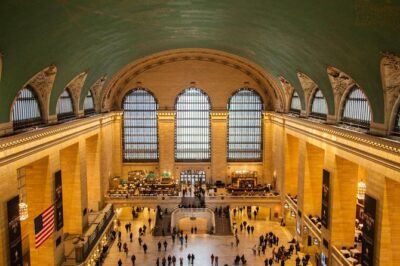 ★ 5.0Secrets of Grand Central Station Walking Tour New York CityTickets from $391,796 traveller reviews
 ★ 5.0Greenwich Village Walking and Food Tasting TourTickets from $941,572 traveller reviews
 ★ 5.0Artistic, Alternative Greenwich Village Walking TourTickets from $39971 traveller reviews
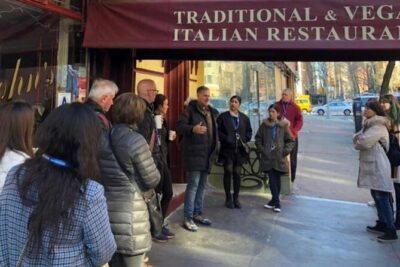 ★ 5.0True Crime NYC: Mafia Walk w/Ret. NYPD Detective and Local FoodTickets from $75848 traveller reviews
 ★ 5.0Central Park Guided Walking TourTickets from $44774 traveller reviews
 ★ 4.6Private Walking Tour with a LocalTickets from $55771 traveller reviews
 ★ 5.0NYC Lower East Side Walking and Food TourTickets from $94646 traveller reviews
More useful New York routes