
Review · HARLEM TOURS
NYC: Contrasts Tour of Harlem, The Bronx, Queens & Brooklyn
Four boroughs, one day. This contrasts tour stitches together Harlem, the Bronx, Queens, and Brooklyn with movie-style photo moments and neighborhood stories that make the city feel less random. You see landmarks like the Cotton Club and Apollo Theater from the street, then head into Bronx neighborhoods where street art is part of everyday identity.
I really like that it connects the big sights to the people and the blocks you would not easily plan on your own. The street-art stops in the Bronx and the choice to end in either DUMBO or Chinatown and Little Italy are two parts that give you actual options, not just “here’s another view.” One drawback to plan around: this tour is not suitable for people with mobility impairments or wheelchair users because of walking and photo stops.
Key highlights that make this route worth it
- Film-famous stops with real neighborhood context, including Joker stairs and Flushing Meadows Corona Park’s Unisphere
- Bronx street art with names and meaning, from the Big Pun mural to the I Love the Bronx artwork
- Queens, right after Manhattan, then you cross into a different New York, including MALBA and the Whitestone Bridge area
- Two endings that change your night, either DUMBO with bridge-and-city views or Chinatown and Little Italy for food
- Air-conditioned vehicle time, so you can move fast between boroughs without wearing out your legs
Why this Harlem, Bronx, Queens, and Brooklyn route feels like real New York
New York has a reputation for being loud, fast, and hard to sort. This tour helps you do the sorting. You travel across four boroughs, but the route is built around contrast, so the shifts feel meaningful, not just scenic.
In Harlem, you start with cultural anchors and classic performance venues you may have heard of but never really understood in context. Then you shift to the Bronx, where you get street-level stories, photo stops, and murals that are tied to local pride and real community memory. After that, Queens changes the pace again. You get to see how multicultural New York works in everyday life, not as a headline.
The best part for me is the balance. You’re not stuck only on famous names. You also stop in places that help you read the city, like the murals and the neighborhood pockets around Queens and Brooklyn.
And yes, there are movie and pop-culture touchpoints. Joker stairs, Fort Apache style imagery from the 42nd Precinct area, and Unisphere at Flushing Meadows Corona Park are all there for the photos. The point is that your guide ties those recognizable scenes to the places themselves, so you leave with something you can actually use: how to look at a street, not just how to pose in front of it.
You can also read our reviews of more tours and experiences in New York City.



Price check: what $39 gets you in four and a half hours
At $39 per person for about 270 minutes, this is strong value if your goal is “see multiple boroughs, understand what you’re seeing, and still have energy left.”
Here’s how that value shows up in real terms:
- You’re paying for guided routing across Harlem, the Bronx, Queens, and Brooklyn, instead of piecing it together with multiple subway rides and guesswork.
- You get scheduled photo stops at major landmarks, so you’re not constantly managing where to stand, how long to stay, or how to make it back before the light changes.
- You’re getting neighborhood explanations, not just landmark checklists. The guide is a big part of that, and the guide experience has been a standout feature in the names people report from past groups, like Estalina or Stalina, Augustine, Frank, Diego, Francisco, and Carlos.
If you only care about seeing a single borough, this may feel like too much travel. But if you want a first-time “map of New York’s differences,” this price is hard to beat.
Getting started in Times Square and settling into the ride
The tour starts around Times Square, with the exact meeting point depending on the option you book. One common start is boarding near the Manhattan Hotel area in Times Square, then rolling north.
Logistically, you ride in an air-conditioned vehicle. The flow goes bus or coach time, then a van segment, then you start hitting the neighborhood windows where you’ll pass big landmarks and stop for photos.
Why this matters: when you’re moving between boroughs, time adds up fast in traffic. Having a guide who keeps the day structured helps you see more than you would if you were winging it on your own.
One practical note: bring a comfortable shoe setup. The tour is built around short walks and photo stops, not a single long walk in one place.
Harlem stops: Cotton Club and Apollo Theater without the confusion
Harlem is where you set the cultural baseline. From the vehicle, you pass the Cotton Club and Apollo Theater areas. Even if you’ve seen the names in books or music history, a good guide helps you understand why these places matter and what they represent in the Harlem story.
This is also where you get your first taste of the tour’s pace. You do not linger for hours. You move, you look, you learn a few key threads, and you keep going. That’s a feature, not a bug, because the day has to cover multiple boroughs.
If you’re the type who likes to linger and read every plaque, you might wish Harlem had more time. But you’re trading that for hands-on contrast elsewhere, especially in the Bronx and Brooklyn.
The Bronx in photos: Joker stairs, Yankee Stadium, and Grand Concourse
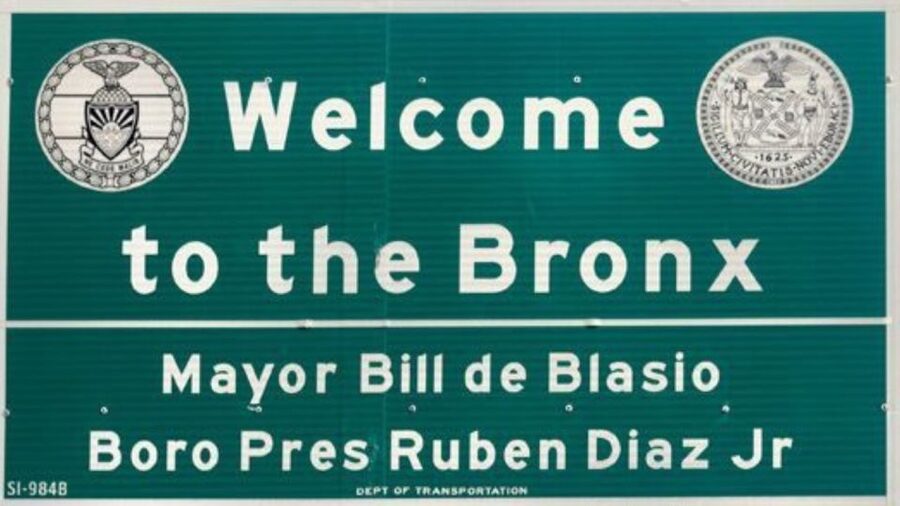
The Bronx is the emotional and visual core of the day. You arrive for several classic photo stops and a guided feel for the streets.
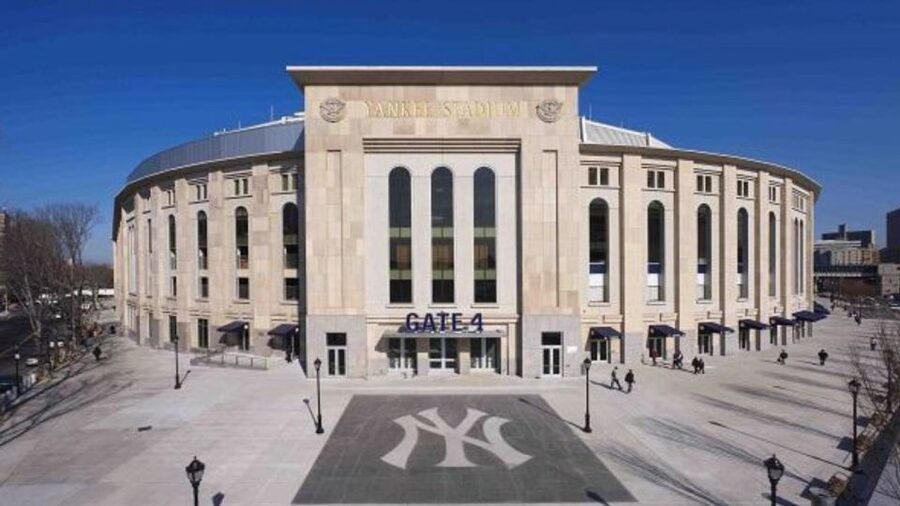
You’ll see the Joker stairs, the kind of recognizable spot that makes people pull out their cameras fast. Next comes Yankee Stadium, with time set aside for photos and a bathroom and break pause. That break is not a small detail. When you’re doing four boroughs in one day, you’ll want a controlled moment to reset.
Then you continue along Grand Concourse and reach the 42nd Precinct area, known from the Fort Apache movie reference. Even if you don’t care about film, this part of the route works because it gives you a sense of how famous scenes and local spaces overlap in the Bronx.
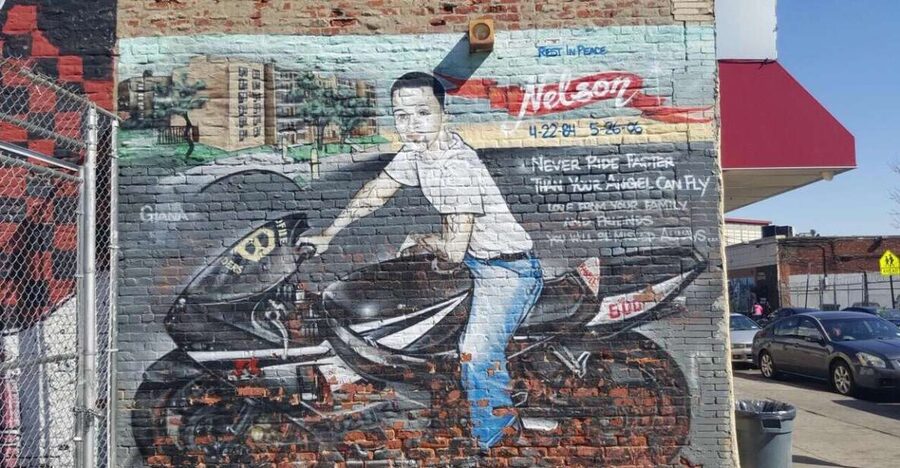
The tour then pushes deeper south into the Bronx for more street-art stops, and this is where the day stops being only about photos. The guide’s job is to explain what you’re looking at and why it’s significant.





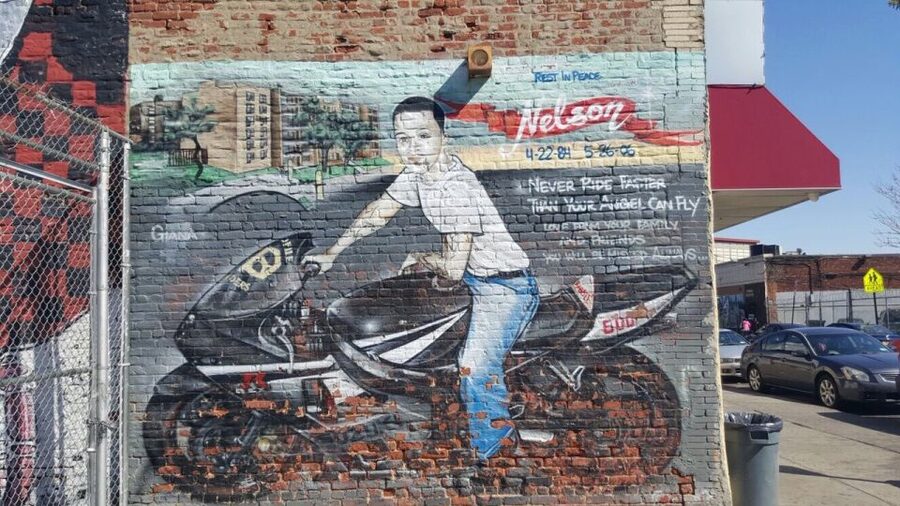
Street art you can read: Big Pun mural and the I Love the Bronx artwork
If you want one reason to book, it’s this part. Bronx street art can look like decoration from a distance. Up close, it becomes a language.
The Big Pun mural is dedicated to Christopher Rios, known as Big Pun. You get a set break time here, with photo stops and time to pause, plus a coffee option nearby if you want one. Since food and drinks are not included, think of coffee as optional, not guaranteed.
Then you stop for the I Love the Bronx mural, connected to Tats Cru, with additional photo time. This mural was created in 1970. That date matters because it frames street art as something older and more rooted than the newest social media trend.
What I like about these stops is that they force a different kind of tourism. Instead of asking, What’s famous here? you start asking, What does this community claim as its identity?
And because you’re in a group with a guide, you’re also more likely to notice details you would otherwise miss. The guide points out the stories behind each piece, so your photos end up meaning more than just a visual background.
Queens meets two different New Yorks: MALBA and the multicultural everyday
Queens is where the tour expands your idea of what “multicultural” looks like. It’s not only a museum word. It’s shops, streets, and the daily mix of people and languages.
You cross the Whitestone Bridge to reach MALBA, a neighborhood that was developed by wealthy boaters and fishermen. Today it’s known for mansion-like homes, which makes MALBA a sharp contrast after the Bronx street art you just saw.
Then you head to Flushing Meadows Corona Park, one of the most famous large parks in Queens. This is the part that connects the movie world to the real world in a memorable way.
If you’re worried that Queens will feel like too much “driving,” don’t be. The tour builds in photo stops and a park walk, so you’re not just viewing through a window.
Flushing Meadows Corona Park: Unisphere, the Mets, and tennis stadium vibes
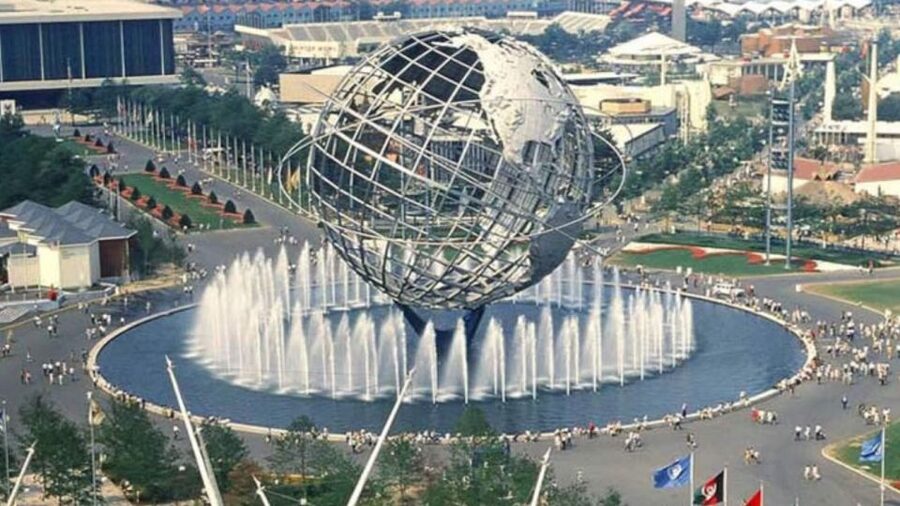
Flushing Meadows Corona Park is where you get the globe photo moment from the movie Man in Black I, thanks to the Unisphere.
The itinerary includes a Unisphere photo stop, plus additional time in the park area. You also pass or see the Mets stadium area and the USTA Billie Jean King National Tennis Center. The tennis center stop is more of a guided and viewing moment from the vehicle and nearby areas than a long stadium tour, but it’s still useful if you want to understand what this park complex is in the city’s sports calendar.
Why this matters: this is a classic New York “one place, many identities” location. People come for sports, events, and daily life. The Unisphere is the easiest recognizable anchor, but you get more than one photo. You get a sense of the park as a hub.
In practical terms, plan on this being one of your easiest stops to enjoy even if the weather isn’t perfect, because the park layout gives you choices for where to stand and frame the globe.
Brooklyn’s Williamsburg Jewish Quarter then two endings: DUMBO or Chinatown and Little Italy
After Queens, you move into Brooklyn, ending in the area most likely to match your appetite for the evening.
You visit Williamsburg, focusing on the Jewish Quarter. This is intentionally a contrast stop after trendy Brooklyn imagery you might associate with TV and film. The point here is to slow down and see a different side of Brooklyn culture through a neighborhood lens.
From Williamsburg, the tour lets you choose your ending.
Option A: DUMBO and bridge views
If you choose DUMBO, you get classic Manhattan Bridge photo energy between buildings. You also have practical food options like Time Out for a good price and Grimaldi’s, noted as the oldest pizzeria in Brooklyn. Since meals are not included, this is about where you can eat next without spending time searching.
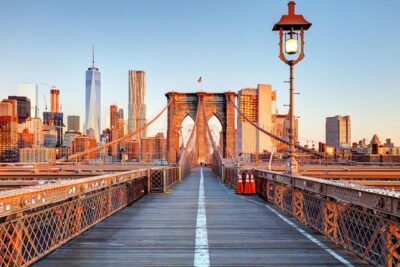
You can also keep walking and cross the Brooklyn Bridge into Manhattan. That adds one more view layer, and it’s a great way to end the day with an iconic panorama, including the Statue of Liberty in the background.
Option B: Chinatown and Little Italy
If you choose the Chinatown and Little Italy ending, the tour route continues toward this area by way of the Manhattan Bridge. Then you’re in one of New York’s most rewarding zones for food and wandering. This option makes sense if you want a dinner plan that you can follow with a simple walk rather than an extra ride.
In both endings, you’re not stuck with a bus drop-off and a dead end. You’re dropped into neighborhoods built for walking.
What to bring, how the day runs, and when plans can shift
This is a photo-forward day. It includes stops that are part guided and part free time, and there are several points where you’ll walk a little to get the right angle.
What to bring:
- Comfortable shoes
- An ID card (a copy is accepted)
Not allowed:
- Pets
- Luggage or large bags
Also keep in mind that the route can be modified due to parades, traffic, or the New York City Marathon. That means if your schedule is tight, it’s smart to leave extra buffer time in case the day runs long.
One more reality check: this tour is not suitable for wheelchair users or people with mobility impairments. It’s designed for people who can handle uneven sidewalks and short walking bursts.
Who this Harlem to Brooklyn contrasts tour is best for
This tour is a great fit if you want:
- A first-day or early-trip overview of how New York changes block to block and borough to borough
- Film-location photos with real context, so the places don’t feel random
- Street-art appreciation that includes the stories behind the pieces
- An ending choice based on what you want for dinner and evening plans
It’s also a smart choice if you do not feel comfortable building a route across multiple boroughs while also trying to learn the cultural meaning behind what you see.
If your trip is short and you already know exactly which subway stops you want, you might feel like you would rather DIY. But if you want the structure and the guide narration, the value becomes obvious fast.
The guide quality seems to be a major driver of satisfaction in the teams people report, including guides like Estalina or Stalina, Augustine, Frank, Diego, Francisco, Juanita, Sara, and Guillermo, plus drivers such as Elvis or Mario. That matters because on this kind of day, you’re paying not just for transportation, but for interpretation.
Should you book this contrasts tour of Harlem, the Bronx, Queens, and Brooklyn?
Book it if you want an efficient, guided way to see real New York beyond Manhattan. For $39, you’re buying a route that touches major neighborhood identities in about four and a half hours, with street-art storytelling and two strong ending options.
Skip it if you need a low-walking day or if mobility is a concern, since the tour is not suitable for wheelchair users. Also skip it if you hate photo stops and prefer slow museum-style pacing, because this route is built for movement and quick looks.
My quick decision guide:
- If you’re curious about how New York differs, yes, book it.
- If your schedule is tight and you can’t handle possible delays from traffic or events, give yourself buffer time or consider a more focused half-day plan.
- If you want your evening to start with either bridge views or a food-walk in Chinatown and Little Italy, the ending choice alone is worth considering.
If this sounds like your kind of day, you’ll get exactly what the tour promises: a contrast-focused map of New York across four boroughs, with enough photos and story to make the city feel like more than a skyline.
More Tours in New York City



More Tour Reviews in New York City
Not for you? Here's more nearby things to do in New York City we have reviewed





More Harlem Tours to consider.
 ★ 4.5NYC Highlights Tour: Bronx, Brooklyn, Harlem, Queens & ConeyTickets from $462,846 traveller reviews
 ★ 4.7Harlem Hallelujah! Gospel Wednesday ConcertTickets from $251,638 traveller reviews
 ★ 4.7Harlem Gospel Live Music ConcertTickets from $281,479 traveller reviews
 ★ 4.0Harlem Sunday Morning Gospel TourTickets from $85995 traveller reviews
 ★ 4.04-hour Harlem Gospel Tour in New York CityTickets from $79935 traveller reviews
 ★ 3.9Harlem: Central Harlem Sunday Gospel with LocalsTickets from $25499 traveller reviews
 ★ 4.3Sunday Harlem Gospel Guided TourTickets from $89438 traveller reviews
 ★ 5.0The Birthplace of Hip Hop Harlem and The BronxTickets from $95428 traveller reviews
More useful New York routes