

Review · NEW YORK CITY TOURS
Before Stonewall Secret Gay History of New York City
Stonewall is only half the story. On this 2-hour LGBTQ history walk, I like the direct line from the Sip-Ins to the Stonewall Inn, and I like the way the guide builds context in natural stops, not lectures. You get a smart, human sense of what changed, and how quickly the neighborhood became a symbol.
The main drawback is also the obvious one: this is a walking tour with no car included, so you should dress for weather. The route has breaks, but you will still be outside for most of the 2 hours.
Key Highlights to Know Before You Go
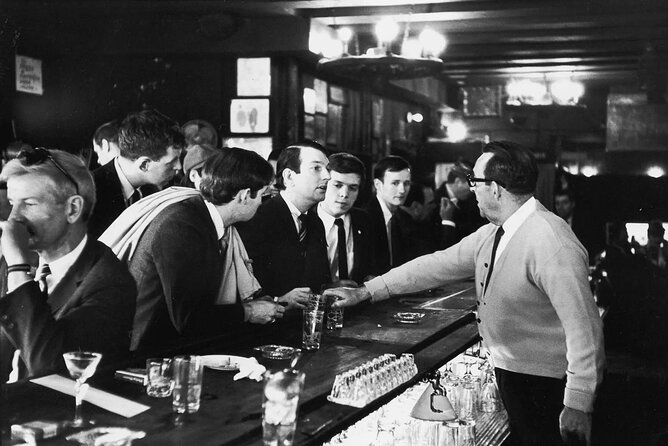
- Sip-Ins first, then Stonewall, so you see activism before the headline moment
- National Landmark stop at Stonewall Inn, with the extra detail about mob ownership
- A park built for community, a reminder that history happened in public spaces too
- Neighborhood streets that used to host secret life, now full of modern comedy and music
- Small group size up to 25, which helps the guide pace the stories
- Stops end near food, including gelato or ice cream right after the walk
Start at 640 Broadway, End at Julius’ Bar
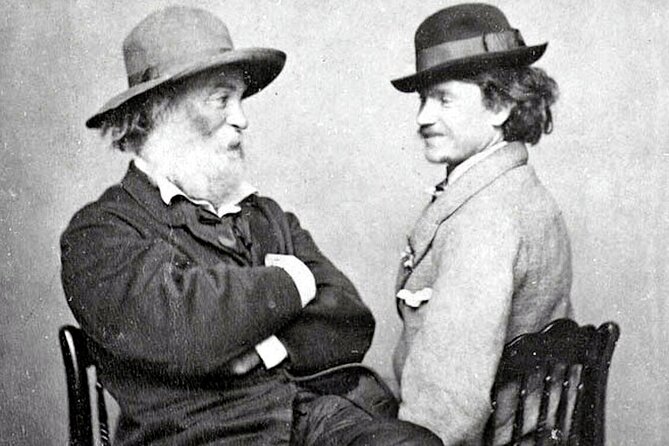
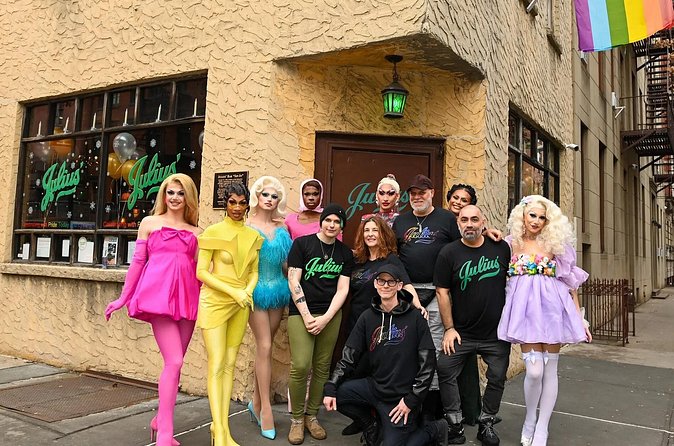
This tour is set up for a smooth neighborhood loop, starting at 640 Broadway in the New York City area and ending at 159 W 10th St, at Julius’ Bar. The listed start time is 11:00 am, and you are looking at about 2 hours total. That makes it a good move if you want LGBTQ history without losing half a day to logistics.
I also like the pricing and format. $39 per person is a reasonable ask in a city where many guided walks cost more once you add the licensing, the guide time, and the special route. Plus, you get a mobile ticket, so you can keep things simple and not dig for paper.
One practical point: it is offered in English and capped at 25 travelers, so it should feel like a real group walk, not a mass event. And since it is near public transportation, you can usually plan your day without needing a car.
You can also read our reviews of more city tours in New York City



Stop One: The Bar Behind the Sip-Ins
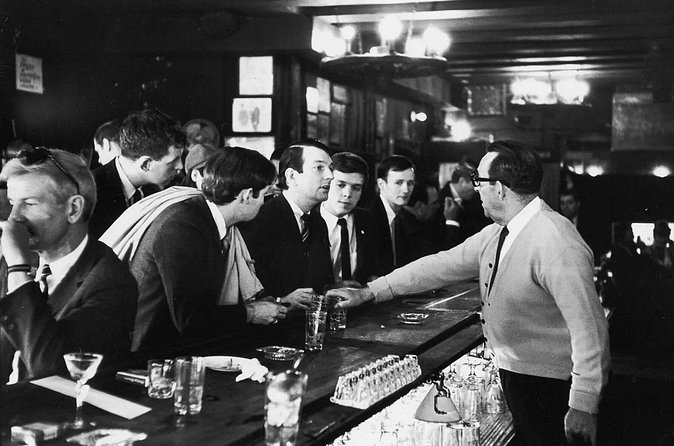
The tour begins with a popular LGBTQ bar tied to the Sip-Ins, an earlier wave of protest that predates Stonewall. This is the part I love most, because it changes how you understand the neighborhood. You are not starting at the riots, you are starting at the friction, the rules, and the everyday pushback.
The guide frames it around service laws in bars and restaurants that affected LGBTQ patrons. The point is not just that people were brave, it is that people were organized enough to challenge how the system worked. When you stand at a place like this, the story feels less like a distant historical headline and more like something that grew out of repeated, uncomfortable moments.
A small consideration: you may only have a quick window at each stop. If you love deep museum-style pacing, the value here is that you get a guided orientation fast, then you can follow up later on your own.
Stop Two: Stonewall Inn, National Landmark, and the Mob Detail
Next comes the 1969 Stonewall Riots location, centered on Stonewall Inn. Today it is a well-known LGBTQ bar and a National Landmark, and the tour uses that contrast to explain why the site became so important. It is both a place to gather and a place that holds the memory of a sudden, public breaking point.
One detail that adds spice to the story is the mob connection, yes, the mob owned it. That may sound like a sidebar, but it actually helps you understand the setting. LGBTQ spaces often had to operate in a world of rules, risk, and shadow economies. The guide’s focus keeps the lesson grounded: the riots were not random chaos, they were fueled by long tension and the reality of how venues functioned.
If you already know the basic Stonewall timeline, you will still likely get something new from the way the guide connects Stonewall to what came right before it. That Sip-Ins start makes this stop land harder.
Park Stop: Where LGBTQ Life Finds a Public Meeting Place
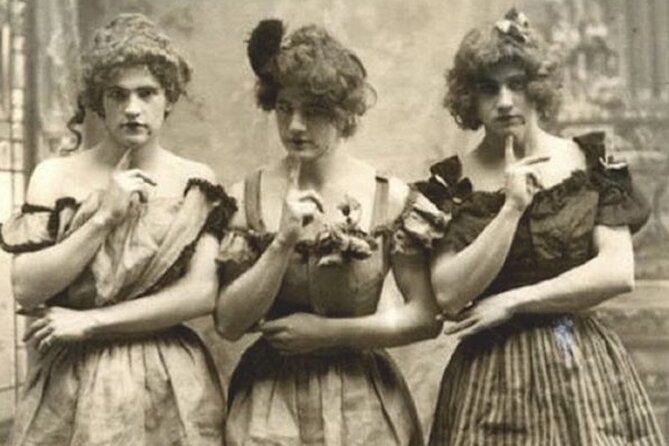
After Stonewall, the route shifts to one of NYC’s most popular parks, described as a center of LGBTQ life and community. This is a smart change of pace. Riots are intense, and a park gives you a breath of context: community needs space, not only headlines.
I like how this stop helps you see that LGBTQ history was not only about confrontation. It was also about belonging, hanging out, and building networks in the open. When the guide points out the park’s role as a community center, you get a wider lens on visibility, not just protest.
The tradeoff is simple. A park stop means less “specific building” detail than the bar locations. Still, it works as a reset for your eyes and for your brain before you move into the street-level visibility themes.
The Main LGBTQ Thoroughfare: Visibility You Can Walk Through
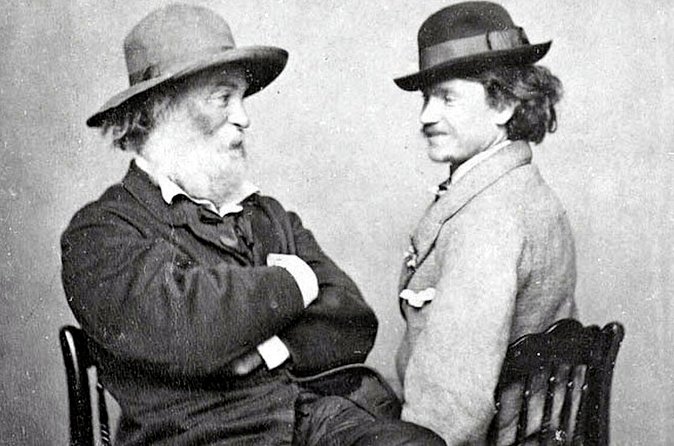
The tour then moves along the main thoroughfare of LGBTQ visibility in New York City. This is the kind of stop that feels like a living part of the story. Instead of asking you to imagine what the area looked like, you can look around now and understand how visibility works in a city that never stops watching itself.
The guide uses this area to connect past struggles to what you can sense today. It is not just about who fought. It is about where people chose to be seen, and how streets turned into signals. That street-level framing is useful if you are new to the neighborhood, because it helps you orient your future walks.
For some people, this stop is the most fun. For others, it can feel a bit more general than the highly specific riot and bar locations. If you are the type who wants exact dates nailed to a wall, lean into the guide’s storytelling and then plan to do your own reading afterward.
You can also read our reviews of more historical tours in New York City





From Secret Speakeasies to Comedy Clubs and Cafes
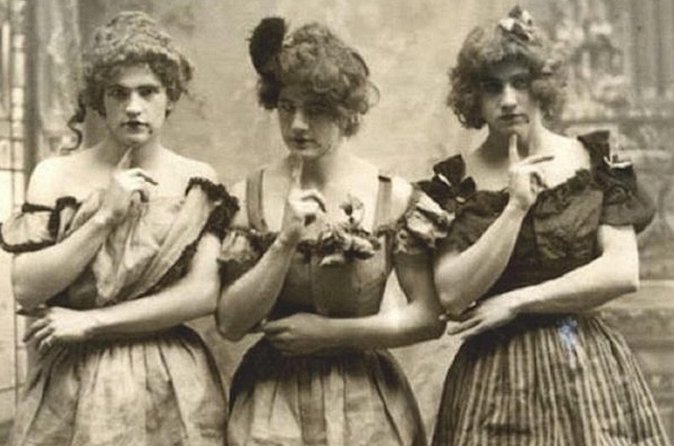
The final stretch brings you to a street once filled with secret speakeasies and tearooms catering to the LGBTQ community. Today, it is one of the most popular streets for comedy clubs, cafes, music venues, and quick bites. I love this kind of contrast because it shows how neighborhoods evolve without erasing their earlier purpose.
This stop is about reading the present with historical instincts. You are standing in a modern nightlife zone, but the guide asks you to notice what the area was built to support, even when people had to hide. That helps you understand the shift from secrecy to publicity as a long process, not a switch.
One warning for expectations: the tour is not a time machine. You will not see hidden doors or secret menus from the past. The value is the interpretive lens, not literal artifacts.
How the 2-Hour Format Keeps the Stories Moving
At about 2 hours, the pace is built around short story bursts and enough pauses to absorb what you are seeing. One review I kept thinking about mentioned that the guide creates longer moments of pause for history while still keeping walking from feeling excessive. That is exactly the balance you want for a story-heavy tour.
Group size matters too. With a cap of 25 travelers, you usually get a more conversational flow than you would on a bigger bus tour. It also helps the guide adjust timing if questions start popping up.
Your comfort will depend on the day. The reviews included a bitter-cold experience where the guide’s tablet died, and they used a phone to access the photos and information. That is a great reminder to plan for cold weather. Bring layers you can move in, and expect that tech can struggle when temperatures drop.
Licensed Guides, Smart Storytelling, and a Little Whimsy
This tour includes an expert licensed tour guide, and the difference shows up in how stories are told. In the feedback, I saw praise for guides like Patrick and Percy, both described as strongly knowledgeable with a balance of serious history and light humor.
One detail stood out: the guide was able to answer questions even when the neighborhood layout makes strict chronological storytelling hard. That is a real challenge on walking tours, because streets don’t arrange themselves by year. The way the guide handles it is part of the value, because it keeps the history understandable instead of messy.
You may also get extra context that goes beyond the planned stops. One review noted an added explanation about the history of a gay bookstore even though it was not part of the official tour route. That is one of the best parts of a small-group guide-led walk, when the guide has room to respond to curiosity.
The End at Julius’ Bar: Bookstore Echoes and a Snack Nearby
The tour ends at Julius’ Bar on West 10th. Reviews highlighted that the stop is near where a gay bookstore used to be, though that shop is no longer there. It is a reminder that LGBTQ spaces shift and change, even when the community story stays anchored in the area.
The same ending stretch includes a snack option. One review mentioned the tour ends near a gelato or ice cream shop, which is a practical perk if you worked up an appetite during the walk. I also liked the idea of using this as a built-in decompression moment. You finish your history walk, then grab something sweet and wander a bit longer.
And yes, you might notice the guide getting a bit whimsical at the end. One review mentioned a guide’s show-and-tell moment involving a meat rack, the kind of small humor that keeps the tone human instead of solemn.
Price and Value: Is $39 a Fair Deal Here?
For $39, you are paying for more than just “someone to walk with you.” You are paying for a licensed guide, a tight route, and story pacing that connects several different eras of LGBTQ life in the same neighborhood.
You are also getting value in the starting point. Many history tours jump straight to the big headline event. This one starts earlier with the Sip-Ins. That means you leave with a fuller story of cause and effect, not only the dramatic aftermath.
What you should budget mentally: the tour does not include private transportation or an air-conditioned vehicle. So if you hate walking outside in hot or cold weather, this is not the tour to solve that. But if you are okay with a neighborhood walk, the price looks fair for the quality and structure.
Quick Practical Tips Before You Book
Here are the small things that can make or break a walking tour like this.
- Wear warm layers if the weather is cold. One guide used a phone when a tablet stopped working, so tech can be less reliable in low temps.
- Bring your own power. You might want your phone for photos, notes, and navigation before and after the tour.
- Plan a short follow-up detour. A review strongly encouraged doubling back to see the Stonewall Inn Visitor Center, described as gorgeous with apparel for purchase. Even if you only spend a bit of time, it helps you turn the tour into a longer visit.
Also, because the average booking happens about 6 days in advance, it is smart to grab a spot if your dates are tight. Small-group tours can sell out.
FAQ
How long is the tour?
It runs for about 2 hours.
Where does the tour start and end?
It starts at 640 Broadway, New York, NY 10012, and ends at Julius’ Bar, 159 W 10th St, New York, NY 10014.
What is the price per person?
The price is $39.00 per person.
What is included in the ticket?
The tour includes an expert licensed tour guide.
Is the tour in English?
Yes, it is offered in English.
Can I get a full refund if I cancel?
Yes, you can cancel up to 24 hours in advance for a full refund. If you cancel less than 24 hours before the start time, the amount you paid will not be refunded.
Should You Book This Stonewall Secret Gay History Tour?
I think you should book if you want LGBTQ history that goes beyond the Stonewall headline. The Sip-Ins start makes the whole story feel more complete, and the Stonewall Inn stop adds a memorable layer with the mob ownership detail. Add in a small group size, a licensed guide, and an ending near food, and it becomes a practical way to spend part of your day in the West Village.
I would skip it if you want mostly indoor stops or if you strongly dislike outdoor walking, since there is no transportation or air-conditioned vehicle included. But if you can handle a neighborhood walk, this is one of the better ways to build real context fast.
More Historical Tours in New York City
More City Tours in New York City



More Tour Reviews in New York City




Not for you? Here's more nearby things to do in New York City we have reviewed







More New York City Tours to consider.
 ★ 4.7SUMMIT One Vanderbilt TicketsTickets from $4751,195 traveller reviews
 ★ 4.7Empire State Building Tickets – Observatory & MuseumTickets from $4725,757 traveller reviews
 ★ 4.6Statue of Liberty & Ellis Island with FerryTickets from $1918,683 traveller reviews
 ★ 4.5American Museum of Natural History TicketTickets from $3715,447 traveller reviews
 ★ 5.0New York in One Day Guided Sightseeing TourTickets from $9913,166 traveller reviews
 ★ 4.6Museum of Modern Art (MoMA) Entry TicketTickets from $3012,540 traveller reviews
 ★ 4.7One World Observatory Skip-the-Line TicketTickets from $3012,329 traveller reviews
 ★ 4.7New York CityPASS®: Save up to 41% at 5 Top AttractionsTickets from $15410,548 traveller reviews
More useful New York routes