
Review · CENTRAL PARK TOURS
Central Park: Bethesda Terrace, Strawberry Fields, Bow Bridge
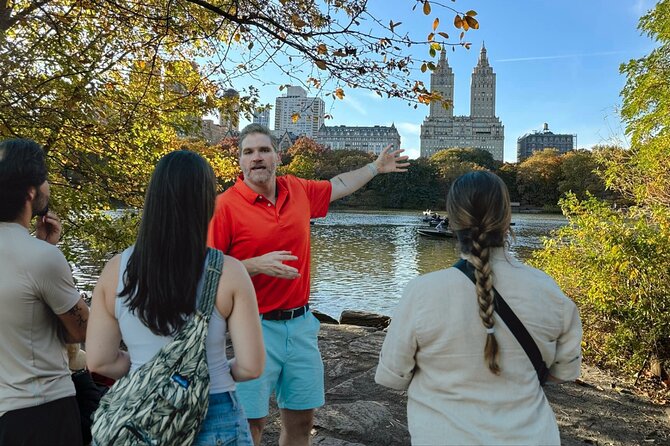
Central Park can feel like a maze, until someone points the way. This small-group walk helps you take in the key landmarks without wandering for hours, and you get plenty of photo stops along the route. It is a smart way to see the park’s most iconic corners while someone explains what you are looking at.
I really like the tight cap of 15 people, which keeps the pace friendly and the stories personal. And I also love that this tour ends at Strawberry Fields, so you finish on a quiet, reflective note instead of just looping back to where you started. One thing to consider is that a couple stops depend on conditions, like whether you can reach Sheep Meadow when the park is crowded or the weather is rough.
Key highlights you will actually notice
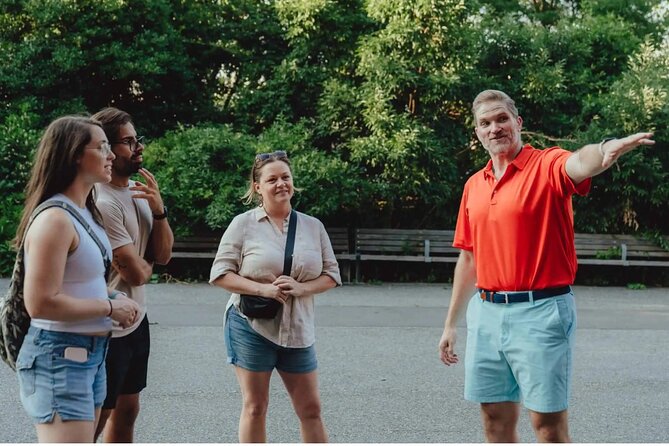
- 15-person max keeps the walk from feeling rushed or crowded
- 14+ photo stops built into the route, not tacked on at the end
- Bethesda Terrace and Angel of the Waters explained with what to look for
- Bow Bridge and Cherry Hill set up for classic views over the lake
- Strawberry Fields (John Lennon Memorial) as a calm, meaningful finish
- Morning timing (9:30 am start) leaves the rest of your day open
Why this Central Park walk is worth paying for
Central Park is free, technically. But your time is not. What you pay for here is a guide who helps you understand the park’s design and the stories behind its famous scenes, plus a route that gets you from Grand Army Plaza to Strawberry Fields without turning your day into a navigation test.
The price is $39 per person, and the tour runs about 3 hours total (with roughly 2.5 hours of walking). For me, the value comes from the combination of structure and interpretation. You can absolutely wander on your own, but it is easy to miss the details that make Bethesda Terrace or the Bow Bridge area feel so cinematic.
Another practical win: this is a morning tour that starts at 9:30 am. You will likely finish before midday, which means you can plan other NYC priorities later, from museums to skyline views, without spending your whole day in park mode.
You can also read our reviews of more tours and experiences in New York City.



Meeting at Grand Army Plaza, then getting your bearings fast
The tour begins at Grand Army Plaza, right at the southeast corner of Central Park. This matters because it is a natural gateway, surrounded by major streets and landmark buildings. You get the context for where the park sits in the city, and you stop thinking of Central Park as one big blob of green.
From there, you ease into the park’s core sights at a walking pace that feels doable even if you are not a daily walker.
Stop 1: Grand Army Plaza
This is the “front door” of the park and a great place to start, because the scale becomes obvious immediately. The buildings around you help you understand why Central Park feels like a pause button in midtown and how visitors funnel in.
Stop 2: The Pond at Central Park (Duck Pond)
You head toward the Duck Pond area for a calmer beat. This stop gives you an instant contrast to the city noise: trees, water, and wildlife. Even if you are not there for photos, it helps your brain switch modes from city touring to park strolling.
Stop 3: Wollman Rink
You pass Wollman Rink, which is a familiar Central Park reference point. Depending on the season, you might catch skaters or just see the rink as an active part of park life. Either way, it is a useful waypoint because it tells you how Central Park supports everyday recreation, not just sightseeing.
Stop 4: The Dairy Visitor Center and Gift Shop
This is a short stop with an architectural focus. The Dairy visitor center is housed in a Gothic-style building, and the guide’s commentary helps you see beyond the surface. The gift shop part is optional, but the architecture is the point.
From games and carousels to wide lawns and quiet paths
This middle stretch keeps the mood light. You get fun landmarks, plus the beginnings of the park’s more contemplative areas. It is a good section for people who want both “wow” moments and a little breathing room.
Stop 5: Chess & Checkers House Visitor Center
Nearby, the Chess and Checkers House adds a playful angle to your Central Park experience. It also makes a good contrast to the grandeur ahead, because it is about everyday recreation and small interactions, not monuments.
Stop 6: Central Park Carousel
The Michael Friedsam Carousel is one of those stops where you instantly understand why kids love it and why adults remember it. The horses and the history add charm, and the guide’s framing helps you appreciate it as a landmark, not just a ride.
Stop 7: Sheep Meadow (if conditions allow)
Sheep Meadow is a classic open lawn with skyscraper views around it. This is one of the reasons I like taking a guided route: you get a stop at an iconic viewpoint, but you also avoid guessing whether you are in the right area. One consideration, though, is that this stop is conditional. If conditions do not cooperate, you may have to skip or shorten the time there.
Stop 8: The Mall and Literary Walk (Poet’s Walk)
Here you transition into the “designed for walking” side of Central Park. The Poet’s Walk has elm trees and literary-inspired benches, so the vibe shifts from open lawn to shaded, reflective paths. If you like details, this is the kind of stop where a guide’s stories make the setting feel more intentional.
Enter Bethesda Terrace, the park’s stage set
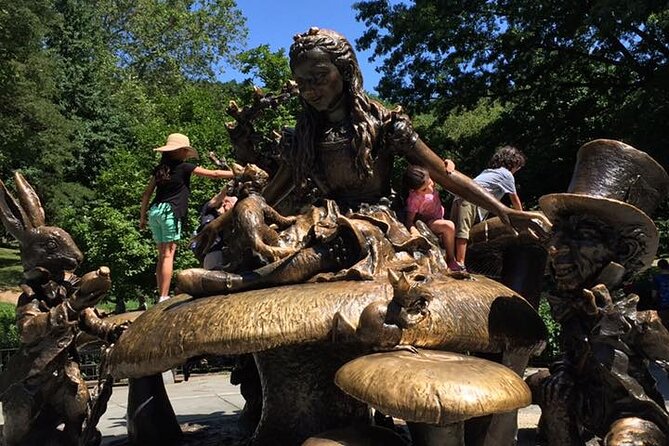
If you care about Central Park photography, this is the heart of it. Bethesda Terrace is dramatic in a way that can feel almost like a movie set, and you will get more out of it when you know what you are looking at.
Stop 9: Bethesda Terrace
You arrive at the grand Bethesda Terrace and the Angel of the Waters Fountain. This is not just a pretty backdrop. With the guide’s commentary, you learn what makes the architecture and placement significant, and you get a better read on why it works as a central meeting point for the whole park.
Practical note: Take a moment to look outward from where you stand, not only at the fountain. The terrace is meant to connect multiple views, so you want to include the surrounding lake and pathways in your mental picture.
Stop 10: Alice in Wonderland Statue
Next is the Alice in Wonderland Statue. It is whimsical, but it also functions like a “character moment” in the park’s storytelling. You see the White Rabbit and the Mad Hatter figures nearby, and it is a fun breather between grand architecture and the romantic lake views ahead.
Stop 11: Central Park Boathouse (Loeb Boathouse area)
You pause by the Loeb Boathouse area for a lakeside look. Rowboats and meals with views are part of the area’s draw, but even if you do nothing here but look, it helps you understand Central Park’s water as a central element, not just scenery.
The woods of The Ramble, then the lake views you came for
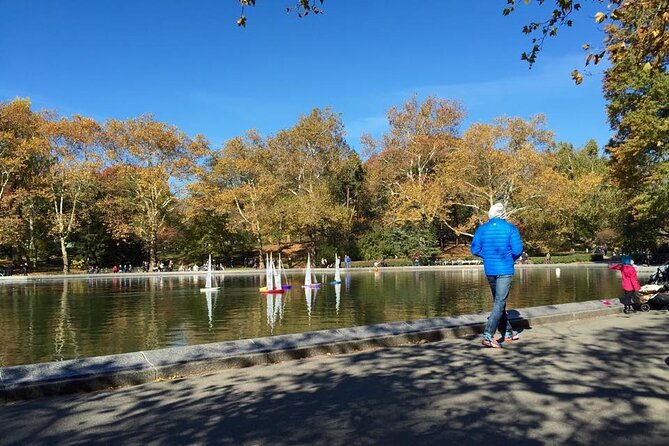
After the terrace and lakefront moments, you step into a quieter pocket. The route does a nice job of balancing “big landmarks” with small escapes.
Stop 12: The Ramble
The Ramble is a wooded haven with winding paths and tranquil streams. This is the part of Central Park that feels least like Manhattan and most like a natural pause inside the city. If you care about birdwatching or just want fewer crowds around you, this stop makes a lot of sense. Even in a short visit, it changes your sense of what the park can feel like.
Stop 13: Bow Bridge
Then it is time for the classic shot. Bow Bridge is one of Central Park’s most photographed spots for a reason: the cast-iron bridge arches over the lake and looks especially elegant from the right angles. The guide’s commentary helps you time your photos, and also helps you appreciate the engineering and design behind the romance.
Stop 14: Cherry Hill
Cherry Hill is the panoramic follow-up. It gives you wider views of the lake and Bow Bridge area, and it is known for cherry blossoms in spring. Even if you are not in blossom season, the viewpoint is still worth it because it shows you how the landscape is framed for looking, not just for walking.


Finishing at Strawberry Fields, a calm sendoff
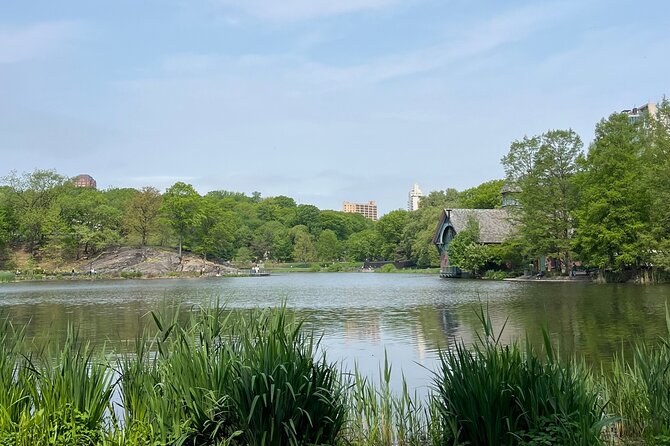
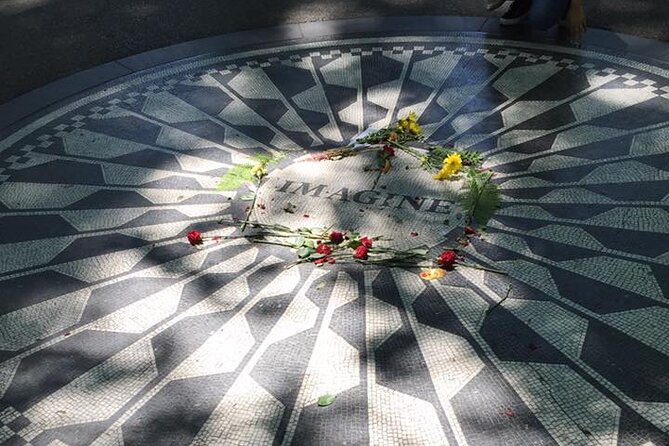
The tour ends at Strawberry Fields, the John Lennon Memorial. This is a smart finishing point because the energy drops after the bridge-and-views segment. You are not pushed to rush into the next thing. You get time to stand there, take in the Imagine mosaic, and process it as a tribute space.
Stop 15: Strawberry Fields (John Lennon Memorial)
The Imagine mosaic and the surrounding calm make this feel like a reflective conclusion. It is also a great place to reset before you head back into the city, grab a coffee, or tackle whatever is on your afternoon plan.
What the small-group format changes for you
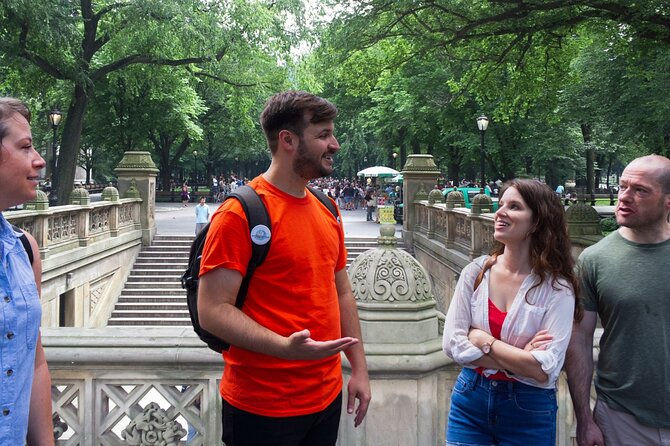
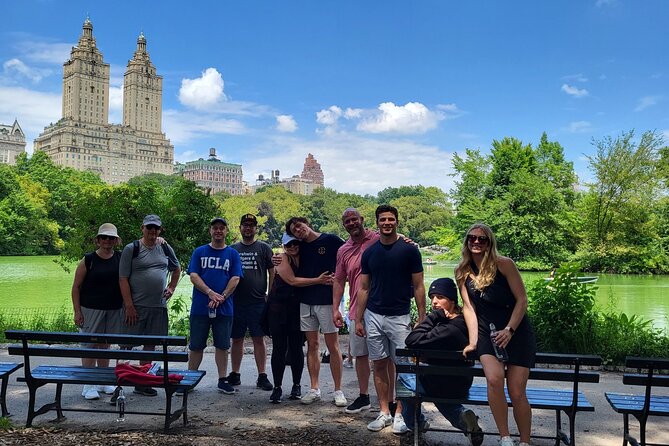
A cap of 15 travelers is a bigger deal than it sounds. With fewer people, the guide can keep the group together without shouting, and you can ask quick questions without feeling like you are holding everyone up. It also tends to mean the stops feel less like checkboxes and more like short, guided moments.
The tour also includes 14+ photo stops. That matters because a lot of walking tours include a few photo pauses, then move on fast. Here, the route is designed so you are expected to stop, frame shots, and listen while you wait your turn.
Season and timing tips, so you do not waste the morning
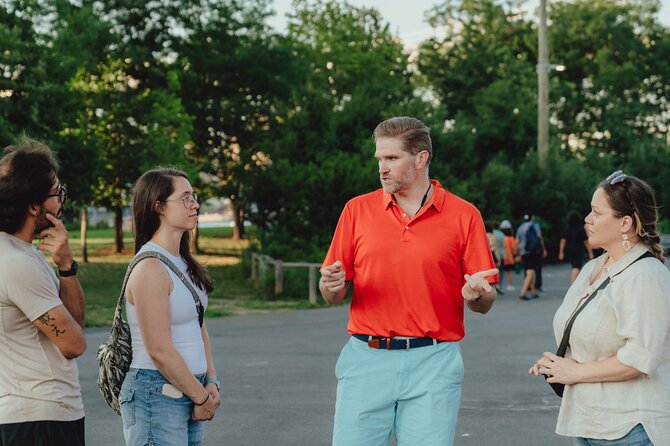
This tour starts at 9:30 am. In practical terms, that is a good time to be in Central Park before you face the heaviest crowds. It also helps your photos, because the light tends to be more forgiving earlier in the day.
A couple stops are season-sensitive or condition-sensitive:
- Wollman Rink may show skaters depending on the time of year.
- Sheep Meadow visit is marked as conditional, so keep expectations flexible if the park is busy or weather is acting up.
If you want the most from the “views” segment, wear shoes that handle walking on uneven paths. The itinerary includes bridges, lakeside areas, and wooded paths, and you will enjoy the stops more if your feet are happy.
Value check: is $39 a good deal?
Let’s be honest. Central Park is free to enter. But what you are buying is the guided route plus live commentary, and you are paying for someone to connect the dots between the park’s design and the scenes you recognize from photos and movies.
For $39, you get:
- Live commentary from a local professional guide
- A guided walk through Central Park highlights
- 14+ photo stops built into the schedule
- A structured route that starts at Grand Army Plaza and ends at Strawberry Fields
If you would otherwise spend part of your morning trying to plan an efficient path, this becomes a time-saver. If you like history and design, it also becomes a meaning-saver, because you will look at Bethesda Terrace and Bow Bridge with more clarity than you would on a solo stroll.
And if you already know some NYC facts, the guide’s stories still help. Even if you have been to the city before, Central Park has details that do not register until you hear why they were placed where they are.
Who should book this tour?
Book it if you:
- Want an efficient way to see the park’s top-name sights in one morning
- Prefer a small-group experience over a crowded bus vibe
- Like photo stops but also want explanations, not just snapshots
- Would rather end at Strawberry Fields than backtrack the entire park
It is also a nice fit if you are a first-time NYC visitor. You get orientation fast, which helps the rest of your trip feel less chaotic.
Quick FAQ for planning
FAQ
How long is the Central Park tour?
The tour is about 3 hours total, with roughly 2.5 hours of guided walking.
What time does the tour start?
The start time is 9:30 am.
Where does the tour start and end?
It starts at Grand Army Plaza, New York, NY 10019, and ends at Strawberry Fields, New York, NY 10023.
What is the price per person?
The price is $39.00 per person.
What is the group size limit?
This tour has a maximum of 15 travelers.
Is the ticket mobile?
Yes, you get a mobile ticket.
Are there admission fees for the stops?
The tour stops shown have admission ticket free, so you are not paying separate entry fees at those points.
What does the tour include?
It includes live commentary from a local professional guide, a guided walk through Central Park highlights, and 14+ photo stops.
Is free cancellation available?
Yes. You can cancel up to 24 hours in advance for a full refund.
Is the tour near public transportation, and can I bring a service animal?
It is near public transportation, and service animals are allowed.
Should you book this Central Park experience?
I think you should book it if your goal is to see Bethesda Terrace, Bow Bridge, and Strawberry Fields with less guesswork and more payoff. The $39 price makes sense when you factor in the small-group cap, the built-in photo stops, and the fact that you get live commentary for the places that matter most.
If you already have a personal game plan for Central Park and you love wandering with zero structure, you might skip a guided walk. But if you want your morning in the park to feel smooth, meaningful, and photo-ready, this one is a strong choice.
More Tour Reviews in New York City
Not for you? Here's more nearby things to do in New York City we have reviewed






More Central Park Tours to consider.
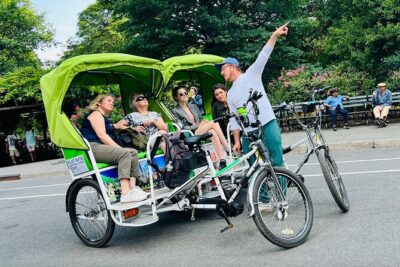 ★ 5.0Central Park Pedicab Guided ToursTickets from $387,108 traveller reviews
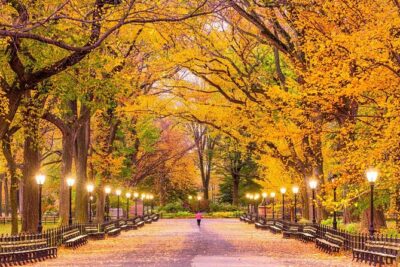 ★ 5.0Private Central Park Pedicab TourTickets from $386,981 traveller reviews
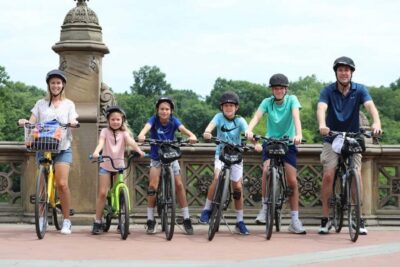 ★ 4.2Central Park Bike RentalsTickets from $92,528 traveller reviews
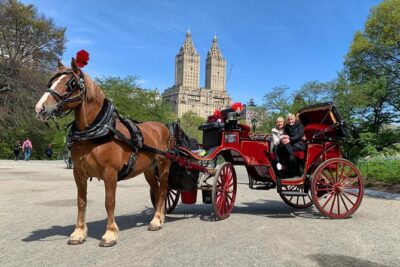 ★ 5.0Official NYC Horse Carriage Rides in Central Park since 1979 ™Tickets from $992,365 traveller reviews
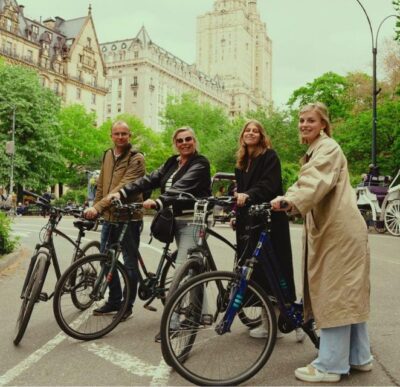 ★ 4.1Central Park Bike RentalTickets from $81,651 traveller reviews
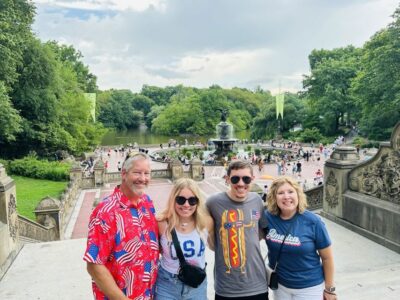 ★ 4.9Private Central Park Pedicab TourTickets from $401,637 traveller reviews
 ★ 4.7Central Park Bike RentalTickets from $91,509 traveller reviews
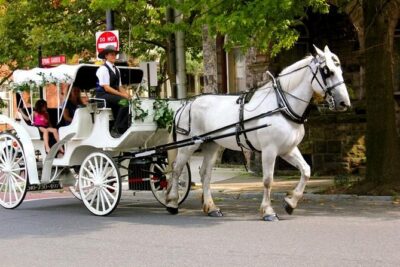 ★ 4.0Carriage Ride in Central Park (VIP – PRIVATE) Since 1964™Tickets from $141,074 traveller reviews
More useful New York routes