
Review · CENTRAL PARK TOURS
Central Park Bike Tour
Central Park is bigger than you think. In just about two hours, this guided bike ride stacks in iconic sights, quick history lessons, and lots of photo-friendly stops without turning your day into a full-time project. You pedal through some of the park’s most recognizable corners, with time to pause and look up.
I love the small group size, which keeps things calm and lets you ride at your comfort level instead of getting swept along. I also love the photo-forward route, from Bethesda Fountain to Strawberry Fields, so you’re not scrambling later trying to remember where you were.
One possible drawback: it’s built around a 2-hour loop with frequent stops, so if you want a long, uninterrupted ride or hours of downtime in one spot, this may feel a bit time-scarce.
Key things to know before you book
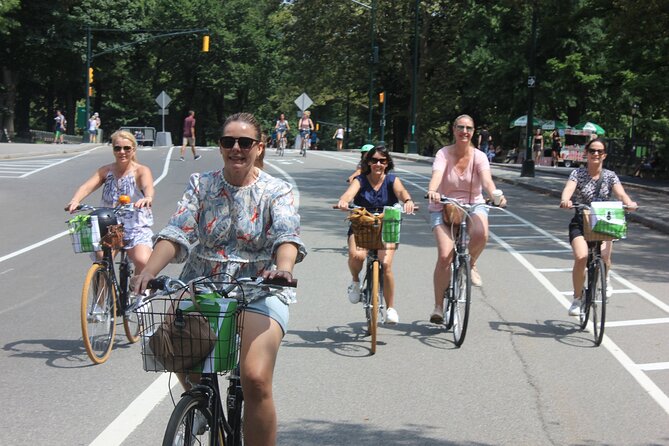
- Max 10 travelers makes the ride feel personal, not like a cattle-call.
- Bike, helmet, guide, and photographing included means you pay once and get moving.
- Bethesda Fountain, Bow Bridge, Belvedere Castle, and Strawberry Fields are all on the route.
- Free photo stops often beat waiting lines at major viewpoints.
- Family-friendly pacing, with a guide who can adjust to kids and group interests (Ricky is a standout name from past groups).
- Morning schedule leaves the rest of your day open for museums, snacks, or another neighborhood.
Why this Central Park bike tour works so well in 2 hours
Central Park can eat your day. One minute you’re admiring a view, the next minute you’ve walked a mile and you’re not sure how it happened. This tour is useful because it’s short enough to keep your momentum, but structured enough to get you to the highlights.
You also get something many self-guided rides miss: context. You’re not just passing famous scenery, you’re learning what you’re looking at, like why Bethesda Fountain is staged the way it is, or what Belvedere Castle is used for beyond looking cool.
You can also read our reviews of more cycling tours in New York City

Getting started at 1391 6th Ave, then riding with confidence
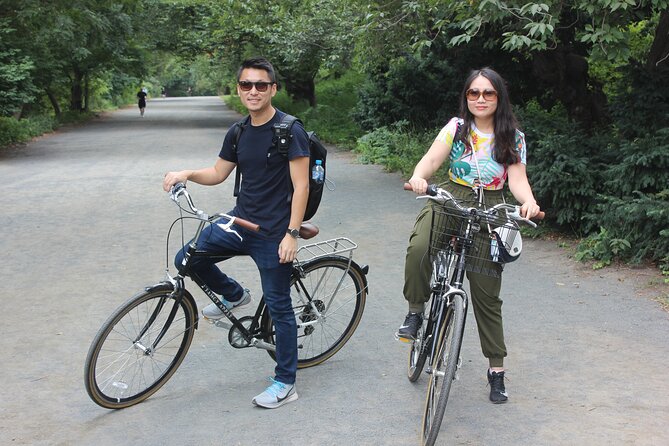
The meeting point is 1391 6th Ave, and the tour ends back there. That matters because you’re not mentally juggling “how do we get back” after a fun ride, you just know the loop closes where it begins.
Bikes and helmets are included, and you’ll have a professional guide with you. The tour also uses a mobile ticket, and it’s offered in English. If you need a service animal, they’re allowed, and the meeting area is near public transportation, which is handy if you’re pairing this with other parts of your NYC trip.
The big practical win here is pacing. The ride is designed so you don’t need to be an avid cyclist. One past group specifically called out that it’s an easy course, with lots of stops to take in the park and its ongoing life.
The easy, scenic route: where you’ll actually spend your time
This is not a race. It’s a “see a lot without suffering” kind of tour. With a small group of up to 10 people, you’re less likely to get stretched out, and you can breathe at intersections or slower spots.
You can also expect regular time to stop. Several parts of the ride are built around viewpoints and landmarks where photos make sense, so you’re not just rolling through blurry glimpses. That’s especially helpful if it’s your first trip to the park and you want the classic postcard shots plus a few extra scenes.
Chess tables, the Carousel, and the Dairy: playful stops with real character
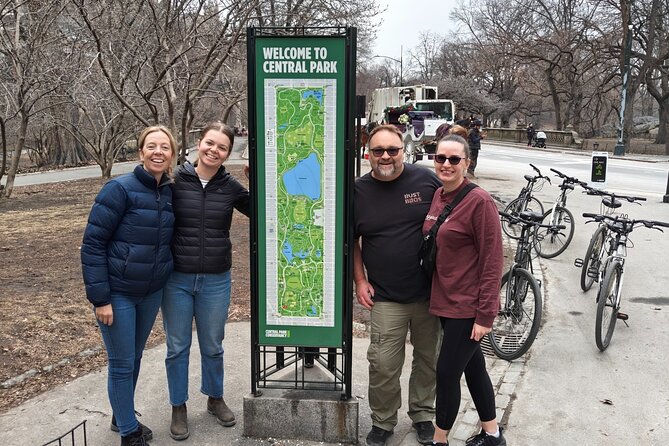
Early on, the tour hits some of Central Park’s more people-loving traditions. Chess and checkers are a major part of park life, with tables set up for games. Even if you don’t play, it’s a fun human detail that turns the park from scenery into something you can feel.
Then you get to the Carousel. It’s one of the nation’s largest, with 57 hand-carved horses and two decorative chariots. The current Carousel traces back to 1908, created by Solomon Stein and Harry Goldstein. This stop is great because it’s visual, it’s nostalgic, and it’s also a quick break before you move back into the biking rhythm.
Next comes the Dairy, a Victorian cottage designed by Calvert Vaux and built between 1869 and 1871. It sits in the Children’s District, and it originally served as a spot for fresh milk and snacks for kids and their caregivers. For me, this is one of those stops that reminds you Central Park wasn’t designed as a quiet backdrop. It’s a designed place for daily life.
Wollman Rink, the Central Park Zoo, and Balto: the park’s famous faces
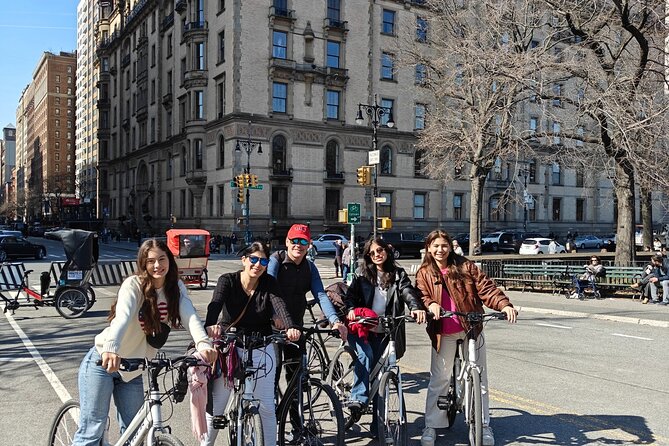
In the southern part of Central Park, Wollman Rink is a recognizable landmark. The rink’s entry is not included, but you still get a look at the setting, and the stop gives you a chance to understand how Central Park holds seasonal activities in such a compact area.
Right after that, the Central Park Zoo is part of the ride. It’s a 6.5-acre zoo at the southeast corner of the park, and it’s managed as part of an integrated system of four zoos and one aquarium by the Wildlife Conservation Society. You’ll see over 130 species, including things like snow leopards and tropical birds. Even if you don’t plan to go inside, this is a memorable Central Park contrast: big-city energy next to an animal world.
Then you’ll catch Balto, the bronze statue by Frederick Roth. Balto was an Alaskan husky and sled dog connected to Leonhard Seppala. It’s a quick stop, but it’s exactly the kind of detail that makes a guided ride worth it. You’re not just taking photos, you’re learning why that sculpture is there.


Bethesda Fountain and Terrace: the stop that makes Central Park feel cinematic
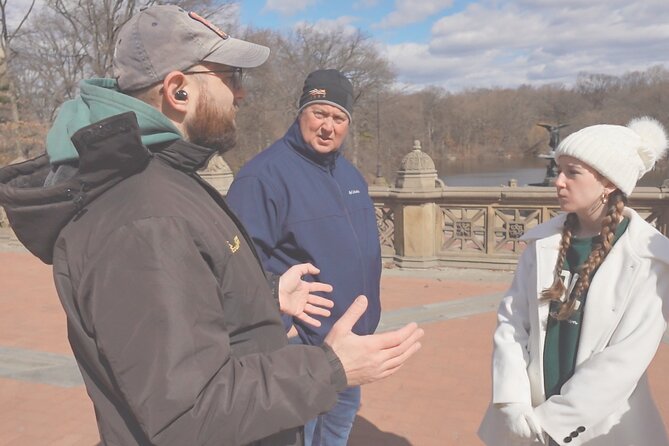
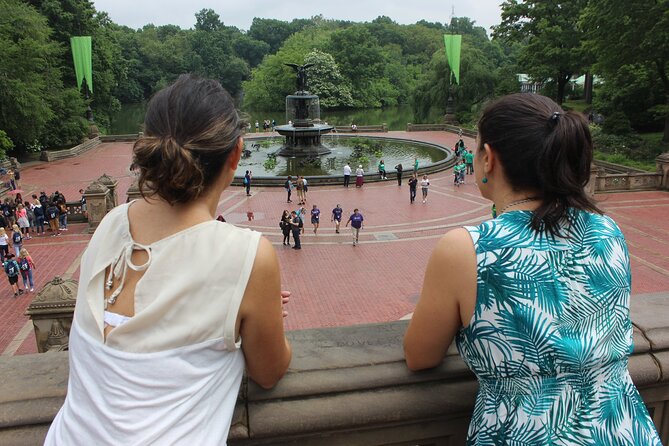
Bethesda Fountain is the kind of landmark you think you know, until you see it up close. At the top is the sculpture Angel of the Waters, a bronze figure stepping on a stone while water cascades down into basins and fills a large circular pool.
The Terrace is paired with it for a reason. Bethesda Terrace is a popular place for relaxing and people-watching, with architecture and scenery that’s basically built for lingering. This is one of those stops where you can slow down and take it all in, because the space gives you room to look around instead of forcing you to keep moving.
If you like photo stops, this is a top pick on the route. It’s a classic, yes, but it also helps you understand the park’s design choices, how views and water features guide where people gather.
Bow Bridge, Cherry Hill, and Alice: movie-set scenery with quirky details
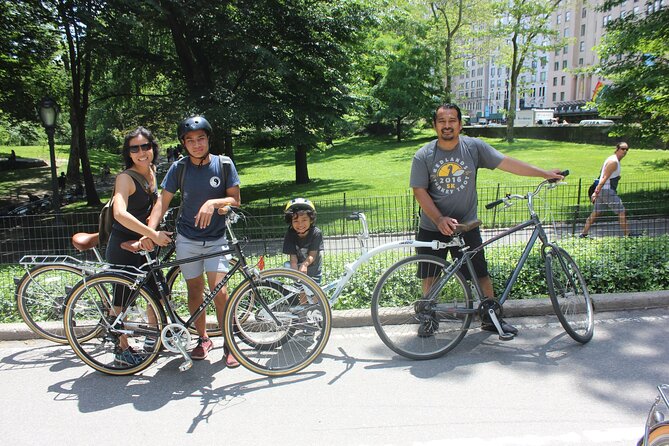
Bow Bridge is one of Central Park’s most photographed bridges. It has appeared in movies and TV shows, including Spiderman 3 and The Way We Were, and the list also includes Night at the Museum and Glee. This is a fun stop if you like spotting film locations, but it’s also just a great composition point.
Then the tour moves to Cherry Hill Fountain, which sits just west of Bethesda Fountain, enclosed in a circular plaza. It was designed by Jacob Wrey Mould and dedicated in the 1860s. Originally, it was planned as a watering trough for horses. The fountain has a granite dome and sculpted bluestone basin, with Minton tiles, and it was topped with finial additions later, including a finial added in 1981. This is the kind of detail that can make your photos look more intentional, because you’re not just framing the fountain, you’re framing its story.
Next comes the Alice in Wonderland Statue, created in 1959 by José de Creeft for children to experience Alice in Wonderland in person. It was commissioned by George Delacorte, and it was originally cast at the Long Island Modern Art Foundry in the Steinway Mansion. If you’re traveling with kids, this stop almost always lands well, and even without kids it’s a lighthearted counterpoint to the more grand architecture.
The Boathouse and the Lake edge: where the park feels like a retreat
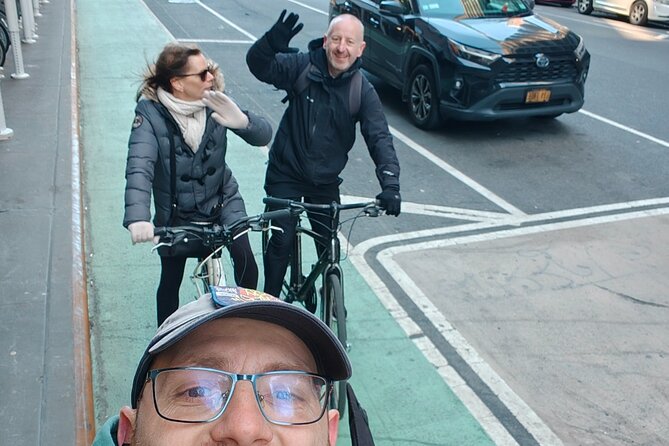
The route includes the Boathouse area at the eastern end of the lake. The concept goes back to a two-story boathouse designed by Calvert Vaux around 1874, intended for refreshments and boat rides. After an earlier wooden structure burned down, the current Boathouse took its place in 1956.
One practical detail I like here is the seasonal comfort. The Boathouse visitors can enjoy meals in any season, and overhead heating helps extend outdoor deck time. That makes this stop feel like a “real park day” moment rather than a quick look and go.
Cleopatra’s Needle area: a monument with a financing story
The tour also covers the obelisk area, tied to the story of how it was brought to New York. In March 1877, funding was secured to transport the obelisk, and William H. Vanderbilt offered to finance the project with a donation of more than $100,000. The number is the kind of thing that sounds random until you realize it explains how massive projects get pulled into place.
If you enjoy short “wait, why is that here?” facts, this stop is your style. It helps you connect Central Park to the larger NYC story, not just the park’s boundaries.
Jacqueline Kennedy Onassis Reservoir: big water, calm views
Next up is the Jacqueline Kennedy Onassis Reservoir, also known as Central Park Reservoir. It stretches from 86th to 96th Streets and covers 106 acres. It holds over 1 billion US gallons of water, and even though it’s decommissioned as a reservoir now, the scale still reads instantly when you’re riding near it.
This is a nice change of pace. After fountains, bridges, and sculptures, you get an open, expansive feel. It’s the sort of stop where you can take in the space and reset your attention for the final stretch.
Belvedere Castle and Strawberry Fields: the ride’s quieter emotional hits
Belvedere Castle is a folly in Central Park, designed by Calvert Vaux and Jacob Wrey Mould in 1867. It contains exhibit rooms and an observation deck, and since 1919 it has housed Central Park’s official weather station. That last detail is a great one because it turns the castle into something functional, not just decorative.
Then the tour heads to Strawberry Fields, a 2.5-acre landscaped section dedicated to the memory of former Beatles member John Lennon. It was designed by landscape architect Bruce Kelly, and it’s named after Lennon’s song Strawberry Fields Forever.
This stop can feel like the emotional slow down of the ride. It’s not about speed. It’s about place and meaning, plus it gives you a clean, memorable ending landmark before you roll back toward the meeting point.
How the guide makes it better (and why Ricky gets mentioned)
The guide is central to the experience. You’re not only getting facts about fountains and statues, you’re also getting help with timing, stopping, and interpreting what you see so it lands in your brain instead of washing over you.
In past groups, Ricky is called out as an excellent guide, especially for accommodating two families traveling with four kids. The key detail there is that the guide adjusted stops to match the group’s interests and biking speed. That matters because Central Park is crowded and uneven in places, so having a guide who can shift the plan without making it chaotic is a real quality marker.
If you’re traveling with kids, this sort of flexibility is gold. If you’re a solo adult, it’s still useful because it keeps your ride feeling personal rather than rigid.
What you get for $55: the value math that actually matters
At $55 per person for about two hours, the value hinges on what’s included. Here’s the practical side: bike and helmet are included, you get a professional guide, photographing is included, and all fees and taxes are covered. Tips are optional, not included.
Admission is a mixed bag. Some stops are free, like Bethesda Fountain and Bethesda Terrace, and Bow Bridge. Others may involve a ticket you’d need separately. For example, Wollman Rink lists admission not included, while the zoo is part of the route but the data you have doesn’t say whether any zoo entry is bundled. So I’d plan your expectations like this: the tour is priced for the guided riding experience plus lots of stops, not as an all-access pass to every building.
Still, the “included bike plus included photos plus guided pacing” combo often feels worth it, especially if you’d otherwise spend time figuring out where to go and how long it will take.
When this tour might not match your ideal day
The one low rating in the set says the experience was very disappointing and not what was expected from the advertisement. I can’t know what that person expected, but here’s my sensible takeaway: if you expect a long, mostly uninterrupted bike ride, or you expect every single major attraction to be fully accessible without extra tickets, you might feel off.
Also, this experience requires good weather. Central Park in bad weather can turn your ride into a stressful mission. If rain or wind is likely, your enjoyment depends heavily on whether you get the scheduled date or a weather-safe alternative.
Who should book this Central Park Bike Tour
This tour fits best if you want the big Central Park icons without spending your day lost. It’s a solid pick for first-time visitors who want Bethesda Fountain, Strawberry Fields, and Belvedere Castle, plus a few extras like chess and checkers, the Carousel, and the Dairy.
It’s also a good choice if you’re not trying to train for the Tour de France. The route is easy enough for people who are not avid cyclists, and the small group size helps keep things manageable.
If you’re traveling with kids, you’ll likely appreciate the stop rhythm and the fact that the guide can adapt to biking speed and group interests, including accommodations noted for families with four kids.
Should you book it? My straight answer
Yes, I’d book this Central Park bike tour if you want a guided, photo-friendly way to see major landmarks in a short morning window. For $55, with bike, helmet, guide, and photographing included, it’s one of the simpler ways to get Central Park highlights without turning it into a logistical project.
I’d hesitate only if your plan is built around a long ride with minimal stopping, or if you’re expecting every attraction to be fully included. If you can handle a stop-and-look style route, this is a great way to get your bearings fast and still leave time for the rest of your NYC day.
FAQ
How long is the Central Park Bike Tour?
The tour lasts about 2 hours.
How much does the tour cost?
It costs $55 per person.
What’s included in the price?
The price includes the bike and helmet, a professional guide, photographing, and all fees and taxes.
What is not included?
Hotel pickup or drop-off is not included, tips are optional, and some stops like Wollman Rink list admission tickets as not included.
Where is the meeting point?
The tour starts at 1391 6th Ave, New York, NY 10019, USA, and ends back at the meeting point.
What time does the tour run?
The start time listed is 10:00 am.
What are the age rules for riding?
Children 6 years old and above will have their own bike. Ages 0 to 5 will ride to their parents bike.
Is the tour offered in English?
Yes, the tour is offered in English.
What happens if weather is poor?
This experience requires good weather. If it’s canceled due to poor weather, you’ll be offered a different date or a full refund.
What is the maximum group size?
The tour has a maximum of 10 travelers.
More Cycling Tours in New York City
More Tours in New York City

More Tour Reviews in New York City
Not for you? Here's more nearby things to do in New York City we have reviewed



More Central Park Tours to consider.
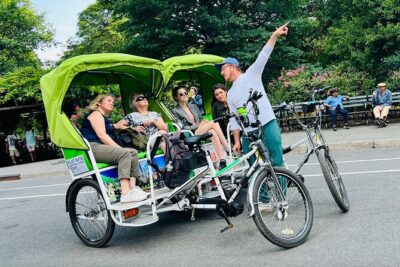 ★ 5.0Central Park Pedicab Guided ToursTickets from $387,108 traveller reviews
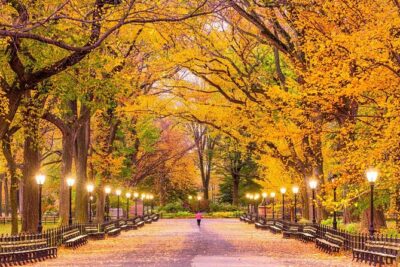 ★ 5.0Private Central Park Pedicab TourTickets from $386,981 traveller reviews
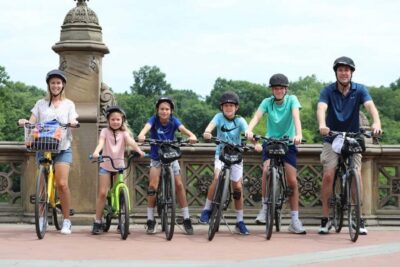 ★ 4.2Central Park Bike RentalsTickets from $92,528 traveller reviews
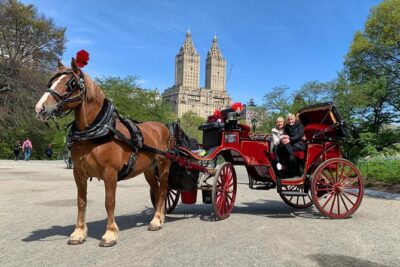 ★ 5.0Official NYC Horse Carriage Rides in Central Park since 1979 ™Tickets from $992,365 traveller reviews
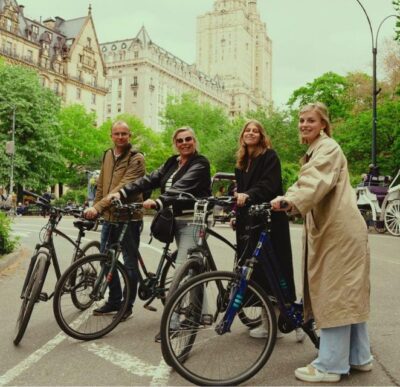 ★ 4.1Central Park Bike RentalTickets from $81,651 traveller reviews
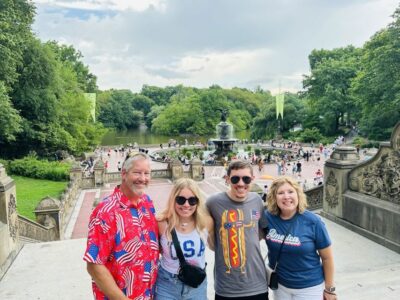 ★ 4.9Private Central Park Pedicab TourTickets from $401,637 traveller reviews
 ★ 4.7Central Park Bike RentalTickets from $91,509 traveller reviews
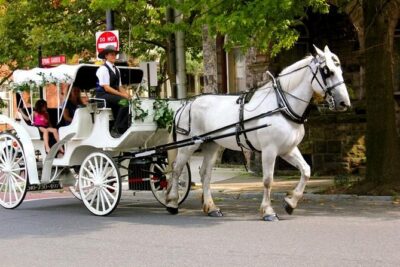 ★ 4.0Carriage Ride in Central Park (VIP – PRIVATE) Since 1964™Tickets from $141,074 traveller reviews
More useful New York routes