
Review · CENTRAL PARK TOURS
Central Park Horse Carriage Ride
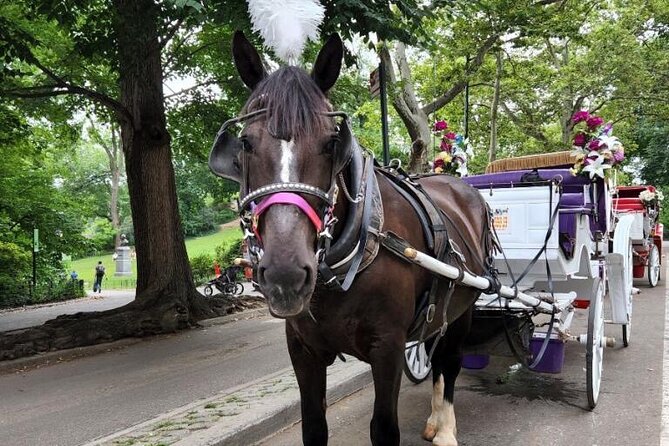
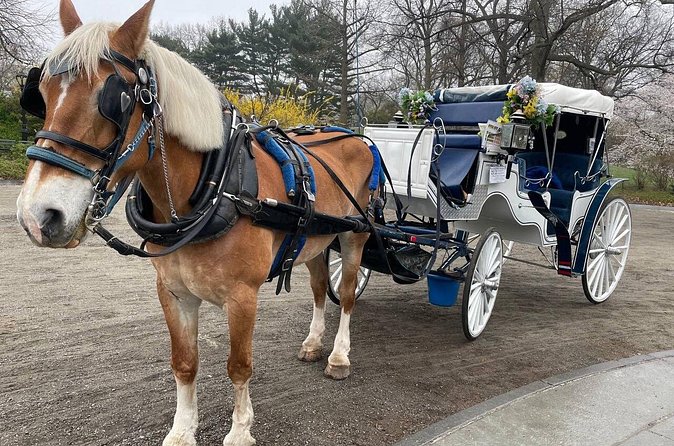
Central Park feels different from a carriage seat. This 55-minute, English-speaking private ride maps out major sights with quick photo moments, plus stories your driver shares along the way. I especially like the focus on classic landmarks and the gentle pace.
I also like the practical touches: a warm blanket in cooler months, a mobile ticket, and prebooked start times that cut down on day-of searching. The route is planned so you spend less time figuring out where everything is and more time enjoying the park.
That said, timing and coordination can be fragile. A few no-shows and reports of shorter rides than expected have shown up, along with complaints that some groups missed photo stops. If this is a big occasion or you have a hard deadline after, keep your expectations flexible and have a walkable Plan B.
Key things I’d clock before you go
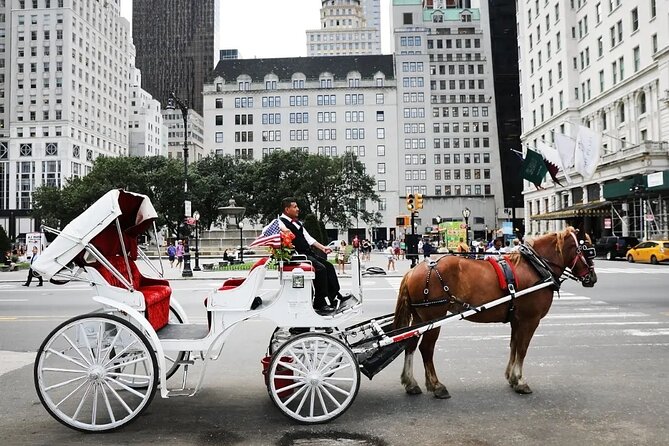
- Private carriage for up to four: less crowd pressure, more chance for your driver to tailor the pace.
- Warm blanket included: nice when the weather turns and you just want to relax.
- Photo-stop route: you get planned windows at major Central Park spots, not a random wander.
- Driver-led landmark talk: you’ll hear what to look for at places many people speed past.
- Weather and timing matter: good weather is required, and a few bookings reported reliability issues.
A 55-Minute Shortcut Through Central Park’s Biggest Hits
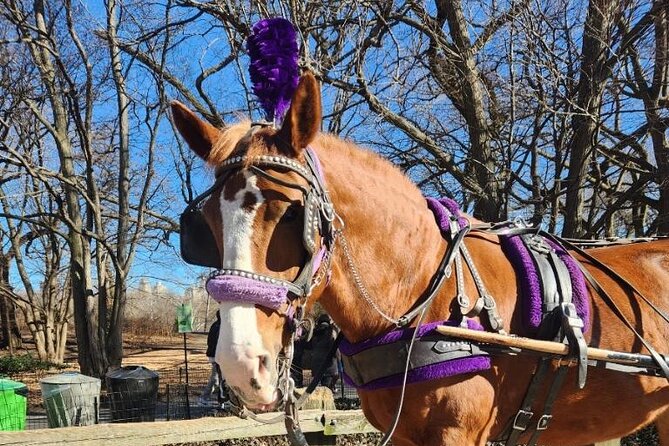
A horse carriage through Central Park is not about getting from A to B fast. It’s about seeing a lot of park without doing a lot of walking. The ride clocks in at about 55 minutes, which is long enough to hit the famous stretch of Central Park landmarks, but short enough that it doesn’t drain your whole day.
If you’re new to the park, you’ll appreciate the structure. Instead of trying to piece together a self-guided loop, you follow a set route and stop for photos where it makes sense. It’s a classic New York way to do the park, and it’s especially handy if you’re traveling with kids, older adults, or anyone who just wants a break from stairs and sidewalks.
More NYC tours and experiences for the shortlist
What a Private Carriage Changes for Your Day
This isn’t a big cattle-car group ride. It’s a private tour for your group only, and the highlights say it can run up to four people. That matters because the driver can slow down for questions, and you can linger at overlooks and iconic corners without feeling like you’re holding up a crowd.
You also get a more personal vibe when it comes to photos. The included approach is built around photo stops, and the better experiences you’ll find point to drivers who take time, not just for quick snaps, but to line things up so you actually get usable pictures.
One practical note: because this is private, your group’s timing is your timing. If you want a specific photo moment, speak up early, and you’ll be more likely to get it rather than rushing at the last second.
The Driver’s Stories, and Why They Make This Tour Feel Worth It
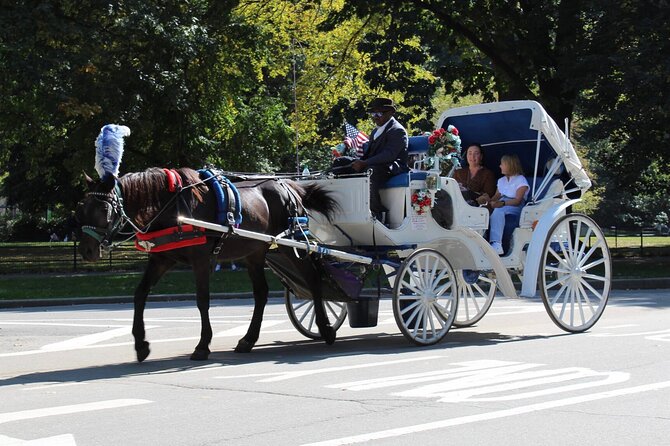
The carriage ride works best when you treat your driver like a guide, not a chauffeur. The experience is designed around the idea that you’ll hear tales about the landmarks many visitors miss. That storytelling angle is what turns a sightseeing lap into something a bit more memorable.
Some of the strongest positive mentions emphasize drivers who were informative and patient. One highlighted experience even called out a driver taking time with pictures and explaining what you were looking at. Another praised the driver for helping with a friend’s wheelchair, which tells you the job can include real attentiveness, not just route following.
At the same time, the lower-rated reports suggest that not every booking runs smoothly, including instances where listed photo stops were not handled as expected. So your strategy is simple: stay calm, ask when the next photo stop happens, and be ready to adjust if the timing shifts.
Meeting Point at 1428 6th Ave, Then Back Again
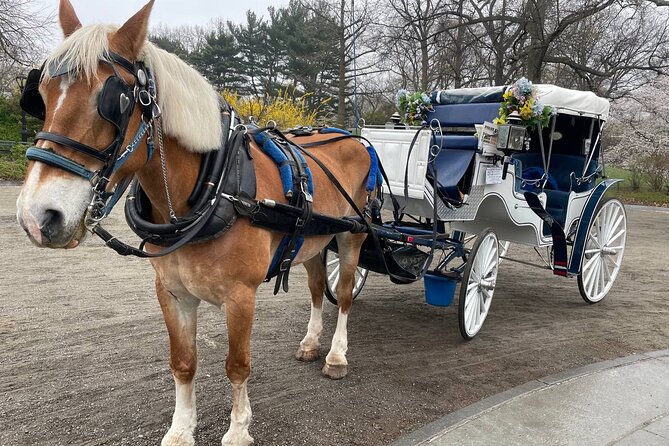
You meet at 1428 6th Ave, New York, NY 10019. The end point is back at the same meeting location. That loop is convenient because you don’t need to plan a second transit move to get home.
The good news for logistics is that the meeting spot is near public transportation. If you’re arriving by subway or bus, build in extra time to walk to the exact pickup corner. The experience itself notes it can be a bit tricky to find, and a positive note mentioned this, but still called the ride lovely once they connected.
Also, since this is centered on good weather, check the forecast the day you go. If conditions are poor, your plan might need a shift.
Route Walkthrough, Cop Cot to Pinebank Arch
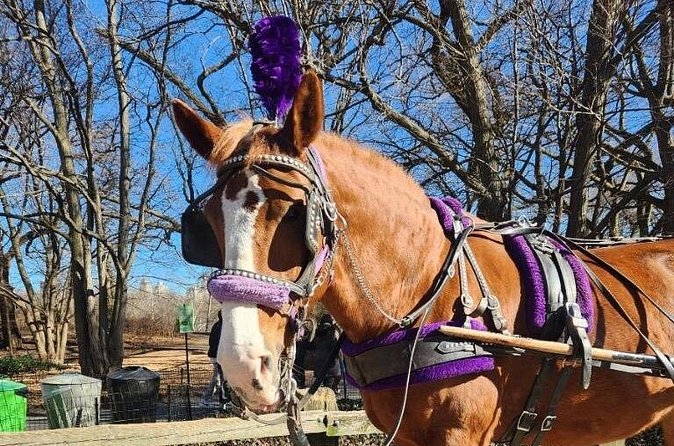
The carriage route is built around Central Park’s most recognizable features, mostly from the south end up through the core highlights, then back toward the southwest edges. You’ll get brief photo windows at major sights, plus a mix of architecture, art, and nature. Here’s what you can expect along the way.




South End First: Cop Cot, Wollman Rink, and a Chess Break
The tour begins near the southern portion of the park, where you’ll roll past Cop Cot, an old and distinctive wooden structure on a hill near 59th Street and 6th Avenue. The name comes from Old English, meaning little cottage on the crest of a hill. Even if you don’t care about etymology, it’s a great visual anchor because it gives the park a historic feel right away.
Next you’ll head toward Wollman Rink, one of the park’s signature outdoor skating spots near 59th Street and 6th Avenue. It opened in 1949 as a gift honoring philanthropist Kate Wollman’s family. In winter, it’s a big photo magnet, but even in other seasons, it’s a recognizable landmark.
Then comes a more relaxed, quirky stop in the chess and board-game pavilion. This is one of those spots where people actually play, not just pass through. It’s a nice contrast after the bigger marquee attractions, and it helps you see Central Park as a place locals use.
Classic Fun: The Carousel, Central Park Zoo, and Literary Walk
As you continue, you’ll see the historic Central Park carousel area. The carousel is one of the oldest operating in the United States, with its roots going back to 1871. The current carousel was built in 1951 and features hand-carved wooden horses. If you’re traveling with kids, this is the kind of stop that makes them forget you’re on a “tour” at all.
From there, the route includes Central Park Zoo, set over about 6.5 acres. It’s not just a stop for animals, it’s also an educational resource about wildlife conservation. Even if you don’t go inside, it’s a meaningful change of pace from the open lawns and big architecture.
Next is the Literary Walk area, tied to a statue commemorating a major English playwright and poet, often cited as one of the greatest writers in the English language. Literary Walk tends to be overlooked by people who only chase the postcard views, so this is one of those moments that gives the ride extra personality.
Balto, SummerStage, Pilgrim Hill, and Conservatory Water
Moving through the mid-south and toward the park’s center, you’ll pass Balto Statue, linked to the 1925 diphtheria outbreak in Nome. Balto and sled dogs delivered antitoxin serum over nearly 700 miles, saving countless lives. It’s a powerful story, and it’s also a fun one to connect back to what you see in front of you.
You’ll also see SummerStage, founded in 1986. It brings public performances to the park and is tied to community arts. Even if there’s no show on your day, it adds a sense that Central Park isn’t just scenery.
Then there’s Pilgrim Hill, a name said to come from a statue of a pilgrim placed there in the 19th century. The statue is no longer present, but the name stuck. It’s a small detail, but drivers who like stories often use these tidbits to bring the park’s layers into focus.
Finally in this stretch, you’ll reach Conservatory Water, including the option for model boating activities. In warmer months, small model sailboats and model boat races are a popular scene for families and kids. Even if you aren’t stopping to rent anything, it’s a distinctive water-and-trees pocket.
Mid-Park Icon Circuit: Bethesda Terrace and The Mall
One of the biggest “wow” zones on this route is Bethesda Terrace, a picture-perfect structure near the midpoint of the eastern side of the park. It overlooks Bethesda Fountain and has become a gathering point for events and performances since the park opened. If you want that cinematic Central Park look, this is where you’ll find it.
After that, the tour heads along The Mall, the tree-lined walkway with a straight path and American elm trees that form a canopy overhead. The design gives you shade and a clear line of sight, so it’s easy to enjoy the view without craning your neck constantly.
If you’re traveling in warm months, you may also spot the Loeb Boathouse area along the waterfront. The boat house includes a restaurant and café with indoor and outdoor seating, which makes this feel less like a pure sightseeing track and more like a place where people stop for food and rest.
North-Feeling Views: Cherry Hill, Bow Bridge, and Daniel Webster
As you move toward the more famous north-side postcard corners, you’ll reach Cherry Hill, known for cherry blossoms in spring. The pink blooms are a huge photo draw, and the moment tends to feel very New York, even when you’re not in the city streets.
Next is Bow Bridge, a cultural icon that you’ve probably seen in films, TV, and photos even if you can’t name it yet. It’s romantic in the way it frames the pond and it’s a go-to spot for couple photos and serious photographers.
The route also includes a stop related to Daniel Webster, tied to his political role in advocating for federalism and his participation in major national debates of his era. This is the kind of stop that works well from a carriage seat, because you get context without needing to slow down and read everything from scratch on foot.
The Art and Peace Stop: Strawberry Fields, then The Dakota
Now comes one of the emotional anchor spots on Central Park’s map: Strawberry Fields, centered around the Imagine Mosaic tribute. It’s a circular mosaic set into the pavement, designed by Italian artisans as a tribute to John Lennon’s song Imagine. The memorial is meant to be a quiet zone, with trees, flowers, and benches for reflection.
A short distance away is The Dakota, made famous as the home of John Lennon and Yoko Ono. Lennon lived there from 1973 until his death in 1980, and Yoko Ono has been involved in preserving Lennon’s legacy, including her role in creating Strawberry Fields. Even if you’re not a hardcore music fan, this stop hits because it’s both a landmark and a memory marker.
Finishing Stretch: Sheep Meadow, Tavern on the Green, and Pinebank Arch
To wrap up, the carriage passes Sheep Meadow, a large open lawn between 66th and 69th Streets. It’s a popular picnic and relaxing spot with expansive views and a more laid-back feel than the busy corners closer to the entrances.
Then you’ll roll by Tavern on the Green, one of Central Park’s most iconic dining places on the western edge near 67th Street. It dates to the 19th century and gives a sense of Central Park as a full day destination, not a quick photo stop.
Near the southwest corner, you’ll reach Pinebank Arch, a charming cast-iron bridge near 62nd Street and West Drive. It’s one of the few surviving cast-iron bridges in Central Park, and it’s worth looking at even if you only catch it briefly from the route.
At the end, you head back to the meeting point at 1428 6th Ave.
Comfort Details: Warm Blanket, Photos, and What to Bring
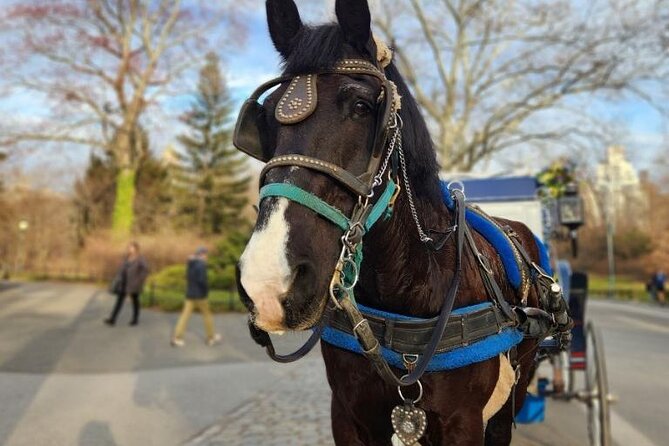
Included in the experience are a guided tour, photo stops, and a nice and warm blanket. That blanket detail is not small. Central Park can feel colder than you expect, especially near water and in the shade of trees, and it’s the kind of inclusion that makes your ride feel less “touristy” and more comfortable.
Bring:
- Your phone for photos, with enough battery for multiple landmark angles
- Comfortable shoes, even if you only walk a bit at the start and end
- A light layer under your outerwear, because weather can shift fast in the park
When you’re taking photos, ask for a moment when the carriage is stable and the driver can stop safely. The best photo results happen when you get a pause, not when you try to shoot while the ride is moving.
Price and Value: When This Ride Makes Sense
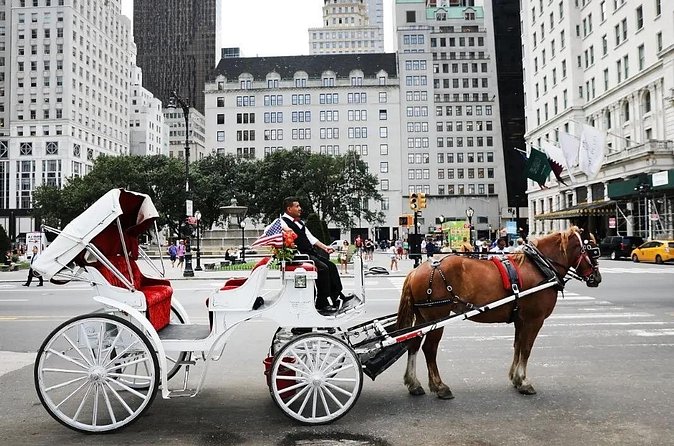
I can’t tell you the exact price here, but I can help you judge the value. This tour offers a private group ride, a warm blanket, a guided approach, and structured photo stops. That usually means better value when you want efficiency and comfort, not just a walk.
This tends to fit best for:
- First-time visitors who want the park’s biggest hits without planning
- Families who need lower walking time
- Anyone celebrating something special and wanting a calmer pace
- Travelers who prefer guided storytelling instead of reading signs
But value depends on execution. Since you’ve got reports of some bookings starting late, missing stops, or running shorter, I’d treat this as a “nice to have” day plan, not the only way to see Central Park if you have a rigid schedule later.
Tips, Weather, and Reliability: The Practical Reality Check
Tips are not included. The experience explicitly lists tips as not included, so you should plan to tip if you feel your driver met expectations.
Weather matters too. The experience requires good weather, and if it’s canceled due to poor weather you should expect a different date or a full refund. That’s standard for outdoor rides, but it does affect your planning.
Reliability is the wild card. There are strong positive experiences where drivers were informative and accommodating. There are also negative experiences that mention no-shows and missing or shortened rides. If you’re traveling with a group that will feel let down by delays, build in buffer time and stay ready to contact the provider if something seems off.
Should You Book the Central Park Horse Carriage Ride?
Book it if you want a classic Central Park experience with a private feel, guided landmark storytelling, and comfortable help from a warm blanket. It’s also a great pick if you want photos without turning your day into a long walking project.
Skip or reconsider if you need guaranteed timing for a specific event, or if you can’t handle the possibility of delays, shortened rides, or missed photo stops. In that case, you can still enjoy Central Park, but you might want a plan that doesn’t hinge on one pickup time.
If you do book, my best advice is simple: check the weather, arrive early enough to find the meeting spot at 1428 6th Ave, and communicate about the photo moments you care about most.
FAQ
How long is the Central Park horse carriage ride?
The duration is listed as about 55 minutes.
Is this tour private?
Yes. It’s a private tour/activity, meaning only your group participates.
What language is the tour in?
The tour is offered in English.
Where is the meeting point, and do we return there?
You start at 1428 6th Ave, New York, NY 10019, and the activity ends back at the meeting point.
What is included in the experience?
The experience includes a guided tour, photo stops, and a nice and warm blanket.
Are tips included?
No. Tips are listed as not included.
Are service animals allowed?
Yes. Service animals are allowed.
Is good weather required?
Yes. The experience requires good weather, and if it’s canceled due to poor weather, you’ll be offered a different date or a full refund.
Does this include a mobile ticket or skip-the-line benefit?
Yes. It includes a mobile ticket, and it also notes skip the line.
More Horses in New York City

More Tour Reviews in New York City
Not for you? Here's more nearby things to do in New York City we have reviewed








More Central Park Tours to consider.
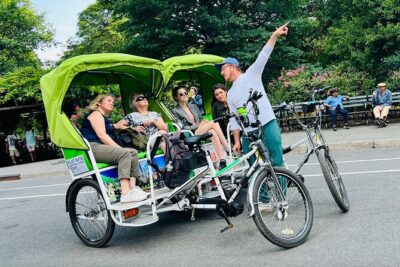 ★ 5.0Central Park Pedicab Guided ToursTickets from $387,108 traveller reviews
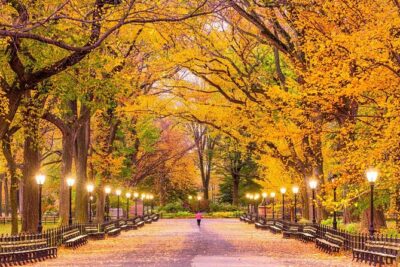 ★ 5.0Private Central Park Pedicab TourTickets from $386,981 traveller reviews
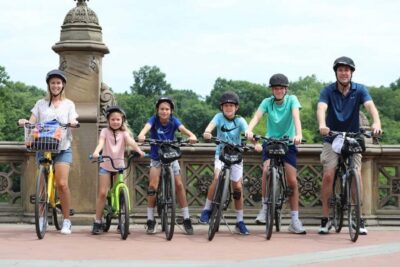 ★ 4.2Central Park Bike RentalsTickets from $92,528 traveller reviews
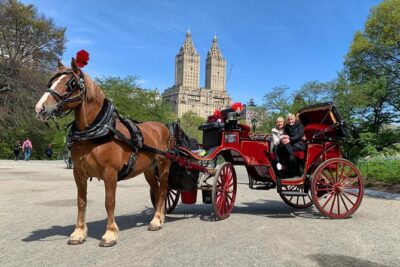 ★ 5.0Official NYC Horse Carriage Rides in Central Park since 1979 ™Tickets from $992,365 traveller reviews
 ★ 4.1Central Park Bike RentalTickets from $81,651 traveller reviews
 ★ 4.9Private Central Park Pedicab TourTickets from $401,637 traveller reviews
 ★ 4.7Central Park Bike RentalTickets from $91,509 traveller reviews
 ★ 4.0Carriage Ride in Central Park (VIP – PRIVATE) Since 1964™Tickets from $141,074 traveller reviews
More useful New York routes