
Review · HIGH LINE TOURS
Chelsea Galleries and High Line; Art, Architecture and History
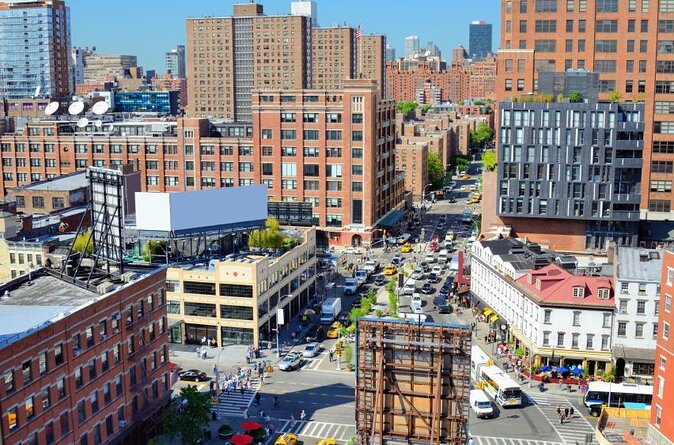
Art and viewpoints, right above the streets. In just about two hours, you’ll walk the High Line from south to north with a professional artist who helps you see more than you would on your own. You’ll also hit the Chelsea galleries underneath the park, where you visit two selected exhibitions with explanations built for real looking.
I especially like how the tour turns the High Line into a lesson you can actually use. You get stopping points for art, architecture, and history, and the guide keeps the story connected, not random wall text.
One thing to consider is that the High Line can be crowded, especially around the tightest stretches, so your group’s flow matters. If your timing is off, you might feel the pinch for a minute or two, even with a private format.
Key things to know before you go
- Private, just-for-your-group pace: Ask questions as much as you like, and the guide can steer to your interests.
- Professional artist perspective: You get art looking skills, not just facts about names and dates.
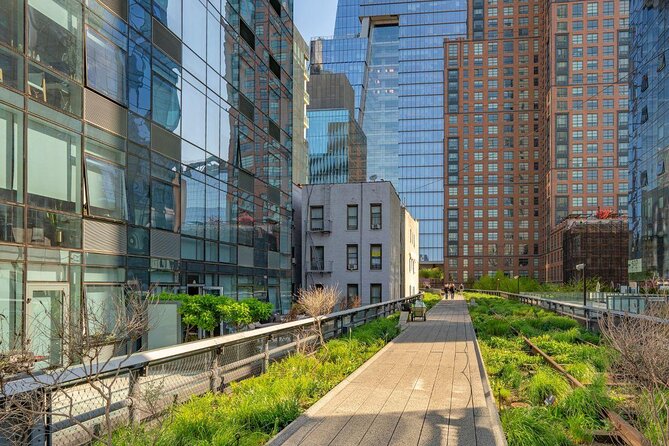
- Three themes on the High Line: Art, contemporary architecture, and the park’s origin story.
- Chelsea galleries at the right altitude: You see how underground spaces pair naturally with the elevated park.
- Photo-friendly route: You finish near the northern end with strong city and sculpture views.
- Good weather matters: The tour requires good weather to run.
Why the High Line feels like an outdoor art museum
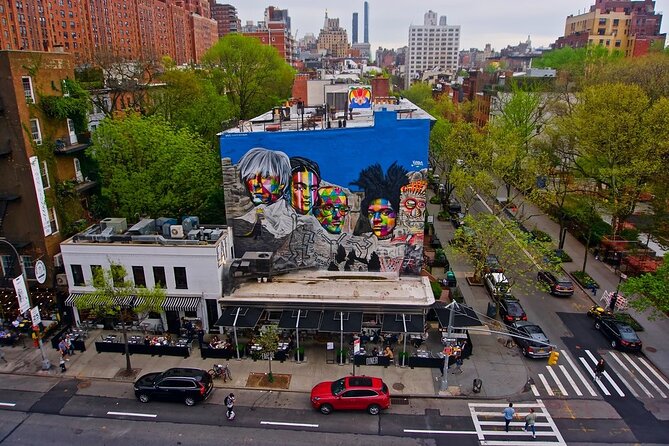
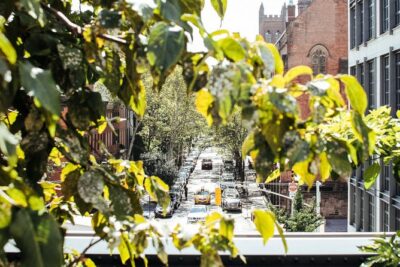
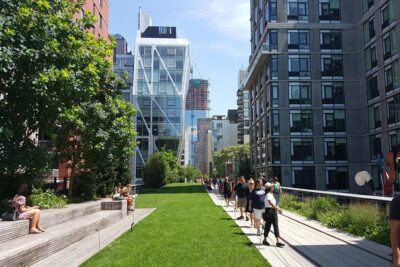
The High Line is not just a park with good views. It’s a kind of shifting gallery, because the art and architecture are always changing as you move, and the city keeps peeking through at different angles. That makes it perfect for a short, guided experience, because you see a lot of “how to look” in a compact walk.
What I like most is that you’re not expected to master it alone. A professional artist guides your attention to specific works along the way and connects each stop to the artist’s process. That approach helps you slow down without getting bogged down.
The vibe is also very New York in a good way: walking above traffic, hearing the city below, and stepping into pockets of calm where sculpture and installation can land differently. It’s a smart contrast to the typical museum day, which can feel heavy by hour two.
You can also read our reviews of more historical tours in New York City



Starting and ending points, and how the route helps you see more
The tour starts at 812 Washington St near the Mercado Little Spain entrance. That location is convenient because it puts you close to public transit, and it’s easy to orient yourself before you go up.
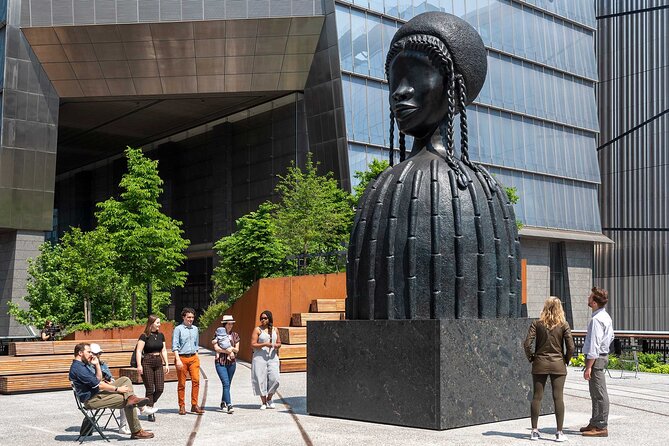
You end near 10th Avenue and West 30th Street, finishing at one of the High Line’s northern points. That matters because the northern end is where the views and the most prominent sculptural element tend to hit strongest, especially if your eyes have already calibrated from the earlier stops.
A two-hour format also works here. You get the “whole idea” of the High Line, plus Chelsea galleries underneath, without turning the day into a long endurance walk. I’d still plan to be comfortable on your feet, because it’s a promenade stroll that includes multiple stops.
Art on the High Line: how to actually look, not just glance
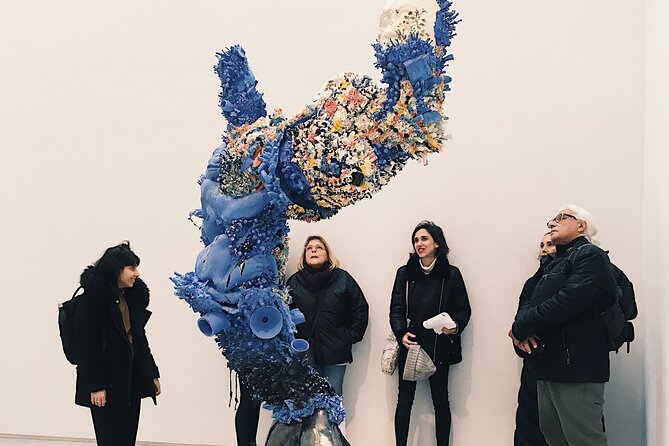
The art portion is structured around real looking. You walk along the promenade, then the guide pulls you into a stop where the explanation connects the artwork to the artist and how the work was made. That’s the difference between seeing a sculpture and understanding why it feels the way it does.
One practical benefit: you can ask questions at any time. On a private tour, you can raise the stuff that’s usually awkward to ask in a group, like why a material was chosen, what a piece might be reacting to, or how to read something abstract without feeling lost.
From what I gathered through guides’ styles mentioned in past experiences, the best moments often come from the guide’s ability to keep the conversation flowing. For example, I saw strong feedback about guides like Maya Yadid, with comments praising her selection of galleries and her eye-opening insights on concepts. Another guide, Shahar, also got compliments for deep knowledge and making the atmosphere safe for questions.
Even if you’re not an art expert, you’ll leave with a simple mental toolkit: ask what the work is doing, what it’s made of, and how the setting changes your perception.
Architecture stop: reading modern design from an unusual angle
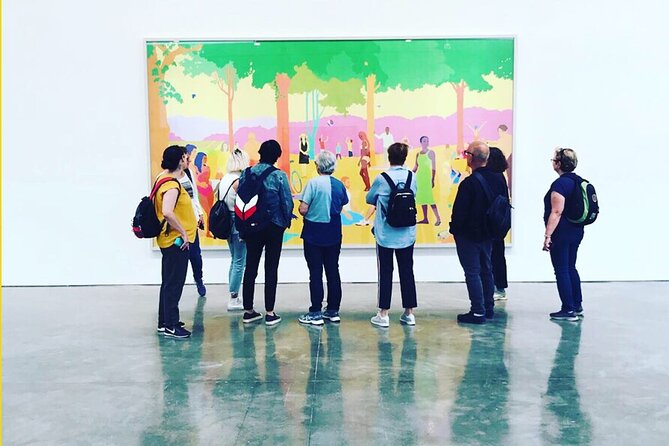
Next comes architecture, and it’s not theoretical. You’ll point out contemporary buildings that shape the skyline and talk through design choices you can actually see from the High Line’s elevated line.
This is where the High Line’s position helps you. When you’re above street level, proportions and relationships change. You start noticing how buildings frame openings, how sightlines cut between structures, and how the park’s design creates a visual stage for modern architecture.
I like that the tour treats the High Line itself as part of the story, not just a walkway. The guide explains why the High Line’s layout works and why the combination of built form and greenery feels intentional.
If you’re the type who usually scrolls past architecture photos, this stop can change your habit. You’ll start looking for angles and patterns, like how a façade interacts with the park’s path or how an opening gives you a different city scene than the one beside you.
History stop: the abandoned rail idea that became a public park
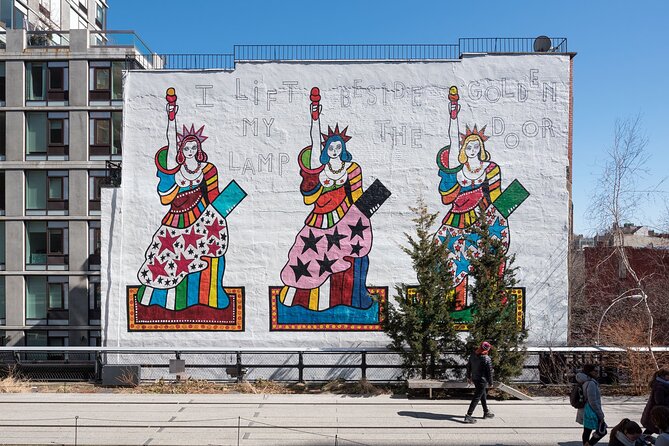
Then you get the origin story. You learn how the High Line began as abandoned rail infrastructure, and how it was saved through an initiative by two young men who pushed back against plans to demolish it in the early 2000s.
This part matters because it changes how you interpret everything you see. Without the history, the High Line can feel like a polished novelty. With it, you understand it as civic action and a long-term bet on reuse, where a derelict space was reimagined as public space.
You’ll also pick up the emotional weight behind the design. A park like this doesn’t happen overnight, and the tour’s short storytelling helps you get the big arc: what it was, what nearly happened, and how a community vision turned into a place people walk daily.
If you like your sightseeing with meaning, this stop is a strong payoff. It also pairs well with the art, because many installations feel more powerful when you remember the park is a transformation project itself.
You can also read our reviews of more museum experiences in New York City



Chelsea galleries underneath: two exhibitions that feel connected to the walk
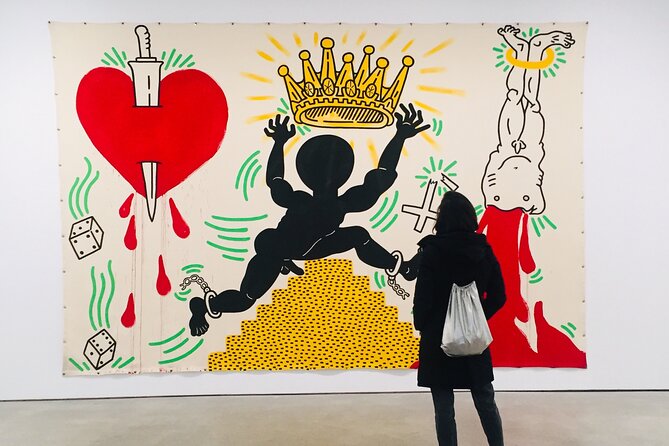
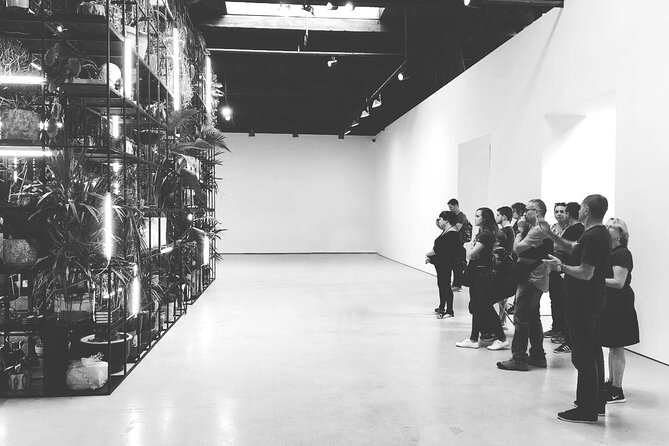
After the High Line portion, you shift into Chelsea, specifically the gallery district located underneath the park. You visit two selected exhibitions, guided by someone who knows how this neighborhood thinks.
This is one of the best value moves in the experience. Instead of random gallery hopping, you get a guided “two-stop” plan that saves you decision fatigue. Chelsea can be confusing for first-timers because there are many spaces, and not all of them feel like a complete day’s worth of art.
The tour keeps the momentum going. You’re still in an art mode while you go underground, and you can see how the High Line’s elevated calm contrasts with the focused intensity of gallery rooms. That contrast often makes you pay closer attention to what each show is doing.
I also saw consistent praise for the variety of exhibitions in feedback tied to Maya Yadid and other guides. If you’re worried about getting only one style or one kind of work, this is the kind of tour that tends to mix concepts so you don’t feel stuck in one lane.
One caution: galleries can have practical limitations, like acoustics and crowding, which can affect how smoothly you hear explanations. If you’re sensitive to noise, plan for a bit of environmental chaos, especially during peak hours.
The 10th Avenue finish: views plus sculpture at the northern end
You finish at the northern stretch, and the tour includes a viewpoint looking over 10th Avenue. This is where the standout sculptural project on the High Line shows up in a big, clear way.
Even if you think you already have enough NYC photos, this stop tends to deliver. The High Line gives you a framing layer, like you’re shooting through the city’s geometry instead of from a single street corner.
Bring a phone or camera, but don’t only chase the shot. Take a minute to look without the lens. The point of that last stretch is to let the full sequence land, art then city then sculpture, so you can see the park’s design as a whole.
If you’re traveling with someone who likes photos more than explanations, the guide can still help because the viewpoint is visually satisfying on its own. For art lovers, it also works because you’re already trained to ask what the work is doing and why it’s placed there.
Pace, crowds, and the reality of walking above Manhattan
A private tour helps, but it doesn’t erase the fact that the High Line is popular. There can be moments when the promenade narrows and foot traffic thickens, and one critical note mentioned that pausing and blocking the way for others can be inconsiderate.
So here’s how you can set yourself up. Keep the group moving at the guide’s pace, and if you need extra time for a photo, take it while the guide is talking rather than stopping mid-flow.
Also, think about sound. One piece of feedback suggested a headphone system for larger groups because of gallery acoustics. Even if your tour is smaller, galleries can still be echoey and busy, so don’t expect movie-theater clarity.
The good news is that past experiences for this tour have often highlighted relaxed, friendly guidance and strong explanation quality. Guides like Daniel received praise for insightful explanations and for sharing recommendations for more around New York, which suggests you can also leave with ideas for your next steps beyond the tour itself.
Who should book this High Line and Chelsea art tour
This tour fits best if you want a guided art day that doesn’t require museum stamina. If you like modern art and contemporary city design, you’ll enjoy the mix of outdoor sculpture, modern architecture, and gallery exhibitions.
It’s also a good choice for couples, friends, and families who want structure. Two hours is long enough to feel like you learned something, but short enough to still have energy left for dinner or a second neighborhood walk.
If you’re a solo traveler who worries about walking the High Line without a plan, this tour gives you a clean route with meaningful stops. And because it’s private, your questions matter, so the tour can bend toward your interests instead of forcing you to fit someone else’s itinerary.
Finally, if you travel with a service animal, this tour allows them. It’s also near public transportation, which makes it easier to slot into your day without a complicated commute.
Value in two hours: what you get that self-guided tours often miss
Self-guided High Line walks can be beautiful, but you miss the “why.” This tour adds the interpretive layer quickly, with explanations tied to artists, work process, and the park’s transformation history.
You also get selection help. Chelsea has a lot going on, and two exhibitions can actually be a sweet spot if you choose well. The guide’s job is to pick shows that relate to what you saw above, so your day feels connected rather than scattered.
Past feedback was strongly positive about the guides’ ability to make the experience welcoming and safe for questions. That matters because art explanation is most useful when you feel comfortable asking what you’re unsure about, whether that’s an abstract concept or a detail about materials.
In short, you’re paying for two things that are hard to replicate solo: curated time and guided attention. In a city where time disappears fast, that’s real value.
Should you book this tour?
I’d book it if you want the High Line plus Chelsea art in one focused, guided stretch, especially if you like when a guide talks you through what you’re looking at. The private format makes it easier to ask questions, and the combination of art, architecture, and history keeps the walk from becoming one-note.
Skip it or adjust expectations if you dislike crowds or you’re very noise-sensitive. The High Line and galleries can both get busy, and one important consideration is how the group pauses at tight points.
If you want a practical, high-impact way to understand why people love the High Line and why Chelsea galleries matter, this is a smart two-hour plan.
FAQ
Is this tour private?
Yes. It’s a private tour/activity, so only your group participates.
How long does the experience take?
It’s about 2 hours.
What language is the tour offered in?
The tour is offered in English.
Where does the tour start and end?
It starts at 812 Washington St, New York, NY 10014, and ends at 10th Avenue & West 30th Street.
Does it run in bad weather?
The experience requires good weather. If it’s canceled due to poor weather, you’ll be offered a different date or a full refund.
Can I bring a service animal?
Yes. Service animals are allowed.
More Museum Experiences in New York City
More Historical Tours in New York City



More Tour Reviews in New York City



Not for you? Here's more nearby things to do in New York City we have reviewed






More High Line Tours to consider.
 ★ 5.0High Line and Chelsea Small Group TourTickets from $391,238 traveller reviews
 ★ 5.0Chelsea Market and High Line Guided Food TourTickets from $88827 traveller reviews
 ★ 5.0High Line Park and Greenwich Village Food TourTickets from $159398 traveller reviews
 ★ 4.9High Line, Chelsea, & Meatpacking District Walking TourTickets from $39195 traveller reviews
 ★ 5.0Foods of NY Tours Chelsea Market Food Tour & High Line ParkTickets from $99141 traveller reviews
 ★ 4.2Hudson Yards & High Line Tour with Optional Edge TicketTickets from $49125 traveller reviews
 ★ 4.8Chelsea Market, Meatpacking, High Line Food TourTickets from $88123 traveller reviews
 ★ 5.0Semi-Private Meatpacking District, Chelsea Market, and High Line Walking TourTickets from $3988 traveller reviews
More useful New York routes