New York changes fast, borough by borough. This tour stitches together Midtown icons with Harlem and the Bronx streets so you get the full city feel without learning subway routes first. I love the way it combines photo-worthy stops with practical neighborhood context, and I also like that the group stays small enough to hear stories at the windows. One thing to consider is that timing can shift for pickups and the day’s route, so if you have tight plans after, keep some buffer.
With stops like Top of the Rock, the Apollo Theater area, the Joker Stairs film location, and Flushing Meadows, you’re not just seeing names. You’re getting the “why this place matters” behind the skyline, the murals, and even the ordinary bodega culture. Just remember food and drinks are not included, and restrooms may not be available on the vehicle.
Key Highlights You Will Actually Use
- Skip the subway puzzle, because transportation is included by air-conditioned vehicle
- Top of the Rock views from the 67th, 69th, and 70th floors for big skyline angles
- Harlem culture stops including the Apollo Theater and Astor Row Houses
- Bronx street art on purpose, with murals tied to real people and community memory
- Queens park and fairground symbol time, built around Flushing Meadows and the Unisphere
- Brooklyn walks and neighborhood mood, from Domino Park to Williamsburg and Little Italy
How a 5 to 6 Hour Borough Tour Keeps You Oriented Fast
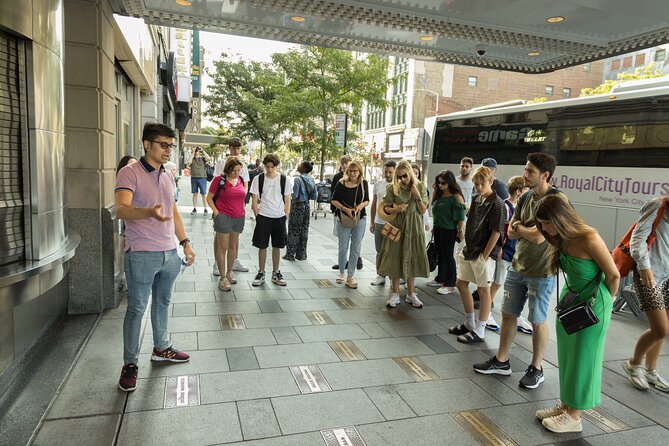
If this is your first time in New York City, the hardest part is figuring out where to spend your limited time. This tour works because it is built to help you get your bearings fast. You start in Midtown, then move outward in a logical arc across boroughs, so the city doesn’t feel like one giant blur.
The time window is also the sweet spot for most trips. At roughly 5 to 6 hours, you’ll see a lot of different neighborhoods without turning the day into a marathon. And because the tour includes transportation, you’re not stopping every few minutes to decode subway maps or wait in weather.
The other win is the storytelling. Guides like Sebastian and Millie (and sometimes Daniel) are part driver, part interpreter, and part “how to read this city” teacher. The best moments come when the guide points out what you might miss if you were walking around on your own, like how architecture and street-level business style change from block to block.
You can also read our reviews of more city tours in New York City



Midtown Icons: Radio City, Top of the Rock, and Rockefeller Center
Midtown is the part of NYC people think they already know. But this itinerary uses Midtown to set the visual baseline before you head somewhere more surprising.
The day opens with Radio City Music Hall, a landmark tied to Art Deco design and the Rockettes tradition. Even if you’re not planning to watch a show, it’s the kind of stop that helps you understand how New York brands entertainment as theater and spectacle.
Next comes Top of the Rock, with the classic skyline advantage: 360-degree views spanning the 67th, 69th, and 70th floors. What I like about this stop is simple. It gives you a bird’s-eye sense of where the boroughs “sit” in relation to each other, which makes later stops easier to place.
Then you hit Rockefeller Center, including the skating rink area and the famous Christmas Tree. This is a prime example of a place that looks like it belongs to postcards but still carries real history. It’s also a good place to pause and notice how tourists, locals, and workers share the same space all day long.
Practical tip: Midtown can be crowded. Build in a little patience for photo time, and don’t expect long lingering at every landmark. This tour is designed for multiple boroughs, so Midtown stays efficient.
St Patrick’s Cathedral and Madison Avenue, Where the City’s Tone Changes
After Midtown landmarks, the tour shifts into a more “walkable culture” pocket. St. Patrick’s Cathedral gets the attention for its Neo-Gothic architecture. This is one of those stops where you can quickly see why New York’s religious buildings are also major visual anchors.
Then you glide through Madison Avenue, which is all about upper-end residential life and upscale shopping. You get a sense of how tall buildings, brownstones, and luxury retail sit side by side. The takeaway here is not shopping. It’s contrast: you’re seeing how New York stores money, status, and style along the same grid system.
A small caution: this part of the route is more about seeing and listening than doing. If your dream day is heavy on museum tickets or long indoor visits, you might want a different tour. For what this tour tries to do, these stops are the tempo setters.
Harlem at Human Scale: Apollo Theater and Astor Row Houses
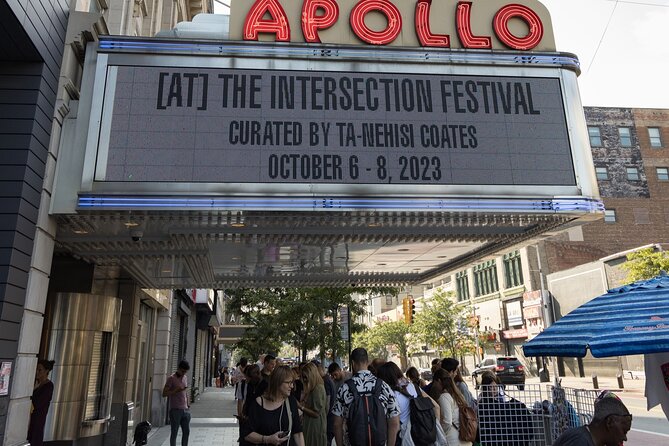
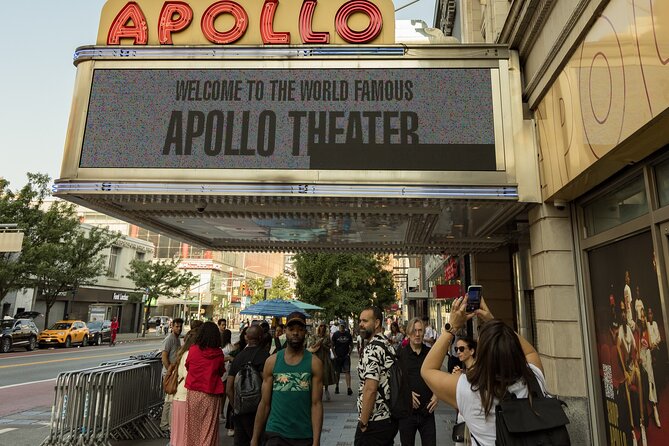
Harlem is where the tour becomes less about famous skylines and more about people and culture. The stop at the Apollo Theater is the centerpiece. The Apollo’s role as a stage for Black innovation and performance has been central since the theater opened, and the stop is also framed as a place tied to community creativity and advocacy.
From there, you move to Astor Row Houses, a set of 28 three-story homes built as early speculative townhouses. What you can spot quickly is the unusual setup: the homes sit set back from the street, with wooden porches and front and side yards. That yard detail is especially interesting in Manhattan, where green space is often scarce.
What you’ll gain in Harlem is perspective. It’s not just “look at the neighborhood.” You learn to connect the blocks you see now with how the area shaped music, performance, and identity. You also get a feeling for how community architecture and cultural institutions create a neighborhood’s personality.
If you care about a specific aspect of Harlem, like seeing a building from the road, note that construction or day-to-day conditions can affect how much you can actually view. This tour keeps moving to cover multiple boroughs, so don’t treat it like an appointment for one single site.
The Bronx: Joker Stairs, Yankees, Murals, and Real Everyday Stops
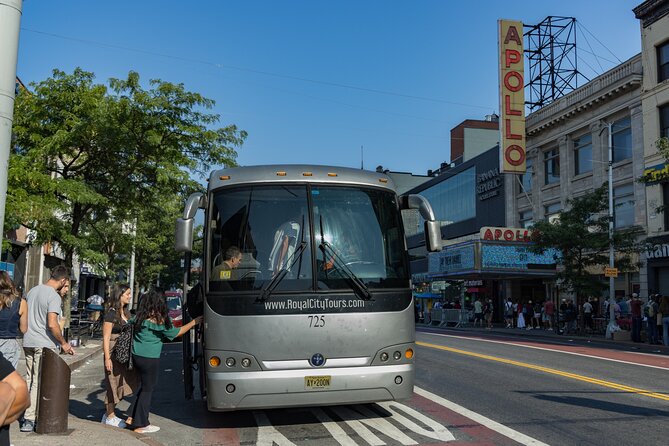
The Bronx section is built on a powerful mix: film locations, sports history, and street-level everyday life. If you only know the Bronx from one category, this itinerary expands your mental map fast.
You’ll start with the Joker Stairs, linked to filming for the Joker movies. Even if you haven’t watched every scene, recognizing a real filming location in the middle of an ordinary neighborhood street feels different than seeing it on a screen.
Next is Yankee Stadium, with context that the Old Yankee Stadium operated from 1923 to 2008, then the new stadium opened in April 2009. You also get the sense that baseball here is not just a game. It is an anchor that shaped identity across generations of New Yorkers.
Then you get something more grounded: a typical Bronx bodega stop, including Cancun Deli Grocery as an example of the kind of small independent store that carries regional foods and its own personality. These are the places where you actually see how people eat day to day.
After that, the murals bring the Bronx into focus as a living memory. You’ll stop for a memorial tribute connected to Big Pun and for another mural tied to Tats Cru and the community mural tradition. The “I love the Bronx” concept is presented as a wall of meaning, where each letter points to traits of the borough.
The day also includes a photo of Amadou Diallo painted on a building near Wheeler Avenue in the South Bronx, connected to a tragic shooting. This is not a casual art stop. The point is that public walls can hold emotion, context, and history in one place.
Finally, you’ll hear framing about how the Bronx shifted in perception from the 1960s to the 1990s, while still being a birthplace for hip-hop and graffiti culture. That pairing matters because it keeps the borough from being reduced to one story.





Queens Beyond the Stereotype: Flushing Meadows, Citi Field, US Open Grounds, and the Unisphere
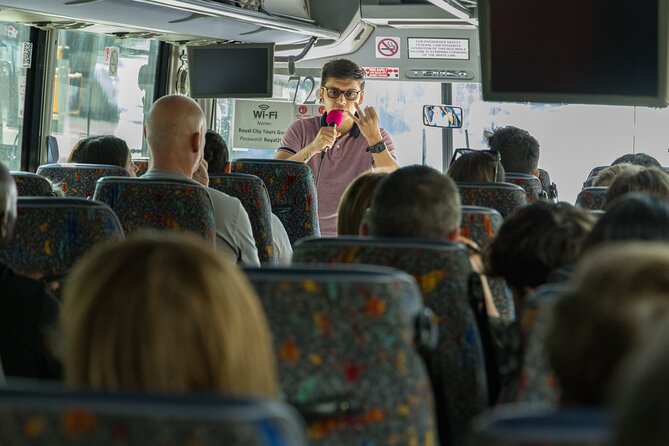
Queens can feel huge and hard to plan, even for repeat visitors. This tour tackles that by anchoring you around one of the borough’s best-known zones: Flushing Meadows Corona Park.
At this stop, you’re told it hosted two World’s Fairs in the 20th century, and it’s active for sports, trails, and historic hikes. You also get the bonus angle that it’s a filming location for major shows and movies. That matters because it helps you understand why this park feels like a stage set, even when it’s very real.
The route then continues with sports and event stops that match the Queens vibe. You’ll pass Citi Field, home of the New York Mets, and you’ll also hit the USTA Billie Jean King National Tennis Center area, where the US Open Tennis Championships take place.
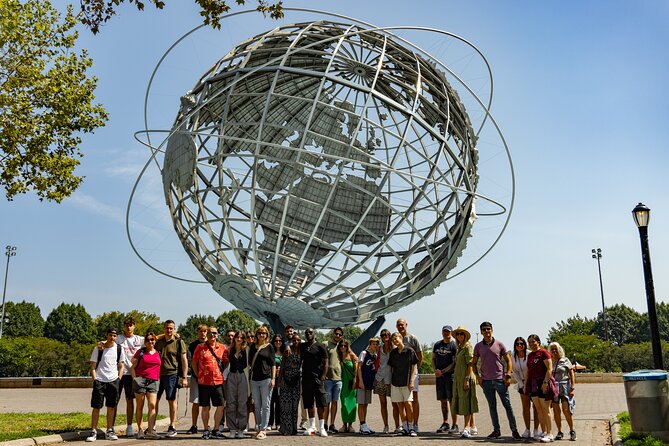
The final Queens icon is the Unisphere, built for the 1964 to 1965 World’s Fair. It’s described as a stainless steel replica of Earth, 140 feet high and built to be seen from many angles. It is also presented as the largest depiction of Earth that man has created.
If you want one practical takeaway from Queens here, it’s this: the borough has scale and variety, but it often makes sense to anchor your time around a single big hub. This itinerary does exactly that.
Brooklyn: East River Views, Williamsburg Texture, and Little Italy on Mulberry Street
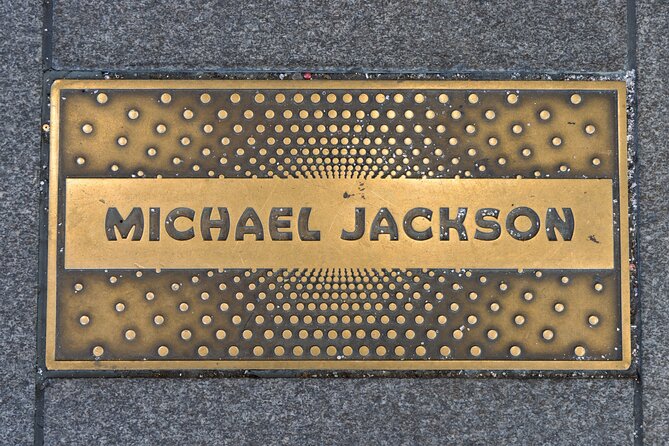
Brooklyn ends up being the mood shift day’s closer. You start with Domino Park in Williamsburg, a five-acre waterfront area along the East River. The payoff is easy: a calmer stroll with skyline views toward Manhattan, plus a break from constant driving.
Then comes Williamsburg, where you get the modern side: stylish shops, hip cafés, and popular eateries. At the same time, the area is tied to an observant Hasidic community, which the tour frames as part of the neighborhood’s texture. That mix is why Williamsburg feels like it has two speeds at once.
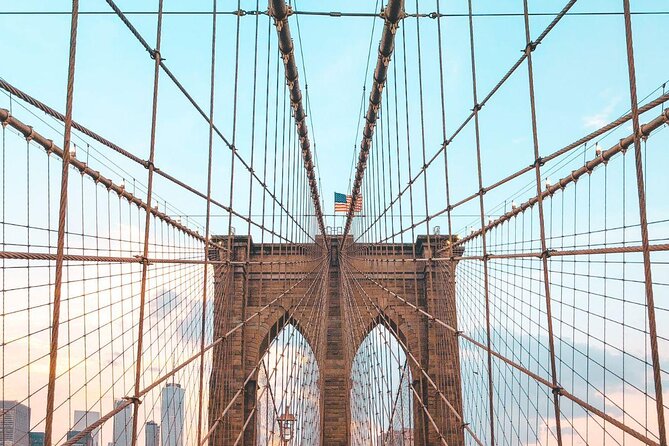
From there, the tour reaches the Brooklyn Bridge area. One common add-on from the day is walking back toward Manhattan after the tour, so if you like legs-on-streets time, wear shoes that don’t hate you. The bridge is one of those experiences where the photo is only the start, and the real value is seeing it close.
Then you get Little Italy, anchored on Mulberry Street. Here the stop focuses on Italian-American culture through restaurants, cafés, pastry shops, and markets. This is a good place to grab a snack if you still want something to eat after the tour, since food and drinks are not included on the itinerary.
Price and Value: Why $52 Can Make Sense Here
At $52 per person for about 5 to 6 hours, the value is largely in the transportation and the guide. You’re paying for an air-conditioned vehicle, a professional guide and driver, and all taxes and fees. For many people, the biggest cost of a multi-borough day is time, stress, and wasted effort. This tour tries to remove the “figuring it out” cost.
Also, the itinerary is loaded with free admission-style stops listed in the schedule, including places like the Apollo Theater area and multiple murals and photo points. Even if you decide not to go inside every possible location, the guide context can be worth more than a single attraction ticket.
What’s not included is important: food and drinks. So if you tend to get hungry or you’re planning on a long walking extension like the Brooklyn Bridge walk, bring water or plan to buy snacks nearby.
One more practical point for value: group size can be up to 50 and vehicle size depends on reservations. A smaller vehicle can feel more personal. Either way, you should expect brief pauses and photo windows rather than long sit-down experiences at each stop.
Timing, Seats, and What to Pack for an Efficient Day
This tour uses a mobile ticket, and confirmation arrives at booking time. It also operates in all weather conditions, so you should dress for the forecast and not just for the morning.
Because the tour requires every traveler to have their own seat, and babies can’t sit on laps, it’s built around regulated seating. If you’re traveling with kids, keep in mind children must be accompanied by an adult, and child or booster seats are required by law and must be provided by you.
For luggage, you should plan light. The tour notes no suitcases or large bags, and a $10 per bag fee may apply. Restrooms may not be available on the vehicle, so use facilities before you board if you can.
Finally, timing can shift. Some people have experienced late starts due to pickup mix-ups, and the route can be extended or shortened due to road conditions or unforeseen events. If you have dinner reservations or a next-ticket plan, aim to schedule it at least a couple hours after the tour ends.
Should You Book This City of Contrasts Tour?
Book it if you want a high-effort sampler of New York boroughs in one day, especially if you’ve mostly stayed in Manhattan so far. This is the kind of tour that helps you understand how the city’s architecture, music, public art, and everyday commerce connect across neighborhoods.
Skip it or consider a different format if your priority is long time inside one or two major attractions. This route is about coverage and orientation, not slow museum pacing.
If your goal is to walk away with a clearer mental map of New York and a better sense of how different boroughs actually feel on street level, then this tour is a solid pick for the price, and it saves you the headache of arranging transport yourself.
FAQ
How long is the City of Contrasts tour?
It runs about 5 to 6 hours.
What is included in the price?
The tour includes driver/guide, a professional guide, transport by air-conditioned vehicle, and all taxes, fees, and handling charges. Food and drinks are not included.
Where does the tour start?
The start point is 790 7th Ave, New York, NY 10019, USA.
Is the tour offered in English?
Yes. The tour is offered in English, and it may be operated by a multilingual guide (English/Spanish).
Are tickets included for stops like the Apollo Theater?
Some stops list admission ticket free in the schedule, such as the Apollo Theater and Astor Row Houses.
What about kids and seating rules?
Children must be accompanied by an adult. Every traveler must have their own seat, babies may not sit on laps, and child or booster seats are required by law and must be provided by the customer.
Are restrooms available during the tour?
Restrooms may not be available on the vehicle.
Can I cancel for free?
Yes, you can cancel for a full refund up to 24 hours in advance. If you cancel less than 24 hours before the experience start time, the amount paid is not refunded.
Is there a limit on group size?
Yes, the tour has a maximum of 50 travelers.