
Review · STATUE OF LIBERTY & ELLIS ISLAND TOURS
Hard Hat Tour of the Abandoned Ellis Island Hospital Complex
A hospital tour on Ellis Island is not what you expect. The Hard Hat Tour lets you see the immigrant care spaces that normally stay off-limits, including contagious disease areas and operating spaces, and it does it with real history on your feet. I like that it is guided by people who know how to connect the buildings to the human stories, and I like that you also get JR’s art installation in the middle of the decay. One thing to think about first, the buildings are abandoned and cold in winter, so plan for comfort.
I also like the scale. You do not just peek at one room. The tour takes you into 29 unrestored buildings on the island’s south side, so you get a fuller sense of how the hospital functioned. Plus, your ticket supports ongoing preservation through Save Ellis Island, which feels meaningful when you are standing inside places that are literally still waiting to be cared for.
Timing matters too. The tour runs about 1 hour 30 minutes, and the ferry is not included, so you need to line up your Statue City Cruises ride before you show up. In the reviews, people call out cold weather and recommend comfortable shoes and warm clothing, especially when it is snowy.
Key things that make this tour special
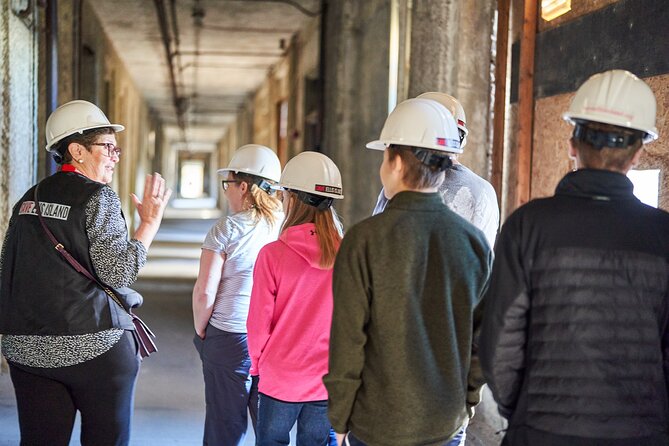
- Restricted access to the abandoned hospital complex: Walk in areas most visitors never see.
- 29 unrestored south-side buildings: You get the hospital system, not just one stop.
- Doctor, nurse, and immigrant perspectives: The guide connects care spaces to arrival realities.
- Contagious disease wards and autopsy rooms: You see how the system handled sickness.
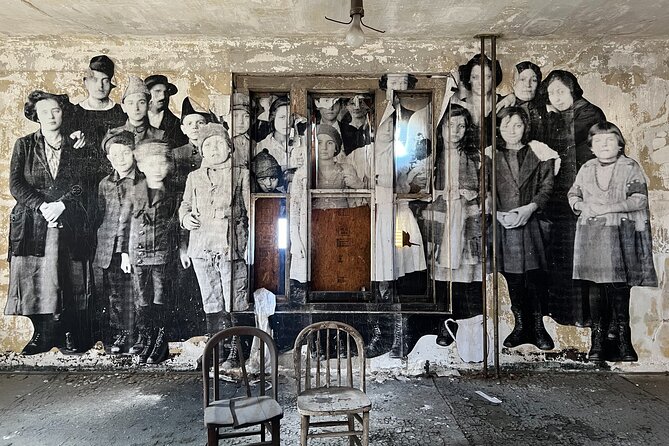
- JR’s Unframed inside decaying spaces: Historic photos meet the hospital’s current condition.
- Small group size (max 15): It stays personal enough for questions.
Why the abandoned Ellis Island hospital feels so real
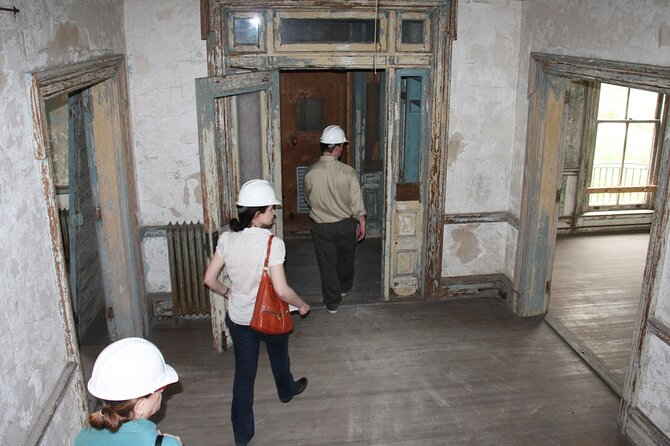
Most Ellis Island experiences focus on the public-facing museum rooms and the big story people already know. This tour takes you somewhere grittier. You step into an abandoned hospital complex that still looks like a working place that was simply left behind, not cleaned up for the camera.
That matters because it changes how the stories land. When you are in contagious disease wards and staff areas, you are not just learning terms. You are facing the physical problem the hospital was built for: people arriving sick, injured, or carrying illnesses from the journey. The setting reinforces the urgency behind every procedure the guide talks through.
I also appreciate the preservation angle. You are not paying just for access, you are supporting Save Ellis Island while the buildings continue to weather. Standing in unrestored spaces can feel heavy, but it also feels honest. It is history with time still on it.
You can also read our reviews of more tours and experiences in New York City.



Stepping into the tour: timing, group size, and what you actually get
The tour runs about 1 hour 30 minutes and is offered in English. The group size is capped at 15, which is a big deal in spaces like this. Smaller groups move better through tight corridors, and you can hear the guide’s explanations without yelling.
You start at the Ellis Island National Museum of Immigration in Jersey City, New Jersey. Your tour ends back at the meeting point. So you are not dealing with end-of-tour confusion, where to go next, or how to get across the island after you finish.
Tickets are mobile, and you should receive confirmation when you book. The tour is also scheduled often enough that you can still find dates, but it is commonly booked around a month in advance on average. If you have a tight itinerary, I would not wait until the last week to try to grab a slot.
Price and logistics: the ferry is the part people forget
The ticket price is $66.50 per person, and the tour includes the admission fee and a guide. What is not included is the ferry. You must buy your ferry ticket through Statue City Cruises, and it costs $25.50 per person.
So your all-in planning number is about $92.00 per person, before any extras you choose. That helps you decide quickly if the experience fits your budget.
Here is the practical advice piece: treat the ferry as the clock you have to beat. The tour time is fixed, and you do not want to arrive stressed after you realize you do not have the right reservation. Plan a buffer so you can handle lines, weather, and platform delays without feeling rushed.
Also, based on the winter experience noted in reviews, dress for cold inside abandoned buildings. In January, conditions can be snowy and chilly, and these spaces have been left for decades. If you tend to run cold, plan warmer layers than you think you need.
Inside the hospital complex: what you’ll see in about 29 buildings
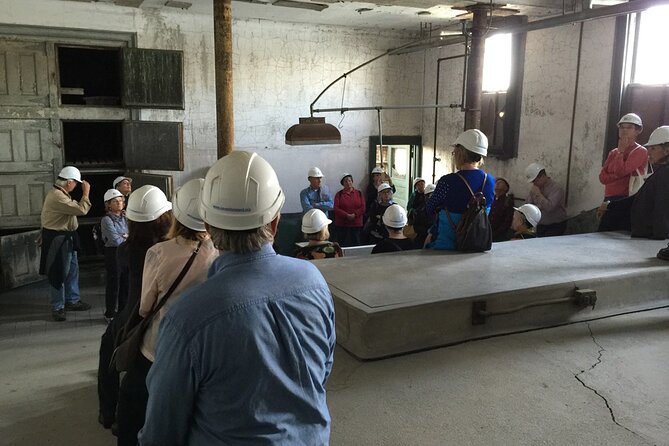
This tour focuses on the south side of Ellis Island and includes entry into 29 unrestored buildings. That means you are walking through many parts of a hospital system, not just one highlight room.
You can expect to pass through areas tied to care and processing, including:
- contagious disease wards
- autopsy rooms
- laundry facilities
- staff quarters
- and operating-room spaces
Even if you are not a medical history person, the guide’s job is to help you read what you are seeing. The buildings show how the hospital handled arriving immigrants, and how staff worked when sickness was involved. You start to understand that the hospital was built for real intake conditions, not ideal ones.
A key takeaway I think you will enjoy: the tour connects the architecture to the timeline of arrival. The hospital was not a separate story from immigration, it was part of it. The guide’s explanations help you understand how doctors and nurses made decisions with limited information, often under pressure.
The infectious disease wards: sickness, fear, and triage in plain sight
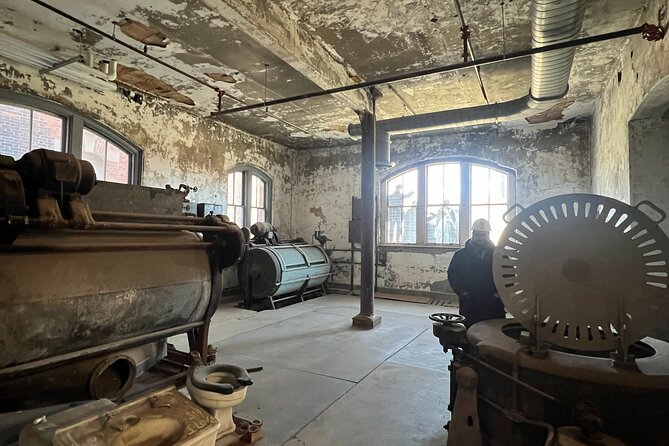
One of the most powerful parts of the tour is the infectious disease ward area. The setting makes it easier to grasp why contagious illness was treated with extreme separation and care.
The wards the tour highlights relate to serious diseases and the reality of infection spreading. The guide frames what those spaces were for and why isolation mattered so much. You also get a sense of how the staff life was organized around these needs, because staff quarters and related service areas show up in the tour route too.
I find that this section works even if you only know Ellis Island from the famous registry story. The disease wards connect immigration history to public health history, and they do it in a way that feels grounded. You are not just reading about fear and illness, you are seeing the physical infrastructure that grew around it.





Autopsy and operating spaces: a tougher stop that adds context
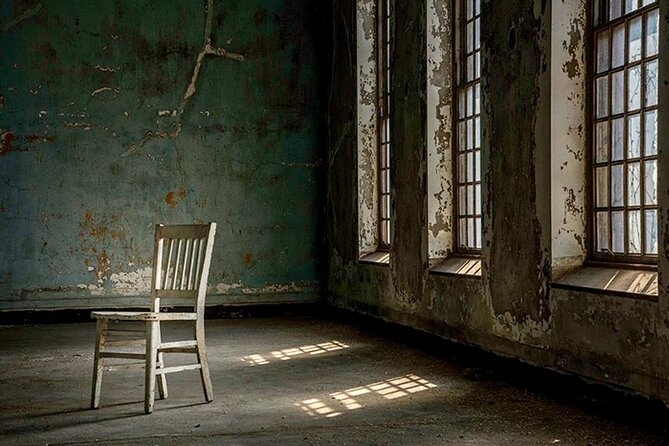
Seeing operating rooms and autopsy rooms is intense. This is not the kind of historical site that stays light.
But it is also, in my view, where the tour earns its “Hard Hat” reputation. These are not decorative reenactment spaces. They help you understand what happened when arriving people needed urgent medical intervention or when the hospital had to deal with the realities of severe illness or death.
A good guide keeps this from becoming only grim. The interpretation connects the procedures to the wider mission of the hospital, and to the immigrant experience of arriving to hope and then running into health barriers.
If you are sensitive to medical imagery or medical talk, I would treat this as a caution. You can still enjoy the tour for the historical value, but keep your expectations realistic. This is about human suffering and care, not just old buildings.
Service life you might not expect: laundry, staff quarters, and daily operations
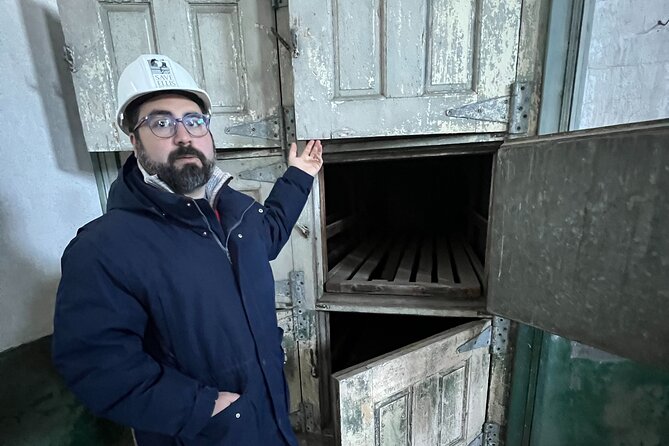
The tour does something smart. It does not limit itself to “big dramatic rooms.” It also includes laundry facilities and staff quarters.
Those quieter stops help you understand how the hospital functioned day to day. Laundry facilities signal sanitation and the effort required to manage contamination and cleanliness. Staff quarters give you a sense of the human side of caregiving, where workers lived and rested while a steady flow of arrivals passed through the larger immigration system.
If your interest is the behind-the-scenes work, this is a great section. It turns the hospital from a set of medical rooms into a living system with routines. That makes the history feel more complete.
JR’s Unframed in the decay: how art reframes the photos
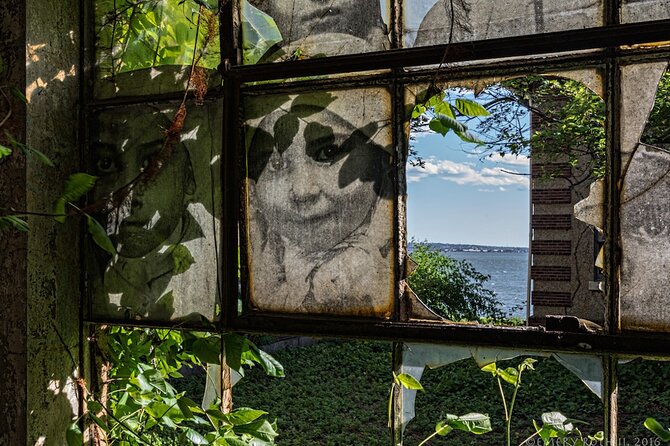
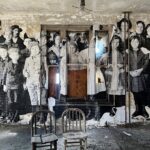
One of the standout “wait, that is here?” moments is JR’s art installation called Unframed. It features life-sized historic photos set within the decaying hospital spaces.
This combination hits differently than if the photos were displayed in a clean gallery. In the hospital setting, the images feel like they are part of the building’s story. You are looking at faces and records that belong to the immigrant experience while standing in a place that shows the passage of time.
I like this because it adds a contemporary lens without erasing what you are seeing. The art does not replace the historical meaning. It amplifies it, especially when you have just come from rooms tied to illness, triage, and treatment.
Guides matter here: Ben, Denise, and Dave as examples of the tone
A lot of tours can recite dates. The Hard Hat Tour aims for explanation that connects the places to what immigrants experienced and how the hospital responded. In reviews, guides such as Ben, Denise, and Dave get named for being informative and strong on context.
That is the difference you want. In a complex site with many rooms, the guide has to help you see patterns. They have to explain what each space was for and why it mattered, then bring it back to the larger immigrant story. When guides are good, the walk starts feeling like a guided lesson you can actually picture.
So when you book, check the guide name if it is provided. Even if you cannot choose, the reviews suggest the team takes the storytelling seriously.
Who should book this tour, and who might want to think twice
This is ideal for history lovers who want more than a museum walkthrough. If you enjoy photography, this is also a strong pick because the decaying corridors and framed-by-space photo installation create a unique visual experience.
It also suits anyone who cares about the immigrant story beyond the famous headlines. The tour’s focus on hospital care shows a side of immigration that is often overlooked, including what it meant when arrivals had diseases or injuries.
Who might pause before booking? If you cannot stand cold conditions, rougher walking surfaces, or uncomfortable medical topics, the tour may feel like too much. The buildings are unrestored and have been abandoned for decades, so comfort and tolerance are real parts of the decision.
Should you book the Hard Hat Tour of the Abandoned Ellis Island Hospital?
If you want Ellis Island in a more human, harder-to-ignore form, this is a smart use of time. For $66.50 plus the required $25.50 ferry, you are paying for rare access to unrestored buildings, a guided interpretation, and a preservation-supported experience. The small group size keeps it manageable, and the mix of disease wards, operating spaces, and staff service areas gives you a full picture of how the hospital worked.
Book it if you:
- like history that has texture and not just polished displays
- want the restricted hospital areas, not only public museum rooms
- appreciate context from a guide who connects buildings to immigrant life
Skip it or reconsider if you:
- dislike cold, dark, abandoned interiors
- feel strongly uncomfortable with medical settings and illness-related content
If you do book, plan your ferry first, dress warm, and wear shoes you can trust for uneven, old surfaces. Then let the guide do the work of turning rooms into stories. That is where the value really lands.
FAQ
How long is the Hard Hat Tour of the Abandoned Ellis Island Hospital Complex?
It runs about 1 hour 30 minutes.
Is the ferry ticket included in the $66.50 price?
No. The tour ticket is separate. You must purchase your ferry ticket through Statue City Cruises for $25.50 per person.
Where does the tour start and end?
It starts at the Ellis Island National Museum of Immigration, Ellis Is, Jersey City, NJ 07305, USA, and it ends back at the meeting point.
What language is the tour offered in?
The tour is offered in English.
What should I wear to the abandoned hospital buildings?
Wear comfortable shoes and warm clothing. The buildings are abandoned and can be chilly, especially in winter weather.
What group size should I expect?
The tour has a maximum of 15 travelers.
Is free cancellation available?
Yes. You can cancel up to 24 hours in advance for a full refund, and changes within 24 hours are not accepted.
More Tours in New York City




More Tour Reviews in New York City

Not for you? Here's more nearby things to do in New York City we have reviewed











More Statue of Liberty & Ellis Island Tours to consider.
 ★ 4.6Statue of Liberty & Ellis Island with FerryTickets from $1918,683 traveller reviews
 ★ 5.0Statue of Liberty and Ellis Island Tour: All OptionsTickets from $6913,571 traveller reviews
 ★ 4.6Statue of Liberty Express Skip-the-Box-Office CruiseTickets from $244,873 traveller reviews
 ★ 4.5Circle Line 1-Hr Statue of Liberty Skip-The-Line CruiseTickets from $273,342 traveller reviews
 ★ 4.6Statue of Liberty and Ellis Island Guided TourTickets from $592,765 traveller reviews
 ★ 4.5Circle Line: New York City Statue of Liberty Super Express CruiseTickets from $242,625 traveller reviews
 ★ 4.5Statue of Liberty and Ellis Island Guided Tour with FerryTickets from $592,189 traveller reviews
 ★ 4.5NYC City Tour: Statue of Liberty, 9/11 Memorial, Wall StreetTickets from $392,059 traveller reviews
More useful New York routes