
Review · MANHATTAN TOURS
Dutch Lower Manhattan Private Walking Tour
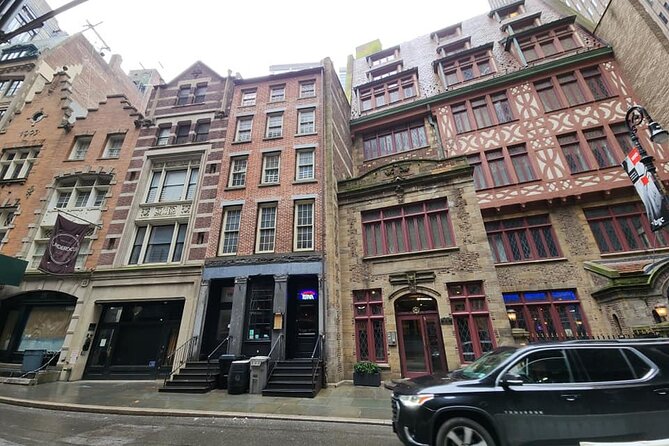
Dutch New York shows up at every corner. This private walking tour with Ann McDermott strings together the Battery, Staten Island Ferry area, Bowling Green, Wall Street, and ends at Maiden Lane in about two hours. You start at South Ferry Terminal at 3:00 pm and finish near Pearl Street.
I really like the guide approach. Ann is friendly and conversational, and she explains Dutch connections without making it feel like a lecture. I also like the extra touch that she offers Dutch language help when it comes up naturally, and she’ll point out interesting buildings and signs along the route.
One heads-up: Lower Manhattan has limited visible Dutch-era remnants, so some stops are more about interpretation than dramatic ruins. And because it’s a walking tour, you’ll want decent weather, with rerouting or a refund if conditions are poor.
A private format for real questions: Only your group participates, so you can ask follow-ups without watching the clock for someone else.
Battery to Maiden Lane, in one smooth loop: You cover the core Dutch-linked Lower Manhattan landmarks without feeling rushed.
Staten Island Ferry area sets the frame: You start with Dutch-culture context and “how to see the city” orientation.
Fort Amsterdam and early church themes: Bowling Green ties Dutch marketplace ideas to the first church in NYC.
Roosevelt family links plus Dutch food references: The ending area near Maiden Lane connects Dutch roots to everyday life.
Why Dutch Lower Manhattan Still Matters
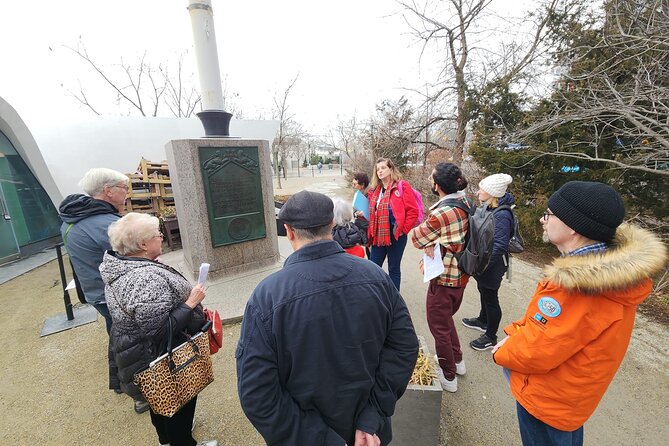
If you’ve ever walked through Lower Manhattan and thought, I know this is old, but what old?, this tour gives you a simple way to read the place. The Dutch angle is not just trivia. It explains why certain parts of the city feel the way they do, and why New Yorkers still talk about the world in styles that trace back to those early Dutch days.
What makes it especially fun is the balance. You aren’t stuck in one theme. You move from waterfront history to markets and fortifications, then onto the Wall Street area, and finally into a discussion around the Roosevelt family and how Dutch influence can show up in food. The guide keeps it practical, so the story stays attached to street-level details you can point at.
I also like that the tour doesn’t treat Lower Manhattan like a museum behind glass. It treats it like a living set of clues. When the guide talks about the Battery, Bowling Green, and Wall Street, you’re learning how to look at corners, street layout, and signage in a smarter way, not just reciting facts.
And because it’s private, you can lean into what you care about most, history, architecture details, or just building context fast so the rest of your trip makes more sense.
Meeting at South Ferry Terminal and How the 2-Hour Pace Works
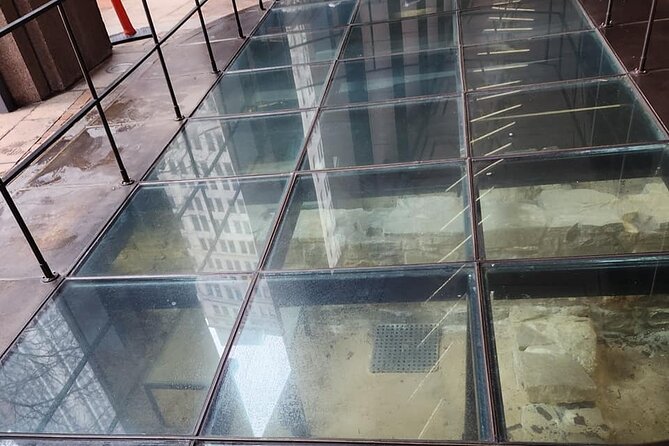
This is a walk with a clear start and a clear finish. You meet at South Ferry Terminal, New York, NY 10004, and you end at 94 Maiden Ln, New York, NY 10038, near Pearl Street. That finish point matters, because the walk concludes at the former business site of the Roosevelt family, so the ending discussion lands right where it belongs.
Timing is straightforward: the tour starts at 3:00 pm and runs about 2 hours. Each major stop is built around roughly 30 minutes, which is a good rhythm for Lower Manhattan. You get time for a real talk, time to look around, and time to actually move between points without feeling like you’re sprinting.
You’ll also want moderate physical fitness. This is not described as strenuous, but you are walking through the city, and Lower Manhattan sidewalks can get uneven, so comfortable shoes matter.
Two small practical notes that helped me in planning: it’s near public transportation, and you’ll receive a mobile ticket. Confirmation is sent within 48 hours of booking, subject to availability, so I’d still double-check details after you book.
You can also read our reviews of more walking tours in New York City



Battery First, Why the Waterfront Anchors Dutch Stories
The tour begins with a discussion at the Battery, and that choice is smart. Dutch history in NYC connects tightly to water, movement, and early settlement patterns, and starting at the Battery helps you build the right mental map before you move inland.
The guide frames the Battery’s importance in relation to Dutch history. In practice, this means you get a short, grounded “why this matters” talk early on, before you’re asked to follow deeper references later. It’s like setting the dial position on a radio so you don’t keep turning the knob.
If you’re the type who likes to understand the logic behind a city’s layout, you’ll enjoy this part. Even if the visible historic fabric is limited, you still get a clear story line to connect the dots: waterfront first, then markets and fortifications, then the financial district, then the Roosevelt area.
The only caution here is the one you’ll see again and again in this kind of tour. NYC often preserves names and interpretations more reliably than original structures. So if you’re hoping for huge, preserved Dutch-era monuments at every stop, you may feel the difference between what’s discussed and what’s physically visible.
Staten Island Ferry Orientation: Getting Your Bearings Fast
After the Battery context, you start at the Staten Island Ferry area. This isn’t just a random location on a route. It’s used as an orientation point, with the guide explaining how Dutch history connects to NYC culture and how those ideas still shape how people see the world.
This is the part that helps you walk smarter. Lower Manhattan can feel like a blur if you’re not tuned in. By the time you reach Staten Island Ferry, you’re not just looking at buildings, you’re already learning what questions to ask, and what details to notice.
You’ll spend about 30 minutes here, and the stop lists admission tickets as free. That’s useful because it keeps the tour focused on the guide’s commentary rather than extra fees or add-on attractions.
One of the underrated benefits of this orientation start is conversation momentum. In a private setting, you can respond to the guide’s framing right away. If Dutch ancestry interests you, this is where the tour gives you a reason to care beyond family connections, tying heritage to how the city developed and how residents think about the world.
Bowling Green to Fort Amsterdam: Markets, Church, and Control
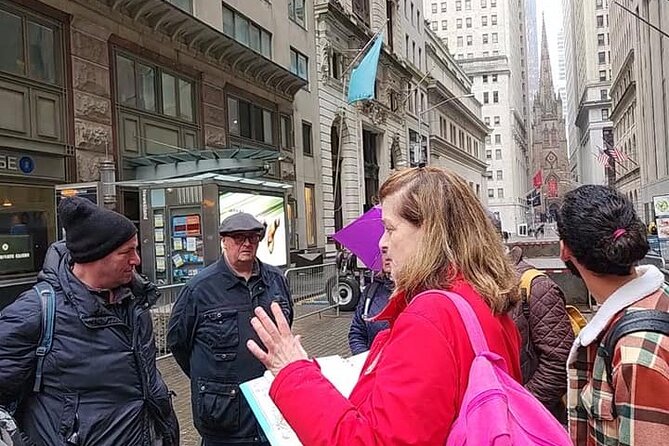
Next up is Bowling Green, and this stop is built around the Dutch marketplace idea and Fort Amsterdam. The guide highlights how Fort Amsterdam relates to the first church in NYC, which is one of those connections that turns a common public square into something more specific.
Bowling Green can look like just another Lower Manhattan plaza if you arrive without context. The tour changes that by connecting the space to early settlement functions, marketplace patterns, and religious life through the Fort Amsterdam link.
This is a strong stop for history buffs, especially if you like your history grounded in places. You get a “here’s what this area used to do” explanation, not just “here’s what happened once.” And because it’s private, you can ask about how the marketplace and the fort worked together, or how a first church connection fits the bigger story.
Timing is about 30 minutes, and admission tickets are listed as free. So you’re mainly paying for the guide’s ability to explain why these named points matter, and how Dutch influence shows up through themes like commerce and community.
The only thing to watch is expectation-setting. The tour can make the past feel close, but it can’t recreate preserved buildings that aren’t there. If you have a very visual, ruins-loving mindset, you may find some of this stop’s power comes from interpretation rather than dramatic remnants.
Wall Street, Fortifications, and Peter Stuyvesant’s Drinking Story
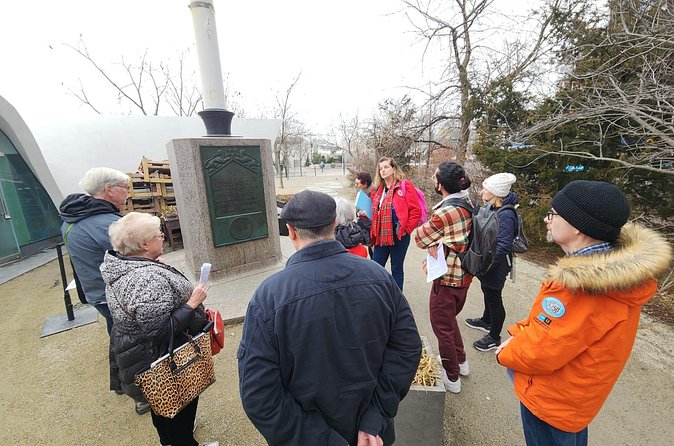
Wall Street is the dramatic word in the itinerary, and the tour uses that drama for context. Here, the guide examines why a wall was built in this area and connects it to Peter Stuyvesant, including a story about how he wanted everyone to stop drinking.
You get about 30 minutes at this stop. That’s enough time to understand the point of the wall idea, and to hear how the guide connects cultural behavior to leadership decisions in the early Dutch period.
This is also a good stop if you like story-based history. The drinking reference gives the tour a human, slightly humorous entry point. It’s not just about structures. It’s about control, behavior, and how leaders tried to shape the community.
For your planning: this is also a walking-and-looking stop. You’ll want to pay attention to building fronts and street layout while the guide talks, because the commentary is designed to make you see patterns.
One small drawback to keep in mind, based on what the guide tackles across the whole route: New York often preserved less of the physical original fabric than many older cities do. So you might stand in a modern block and learn to picture the older version through description. That can still be satisfying, but it’s a different feeling than walking through fully intact old walls.
You can also read our reviews of more private tours in New York City






Federal Reserve to Maiden Lane: Roosevelt Impact and Dutch Food Links
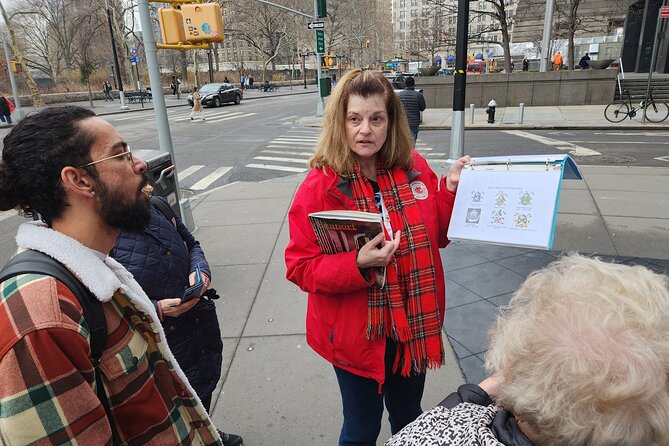
The tour passes the Federal Reserve Bank of New York on the way to Maiden Lane, and that sequence feels purposeful. The guide uses that pass-by to connect modern financial power with the earlier Dutch-linked story thread the tour has been building.
Near Maiden Lane, the discussion shifts to the Roosevelt family’s impact on your lives. The guide also brings in a Dutch impact on food, which is a memorable way to end because it ties historical influence to the things you actually eat and recognize every day.
You finish around 94 Maiden Ln, near Pearl Street, at the former business site of the Roosevelt family. Ending at a relevant point like that makes the last part land with more meaning than if you simply returned to a generic meeting spot.
This stop is about more than a final lecture. It’s where the tour turns outward, helping you connect Dutch-linked Lower Manhattan to everyday life in a way you can carry home.
If you’re a planner, this ending also helps. You can continue exploring nearby streets with a clearer idea of what you’re looking at. You’ll leave with names and themes that make other parts of the Financial District easier to decode, even when the buildings are purely modern.
How Ann McDermott Runs the Walk (and Why It Feels Like a Conversation)
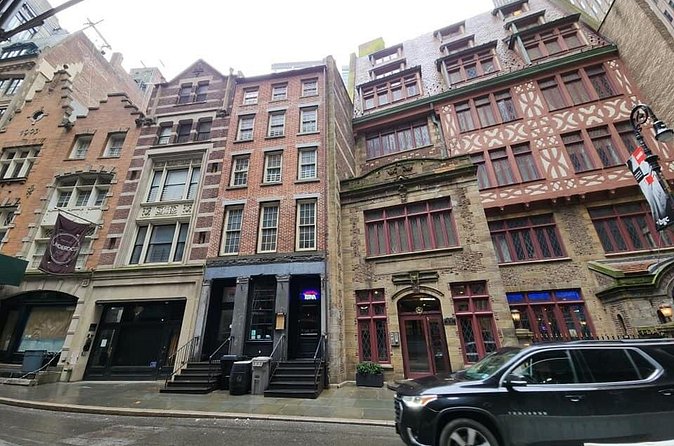
The tour is provided by Ann McDermott, and the way she teaches shows in how the walk feels. The tone is friendly. The pacing is calm. And the information stays connected to what’s in front of you.
One of my favorite aspects of Ann’s style is that it feels like a conversation more than a scripted monologue. You’re not just hearing a sequence of talking points. You’re encouraged into back-and-forth, and the guide responds with follow-up context when something sparks curiosity.
Ann also pays attention to details beyond the obvious landmark. If there’s an interesting building, a sign, or a visual clue along the route, she’ll use it. That turns the city itself into part of the lesson and makes the walk feel richer without adding extra stops.
There’s also a personal learning vibe. If you ask something she does not know, you’ll often notice she’s eager to find an answer or respond in a thoughtful way rather than shutting down.
And on some dates, you may have a colleague join the group. For example, one experience includes Beth as a colleague who came along for part of the walk. That can add a second voice and sometimes helps when the group wants more time at a specific point.
If you like a guide who blends historical interpretation with practical city noticing, you’ll likely enjoy this one a lot.
Price and Value: Is $40 for a Private Tour a Good Deal?
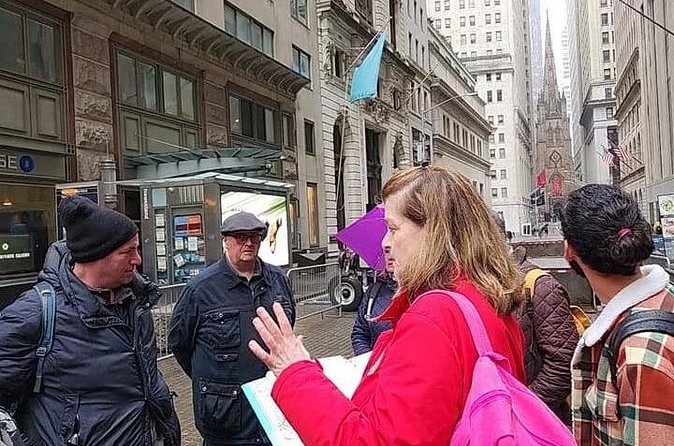
At $40 per person for about 2 hours, this tour is priced like a thoughtful add-on, not a huge splurge. The biggest value lever here is privacy. If you’ve done group walking tours where you can barely hear the guide or you’re stuck waiting for the rest of the crowd, a private format changes everything. You get personal attention and the flexibility to spend a little longer where your interests land.
There are also listed free admission tickets for the stops, which helps keep the cost predictable. You’re not stacking extra museum fees or paid attractions on top of the tour price. You’re paying primarily for expert interpretation and the guide’s ability to connect the Dutch themes across the route.
In plain terms, this is a good value if you match the vibe. If you like history tied to street-level places, and you want a guided path through Dutch Lower Manhattan, $40 feels reasonable. If you only want a fast overview and you don’t care about Dutch ancestry connections or specific themes like Fort Amsterdam and the first church link, you might decide you can read similar material online for free.
But if you do care, a private guide saves you time. It also saves you confusion. Lower Manhattan has a lot of noise, and this tour narrows the focus to the Dutch threads that make the city’s story click.
Who This Walking Tour Suits Best (and Who Might Skip It)
This tour fits best if you fall into at least one of these buckets:
- You’re a history buff, especially with Dutch ancestry or interest in Dutch connections in NYC.
- You want a private walk where you can ask questions and get tailored explanations.
- You enjoy learning while walking, and you’re comfortable with moderate walking during a city afternoon.
It can also be a great pick if you want a structured way to get orientation in Lower Manhattan. The tour covers enough ground to feel like you did something meaningful, but not so much that it turns into a grind.
If you’re expecting big, perfectly preserved Dutch buildings at every corner, you may feel a little let down. The guide can only work with what the city physically offers, and Lower Manhattan can be thin on visible remains. The reward is in how the guide interprets names, places, and connections, not in how many original walls you can touch.
Weather is another practical factor. The tour requires good weather, and if it’s canceled due to poor conditions you’ll be offered a different date or a full refund. So build in some flexibility when you’re scheduling.
Should You Book This Dutch Lower Manhattan Private Walking Tour?
I’d book it if you want Dutch history in NYC that feels grounded in real places, and you like a guide who keeps it conversational. Ann McDermott’s style, friendly explanations, and attention to buildings and signs make this more than a checklist tour. Plus, the route is set up to help you carry the story beyond the walk, especially with the ending near Maiden Lane and the Roosevelt family connection.
I’d think twice if your main goal is dramatic visual ruins or if you’re not interested in Dutch-linked themes. Since the city preserves less physical Dutch material than you might imagine, your enjoyment will depend on whether you’re happy learning through interpretation.
If you’re deciding based on value, $40 for a private two-hour walk with free admission stops is a fair deal, as long as you’re the type who uses a guide. If you want to understand Lower Manhattan instead of just passing through it, this is one of the smarter ways to do it.
FAQ
Where does the Dutch Lower Manhattan private walking tour start and end?
The tour starts at South Ferry Terminal, New York, NY 10004. It ends at 94 Maiden Ln, New York, NY 10038, near Pearl Street, at the former business site of the Roosevelt family.
What time does the tour start, and how long is it?
The start time is 3:00 pm, and the duration is about 2 hours.
Is this tour private, and do you get a mobile ticket?
Yes, it is a private tour/activity, with only your group participating. You also receive a mobile ticket.
What language is the tour offered in?
The tour is offered in English.
What stops and themes will we cover?
You’ll discuss the Battery in relation to Dutch history, then visit the Staten Island Ferry area for an orientation. After that, you’ll cover Bowling Green (including Fort Amsterdam and the first church in NYC), Wall Street (including why a wall was built and Peter Stuyvesant’s story about stopping drinking), and you’ll pass the Federal Reserve Bank of New York en route to Maiden Lane, with discussion of the Roosevelt family impact and Dutch influence on food.
What happens if the weather is poor?
The tour requires good weather. If it’s canceled due to poor weather, you’ll be offered a different date or a full refund.
Can I cancel and get a refund?
Yes. There is free cancellation. You can cancel up to 24 hours in advance for a full refund, and cancellations made less than 24 hours before the start time are not refunded. If the tour is canceled because a minimum number of travelers is not met, you’ll be offered a different date or a full refund.
More Walking Tours in New York City


More Tours in New York City





More Tour Reviews in New York City




Not for you? Here's more nearby things to do in New York City we have reviewed










More Manhattan Tours to consider.
 ★ 4.7Manhattan Helicopter TourTickets from $2997,076 traveller reviews
 ★ 4.8Manhattan Sightseeing Helicopter TourTickets from $2995,826 traveller reviews
 ★ 3.0JFK to Manhattan: One Way Shared Arrival TransferTickets from $313,687 traveller reviews
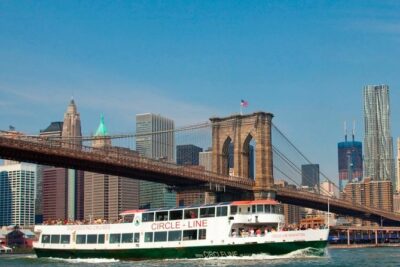 ★ 4.5Circle Line: 2.5hr – Complete Manhattan Island CruiseTickets from $343,488 traveller reviews
 ★ 4.6From Manhattan: 4-Hour Dyker Heights Holiday Lights Bus TourTickets from $632,426 traveller reviews
 ★ 3.5Manhattan to JFK: One Way Shared Departure TransferTickets from $312,030 traveller reviews
 ★ 4.5The Manhattan Helicopter Tour of New YorkTickets from $2361,842 traveller reviews
 ★ 3.5Private Transfer from Manhattan to NYC Airports (JFK/EWR/LGA)Tickets from $361,683 traveller reviews
More useful New York routes