
Review · CHINATOWN & LITTLE ITALY TOURS
Guided tour of Lower East Side, Chinatown and Little Italy in French
One neighborhood is good. Three, on foot, is better. This French-guided stroll links Lower East Side, Chinatown, and Little Italy into one easy arc, using stories of immigration, religion, and street life to explain why Manhattan looks the way it does. You get an informed, friendly guide who helps you notice what most people speed past.
I especially like the small group feel, capped at 12 people. And I like that the guide focus is practical too, with clear context about how each area developed, not just a list of sights.
One consideration: snacks are not included, so plan a small bite or water before you start, especially since it runs about 3 hours 30 minutes.
Key things to know before you go
- French-speaking guides in New York: You are listening to expats who know how locals experience these streets.
- Three historic districts, one continuous storyline: You connect architecture with social and cultural change.
- Max 12 people: You are unlikely to feel like you are being rushed through like a school bus.
- Afternoon timing: The 2:30 pm start works well if you want the rest of your day for food and wandering.
- Mobile ticket: Bring your phone, since you do not need printed tickets.
- No snacks included: Bring a light plan so you do not end the walk hungry.
The Lower East Side to Mulberry Street, in one smooth afternoon
This tour is built for people who want the “how did this neighborhood become this neighborhood” answer. The Lower East Side, Chinatown, and Little Italy may look different block to block, but they share a common theme: people arrived, communities formed, and the city kept reshaping itself around them.
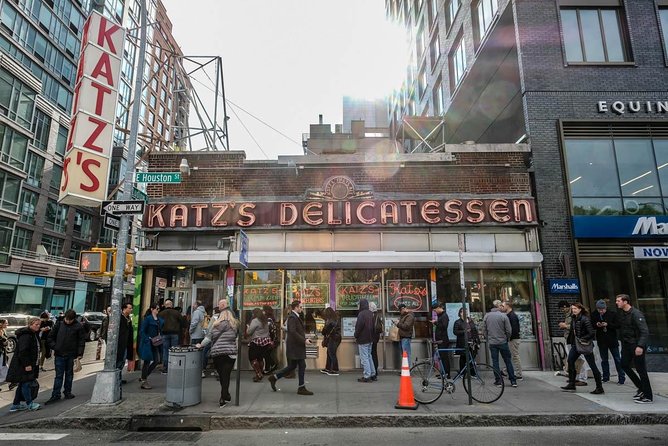
You start on East Houston Street at 2:30 pm and end at 176 Mulberry Street in Little Italy. That end point is convenient because it puts you near the exact kind of streets where you will want to keep going on your own after the tour, especially for meals and snacks that are very much part of the neighborhood rhythm.
The total time is about 3 hours 30 minutes, which is long enough to cover real ground, but not so long that you feel destroyed afterward. This is the kind of tour that helps you get your bearings fast.
You can also read our reviews of more guided tours in New York City



Price and what $63.86 really buys you
At $63.86 per person, you are paying for three things that matter in New York: a guide, a focused route, and time. A self-guided walk through these neighborhoods can be fun, but you lose the “why” that turns streets into understanding.
Here, the value comes from the way the guide stitches together big themes across districts. Lower East Side gets tied to immigration and even crime-era mythology. Chinatown gets explained through everyday commerce and how parks and street activity fit local life. Little Italy gets framed around an Italian community that still shapes what you see on Mulberry Street and around major celebrations like San Gennaro.
Also, the tour is limited to 12 travelers maximum. That matters because it usually keeps the pace human. You are not just herded forward, and you are less likely to miss the little bits the guide uses to keep the walk engaging.
Stop 1: The Lower East Side, where movies borrowed the city’s past
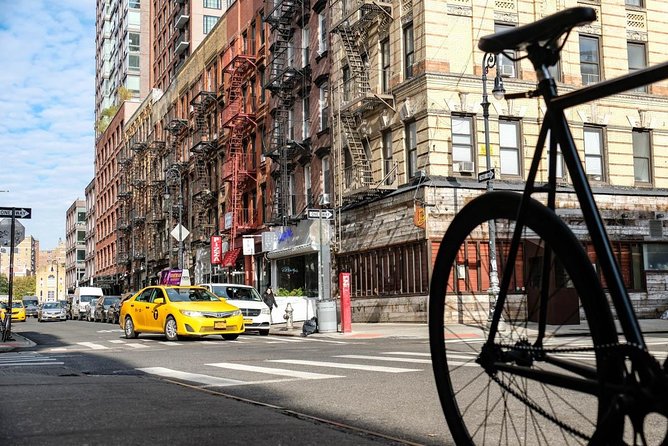
The Lower East Side part is a strong opening because it sets the tone for what you are about to see. This neighborhood fueled stories you may have heard of, including films like Gangs of New York and Once Upon a Time in America. But the guide does not leave it at cinematic myth. You connect those impressions to real themes: immigration, the Mafia era, Prohibition, and the constant pressure of urban growth and life “together” in a dense city.
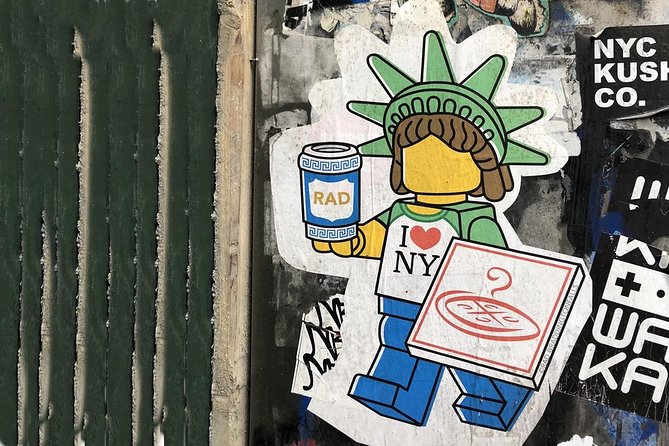
This is also where you get a good balance of past and present. You will talk about how today’s Lower East Side appeals to art lovers, with street art and more art galleries that have shown up in recent years. That mix is what makes the neighborhood worth visiting more than once. You can look at a block and see layers, not just one era.
What I like about this first stop is that it teaches you how to look. You start training your brain to connect buildings and street patterns to the people who used them.
Potential drawback at this stop: it can feel like the walking pace and the information pace both move quickly. If you like to linger for photos, just plan to do your slowest photo moments after the tour, once you know what matters most.
Stop 2: Chinatown’s codes, Columbus Park, and everyday practice
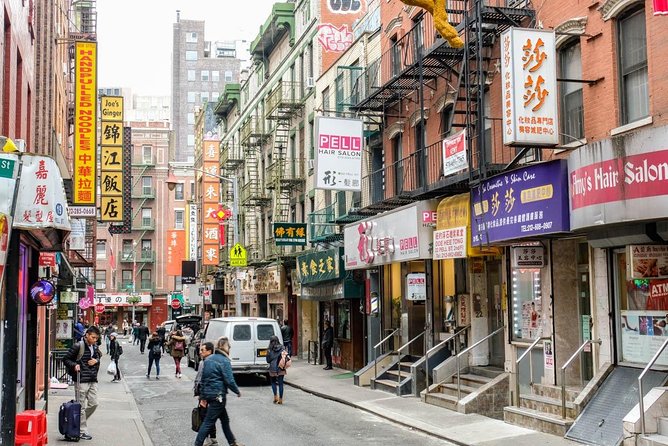
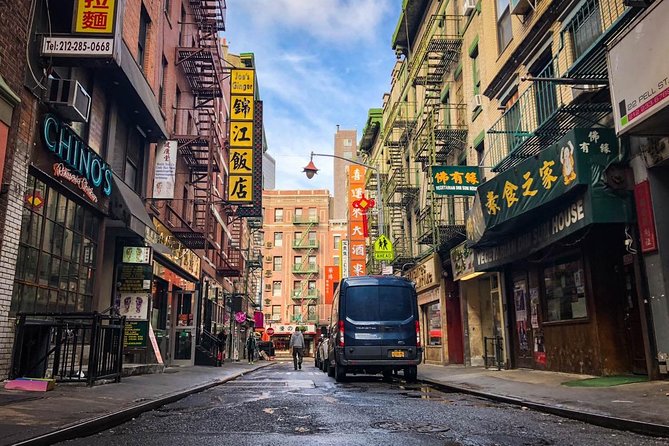
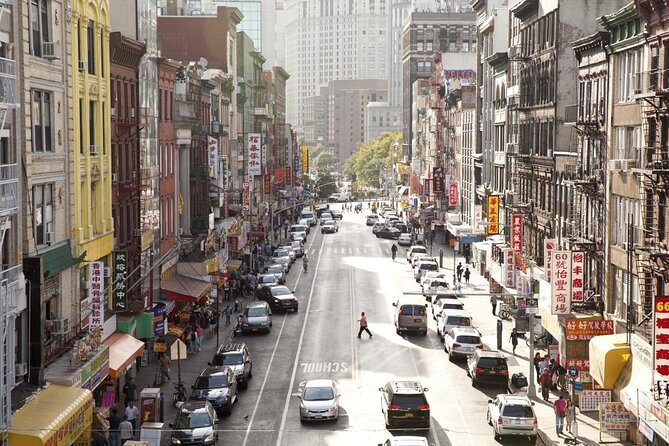
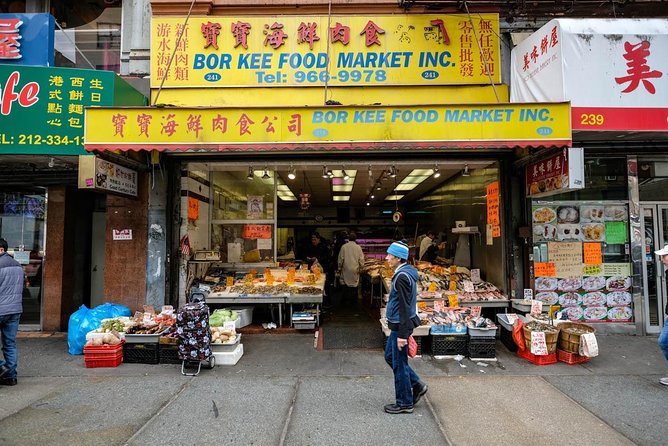
Then you shift into Chinatown, and the tone changes fast. The guide focuses on the feeling of the area, the radically different codes of daily life. Instead of treating Chinatown as one big block of shops, you are guided through the texture of commerce, including small workshops and shops like early morning fishmongers.
If you tend to enjoy observing real neighborhood routines, this is a great stop. It is not only about what you can photograph. It is about how the place functions, what kinds of businesses show up, and how people move through the area day to day.
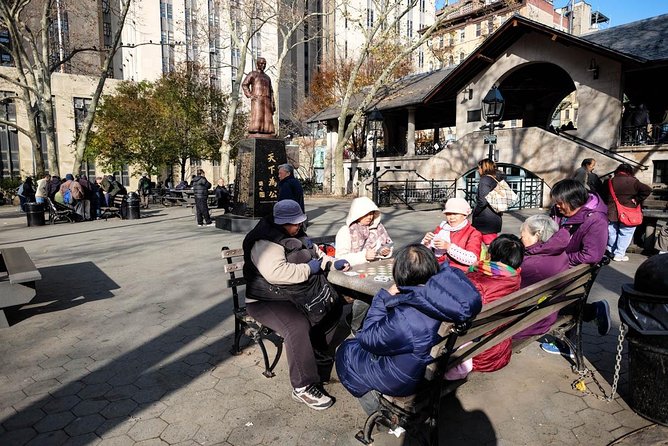
A highlight here is Columbus Park, described as the former site of Five Points. That historical connection helps you understand why parks and street corners matter in Manhattan. The story is not just “old history.” It’s “old place, new life.” You are told that locals go there to wander and play xianqui, a Chinese chess game, and to practice tai chi chuan.
That combination, park + daily activity + cultural continuity, is what makes this stop more memorable than a checklist. It also gives you a mental model for Chinatown beyond food and shopping.
Practical note: this section can be crowded depending on the day. If you prefer calmer streets for photos, treat photo breaks as short and purposeful, then keep moving.
Stop 3: Little Italy on Mulberry Street and San Gennaro energy
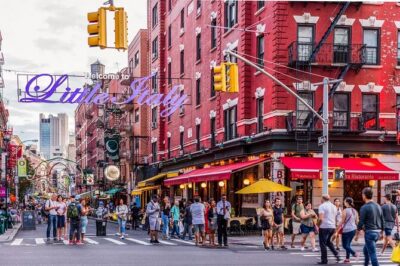
Finally, you land in Little Italy, and it is not just a nostalgic theme park. Even if the area’s size has shrunk, it remains the historic district of the Italian community, and you will focus on what that means on the street.
The center of gravity is Mulberry Street. Expect plenty of restaurants and delicatessens, and expect the street to show you the look and feel people associate with Italy. The tour also connects Mulberry Street to San Gennaro, an annual festivities tradition that the district is known for.
What makes this last stop valuable is that it functions as a bridge from history to your next hour of real life. By now, you understand how communities leave marks. When you walk Mulberry Street after the tour, you are not just seeing storefronts. You are recognizing what the guide prepared you to notice, like how food businesses, street color, and major celebrations all reinforce identity.
If you are hungry, this is the best place to be at the end. The tour ends at 176 Mulberry St, right where you would naturally want to start eating. You can use the tour to get ideas, then choose your meal based on what you cared about most during the walk.





The French guide angle, and why names like Fred and Marc matter
This is a French-language experience, led by professional French guides who are expatriates in New York for years. That detail matters because the guide is likely explaining the neighborhood in the way a long-term local would, not in a textbook way.
The best part, based on the guide feedback you can expect from past departures, is the storytelling style. Guides such as Fred, Marc, Marie, and Aymeric are described as passionate and precise, with a good visit rhythm and helpful small anecdotes. That combination tends to create two wins: you remember what you heard, and you understand it without feeling like you are sitting through a lecture.
If you speak French, this also helps you stay in the moment. You are not translating in your head, and you can focus on street-level details like shop types, the function of parks, and why certain corners got their reputation.
If you do not speak French fluently, you might still follow the route, but the experience is clearly designed around French narration. So think of it as a language-friendly choice first, and a sightseeing tour second.
What the route teaches you about New York, not just the neighborhoods
After this walk, you will likely see Manhattan differently. The Lower East Side teaches you how the city grew under pressure, with immigration and tough social conditions shaping what came next. Chinatown teaches you how everyday commerce and public spaces build a community feel even when the setting changes. Little Italy teaches you how a district can shrink and still keep a strong identity through food, streets, and annual traditions like San Gennaro.
That kind of understanding is useful because it makes the rest of your trip easier. You will know what to pay attention to when you walk on your own: street corners as gathering places, parks as social engines, and storefronts as signals of who lives and works around you.
This tour is also a good “first neighborhoods” choice. If you are only in Manhattan for a few days, three districts in one afternoon is a strong way to get an overview without turning your day into a map-reading contest.
Who should book this Lower East Side, Chinatown, and Little Italy tour
This tour fits best if you want a guided route in French and you enjoy context. I think it is especially good for:
- French-speaking visitors who want to understand what they are seeing, not just where it is.
- People who like walkable history linked to daily life, like markets, parks, and community traditions.
- Anyone who wants a balanced mix of past and present, from Mafia and Prohibition stories to street art and current restaurant streets.
It may not be the best match if you prefer totally independent sightseeing or if you want to spend a lot of time in one place. The tour is structured, and there is time devoted to each district, so you will move.
Tips to get the most from your 2:30 pm start
Because the walk runs about 3 hours 30 minutes, set yourself up for comfort. Wear shoes that can handle Manhattan sidewalks, and bring a small plan for energy since snacks are not included.
Also, because the tour uses a mobile ticket, make sure your phone has enough battery. Keep your confirmation ready if asked, since confirmation timing can vary when you book close to the travel date.
And since it requires good weather, check the forecast. On a bright day, parks and street corners feel like part of the story, not just places you pass through.
Should you book this French neighborhood tour?
Yes, you should book it if you want a French-guided way to connect three of Manhattan’s most story-heavy districts. The price makes sense for the time and the coverage, and the max 12-person size is a real quality signal for pacing.
I would especially recommend it if you like tours that explain how communities formed, how public spaces are used, and how street-level commerce ties into cultural identity. Starting in the Lower East Side and ending on Mulberry Street also sets you up for the smartest next step, eating and exploring with clearer eyes.
If you hate long walks or you cannot handle French narration at all, then look for an alternative that matches your pace and language needs. Otherwise, this is a very practical way to understand Manhattan’s social mix, in one afternoon.
FAQ
How long is the Lower East Side, Chinatown and Little Italy tour?
It lasts about 3 hours 30 minutes.
What language are the guides?
The tour is guided in French.
How big is the group?
The tour has a maximum size of 12 travelers.
Where does the tour start and end?
It starts at East Houston Street (E Houston St, New York, NY) and ends at 176 Mulberry St, New York, NY 10013.
Are snacks included?
No, snacks are not included.
Are service animals allowed?
Yes, service animals are allowed.
More Guided Tours in New York City


More Tours in New York City



More Tour Reviews in New York City
Not for you? Here's more nearby things to do in New York City we have reviewed








More Chinatown & Little Italy Tours to consider.
 ★ 5.0SoHo, Little Italy, and Chinatown Walking Tour in New YorkTickets from $393,153 traveller reviews
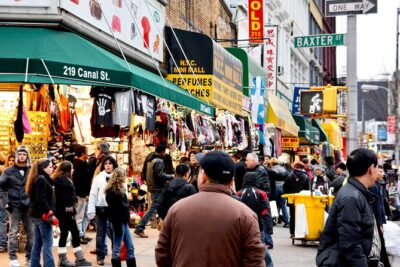 ★ 5.0Chinatown & Little Italy Food Tour with 7 Flavorful TastingsTickets from $992,733 traveller reviews
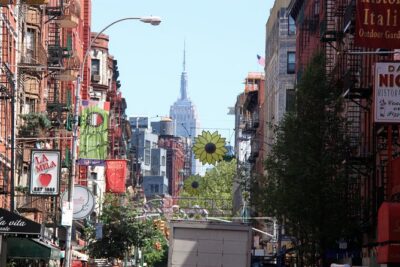 ★ 5.0Original NYC Guided Food Tour of Chinatown and Little ItalyTickets from $1302,194 traveller reviews
NYC Food Tour: Chinatown and Little ItalyTickets from $991,090 traveller reviews
★ 5.0Original NYC Guided Food Tour of Chinatown and Little ItalyTickets from $1302,194 traveller reviews
NYC Food Tour: Chinatown and Little ItalyTickets from $991,090 traveller reviews
 ★ 4.7Chinatown and Little Italy Food TourTickets from $80703 traveller reviews
 ★ 4.7SoHo, Little Italy, and Chinatown Guided TourTickets from $30614 traveller reviews
 ★ 4.6SoHo, Little Italy, and Chinatown 2-Hour Guided WalkTickets from $39566 traveller reviews
 ★ 5.0SoHo, Little Italy, and Chinatown NYC Guided Walking TourTickets from $36443 traveller reviews
More useful New York routes