
Review · HARLEM TOURS
Harlem Walking Tour: Mount Morris Park Historic District w/ Lunch
Harlem rewards slow walking. This Mount Morris Park Historic District tour is a smart way to see historic buildings and real neighborhood corners, with lunch included and a guide who brings the streets to life. I love the architecture stop-by-stop, especially when a church detail turns into a story about who built this community and why.
My second big win is the relaxed meal part of the day. You get a proper lunch break with enough food that you will not leave hungry, and the group size stays small enough to ask questions without yelling over everyone. The one thing to consider is that the walk can run slower for some groups, and street noise can make it harder to catch every detail if you are standing at the wrong spot.
Key highlights worth planning for
- Local guides you might meet include Doris, Jonathan, Carolyn, and Debi, all praised for personal Harlem stories
- St. Martin’s Episcopal Church features Romanesque Revival architecture plus landmark status from 1966
- Marcus Garvey Memorial Park is a long-timer in the city and linked to a major 1960 moment, when Fidel Castro spoke there
- Temple Israel, originally Hand-In-Hand connects Harlem’s Jewish history to specific visual details like the Stars of David in the building’s design
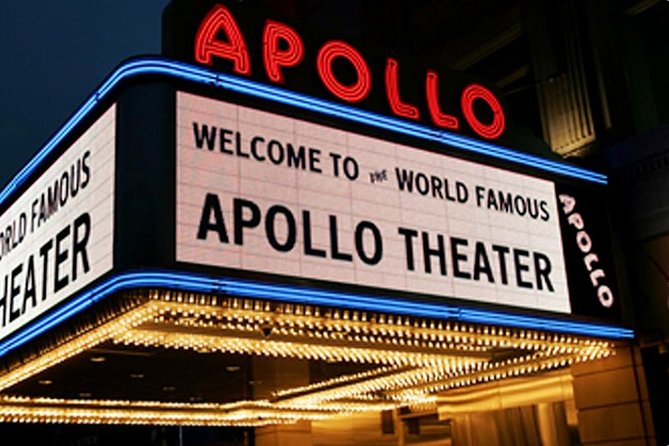
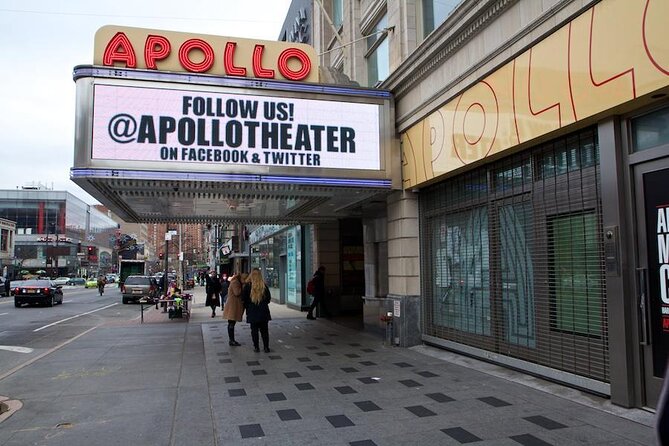
- Apollo Theater is a must-see stop where the neighborhood’s music and performance legacy shows up in plain sight
- Lunch included is often described as plentiful, with multiple choices and even cake surprises
Why Mount Morris Park feels different from most Harlem tours
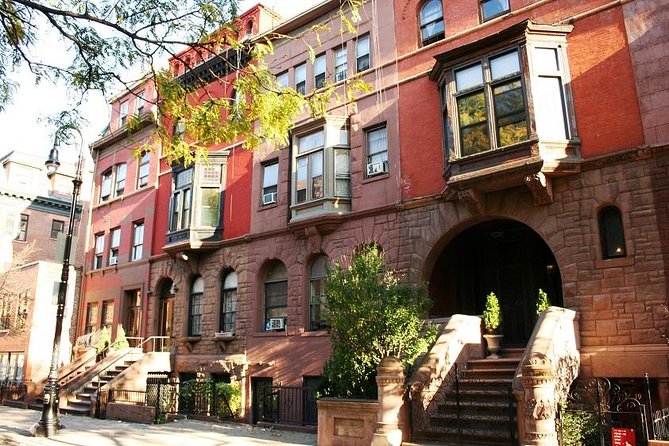
If you only see Harlem from the big-name highlights, you miss the in-between parts where the city feels personal. This tour focuses on Mount Morris Park Historic District and the surrounding streets, so you spend your time looking at buildings, church facades, and park spaces that explain how the neighborhood grew.
What makes it work is the mix of “look up, look closer, then listen.” A Romanesque arch stops being just pretty stone once your guide points out what the building meant to the people using it over time. You will walk away understanding why these blocks are worth saving.
You can also read our reviews of more walking tours in New York City



Tour details you should know before you set out
This is a 3-hour walking tour starting at 11:00 am, with an included lunch afterward. The tour price is $82 per person, and because lunch is part of the deal, you are not doing the math of paying for a meal separately while also paying for a guide.
The group maximum is 30 travelers, which keeps the vibe from feeling like a conveyor belt. It also means your guide can slow down if someone needs a moment, and you can usually hear the stories better than on larger group walks.
One practical note: this experience is described as requiring good weather. If the forecast looks sketchy, plan to dress for shifting conditions so you can stay comfortable during the walking stretches.
Starting at 145 W 122nd St: get your bearings fast
You meet at 145 W 122nd St. This is a helpful start point because you are already in the Harlem fabric instead of commuting in circles first. It is also near public transportation, which matters if you are building the day around subway timing.
From the first steps, the guide sets expectations for what you are about to see. Expect orientation talk plus immediate attention to streetscape details, like how the blocks are laid out and how the architecture changes as you move.
A tip that pays off: when the guide pauses to point something out, stop moving for a few seconds. The most interesting details are usually up high on building elements, not just on street level.
St. Martin’s Episcopal Church: Romanesque Revival with a community story
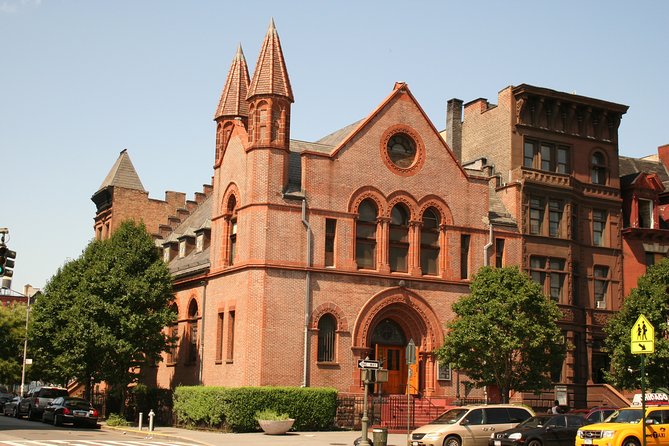
One of the standout stops is St. Martin’s Episcopal Church, built between 1887 and 1889. It is Romanesque Revival architecture, and that style matters because it uses heavy, dramatic forms that make the building feel permanent.
You are not just looking at a pretty facade. The church has a history tied to Caribbean immigrant congregations since 1928, and it was designated a landmark in 1966 for its historical significance. That combination, architecture plus immigrant community roots, is why this stop hits.
Why I like it for your visit: it trains your eyes. After seeing how the church’s design signals its era, you start noticing similar design language on nearby buildings, and Harlem starts to read like a timeline instead of a random collection of facades.
Potential drawback: if you are sensitive to ambient street sound, stand slightly to the side of the sidewalk flow where you can hear clearly. One or two guides in past tours have been praised for being attentive, but street noise is still street noise.
“Welcome to Harlem” walk: street-level context you will actually use
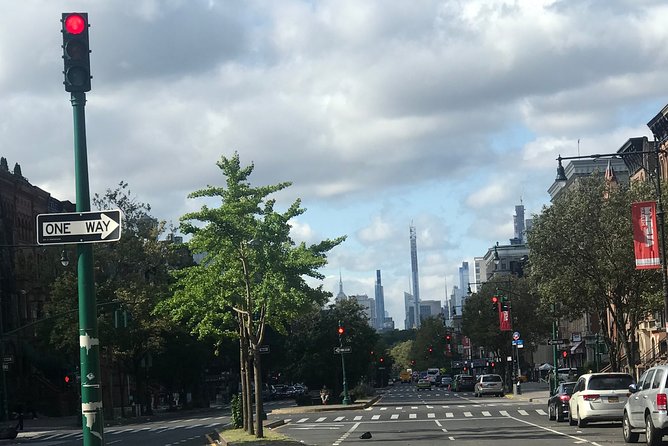
Between major sites, the tour includes orientation time framed as “Welcome to Harlem.” This is where the guide helps you understand what to pay attention to while you walk.
In practice, this means you learn how to connect what you see on the block with larger themes like neighborhood growth, migration, and cultural life. Even if you know Harlem from books or playlists, the guide’s job is to translate that knowledge into what you can spot right now.
This segment also helps you pace yourself. You get quick context early, so later stops feel less like random sightseeing and more like parts of one story.
You can also read our reviews of more historical tours in New York City






Marcus Garvey Memorial Park: an old park tied to big moments
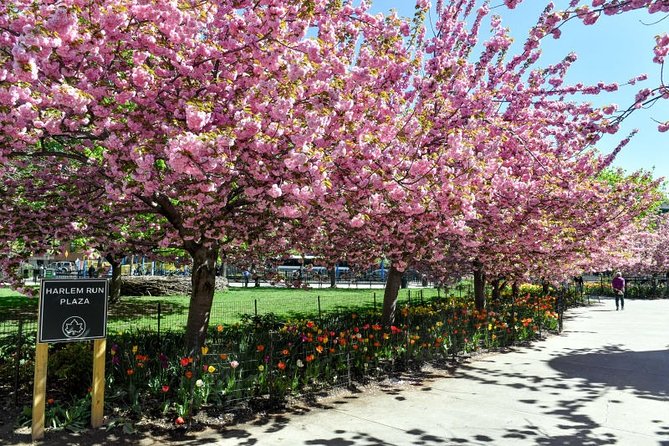
Next up is Marcus Garvey Memorial Park, one of the older parks in New York City. Expect a slower, more open-air feel compared to walking between buildings.
The most memorable detail here: the park is also linked to Fidel Castro’s 1960 speech. You are standing in a public space that has held community life, and the guide connects that everyday setting to major historical moments.
For your visit, the value is balance. Parks are easy to treat as rest stops, but on this tour you treat it like a chapter. Once the guide explains the connection, you stop seeing it as just greenery and start seeing it as a stage for the neighborhood’s civic life.
Temple Israel, Hand-In-Hand, and the Stars of David detail
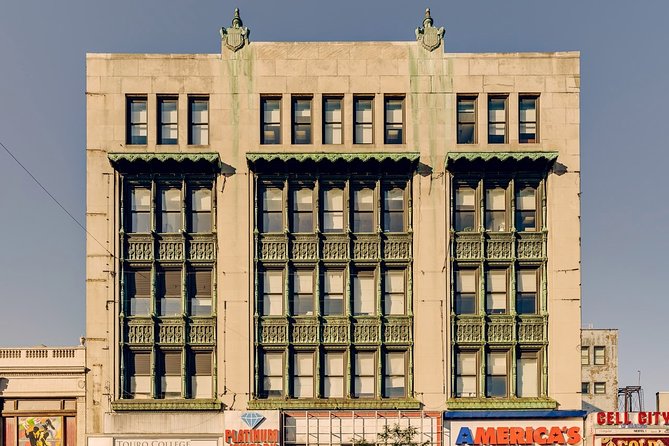
Another architectural moment focuses on a church originally Temple Israel, tied to Harlem’s early Jewish community. The reference here is that it was incorporated as Hand-In-Hand in 1873.
What makes this stop practical, not just ceremonial, is the guidance on what to look for. You will want to search for the Stars of David placed in leafy capitals of the building’s four Corinthian columns. The tour also highlights that these symbols are embedded in the window casements.
This is a great stop if you like “slow looking.” It rewards you for being present, and once you know where to search, the building starts giving you new visual information with each turn of your head.
Apollo Theater: the famous facade, framed by neighborhood context
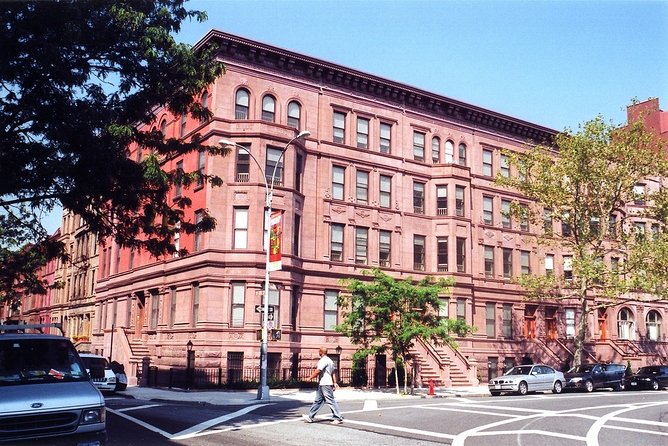
The Apollo Theater stop is one of those “I have seen it in photos” moments, but the tour does something better than that. The guide brings in stories about the neighborhood and the way performance culture shaped identity in Harlem.
When you visit Apollo as part of a walking tour, it does not feel like a standalone landmark. It feels like a point on a map connected to churches, parks, and architecture. You start to see how public spaces and community institutions overlap.
This is also a good moment to reset your energy. Even if the theater itself is not what you spend time inside, the area around it is where the tour’s theme becomes very obvious.
Lunch included: local food, plentiful portions, and cake potential
The lunch is the easiest win to plan around because it is included. Based on what people report, the meals can be filling, with enough variety that most people can find something that works.
Several reviews mention a lunch stop at Jacob’s Market and describe the food as a treat. Others note that there are many choices and that a vegetarian eater can still eat well.
Also keep an eye out for cake. Some groups reported getting red velvet cake from a local baker known for a Guinness record, and a few folks mention multiple cake stops. You should not rely on a specific sweet for every tour, but the “cake is part of the culture” idea is clearly part of the experience.
How to use lunch strategically: since the guide covers a lot of ground and stories, treat lunch as both fuel and a chance to ask questions. If you have a specific interest, like music, churches, or Harlem Renaissance connections, this is often when the guide can tailor answers before the walk wraps up.
Value for $82: what you are actually buying
At $82, you are paying for three things: time, a guide, and lunch. If you were to pay for a guide plus a meal on your own, the total usually rises fast in New York City.
The best value signal here is the “no copy-paste” feeling reported in the experience style. People mention guides who adjust to what the group wants, and that is what makes the price feel fair rather than transactional.
If you are price-sensitive, the key question is simple: do you want someone to help you read the neighborhood while you walk? If yes, the included lunch makes the deal easier to swallow. If you prefer to wander alone and you do not care about interpretive storytelling, then you might feel like you could do it cheaper on your own.
Pace, hearing, and what to bring for a smoother walk
You should plan for an active day, but the walking time can be slower than the advertised pace. Some groups report extra time on the street, which often comes from longer conversations, more stops, or a guide taking extra care.
That means two things for your planning:
- Wear comfortable shoes and bring water.
- Give yourself flexibility in your afternoon schedule.
For hearing the guide, choose your position. When the group is crowded near busy sidewalks, it is harder to catch every word. If you know you struggle with audio in street noise, stand closer to the guide and keep your eyes on them, not your phone.
If you have mobility concerns, the experience is listed as something most travelers can participate in, but it is still a walking tour. You will want to judge your own stamina.
Who this tour suits best
I think this tour works especially well if you want Harlem with more meaning than a checklist. It is a good match for first-timers who know Harlem by reputation but want the neighborhood explained in real places.
It also fits history and architecture fans. Stops like St. Martin’s Episcopal Church and the Temple Israel detail work best when you enjoy looking closely and hearing the story behind what you see.
If you are traveling as a couple, a small friend group, or solo, the group cap helps. People also mention feeling welcomed even when attending alone, which is a solid sign for social comfort.
If you are sensitive to slow pacing, you should go in with the mindset of “guided walking plus stories,” not “move fast, see everything, done.”
Should you book this Mount Morris Park Harlem tour with lunch?
Book it if you want Harlem that makes sense. You will get an architecture-focused walk, a park stop tied to a major 1960 moment, and a theater visit framed by neighborhood context, plus an included lunch that many people describe as plentiful.
Skip it only if you hate walking tours with conversation, or if your schedule cannot handle the possibility of a slower pace. Also, if you need perfect audio at all times, be ready to position yourself well along the route.
With a 4.8 rating and strong recommendations, the simplest way to think about it is this: you are paying to see the neighborhood with help, and the meal makes it easier to commit to the experience.
FAQ
How long is the Harlem Walking Tour with Mount Morris Park Historic District?
It runs for approximately 3 hours.
What time does the tour start?
The start time listed is 11:00 am.
How much does the tour cost?
The price is $82.00 per person.
What is included in the price?
The tour includes a professional guide and lunch.
What is not included?
Hotel pickup and drop-off are not included.
Where do I meet the tour?
You meet at 145 W 122nd St, New York, NY 10027.
Where does the tour end?
The tour ends in Harlem, New York, NY.
Is the tour offered in English?
Yes, the tour is offered in English.
Is there a limit on group size?
Yes, the tour has a maximum of 30 travelers.
What is the cancellation policy and weather requirement?
Free cancellation is available up to 24 hours in advance for a full refund. The experience requires good weather, and if it is canceled due to poor weather, you will be offered a different date or a full refund.
More Walking Tours in New York City


More Tours in New York City






More Tour Reviews in New York City



Not for you? Here's more nearby things to do in New York City we have reviewed









More Harlem Tours to consider.
 ★ 4.5NYC Highlights Tour: Bronx, Brooklyn, Harlem, Queens & ConeyTickets from $462,846 traveller reviews
 ★ 4.5Contrasts Tour of Harlem, The Bronx, Queens & BrooklynTickets from $392,167 traveller reviews
 ★ 4.7Harlem Hallelujah! Gospel Wednesday ConcertTickets from $251,638 traveller reviews
 ★ 4.7Harlem Gospel Live Music ConcertTickets from $281,479 traveller reviews
 ★ 4.0Harlem Sunday Morning Gospel TourTickets from $85995 traveller reviews
 ★ 4.04-hour Harlem Gospel Tour in New York CityTickets from $79935 traveller reviews
 ★ 3.9Harlem: Central Harlem Sunday Gospel with LocalsTickets from $25499 traveller reviews
 ★ 4.3Sunday Harlem Gospel Guided TourTickets from $89438 traveller reviews
More useful New York routes