
Review · METROPOLITAN MUSEUM TOURS
Metropolitan Museum of Art Highlights Tour with Skip-the-Line Access
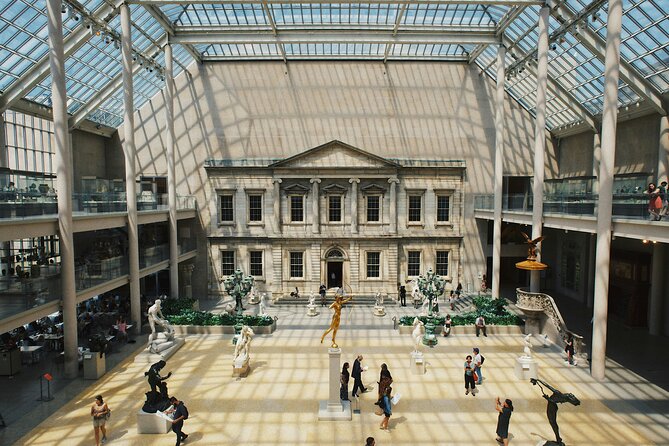
Walking into the Met feels like a time warp.
This 2-hour highlights tour helps you get oriented fast, with a guided path through anchor stops like the Egyptian Wing and American masterpieces. I also like the art range, it pairs big-name European painters with modern hits like Pollock, Warhol, and Picasso in one smooth route. One drawback to plan for: skip-the-line access may not fully remove waits, because security lines and late arrivals can still affect timing.
You get reserved museum entry plus an English-speaking local guide, and the group stays small (up to 20). If you go early, I’d expect a calmer start, and you will spend more time looking than asking, where is everything.
In winter, bring a practical coat strategy, and note the rooftop terrace is closed November through February, so don’t count on rooftop views unless you’re visiting in warmer months.
Key highlights worth your attention
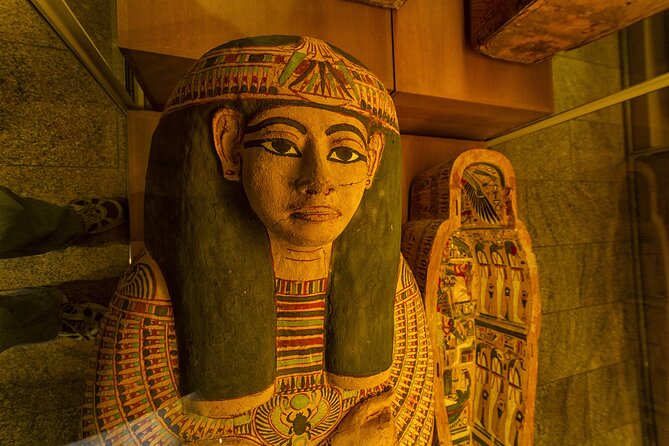
- Egyptian Wing first: start at the Temple of Dendur and get a real sense of how the Met organizes world-class collections
- American Wing classics: see Washington Crossing the Delaware and learn how to read major works without getting lost
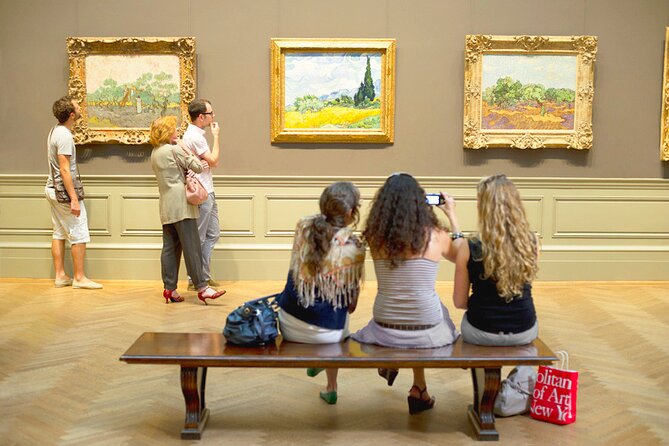
- Old Masters plus modern punch: Velázquez, Rembrandt, and Van Gogh paired with Pollock, Warhol, and Picasso
- Small-group questions: with groups of 20 or less, you can actually ask follow-ups and get answers
- Timing matters: you must arrive 15 minutes early, otherwise you may not be admitted
- Rooftop seasonality: rooftop terrace is closed November through February
Skip-the-line at the Met, and why 2 hours changes everything
The Met is famous for a simple problem: it is huge. So the big value of this tour is not that it replaces seeing the museum on your own. It’s that it gives you a fast, guided route that makes the place feel navigable.
You’re paying $59 per person for two things bundled together: a museum ticket plus a guide who directs your time. For many first-time visitors, that is the difference between drifting toward what looks famous on the walls and actually learning how the museum’s story connects across centuries.
Now the practical caveat. The tour is marketed as skip-the-line access, but at least a few people reported that they still faced long security lines. So I treat skip-the-line as “skip some museum entry friction,” not “no waiting at all.” If you’re the type who hates even a small line, show up early and keep your expectations grounded.
The other timing detail that matters: the meeting point is 15 minutes before departure. The rules are clear that late arrivals cannot be accommodated. That one line turns the tour into a reliable experience when you plan for it, and a frustrating one when you don’t.
You can also read our reviews of more museum experiences in New York City


The opening move at the Met entrance: how your guide sets the route
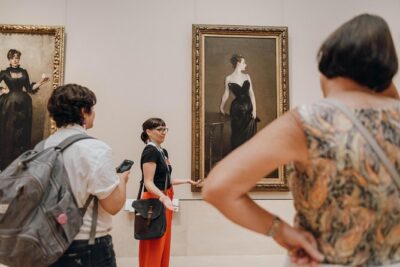
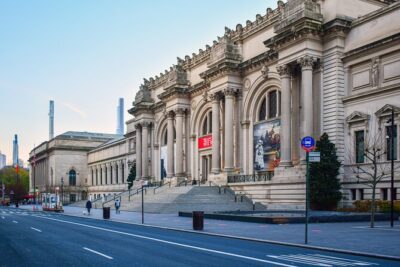
The tour starts right at the Met entrance, where your guide frames why the museum matters and how to think about what you’ll see. This part sounds basic, but it is useful. The Met can feel like separate worlds glued together, and a good guide helps you notice patterns, like how different cultures are presented side by side.
From there, you head into the Egyptian Wing. The biggest help here is that you’re not trying to figure out what’s worth your energy in the first five minutes. You get a plan immediately, and you’re building a mental map as you go.
In multiple guide-specific notes, guests praised guides for storytelling and for moving at a pace that made questions possible. Names that came up include Leo, Richard, Rob, Jeff, Louis, Kevin, Philip, Mathew, Michael, and Jeffrey. You won’t be able to request a specific person from this info alone, but the takeaway is clear: the experience improves when the guide’s delivery matches your interest level.
Egyptian Wing at Temple of Dendur: the stop that anchors your perspective
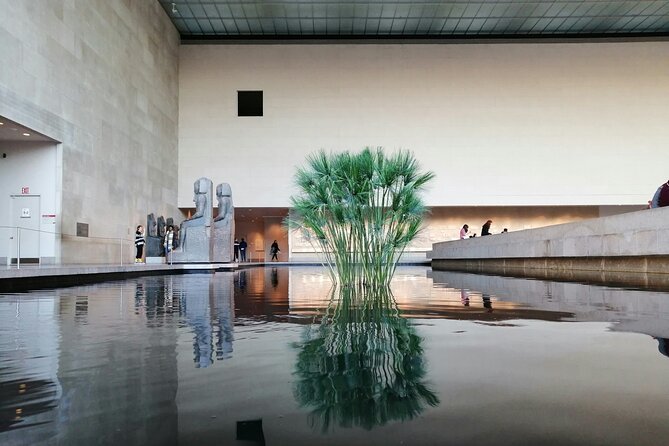
Your first major artwork encounter is the Egyptian Wing, with the Temple of Dendur. This is one of those “stand and look, then look again” spaces. It works well at the start of a tour because it gives you a strong visual anchor before you move into paintings and smaller objects later.
What you gain here is context. Instead of treating Egyptian material as just another gallery, you learn how monumental architecture travels, how museums frame it, and how to interpret scale. A lot of people first experience the Met as a catalog of famous names. Starting with something physically imposing changes the mood fast.
Possible drawback: if you already know a lot about Egyptian collections and you came mainly for modern art, you might feel your timeline is front-loaded. But honestly, even if Egypt is not your obsession, the guided introduction helps you understand what you’ll see after, including how the museum’s different wings share a common curatorial logic.
American Wing eye-catchers: Washington Crossing the Delaware and the story behind it
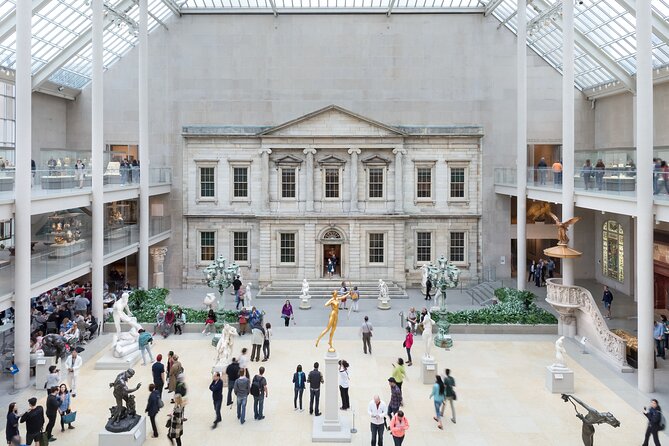
Next up is the American Wing, including the iconic Washington Crossing the Delaware. This stop is valuable for two reasons.
First, it’s recognizable, so you can relax. You’re not struggling to identify the work. Second, it’s historically loaded, and a good guide helps you notice details you would probably miss if you were scanning quickly.
The American Wing part also sets up what comes after. Your guide uses these early “anchor” works to build a bridge toward European painting. That contrast is the secret sauce of the route. You’ll see how themes and styles travel, how museums group art by geography, and how the same ideas can look totally different depending on time period.
I also like that this is one of the moments where questions are natural. If you like symbolism, composition, or just want to know why this painting became a cultural touchstone, a small-group setting makes that easy.
Old Masters then modern art: seeing Velázquez to Warhol in the same breath
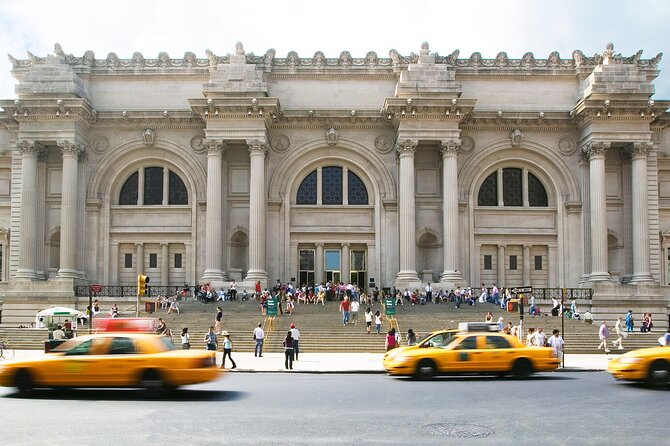
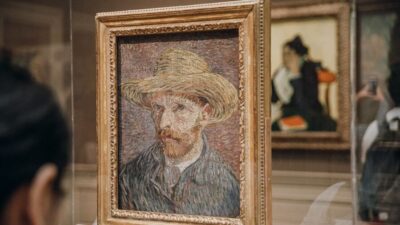
The tour then shifts from American highlights into European masterpieces by names like Velázquez, Rembrandt, and Van Gogh. Expect your guide to focus on what makes each painter’s approach distinctive, not just who painted what. You’re also learning how to look faster, like where to spend your seconds and what cues to notice first.
After that comes the modern art section, featuring pieces by Pollock, Warhol, and Picasso. This is the part where many people either feel wow, or they feel, wait, what am I looking at? A guide matters most here, because modern art can be intimidating if you’re used to “find the story in the picture.” With an experienced guide leading your attention, you get language for what’s going on, from form and style to why museums treat modern works as part of the bigger timeline.
A practical note: because everything is compressed into 2 hours, you’re not seeing everything. The tour is designed for recognition and understanding, not for deep, hour-long study of each gallery. If you love pausing to read every label, you may feel rushed. If you want a smart introduction, this route is a strong fit.
Also, balance matters. One disappointment mentioned that the guide leaned more into pre-Columbian or South American art and design than expected. That is not surprising in a large museum with many intersecting collection threads, but it’s a reminder: this is a highlights tour, not a strict checklist. If your priorities are extremely narrow, ask yourself if you want a flexible story or a rigid “only these 10 works” approach.
More NYC tours and experiences for the shortlist






Rooftop views and seasonal tradeoffs

In summer, the tour can include stunning views from the Met’s rooftop garden. It’s a nice way to end the experience, because it breaks the pattern of gallery hopping and gives you a “you’re in New York” payoff.
But do not plan around rooftop views unless your dates are in the right season. The rooftop terrace is closed November through February. So if you’re traveling in winter, build your plan around indoor highlights only.
Winter also changes what you should wear. Coat check came up as a must-have in winter reviews, and that makes sense for a place where you might move between indoor rooms and cool outdoor conditions, even briefly. If you pack light, you’ll have an easier time.
Price, group size, and what you truly buy for $59
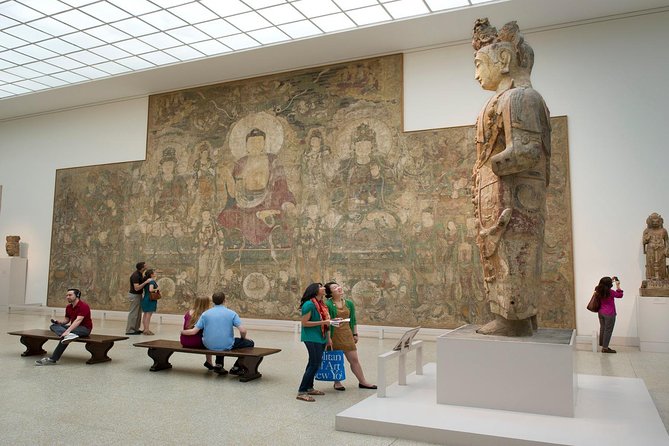
At $59 per person for about 2 hours, the value depends on your travel style.
You are paying for:
- an expert, English-speaking local guide
- a Met admission ticket included in the tour
- a small group, up to 20 people
If you’re a first-time visitor, the guide’s job is to reduce guesswork. That can be worth it even if you already plan to return later. Several comments emphasized that the tour helps the Met feel less overwhelming, especially when time is limited.
If you’re the type who loves wandering with no route, you may decide this tour is only worth it if you want a fast orientation. Some people felt the price was not justified because they still waited or because the tour content did not match their expectations.
I’d put it like this: you’re buying time efficiency and interpretation. You’re not buying a magic wand that eliminates every line or makes the Met smaller.
Logistics that can make or break your day
A few rules and realities are worth knowing up front, because they affect comfort.
Security and waiting: skip-the-line is helpful, but at least some visitors still reported waiting for security. Give yourself breathing room. If you’re tight on time, arriving early is your best defense.
Bags: the Met does not allow bags bigger than a bag pack. If you bring a backpack, you will be required to hold it in your hands. That’s not fun, especially if you’re also carrying water and a layer. Pack light.
Meeting time: plan to arrive 15 minutes before departure. If you arrive after departure, you cannot be accommodated.
Group size feel: the tour runs with a small group, 20 people or less. Some people specifically loved groups around 10 because it made asking questions easier. If you’re traveling with friends and you want interaction, small groups are a real advantage.
Rooftop closure: plan around the seasonal schedule, especially in winter.
Service animals: service animals are allowed.
If you line up your day around these points, the tour tends to feel smooth.
Should you book this Met Highlights Tour?
I’d book it if:
- You’re visiting the Met for the first time and want an efficient route that makes the museum feel logical
- You like the mix of world-famous works across eras, Egypt to modern art
- You want help looking, not just looking
- You prefer a small group and a guide who can answer questions
I’d think twice if:
- You hate any waiting, especially security lines
- You strongly prefer independent wandering and long label reading
- You have very specific art interests and worry the highlights route might not match your exact taste
- You’re traveling with a big backpack and don’t want to hold it
My practical bottom line: this is a smart intro when you want the Met to click quickly. If you treat it like orientation, not like a full museum replacement, it’s a good use of a short New York window.
More Museum Experiences in New York City


More Tours in New York City





More Tour Reviews in New York City


Not for you? Here's more nearby things to do in New York City we have reviewed










More Metropolitan Museum Tours to consider.
 ★ 5.0Metropolitan Museum Guided Group TourTickets from $651,013 traveller reviews
 ★ 5.0“The Met” Metropolitan Museum of Art Exclusive Guided TourTickets from $132863 traveller reviews
 ★ 4.4Express Highlights Tour of the MET MuseumTickets from $69795 traveller reviews
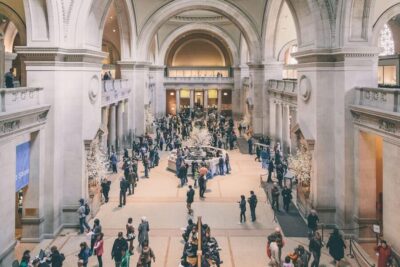 ★ 4.4Metropolitan Museum of Art Highlights TourTickets from $65625 traveller reviews
 ★ 5.02-hour Metropolitan Museum Guided TourTickets from $65515 traveller reviews
 ★ 4.6Meet the Met – Extended 3hr Small-Group TourTickets from $79397 traveller reviews
 ★ 5.0“The Met” Metropolitan Museum of Art Tour Semi-Private 8ppl MaxTickets from $132384 traveller reviews
 ★ 5.0Metropolitan Museum of Art Highlights TourTickets from $65372 traveller reviews
More useful New York routes