
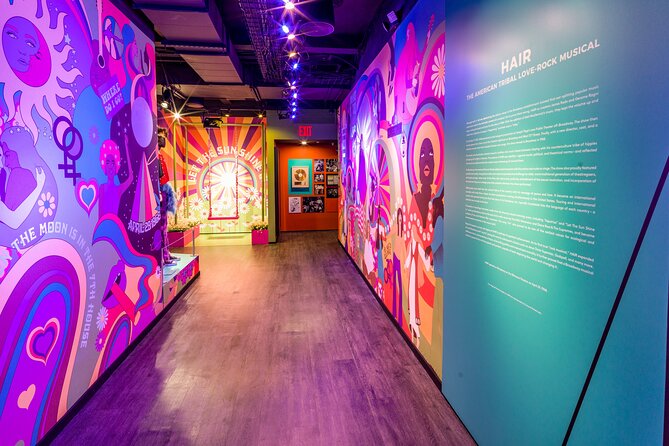
Review · BROADWAY EXPERIENCES
Museum of Broadway
Broadway history, told like a hands-on show. I love how the Museum of Broadway turns stage legend into interactive displays that keep you moving, and I especially like the behind-the-scenes section at the end that explains how productions come together. One thing to consider, though: the visit is mostly self-paced, and a few spots involve stairs and limited seating, so plan for comfort if you prefer a slower museum crawl.
This is a smart indoor stop if you are theater obsessed or brand new to Broadway. The exhibits connect eras, performers, costumes, sets, and the practical problems of putting on a show, so even if you just came for one musical, you will leave with a better sense of how the whole Broadway machine works.
Plan on about 1 to 2 hours, but you can easily stretch longer if you read carefully and stop for photos. It is a worthwhile use of time in Manhattan, and the museum is convenient to public transportation.
Key takeaways before you go

- Interactive Broadway storytelling: Expect tech plus artifacts that make the past feel tangible.
- Costumes, props, and sets: You get more than posters and photos, you get the stuff that shaped shows.
- Behind-the-scenes payoff: The later exhibit area helps you understand how shows get built and staged.
- Good fit for first-timers: The flow makes Broadway history approachable, even if you do not live in the theatre.
- Plan around stairs: Comfortable shoes matter, and seating is limited for longer reading.
- Staff help when you need it: People singled out helpful, outgoing staff, including Alexandra and Caleb.
Museum of Broadway, your one-stop theatre history fix
The Museum of Broadway takes a simple idea, Broadway did not appear fully formed, and it builds a museum route around that. You are not just looking at a wall of information. You are walking through a story that moves from how shows developed to what they demand today, with exhibits designed to keep your attention from gallery to gallery.
For me, the best part is the mix: you get theatre facts, but you also get the visual language of Broadway. Costumes and props help you understand why designers make the choices they do, and video and other tech components add context so the history feels connected, not like disconnected timelines.
And yes, this works for first-timers. The museum gives you enough explanation that you can follow the big picture without prior theatre knowledge. If you are returning to see a show soon, you will probably start noticing production details you used to overlook.
You can also read our reviews of more museum experiences in New York City



Entering the exhibits: how the museum guides your attention
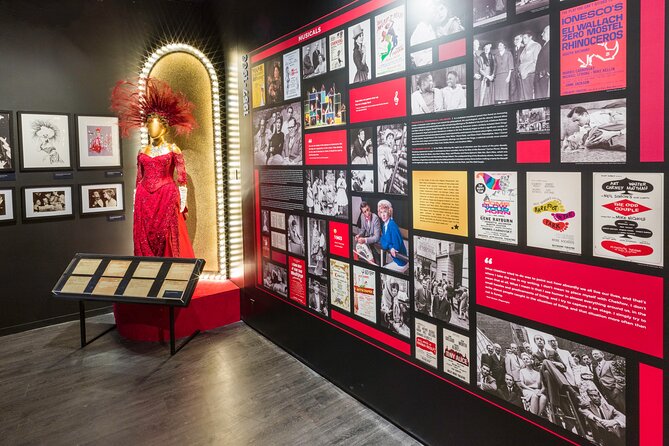
Your first job is to get your bearings fast. The museum experience is set up to move you through eras and themes, so you do not feel stuck. Many people loved that the museum is well organized and that the displays are visually strong, with clearly written descriptions that make it easier to keep going.
Here is what you should look for as you walk:
- Costumes and production materials that show how storytelling changes over time
- Photos and videos that add human context, not just dates and titles
- Artifacts linked to challenges of mounting shows, since Broadway is not only art, it is logistics
A useful mindset: treat the museum like a preview of how theatre language works. When you see how sets, costumes, and staging evolved, it makes Broadway feel less like magic and more like skilled teamwork with a budget, deadlines, and constant problem solving.
One note for show fans who have strong favorites. A few visitors felt the museum coverage for certain long-running titles was not as detailed as they wanted. That does not ruin the visit, but if you came expecting a deep, dedicated exhibit for one specific show, you might find yourself a little hungry for more.
The best part is the behind-the-scenes section at the end
If you like the moment when a story turns from performance to process, save time for the final stretch. People consistently highlight the ending area as a standout, especially the parts that focus on how Broadway shows are planned and put together.
This is where the museum shifts gear. Instead of only showing what audiences see, it helps you understand how the production side works. You will see explanations that connect the dots between creative concepts and practical execution.
It also tends to be the portion where photo moments feel most satisfying, because you are not photographing a random display. You are photographing a concept, the idea of theatre craft. If you love theatre enough to geek out on staging decisions, this section is the payoff.
If you are comparing Broadway and West End, you might also enjoy how the exhibits frame influence and cross-pollination between theatre traditions. Even if you do not care about comparisons, the museum’s explanation of Broadway as a system will still make sense.
How long you should plan, plus stairs and seating reality
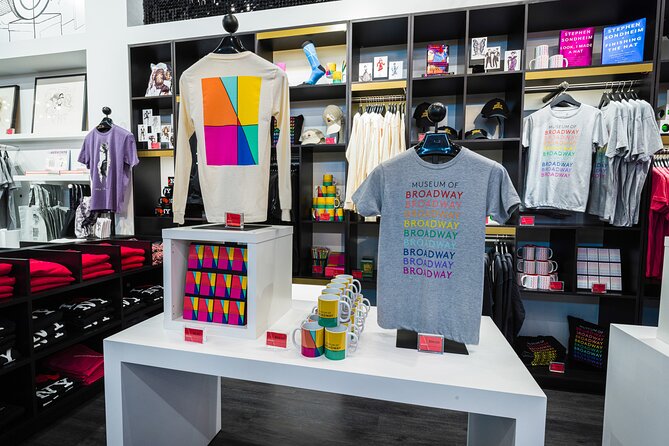
Most visits land around 1 to 2 hours, and a lot of people report this range works well if you read some signs and keep moving. That said, I would plan for flexibility. A few visitors spent closer to 2.5 to 3 hours because they wanted to read more carefully and linger with photo opportunities.
Two practical considerations matter:
- Wear comfortable shoes. There are steps involved, and you will be on your feet.
- Do not expect lots of places to sit and read. Seating is limited, so if you need frequent breaks, build that time in.
If you are traveling with kids or in a group with mixed interests, bring a simple plan. For example: agree on a quick route first, then do a slower pass for the sections that grab you. That keeps everyone from feeling lost or rushed.
Also, if it is a rainy day and you want a theatre-connected activity, this is a strong indoor option. The museum flow works well when you are not trying to sprint through sightseeing.
Cost, value, and when $44.92 makes sense
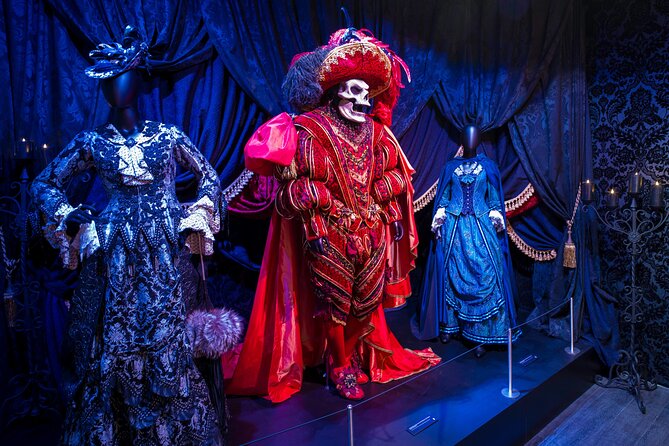
At $44.92 per person, this is not a budget impulse buy. The value comes from what the museum delivers: interactive exhibits, stage-related artifacts, and an educational storyline that you can genuinely spend time with.
So when does the price feel right?
- If you are a theatre fan and want a structured way to learn Broadway history in one place
- If you are going to shows later and want production context first
- If you are traveling with someone who likes costumes, sets, photos, and behind-the-scenes details
When might it feel less great?
- If you only want a quick look at a few displays
- If you are expecting a traditional, timed guided tour with a lot of live narration
- If you are very sensitive to stairs and you cannot move at a slower pace
One more angle: some visitors reported that the ticket-buying experience through third-party platforms was not smooth, leading to delays at check-in. The museum itself earned praise for staff and exhibits. Still, the practical takeaway is simple: arrive with time to spare, keep your confirmation info handy, and do not let check-in stress eat your museum time.




Staff, photo moments, and the overall vibe
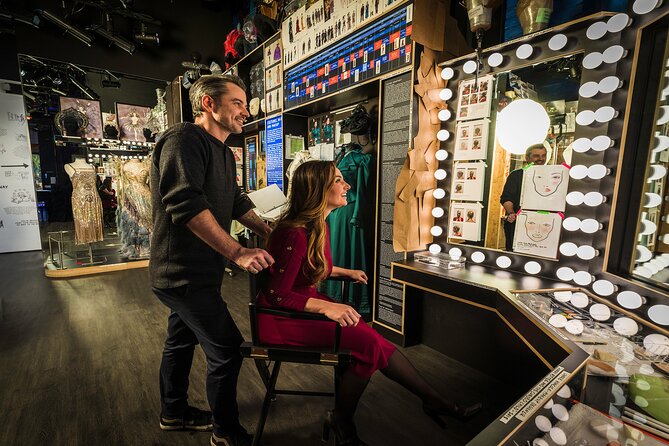
The museum experience has a friendly tone. People liked that staff members are outgoing and helpful, with names like Alexandra and Caleb coming up in praise. That matters because a museum can be purely self-guided, but good staff make it easier to interpret what you are seeing.
You should also expect photo opportunities. Many visitors call out that the museum is built for stopping and taking pictures, especially in areas where you feel like you are stepping into the story rather than just reading about it.
If you are traveling with a theatre-curious younger adult, this museum can land really well. One reason: the exhibits cover decades and themes in a way that connects to modern shows without treating the past like a museum piece behind glass. The result feels fun, even if you start out as a casual fan.
If you are sensitive to crowd energy, aim to go at a time when you can move at your pace. Even with a busy day, the exhibit design helps you keep moving, but the steps and limited seating can make prolonged bottlenecks more noticeable.
Getting there in NYC: simple logistics that reduce stress
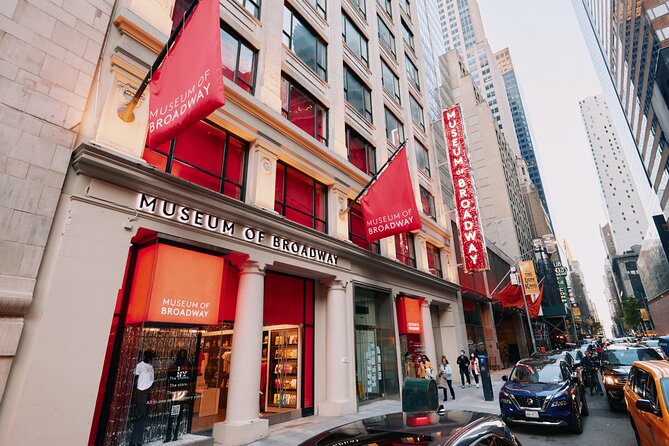
The museum is near public transportation, which is exactly what you want for a focused indoor stop in New York City. You can pair it with a theatre day, a pre-show wander, or a rainy morning plan without turning it into a full production of its own.
For timing, think like this:
- Give yourself enough buffer so check-in and lines, if any, do not cut your reading time.
- Aim for 2 hours if you want a relaxed pace.
- Consider longer if you are a dedicated fan, or if you know you will stop for costumes and props repeatedly.
If you are booking ahead, that is smart. The museum is commonly booked about 11 days in advance on average, so you will likely have an easier time with dates if you are not trying to decide at the last minute.
Service animals are allowed, and children age 4 and under may enter free of charge.
Should you book Museum of Broadway tickets?
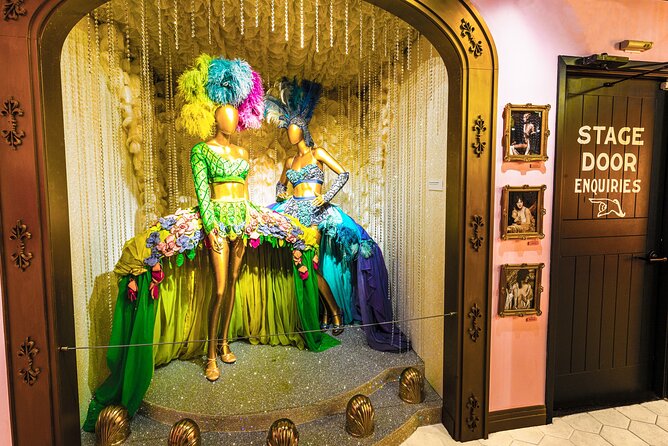
Book it if you want Broadway history that feels practical and visual. This is one of the better ways to learn how the theatre world works without needing to memorize a giant reading list. The biggest strengths are the exhibits themselves, the behind-the-scenes portion, and the fact that the museum is entertaining enough for first-timers.
Skip or rethink if you need lots of sitting time, dislike stairs, or you want a strictly guided tour with heavy narration. Also, if you are buying through a third-party platform, I suggest you keep your schedule flexible and arrive with extra time for check-in.
If your goal is a theatre-focused indoor activity in NYC that teaches you how Broadway ticks, the Museum of Broadway is a solid choice.
More Museum Experiences in New York City



More Tour Reviews in New York City
Not for you? Here's more nearby things to do in New York City we have reviewed












More Broadway Experiences to consider.
 ★ 4.8Aladdin the Musical on BroadwayTickets from $831,800 traveller reviews
 The Lion King on Broadway1,609 traveller reviews
 MJ the Musical on Broadway1,510 traveller reviews
 Moulin Rouge! the Musical on Broadway1,329 traveller reviews
 Harry Potter and the Cursed Child on Broadway700 traveller reviews
 Chicago the Musical on Broadway687 traveller reviews
 ★ 5.0Broadway and Times Square Insider Tour with Theater ProfessionalTickets from $39651 traveller reviews
 ★ 4.5The Lion King On Broadway TicketTickets from $143649 traveller reviews
More useful New York routes