
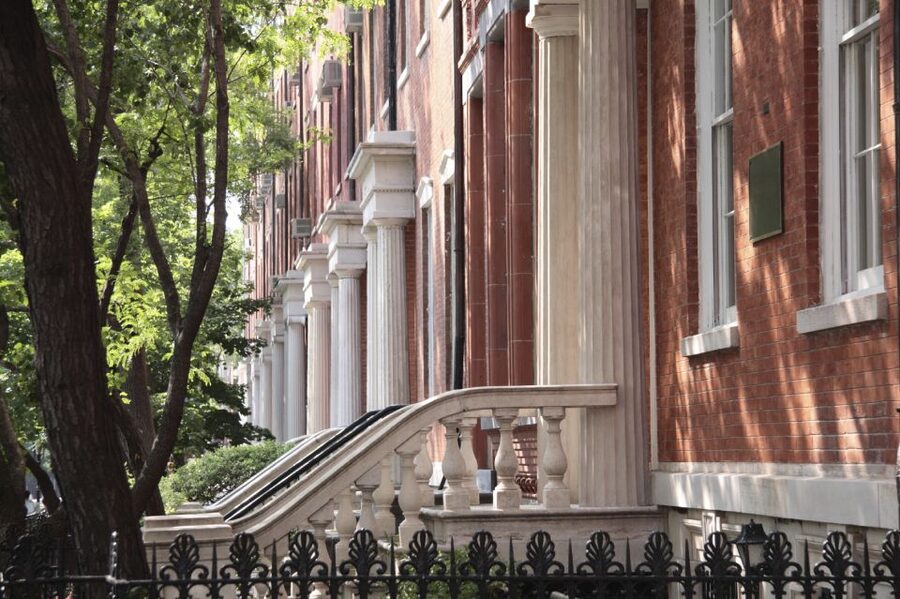
Review · GREENWICH VILLAGE TOURS
New York City: Greenwich Village Guided Walking Tour
Greenwich Village has a way of sneaking up on you. In just 2 hours, this guided walk threads together Stonewall Inn history with the neighborhood’s creative engine, from Beat-era writers to artists who made the Village feel like a one-of-a-kind stage. I especially love how the route mixes famous landmarks with smaller, story-filled corners, and I also like that guides often bring the feel of real local life, not just a textbook.
The main tradeoff is simple: it’s a walking tour, so you’ll want to plan for time on your feet, and it is not suitable for people with mobility impairments. If you’re sensitive to weather, dress for what you’ll face, because the tour runs outdoors.
Key highlights at a glance
- Stonewall Inn with clear context on the birth of the gay liberation movement
- Beat Generation storytelling tied to late-1950s creative life
- Photo stops with real pop culture anchors, including the Bob Dylan album cover spot
- Café Society spotlight as the first integrated NYC club
- History you can see up close, like the oldest wood frame house and an old off-Broadway theater
- A smart finish in the Village’s deep history, at 77 Bedford Street
Why Greenwich Village Still Feels Like a State of Mind
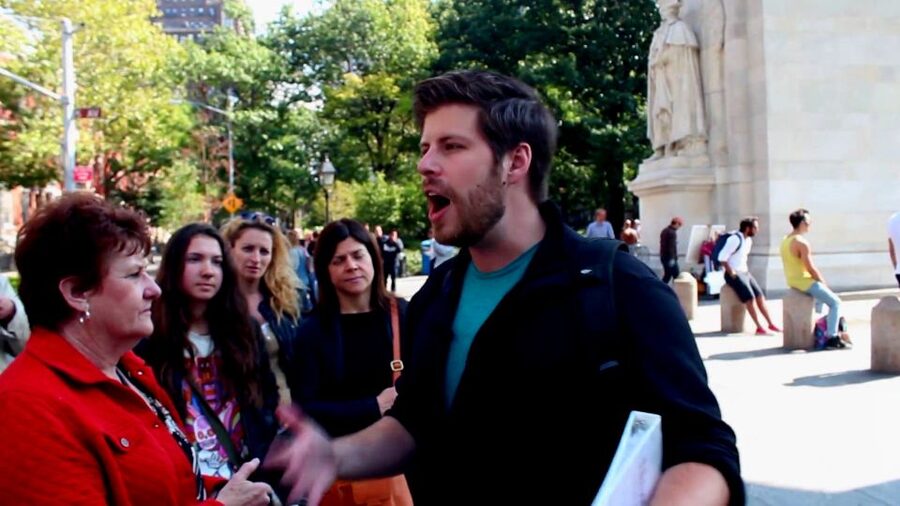
Greenwich Village isn’t just a neighborhood. It’s a habit. It’s what happens when art, politics, and nightlife keep bumping into each other for decades, then somehow you can still walk it in a couple of hours.
This tour makes that idea practical. You get a focused route through the Village’s best-known landmarks and the places connected to famous writers and performers. Expect stops tied to Dylan Thomas and Lenny Bruce, plus the Beat Generation that rose in the late 1950s. You’ll also learn why this area pulled in radical thinkers and intellectuals who didn’t mind arguing in public or debating in smoky cafés.
Two things I think you’ll appreciate right away. First, you’re not only looking at buildings, you’re learning what they represented in their moment. Second, the walk gives you a “you are here” feeling. Even if you’ve seen photos of these spots, the context turns them from famous names into places with momentum.
You can also read our reviews of more walking tours in New York City


The 2-Hour Route: How the Walking Plan Works
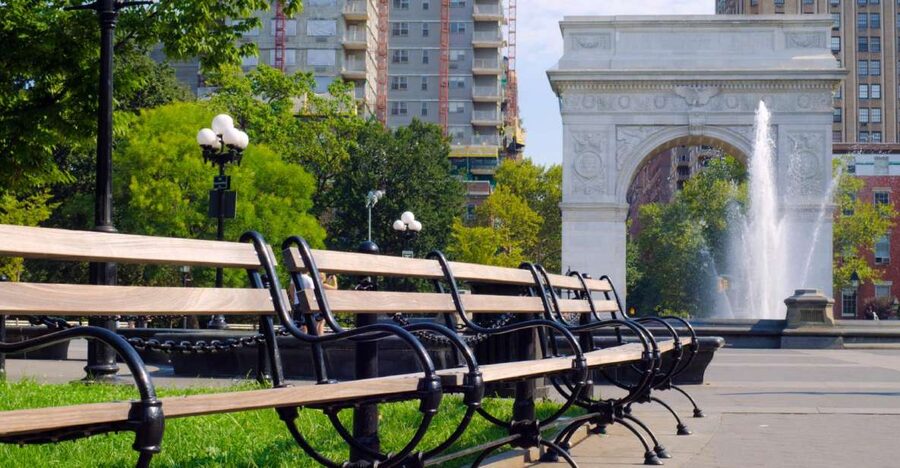
The tour is built like a good playlist: tight set length, clear themes, and a few surprises that keep you interested without dragging.
You’ll start at one of the listed meeting points, which may vary by option (including Washington Square Park, and another starting location at 375A 6th Ave). From there, the path is designed to connect major stops without wasting time.
A typical flow goes like this:
- Washington Square Park for orientation and a baseline for Village identity
- MacDougal Street for photo moments and more literary and music connections
- Christopher Street as you move toward the Stonewall area
- Stonewall Inn for the movement and the turning point
- The Friends apartment building for a pop culture hit that also proves how long this neighborhood’s story has been playing out in media
- Then you finish around 77 Bedford Street, with a chance to see the Cherry Lane Theater and the oldest wood frame house as your history wrap-up
Because it’s 2 hours, the pace is brisk in a good way. You’ll get enough time at each stop to understand why it matters, but you won’t be stuck in “next photo, next photo, next photo” mode either.
Washington Square Park to MacDougal Street: The Village’s Literary Push
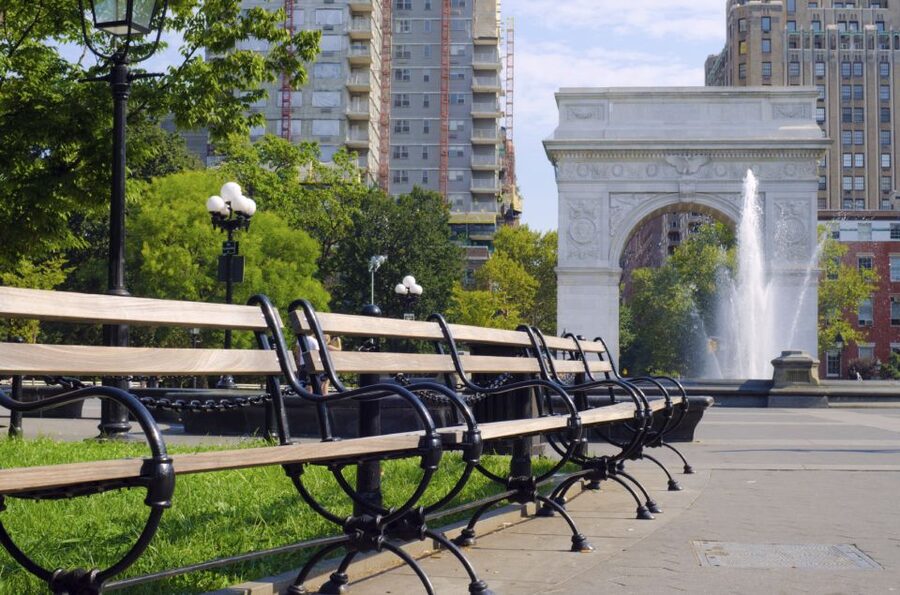
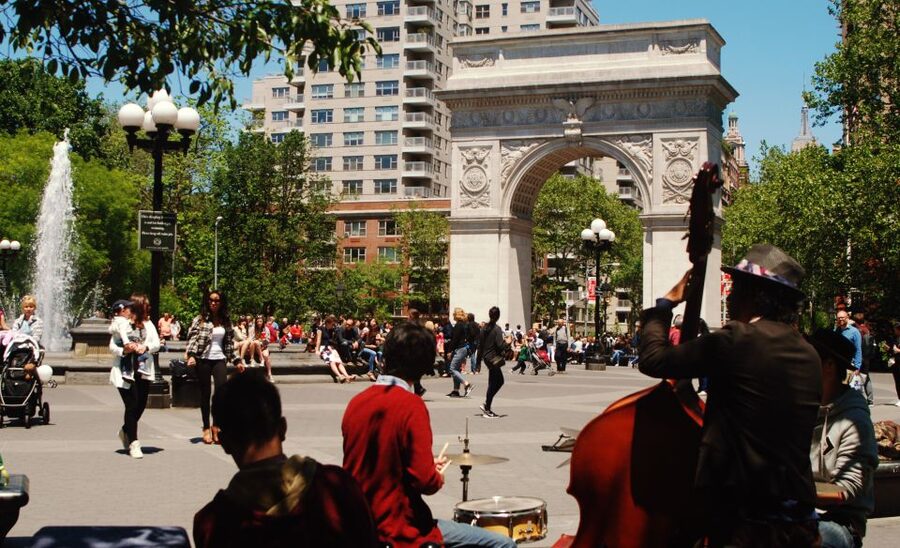
Washington Square Park is a classic Village starting line for a reason. It’s a gathering place, but it’s also a kind of emotional reset point. Before you hit the big political and nightlife landmarks, the tour uses the park to set the tone: this was a neighborhood where ideas traveled fast.
From there, you’ll move toward MacDougal Street, a stretch strongly associated with the kind of creative life that made the Village feel like an alternate world. Expect stories and references tied to big names such as Dylan Thomas and Lenny Bruce, plus the general “writers, artists, and free-thinking” reputation that drew people in.
One detail I found smart in this kind of tour design is how it doesn’t treat famous names as isolated trivia. The guide ties the names to the idea of community and conversation. That’s where you start to get the Village’s logic. It wasn’t just that artists lived here. It was that they argued, performed, read, and pushed each other forward in the same spaces.
Practical tip: bring comfortable shoes. The Village streets are not especially forgiving if your footwear is only “okay.”
Christopher Street and the Stonewall Inn: Why This Stop Changes the Whole Tour
If there’s one anchor stop, it’s Stonewall Inn. This part of the walk isn’t just about seeing a landmark. It’s about understanding the birth of the gay liberation movement in the Stonewall area.
That context matters because it reframes everything you heard before. When you know what happened there and why it mattered, the Village stops feeling like a themed museum. It becomes a real stage for civil rights and community organizing, with consequences that reached far beyond the block.
You’ll also notice the way the tour uses the Stonewall area to connect art and activism. The Village had performers, poets, and intellectuals, but it also had people who demanded change. When the guide links that to the broader neighborhood story, you walk away with a clearer sense of cause and effect, not just a list of famous residents.
If you care about LGBTQ history, this is likely the emotional high point of the entire 2 hours. Even if you already know the basics, you’ll probably leave with more specifics about how the moment took shape on these streets.
Jones Street and Bob Dylan’s Freewheeling Era
Next comes one of those Village mechanics that make you smile. You get a photo stop connected to Jones Street, where Bob Dylan’s album cover for The Freewheeling Bob Dylan was shot.
This stop is more than nostalgia. It’s a shortcut to understanding how quickly the Village turned performers into icons. In a neighborhood like this, music wasn’t separate from the politics and literature. It was part of the same public conversation.
You’ll also hear about the Beat Generation that flourished in the area in the late 1950s, and how the creative crowd turned into a kind of cultural feedback loop. Musicians listened to writers, writers borrowed from streetside life, and performers learned how to hold a room.
If you’re visiting New York for the first time, this is one of the best ways to get past the “everything looks the same in Manhattan” feeling. The Village has specific angles and textures, and the Dylan connection helps you orient your brain fast.
You can also read our reviews of more guided tours in New York City





Café Society: Integrated Nightlife and the Power of a Single Address
Another major stop centers on Café Society, described here as the first integrated NYC club. That one fact carries a lot of weight, because it ties entertainment to real social change.
On this tour, the Café Society moment works as a bridge. You go from political history near Stonewall into the social and nightlife world, where you can see how identity, culture, and access all collided. Even if you never stepped into a club like that, the guide’s framing helps you understand why “where people gathered” was part of the fight.
This is also a good place to pay attention to how the guide handles the timeline. The tour includes references across decades, and that’s not filler. It helps you see the continuity, the way certain ideas keep resurfacing in different forms as the neighborhood evolves.
Pop Culture Stop: The Friends Apartment Building in Context
Yes, you’ll see the apartment building used in the sitcom Friends. If you’re thinking this could be a gimmick, here’s why it still works on a Village history walk.
The point isn’t just recognition. It’s proof that the Village’s look and energy became recognizable enough to be packaged for national TV. In other words, you’re watching the neighborhood shift from a specific local scene into a broader cultural reference point.
That gives you a useful perspective for the rest of the tour. The guide isn’t only showing you what the Village was. You also get a sense of how it was remembered, repurposed, and reshaped through media.
It’s a reminder that neighborhoods are not static. The Village has always been in motion, even when it seems like it’s staying the same for photographers.
Art, Writers, and the People Who Made It Freewheeling
One of the reasons this tour earns a high rating overall is that it doesn’t treat the Village like a set of isolated attractions. It connects the neighborhood’s personality to people and their ideas.
You’ll hear about:
- Jackson Pollack and how he helped shape the Village’s freewheeling identity
- Radical thinkers like Upton Sinclair and John Reed, with their debates in cafés
- The pull of artists and writers associated with the neighborhood, including Dylan Thomas and Lenny Bruce
- The Beat-era momentum that took off in the late 1950s
Even if you don’t know every name, the tour logic holds. The guide uses big names as signposts, but the real goal is to show you how the Village worked as a network.
And if you’re the kind of traveler who likes personal voice, you should know this is where guides can really differentiate themselves. Longtime Village residents leading similar walks often bring stories that make you feel like you’re hearing the neighborhood from inside the walls. You’ll see that energy in the way some guides are described by name, such as Steve (including Steve K. and Steve Krantz), Angela Sharp, Rob Costello, Justin, and Dave. When the guide can speak from lived experience, the history lands harder.
Old Buildings, Off-Broadway Stages, and the Old Wood Frame House
As you near the end, the tour turns slightly from “movements and culture” to “physical history you can actually point at.”
You’ll get to see the Cherry Lane Theater, described as the oldest continuously running off-Broadway theater in New York. For many visitors, off-Broadway can feel like a vague category until you connect it to longevity. This stop gives you a real benchmark, and it makes the Village feel like it has been generating performance energy for longer than most people realize.
You’ll also admire the oldest wood frame house in the Village. That’s the kind of stop that makes history tangible. It’s easy to talk about the past in the abstract, but seeing older architectural bones changes how you picture the neighborhood.
Finally, you finish around 77 Bedford Street, listed as the former home of Issac Hendricks. This end point helps the tour stick the landing. Instead of leaving you mid-scene, it closes with a strong “this is where the story gets grounded” moment.
Price and Value: Why $39 Can Be a Smart Use of Time
At $39 per person for a 2-hour guided walk, this isn’t expensive for New York. It’s also not bargain-basement, which is good. You’re paying for structure, a live guide, and a route designed to pack meaning into a short time window.
Here’s how I think about the value:
- You’re getting coverage of multiple major landmarks in a small geographic area, which saves you research time
- You get context for politically and culturally important sites like Stonewall Inn
- You also get “connective tissue” about writers, artists, and the Beat scene, which most self-guided walks skip
If you only want postcard New York, you can do that on your own. But if you want the Village’s story explained in a way that makes you look longer at what’s in front of you, this price starts to feel fair fast.
Do note the limitations: this is a walking experience, and it is not suitable for mobility impairments. If that’s you, I’d skip it or look for a different format.
Who Should Book This Greenwich Village Walk
This tour fits best if you:
- Want a quick, high-impact introduction to Greenwich Village without jumping between neighborhoods
- Like arts history, nightlife history, and political history all tangled together
- Enjoy walking tours where the guide tells stories, not just facts
- Want both big landmarks (like Stonewall Inn) and smaller context points (like the oldest wood frame house and long-running off-Broadway theater)
It also works well if you’re visiting with friends who have different interests. One person can latch onto Stonewall and LGBTQ history, while another can love the Dylan and off-Broadway connections. The tour’s structure supports both.
If you hate walking in crowds or you’re worried about getting stuck outdoors, you might feel it more. The tour runs regardless of weather, so bring clothing that you can handle for 2 hours.
Should You Book It?
I’d book this tour if you want Greenwich Village to make sense fast. It’s a strong choice for first-timers because it stitches together famous names, key movements, and recognizable landmarks in a short time. The stops are varied enough to keep it interesting, and the guide-led storytelling style tends to be the biggest payoff.
I would skip it only if you cannot walk comfortably, or if you’d rather wander without any structure at all. Otherwise, this is one of those experiences that turns a neighborhood into a narrative you can actually carry with you after you leave.
FAQ
How long is the Greenwich Village guided walking tour?
The tour lasts 2 hours.
How much does the tour cost?
The price is $39 per person.
Where does the tour start?
The meeting point may vary depending on the option booked. Available starting locations include 375A 6th Ave and Washington Square Park.
Is there a live guide?
Yes. The tour includes a live tour guide, and the tour is in English.
Is the tour affected by weather?
The activity runs regardless of weather conditions. If the provider is forced to cancel, ticket-holders can reschedule (subject to availability) or receive a refund.
What should I bring?
Wear comfortable shoes and bring weather-appropriate clothing.
Is the tour suitable for people with mobility impairments?
No, it is not suitable for people with mobility impairments.
What is included in the price?
The tour includes the guide and the walking tour.
Can I cancel or pay later?
You can cancel up to 24 hours in advance for a full refund. You can also reserve now & pay later.
More Walking Tours in New York City


More Tours in New York City




More Tour Reviews in New York City




Not for you? Here's more nearby things to do in New York City we have reviewed







More Greenwich Village Tours to consider.
 ★ 5.0Greenwich Village Food Tour with 6 Locals Favorites DishesTickets from $971,812 traveller reviews
 ★ 5.0Greenwich Village Walking and Food Tasting TourTickets from $941,572 traveller reviews
 ★ 5.0Artistic, Alternative Greenwich Village Walking TourTickets from $39971 traveller reviews
 ★ 5.0NYC Greenwich Village Italian Food Guided Walking TourTickets from $89627 traveller reviews
 ★ 5.0Greenwich Village Food Tour | Tasty Tours NYCTickets from $79549 traveller reviews
 ★ 4.5New York City Ghost Tour of Greenwich VillageTickets from $39466 traveller reviews
 ★ 5.0High Line Park and Greenwich Village Food TourTickets from $159398 traveller reviews
 ★ 4.2The Original Cupcake Tour of Greenwich VillageTickets from $90285 traveller reviews
More useful New York routes