

Review · NEW YORK CITY TOURS
New York City: New York Hall of Science Admission Ticket
The New York Hall of Science turns curiosity into hands-on play. You get 450+ interactive displays that make science feel concrete, from everyday physics to biology that you can explore at your own pace.
I also like that it is built for different ages and learning styles, with seasonal art and science exhibits that keep the visit from feeling repetitive. One possible drawback to plan for: not every station lands as playful for every person, so if you only want game-like activities, you may want to steer your time toward the interactive areas.
Key Points Before You Go
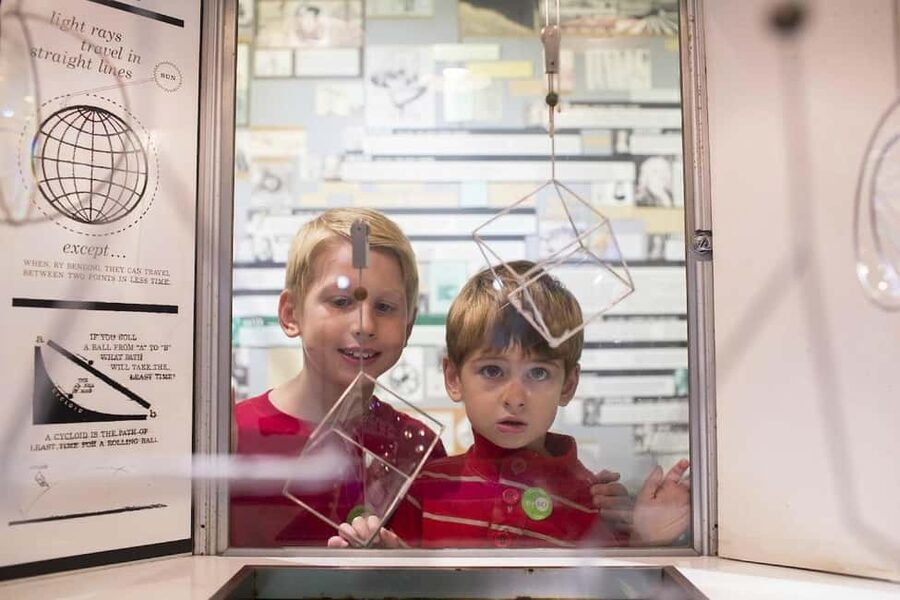
- 450+ interactive displays make it easy to learn without lectures.
- Hands-on physics and biology help concepts click fast.
- Seasonal art and science exhibits give you a fresh reason to return.
- Programs for young adults and sensory-sensitive children support different needs.
- Redeem vouchers for wristbands at the Admissions Desk, before you expect entry.
- Last entry at 4 PM means you should plan a realistic start time.
Why This Hands-On Science Center Works So Well in NYC

Most NYC museums ask you to look. The Hall of Science asks you to do. That changes the whole feel of a day, especially if you are traveling with kids, teens, or adults who do not want science to feel like homework.
This place is also the city’s only hands-on science center, which matters for value. In a city full of iconic sights, it is refreshing to pick one that is intentionally built for learning through play.
More NYC tours and experiences for the shortlist



Plan for the Admissions Desk and the 4 PM Last Entry
Before you picture yourself running from exhibit to exhibit, plan the first 10 minutes the smart way. Vouchers have to be redeemed at the Admissions Desk in exchange for wristbands. That is a small step, but it can catch you off guard if you arrive thinking the ticket alone is entry.
Also take the schedule seriously. Last entry is at 4 PM, so a late afternoon plan can shrink your museum time fast. If you want a full-feeling visit, give yourself more than a quick stop, and start earlier rather than later.
The 450+ Interactive Displays: How Physics Feels When You Touch It

The heart of the Hall of Science is the sheer number of interactive exhibits, listed at over 450. That does not just mean variety. It means you can find the right kind of science for your mood that day, whether you want to test something, manipulate a model, or explore a concept with your hands.
Physics is a major theme here, and the value for you is in how the museum helps demystify the world around you. Instead of trying to memorize definitions, you can watch cause and effect happen. Even if you are not a “science person,” touching the mechanisms and seeing how they respond can make the ideas feel logical and less intimidating.
Practical tip: pick a few physics zones to focus on first. With so many stations, you can burn time wandering if you do not set a simple goal like completing 3 or 4 hands-on areas before you branch out.
Biology Exhibits That Turn Curiosity Into Real Understanding
Biology is another standout area, and it pairs well with physics because it teaches science from different angles. Where physics can explain how things move and behave, biology helps you understand living systems. The Hall of Science frames this with hands-on activities that encourage learning through play, which is a great approach for families and for anyone who learns better by doing.
If you are visiting with younger kids, biology exhibits often feel intuitive because they connect to things you already notice in daily life. If you are visiting as an adult, you may still enjoy the way the displays break down big topics into approachable parts.
Practical tip: do not try to “see everything.” Biology can be fascinating but also time-consuming. Choose a few exhibits that pull you in, then move on before you lose momentum for the rest of the museum.
Seasonal Art and Science Exhibits: A Change of Pace During Your Visit
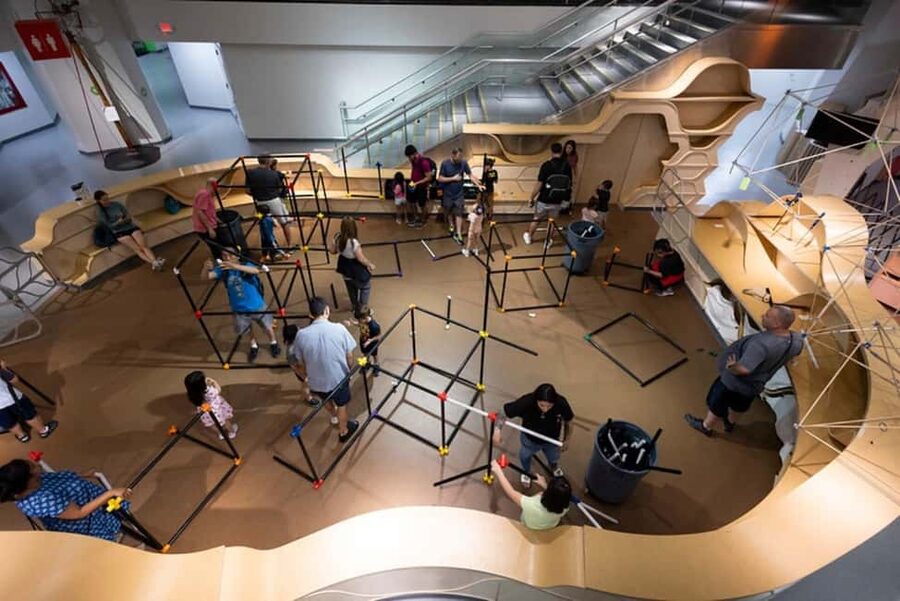
One of the best ways to make a museum ticket feel more worthwhile is to add variety. Here, the Hall of Science includes seasonal art and science exhibits that change over time. That means your visit can feel current, not like a one-time checklist.
For you, the benefit is simple: seasonal exhibits add a creative layer to the science. Art can be a bridge, especially if someone in your group is not naturally drawn to lab-style content. The museum’s mix helps keep attention from drifting, because you are not staring at the same kind of display for hours.
Practical tip: leave time in your day for the seasonal exhibits, even if you plan to start with hands-on stations. If you save them for the end, you might end up rushing because the museum has to close its day at 4 PM for last entry.
You can also read our reviews of more city tours in New York City





What Programs for Young Adults and Sensory-Sensitive Children Mean in Real Life
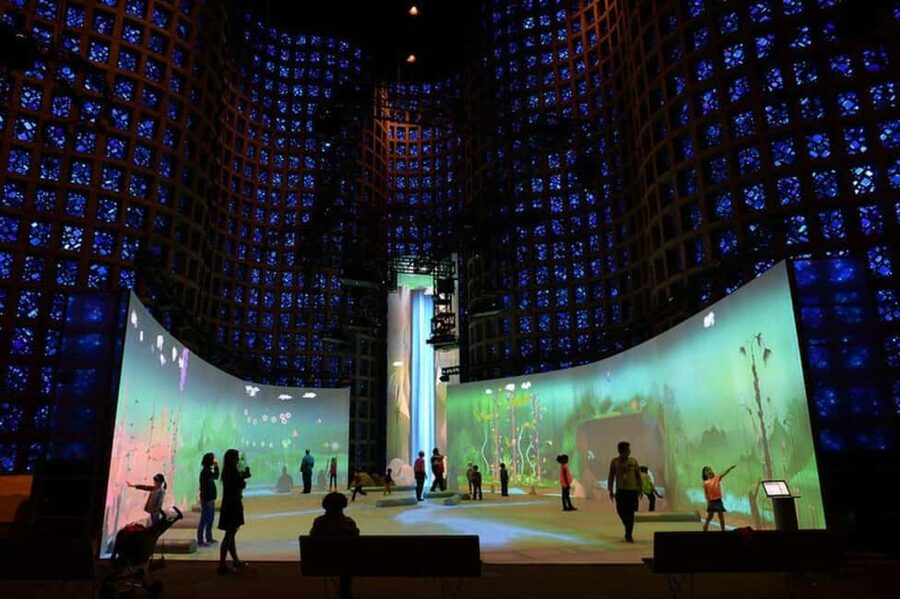
This museum is designed with inclusion in mind. It is described as a great fit for visitors of all ages, including young adults and sensory-sensitive children. It also hosts special programs tailored for different age groups.
Why that matters for your day: it means you are less likely to feel like you are stuck in a one-size-fits-all experience. If your group includes a child who needs a calmer approach, or a teen who needs more structured engagement, the museum’s programming focus can help you find the right pace.
I also like that the museum is not just a building of exhibits. It is a place that plans for different needs, which is rare for a hands-on center. Still, it is smart to check what programs are available when you visit, since details can vary by time.
Value Check: Is a $22 Ticket a Smart Use of a NYC Day?
At $22 per person, this ticket is not the cheapest thing in NYC, but it can be good value for what you get. You are paying for a full day of access to 450+ interactive displays plus seasonal exhibits, and you are not limited to passive viewing.
Here is how I think about the value. If you will actually use the interactive element, the price starts to make sense fast. If you treat it like a quick look-and-go, the value drops because you will not get through enough to justify spending a museum day price in a city where there are many free or lower-cost options.
Also, the format helps families and groups. A hands-on science center can reduce the need for separate activities for different age levels. One ticket can cover a wide range of interests, from physics concepts to biology stations to seasonal art-and-science programming.
How to Build a One-Day Plan That Feels Like More Than an Admission Ticket
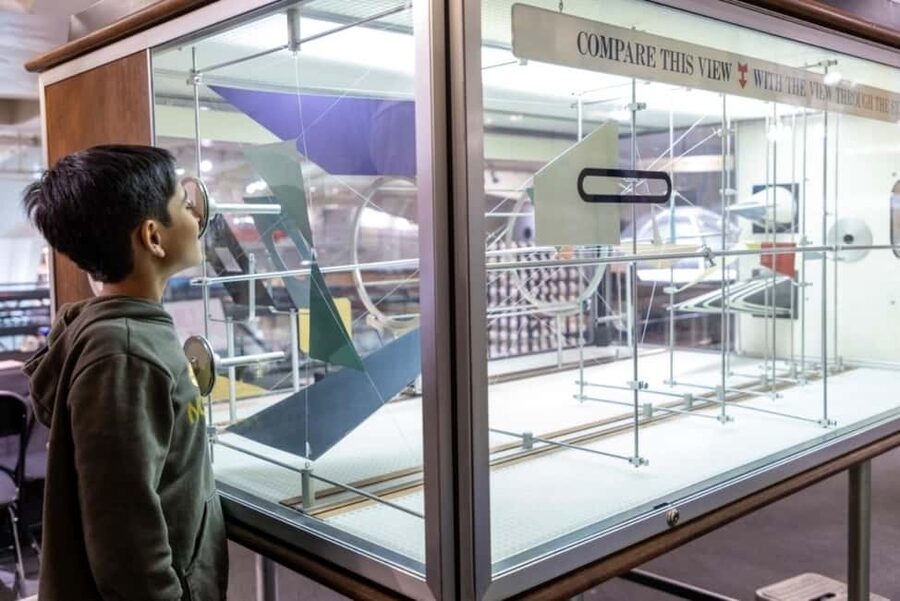
You are not taking a guided tour with a fixed route. You are choosing how to spend the time you have. That can be great, as long as you avoid “random wandering” fatigue.
Here is a simple strategy that works well in places like this:
- Start with the hands-on physics stations while your group is fresh.
- Then shift into biology exhibits for a change of topic.
- Save seasonal art and science exhibits for the latter part of your visit.
- Take small breaks so you can keep enjoying the interactive elements instead of pushing through fatigue.
Because last entry is at 4 PM, your main enemy is running out of day. If you aim to leave the seasonal exhibits section with enough time to enjoy it, you will feel like the ticket lasted longer than the clock.
Read This About Playfulness, So Your Expectations Match the Day
One note I want you to take seriously: not every exhibit feels playful to every person. A negative review described the experiences as not at all fun or playful. That does not mean the museum is bad. It means your definition of fun matters.
If you are visiting with someone who expects a world of game-like activities, aim your time at the truly hands-on stations and spend less energy on any more demo-style or explanatory areas. If, on the other hand, your group is okay with learning that is interactive but still instructional, you should find plenty to enjoy.
Accessibility and Comfort Basics You Should Expect
The Hall of Science is described as wheelchair accessible. The site also offers programs for sensory-sensitive children, which is a strong signal that the museum tries to meet people where they are.
If you have accessibility needs, plan to move at a comfortable pace and give yourself extra time at the start for wristband redemption. Getting settled early makes the rest of the visit much smoother.
Should You Book the New York Hall of Science Ticket?
If you want a NYC day that is hands-on and you like learning through play, I think this ticket is worth a spot on your plan. The big reasons are clear: 450+ interactive displays, meaningful physics and biology themes, and seasonal exhibits that change the feel of your visit.
Book it if:
- You are traveling with kids, teens, or a mixed-age group.
- You want an activity that is active, not just observational.
- You like the idea of science that you can touch and test.
Consider skipping or adjusting your expectations if:
- You are looking only for game-like entertainment and nothing else.
- You are planning a very late start, since last entry is at 4 PM.
If you want a museum day that turns questions into actions, this one is a solid choice. Start early, redeem your wristbands without rushing, and pace yourself so the interactive part of the day stays fun.
FAQ
How much is the New York Hall of Science admission ticket?
The price is listed as $22 per person.
How long is the admission ticket valid?
The ticket is valid for 1 day.
What time is the last entry?
Last entry is at 4 PM.
Do I need to redeem a voucher before entering?
Yes. Vouchers must be redeemed at the Admissions Desk in exchange for wristbands.
How many interactive exhibits are included?
The Hall of Science offers over 450 interactive displays and hands-on activities.
What subjects can I expect at the museum?
You can explore science concepts with a focus on physics and biology.
Are there seasonal exhibits?
Yes. The museum includes seasonal art and science exhibits, and the featured exhibits change with the seasons.
Is the museum wheelchair accessible?
Yes, the Hall of Science is described as wheelchair accessible.
Are there programs for children and young adults?
Yes. The museum offers special programs tailored for young adults and sensory-sensitive children, and it has programs available for different age groups.
More City Tours in New York City
More Tickets in New York City



More Tour Reviews in New York City


Not for you? Here's more nearby things to do in New York City we have reviewed












More New York City Tours to consider.
 ★ 4.7SUMMIT One Vanderbilt TicketsTickets from $4751,195 traveller reviews
 ★ 4.7Empire State Building Tickets – Observatory & MuseumTickets from $4725,757 traveller reviews
 ★ 4.6Statue of Liberty & Ellis Island with FerryTickets from $1918,683 traveller reviews
 ★ 4.5American Museum of Natural History TicketTickets from $3715,447 traveller reviews
 ★ 5.0New York in One Day Guided Sightseeing TourTickets from $9913,166 traveller reviews
 ★ 4.6Museum of Modern Art (MoMA) Entry TicketTickets from $3012,540 traveller reviews
 ★ 4.7One World Observatory Skip-the-Line TicketTickets from $3012,329 traveller reviews
 ★ 4.7New York CityPASS®: Save up to 41% at 5 Top AttractionsTickets from $15410,548 traveller reviews