
Review · METROPOLITAN MUSEUM TOURS
New York City: The Bible at the Metropolitan Museum of Art
A Bible at the Met is a smart way to see it. This guided tour connects Egyptian, Greek, and Roman collections to Bible stories, then links those themes to later art by major painters. I like that it stays non-sectarian, so you can follow along whether you read the Bible as faith, culture, or history.
Two things I especially enjoy: the Egyptian focus, which helps you picture the Bible’s world beyond the familiar text, and the way the guide ties objects to the bigger story instead of letting you wander randomly. A possible drawback is simple, you walk a fair amount in the museum, so comfortable shoes matter more than you think.
If you want a museum visit that feels like guided sense-making, this is a great fit. The guide I learned from here is Mel Lehman, and the tone is warm, kind, and even a little humorous, with room for questions and pauses when you need them.
Key highlights worth planning for
- Non-sectarian approach that works for faith and for secular curiosity
- Egyptian galleries first, helping you anchor Bible themes in ancient context
- Greek and Roman sections that show how Bible related ideas spread and changed
- Bible inspired art, so you see how artists shaped how people picture scripture
- A helpful brochure that links objects to Bible passages
- Meet at the Statue of Pharaoh in the Great Hall entrance for easy start
Meeting at the Statue of Pharaoh, then stepping into the Met
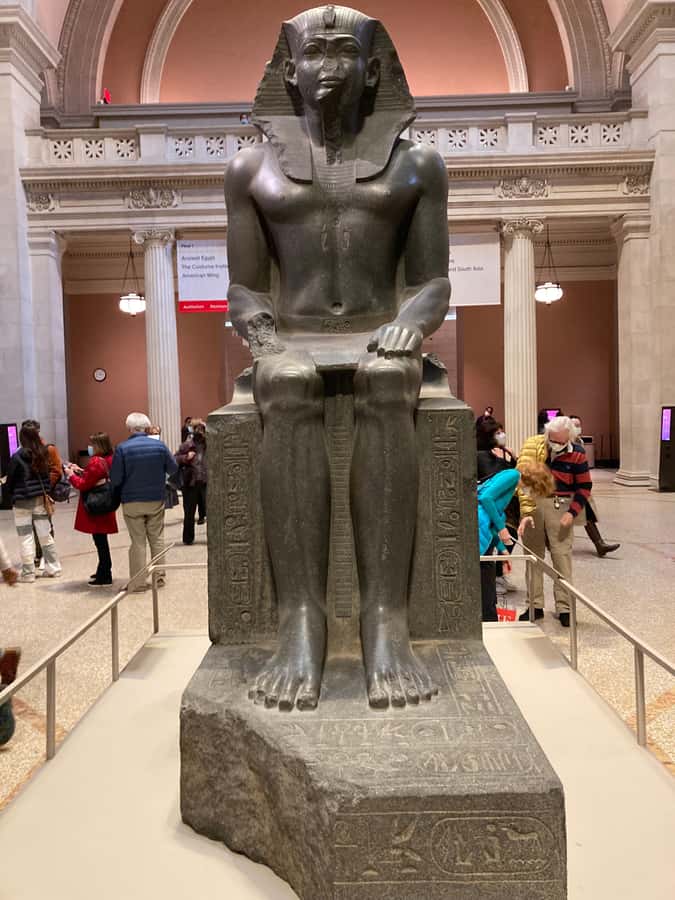
Start at the Statue of Pharaoh in the Great Hall entrance, which keeps things straightforward. From there, you are not just entering a huge museum, you are entering a museum with a theme and a plan for how to read what you see.
This tour runs for about 2 hours in English, with a live guide. You also get a ticket that stays valid for the rest of the day, which is a big deal at the Met because you can extend your day into any other galleries that catch your eye.
The biggest practical win is the skip the ticket line element. If you have ever tried to manage a museum visit in a single day, you know time is everything.
You can also read our reviews of more city tours in New York City



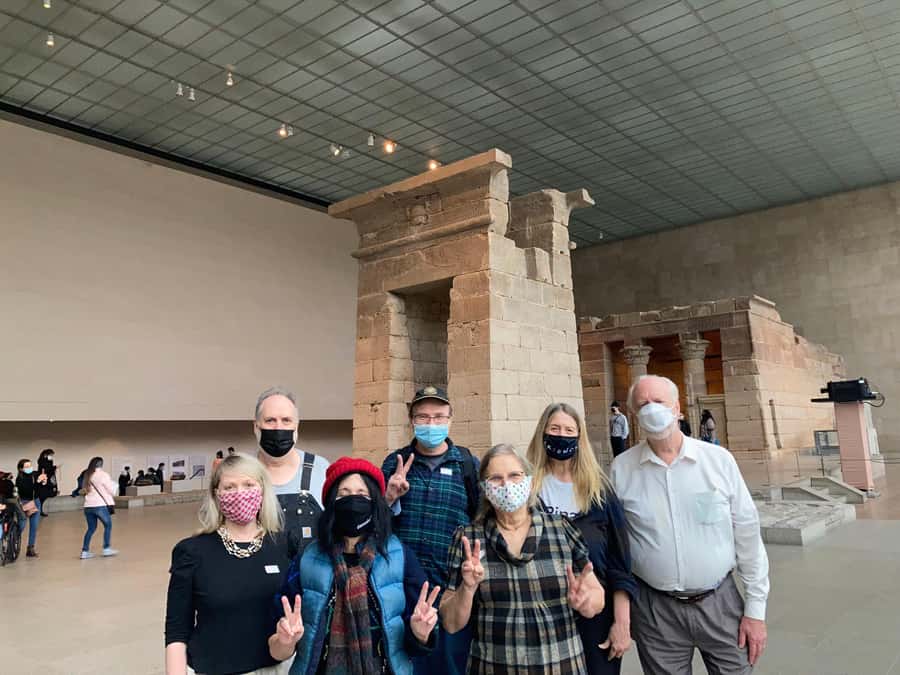
Two hours in the Egyptian galleries, from Exodus context to objects
The tour’s backbone is the Egyptian part of the Met. That matters because a lot of Bible stories become easier to understand when you can connect them to real artifacts and real ancient settings.
Here, you focus on how the Bible story intersects with ancient Egypt, especially around the Exodus and the idea that this moment gave people a new sense of dignity and identity. You do not have to be a Bible scholar to get something out of this. You just need curiosity, and the guide handles the connections with clear explanations.
One reason I like this segment is that museum labels can be short. A good guide turns “what you are looking at” into “why it matters,” and you start noticing details you might otherwise miss, like how objects reflect the cultures and beliefs around them.
Greek and Roman rooms, where Bible scenes get wider framing
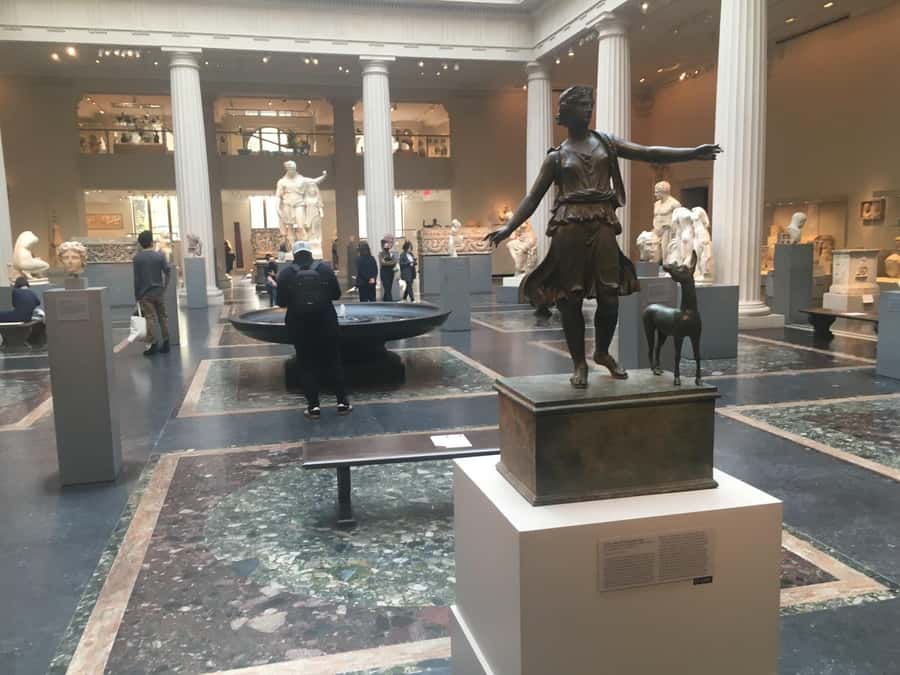
After Egypt, the tour moves into ancient Greece and Rome, which both play important roles in the Bible. This is where the tour feels like more than a Bible tour. It becomes a tour of the ancient world that helped carry religious ideas across time and geography.
In the Greek and Roman sections, the value is in the comparisons. You start seeing how shared Mediterranean histories shaped the settings where Bible traditions developed, spread, and were interpreted by later communities.
I also like that the pacing is not rigid. One review noted that the guide breaks up the visit as needed and can take relaxed pauses. In a museum this big, that kind of flexibility keeps you from feeling like you are being marched.
Bible inspired painting, how artists shaped how you picture scripture
The tour does not stop at ancient objects. You also see artworks inspired by the Bible, including work by major painters. This is where the experience becomes surprisingly personal, even if you are not religious.
Why? Because most people already have mental images of scripture scenes, even if they never studied art. When you see those scenes painted by famous artists, you learn how interpretation travels. Artists pick details, choose lighting, and shape emotion, and you end up with a visual tradition that many later readers inherit.
I find this segment useful in a practical way. You stop thinking of the Bible as only a text and start seeing it as something that repeatedly gets re imagined in different centuries.
The brochure and question-friendly guiding style
A small thing that makes a big difference: you can get a brochure listing artifacts and the Bible passages they connect to. That turns the tour into something you can review later in your hotel or at home, instead of information that evaporates right after the last gallery.
Mel Lehman is also a standout here. Based on what I learned from the experience, he is warm, kind, humorous, and flexible, with answers that go beyond the basics on the walls. If you have questions, this is the kind of tour that actually works with them.
If you like museum visits where the guide adds meaning, this tour fits that style. If you prefer silent, solo wandering, it might feel more structured than you like, but you still have time after the tour to go at your own pace.
You can also read our reviews of more museum experiences in New York City





Making the most of your Met ticket after the 2-hour tour
Included in the price is a ticket that works for the remaining part of the day after the guided portion. This is one of those smart setups that saves you from the typical problem of “I only planned for the tour, now what?”
Once your guided route ends, you can keep exploring the Met with your new context. You will likely spot Bible related themes faster because you now understand what kinds of objects and artistic choices to look for.
I recommend using the first free hours after the tour to do two things: revisit anything that caught your eye during the walk, then branch out to adjacent collections. The Met is huge, so having an anchor first makes the rest of the day feel less like navigating a maze.
Price and value: is $60 worth it?
The tour costs $60 per person for a 2-hour guided experience that includes museum entry for the rest of the day. On its face, that sounds like a normal guided-tour price for a major institution, but the value is in the combination.
You are paying for three things at once:
- Focused interpretation that helps you connect artifacts to Bible themes
- Access perks like skip the ticket line
- A guide-led route that saves you time in a museum where self navigation can be overwhelming
Where this becomes especially good value is if you want more than just photos and basic labels. If you have only a short window in New York, a guided plan is a faster way to get meaningful connections. If you are the type who enjoys reading every wall text and you already know the Bible fairly well, you might question the need for a guide, but the brochure and object-to-passage linking still make it easier to retain what you see.
Practical tips for a smoother day at the Met
You will walk, so bring comfortable shoes. Add a camera if you want to capture details, but remember flash photography is not allowed.
Bring water, because there are no water fountains, and the guide notes you should bring a bottle if you want one. Simple, but it prevents the common museum-day headache of realizing too late that you are running low.
Also, think about how you will carry things. If you plan to shoot photos, keep your bag light and avoid anything that slows you down in crowded corridors. This tour is built for movement, and your comfort will shape how much you enjoy it.
Who this tour fits best
This experience works well if you want:
- A guided way to connect Bible themes to Egyptian, Greek, and Roman contexts
- Art viewing that explains how scripture inspired later painters
- A non-sectarian museum approach that is open to multiple viewpoints
You will likely enjoy it even more if you like asking questions. The guide is described as accommodating and flexible, and the pacing can include breaks, which helps if you are sensitive to long museum stretches.
If your group includes people with different levels of Bible familiarity, this is still a good choice. The tour is designed to make connections without requiring you to arrive with a deep background.
Should you book The Bible at the Met?
I would book this if you want a structured, meaningful Met visit that goes beyond random wandering. The best reason is the way the guide links objects across time, from ancient contexts in Egypt through classical worlds in Greece and Rome, then to how later painters visually interpreted Bible stories.
If you are short on time, the guided route plus skip-the-line helps you feel productive quickly. If you love art but worry about your knowledge of the Bible, the non-sectarian framing and the object-to-passage brochure can help you catch up fast.
If you hate guided tours and you prefer total independence, you might find the structure limiting. But if you want clarity, context, and a day that feels focused without feeling rigid, this is a strong pick.
FAQ
Where is the meeting point for this Met tour?
You meet at the Statue of Pharaoh in the Great Hall entrance at the Metropolitan Museum of Art.
How long is The Bible at the Met?
The tour duration is 2 hours.
What does the tour ticket include?
Your ticket includes the guided tour of the Metropolitan Museum of Art and it is good for the remaining part of the day after the tour.
Is the tour non-sectarian?
Yes, the tour is described as non-sectarian and appropriate for people of faith and of no faith alike.
Do I need to know the Bible beforehand?
Knowing something of the Bible is described as an essential part of being an educated person, but the tour is presented as approachable for different visitors.
What languages is the guide available in?
The live tour guide is available in English.
Can I take photos during the tour?
Photography is allowed without flash photography.
Should I bring water?
Yes. There are no water fountains, so bring a bottle of water if you want one.
Is the tour wheelchair accessible?
Yes, the tour is wheelchair accessible.
Is flash photography allowed?
No. Flash photography is not allowed.
More Museum Experiences in New York City

More City Tours in New York City



More Tour Reviews in New York City



Not for you? Here's more nearby things to do in New York City we have reviewed











More Metropolitan Museum Tours to consider.
 ★ 5.0Metropolitan Museum Guided Group TourTickets from $651,013 traveller reviews
 ★ 5.0“The Met” Metropolitan Museum of Art Exclusive Guided TourTickets from $132863 traveller reviews
 ★ 4.4Express Highlights Tour of the MET MuseumTickets from $69795 traveller reviews
 ★ 4.4Metropolitan Museum of Art Highlights TourTickets from $65625 traveller reviews
 ★ 5.02-hour Metropolitan Museum Guided TourTickets from $65515 traveller reviews
 ★ 4.6Meet the Met – Extended 3hr Small-Group TourTickets from $79397 traveller reviews
 ★ 5.0“The Met” Metropolitan Museum of Art Tour Semi-Private 8ppl MaxTickets from $132384 traveller reviews
 ★ 5.0Metropolitan Museum of Art Highlights TourTickets from $65372 traveller reviews
More useful New York routes