
Review · NEW YORK CITY TOURS
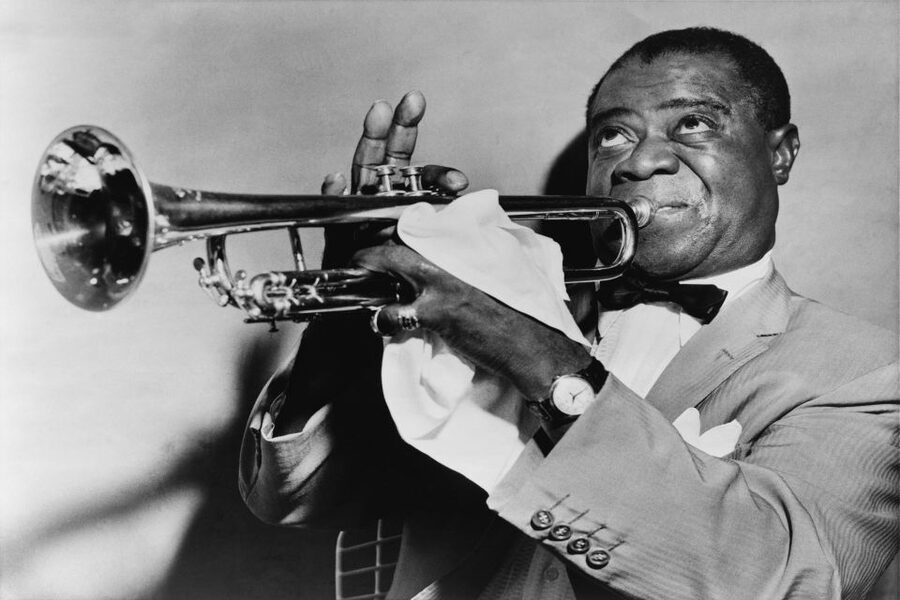
New York: Louis Armstrong Private Walking Tour with Concert
Jazz starts before the concert. This private Louis Armstrong tour puts you on Manhattan streets tied to the people, venues, and moments that shaped NYC jazz, with an expert licensed guide and a real sense of how the music moved city blocks. You begin at Jazz at Lincoln Center, then follow a thoughtful route through landmarks tied to Armstrong and the larger jazz story behind him.
I really like two things here. First, the guide brings jazz history into real places, not just facts on a page. You’ll also get strong personal context on Armstrong, including his daily life in Queens and the backstory behind some of his best-known songs.
One consideration: the tour is built around a walking route with multiple stops, so it’s less ideal if you want a slow, sit-down pace. And if you pick the 2-hour option, you do not get concert tickets.
Key highlights to look forward to
- Jazz at Lincoln Center is your starting point, with a guide setting the stage before you leave the plaza.
- You’ll walk past famous venues tied to Armstrong’s era, including Carnegie Hall and Broadway-area theaters.
- Expect guided story stops, like the 1912 Concert of Negro Music linked to James Reese Europe and the Clef Club Orchestra.
- Your route aims at the Birdland Jazz Club area, where New York’s live jazz energy still matters.
- Choose the 3-hour option if you want an evening jazz concert ticket, since the guide does not attend the concert with you.
- Tour language options include English, German, French, Italian, and Spanish.
Louis Armstrong in New York, where the music has addresses
Louis Armstrong isn’t just a name on a record sleeve. In New York City, he maps onto real corners, stages, and institutions, and this tour uses that fact like a navigation tool. You walk the city while a licensed guide connects the dots between jazz and the people who built the scene.
What makes the experience feel different from a generic sightseeing walk is the focus on how jazz history grew in public, then spread through performance venues. You’re not only learning what happened. You’re getting why it mattered, and how it still sounds when you stand near the theaters and halls.
And because it’s private, you can ask follow-up questions and steer the rhythm a bit. That matters with jazz, where context often turns into understanding.
You can also read our reviews of more walking tours in New York City


Starting at Jazz at Lincoln Center, then getting your bearings fast
Your tour begins at Jazz at Lincoln Center, 10 Columbus Cir. The meeting point is outside, and you do not need to enter the venue. This is smart if you want to stay on schedule and start listening immediately.
From the beginning, the guide sets the theme: why NYC is called the Jazz Capital of America and how the city became a magnet for artists, audiences, and new sounds. Even if you only know Armstrong from the hits, you’ll get a bigger frame for where jazz took off and why New York mattered so much.
Look at this first segment as your orientation. You learn the “jazz system” of the city before you start clocking landmarks. It helps the rest of the walking tour land with more meaning.
Seventh Avenue landmarks: Carnegie Hall and the big-stage jazz footprint

After you start at Jazz at Lincoln Center, the walk takes you down Seventh Avenue. One of the key stops is Carnegie Hall, a venue that has hosted many jazz greats and left a lasting mark on the genre’s credibility and visibility.
Carnegie Hall matters in a story like this because it represents jazz moving into mainstream prestige. Armstrong and other legends weren’t only playing for small circles. They were shaping what the city considered important art.
As you go, your guide shares facts and anecdotes tied to Armstrong and the jazz world around him. It’s not just, “this building exists.” You get the human side, the career pressures, and the way musicians networked through performance.
The James Reese Europe connection: 1912 and the momentum behind jazz
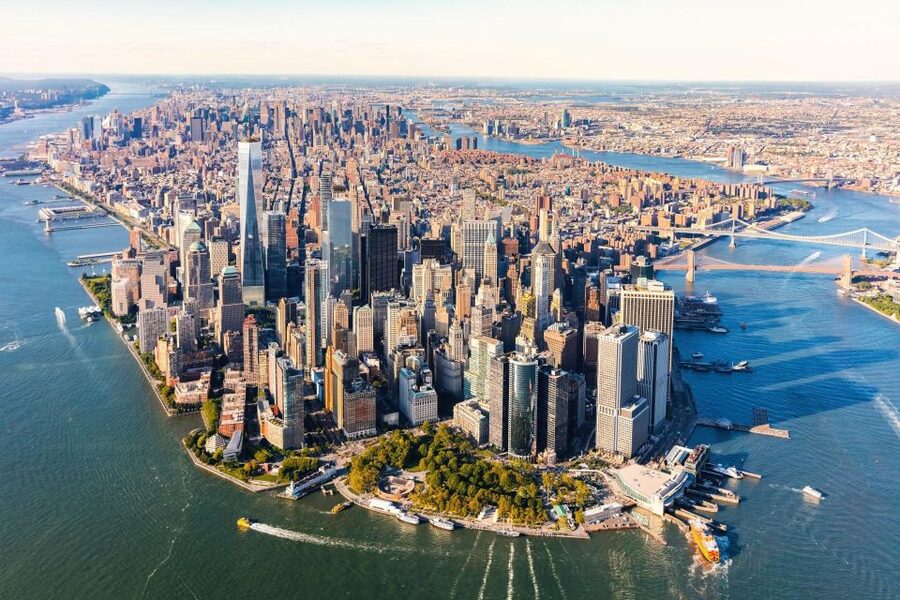
A standout kind of moment on this tour is the historical story about the 1912 Concert of Negro Music by James Reese Europe and his Clef Club Orchestra. Even if that name is new to you, it’s the kind of detail that makes jazz history feel more complete.
Why it’s worth hearing: it explains jazz’s rise as a cultural force. This isn’t just about Armstrong as a star. It’s about the broader ecosystem that helped jazz become a national story, with New York as the engine.
The guide’s job here is to make this feel chronological and understandable. If you’re the type who likes to see how one event leads to another, you’ll likely enjoy this section.
Broadway-area theaters and Times Square lights, jazz culture in the spotlight
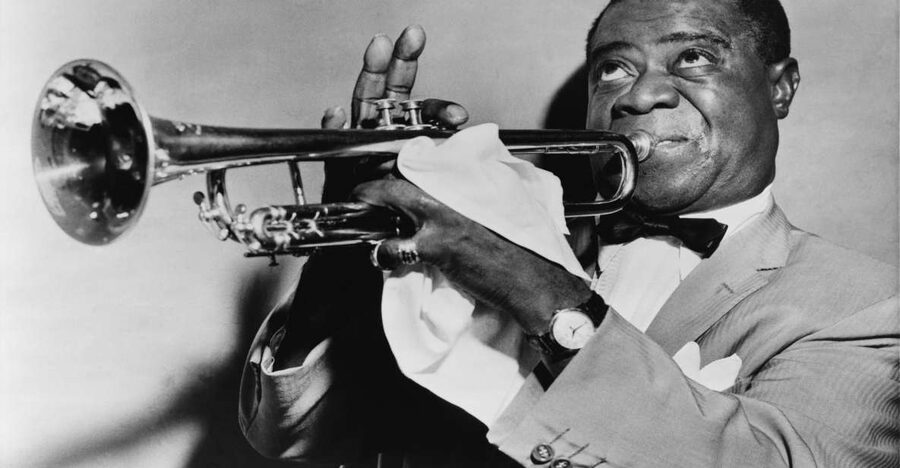
As the route continues, you’ll pass bright scenes near Times Square and the Winter Garden Theatre area. These stops can sound like simple sightseeing until your guide connects them back to performance culture.
In other words, you’re watching the city’s entertainment machine while someone explains how that kind of visibility and audience attention affects music careers. The point is not that jazz only happened under neon. The point is that New York’s stage culture helped carry jazz forward.
This section works best if you’re open to a guide-led blend of street life and music history. You’ll get both the sights and the story logic that ties them together.
You can also read our reviews of more private tours in New York City



Armstrong’s Queens daily life: the private person behind the public sound
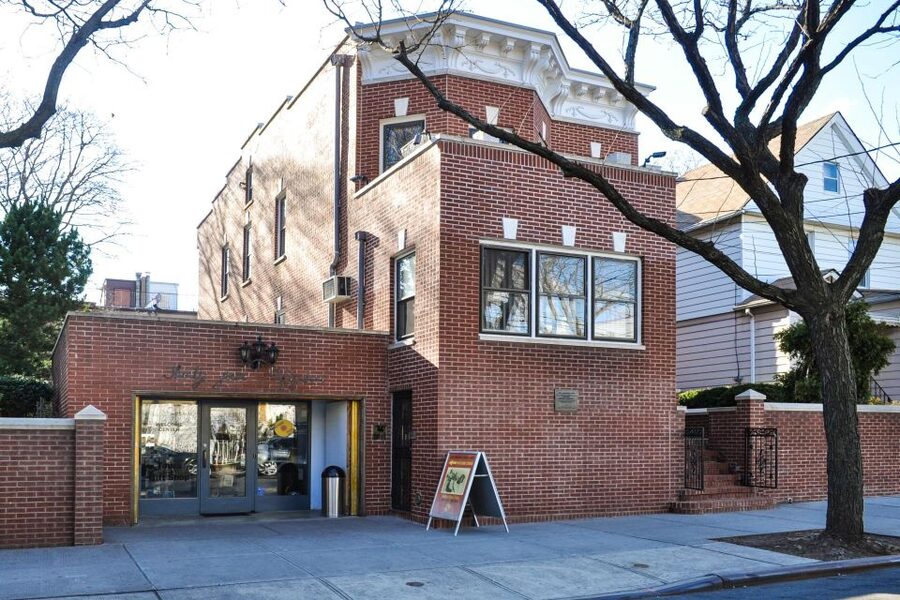
One of the tour’s more interesting promises is time spent on Armstrong’s personal life, not just his stage moments. You’ll hear about his life in Queens, and you’ll connect that day-to-day reality to the larger arc of his career.
This is where the tour can feel most human. A musician’s public persona is only half the picture. Learning what shaped him in everyday life helps you interpret the energy in his recordings and performances.
The guide also talks about friendships with fellow jazz legends. That’s a big deal in New York history. Jazz didn’t grow in isolation. People influenced each other through collaboration, competition, and constant touring.
Hudson Theatre and Hot Chocolates: a stop that smells like 1929
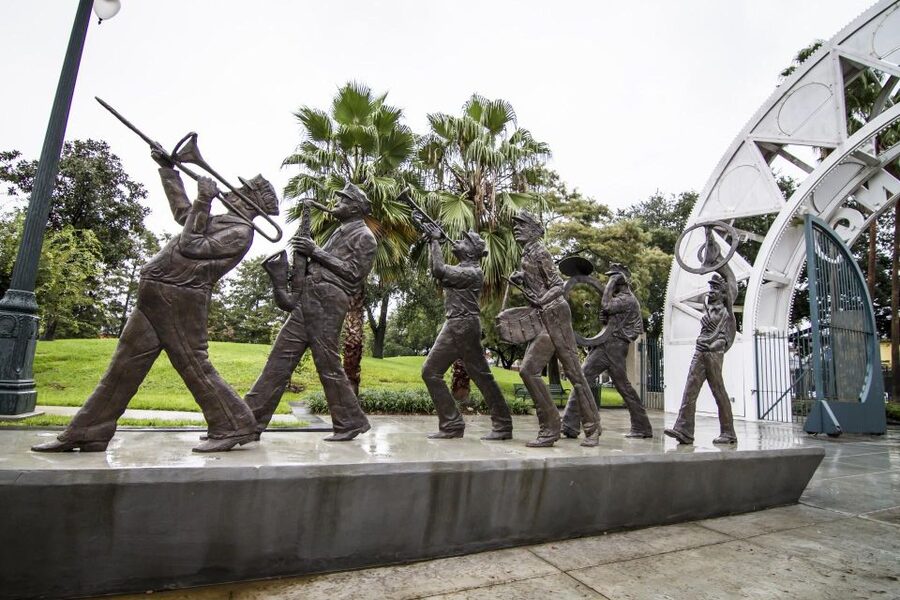
As you get deeper into the route, you reach the historic Hudson Theatre. The tour includes exterior views tied to Armstrong’s performance in Hot Chocolates in 1929.
This kind of stop is valuable because it anchors a specific production to a physical location. Instead of treating Armstrong’s work like a museum object, you see how theater stages were part of his real performing life.
One practical note: the tour description says it ends back at the meeting point, but it also describes ending at the Birdland area. In practice, you should expect the walking portion to lead toward Birdland Jazz Club, with the formal end point handled per the booking details. Either way, you’re finishing close to where you can keep the jazz evening going on your own.
Birdland Jazz Club area: ending where live jazz still matters
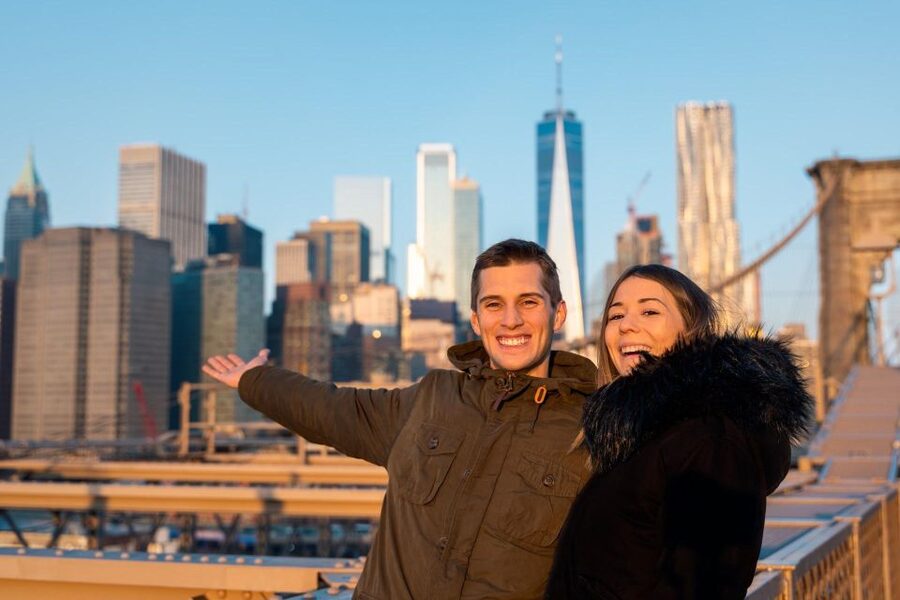
The walking tour ends at the celebrated Birdland Jazz Club (or very near it, depending on how the operator structures the finish). Birdland is one of those names that feels like a shortcut into New York’s live jazz culture.
Even if you do not attend a show that night, this ending location helps you make sense of what you just learned. You’re not walking through history that’s frozen in place. You’re walking toward an address where jazz is still an event, not just a memory.
If you’re aiming for more than photos, this is a good place to pause and decide what you want next. You can stay in the area for dinner, or plan a quick stop for a drink before the evening program.
The 3-hour option concert: what’s included and what changes
If you choose the 3-hour option, your ticket includes an evening jazz concert. This is a separate attraction, and your guide will not accompany you into the concert. The concert typically starts between 5:30 and 8:00 PM.
The venue and program vary based on availability. The exact concert time and location are sent to your email, with the ticket attached. That’s a key difference from the walking portion: you have a guided plan in the daytime, then you switch into a ticketed show experience in the evening.
Why I think the concert add-on is good value if you love live music: the day gives you context for what you’re hearing, and the night gives you sound. If you only want one piece, choose the option that matches your energy.
Also, if you want to keep your schedule tight, plan for the possibility that the evening location is not exactly where your daytime walk ends. You’re getting a ticket to the best available venue in the booking pool, not a guaranteed single building.
Price and value: is $193 worth it?
At $193 per person, this tour sits in the mid-to-higher range for a walking experience. The question is whether you’re paying for more than just “a guide with a route.”
Here’s what you’re actually getting value for:
- A licensed private guide with expert commentary on jazz history
- A route that targets well-known venues tied to jazz culture, including Armstrong connections
- Personal story content, including Armstrong’s life and his career highlights
- For the 3-hour option, included concert tickets, which can be the biggest value driver
So the best fit depends on which option you book. The 2-hour option offers the guided walk and stories, but you’ll have to plan your own evening music. The 3-hour option bundles a live concert ticket into the experience, which is often where the $193 starts to feel more “all-in” and worth it.
If you’re traveling in a group that can split costs, private tours can turn into a strong deal. If you’re solo and you also want live music that night, the 3-hour option is the one that makes the price feel most justified.
Logistics that matter on a walking tour like this
This is a 2 to 3 hour private walking tour, so pacing and timing matter. It’s not a sit-down museum tour, and you’ll cover enough ground to enjoy the city rhythm.
Your guide is licensed and fluent in your chosen language, with options including English, German, French, Italian, and Spanish. If language support matters to you for nuanced history, that’s a real advantage.
There’s also a practical guide-to-group note: 1 licensed guide per 25 guests, and 2 guides for groups of 26 to 50. Even though it’s described as private, this tells you the operator uses a standard capacity model, which can affect how much attention you personally get if your booking group is larger.
Finally, you’ll receive important details by email the day before your tour. That’s especially important for the concert option because the venue and program can vary.
Who this tour suits best (and who should skip it)
This tour is best for you if you:
- Want jazz history tied to real Manhattan locations
- Like Armstrong but also want the broader story of how NYC jazz developed
- Want a guide-led experience that explains context, not just names
- Are choosing the 3-hour option and want an evening concert after the walking segment
It may not be your best choice if you:
- Want minimal walking time
- Only want architecture and photos, with little interest in historical storytelling
- Are booking the 2-hour option but were expecting concert tickets (those are only included with the 3-hour option)
If you’re a jazz fan who also likes theater districts and iconic NYC streets, this tour hits a very specific sweet spot.
A couple of realistic expectations based on past experiences
One practical thing to keep in mind is that the tour depends on the guide’s delivery style. In a higher-rated experience, the guide had strong city knowledge, but there was a complaint that the guide had to read parts of the jazz material. That doesn’t make the tour bad, but it does mean you should mentally prepare for some scripted history segments rather than purely conversational storytelling.
Another note: one low-rated experience involved a cancellation on the operator’s side and only part of the refund. You’re offered free cancellation up to 24 hours in advance, so you can protect yourself with timing, but it’s still smart to avoid booking if you have no flexibility.
Should you book this Louis Armstrong private walking tour?
I’d book it if you want a guided walk that connects Armstrong to the city’s jazz stage world, and you plan to enjoy at least one live music moment during the same day window. The 3-hour option is the more complete package because it adds concert tickets, and the walking part gives your ears context before you sit down for music.
I’d think twice if your plan is tightly scheduled around one specific evening venue, because the concert location and program can vary and your guide does not attend with you. Also, if you prefer slow pacing, remember this is still a walking tour with multiple stops.
If you want NYC jazz as a story you can walk, and you like ending the day near Birdland, this is a solid match. Choose the option that fits your music appetite, and you’ll get a day that sounds like a playlist with street addresses.
FAQ
Where does the tour start?
The tour meeting point is in front of Jazz at Lincoln Center at 10 Columbus Cir, New York, NY 10023. Please do not enter the venue, it is only a meeting point.
How long is the tour?
The tour duration is listed as 2 to 3 hours, depending on the option you choose. Check availability for starting times.
What’s included in the 2-hour option?
The 2-hour option includes the private walking tour with jazz history and concert tickets are not included in this option.
What’s included in the 3-hour option?
The 3-hour option includes the private walking tour plus tickets for an evening jazz concert. The concert is a separate attraction and your guide will not accompany you.
Do I get concert tickets with the walking tour?
Concert tickets are included only with the 3-hour option. They are not included with the 2-hour option.
What time does the concert usually start?
Concert start times typically fall between 5:30 PM and 8:00 PM.
What languages are available for the guide?
The tour is offered with guides fluent in English, German, French, Italian, and Spanish.
What should I do the day before the tour?
Check your email the day before the tour for important details from the operator, especially since the concert time and location for the 3-hour option are sent by email.
More Walking Tours in New York City


More Tours in New York City





More Tour Reviews in New York City


Not for you? Here's more nearby things to do in New York City we have reviewed







More New York City Tours to consider.
 ★ 4.7SUMMIT One Vanderbilt TicketsTickets from $4751,195 traveller reviews
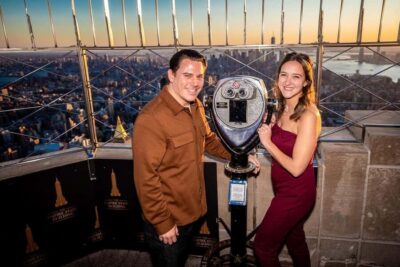 ★ 4.7Empire State Building Tickets – Observatory & MuseumTickets from $4725,757 traveller reviews
 ★ 4.6Statue of Liberty & Ellis Island with FerryTickets from $1918,683 traveller reviews
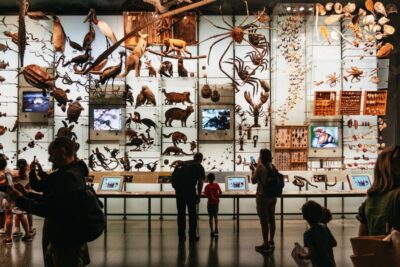 ★ 4.5American Museum of Natural History TicketTickets from $3715,447 traveller reviews
 ★ 5.0New York in One Day Guided Sightseeing TourTickets from $9913,166 traveller reviews
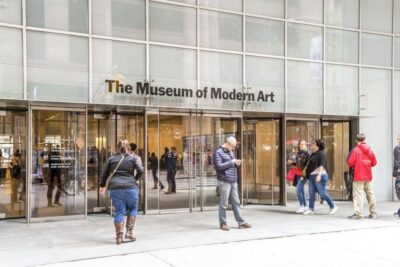 ★ 4.6Museum of Modern Art (MoMA) Entry TicketTickets from $3012,540 traveller reviews
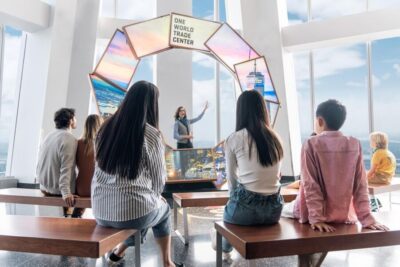 ★ 4.7One World Observatory Skip-the-Line TicketTickets from $3012,329 traveller reviews
 ★ 4.7New York CityPASS®: Save up to 41% at 5 Top AttractionsTickets from $15410,548 traveller reviews
More useful New York routes