
Review · HARLEM TOURS
NYC Contrasts Tour: Harlem, Bronx, Bushwick, Queens, and Brooklyn
Six hours of neighborhoods, music, and murals. It is built for NYC contrasts, starting in Manhattan and moving by van through Harlem, the Bronx, Queens, and Brooklyn, with quick photo stops and short walks to keep momentum. I especially like the Apollo Theater area for its deep show-business energy, and I like the South Bronx mural zone because it turns street art into a real story you can see up close.
The main tradeoff is time: the stops are focused, so you get quick hits rather than a slow, sit-down version of each place.
Key things that make this tour worth your time
- Spanish guide who keeps it moving and fun: In past groups, guides like José have stayed patient during photo moments and kept the explanations clear and lively.
- You get out in the neighborhoods, not just at the curb: Williamsburg (Hasidic streets) and Bushwick (mural area) include real walking time.
- Music landmarks you can actually point at: Cotton Club and Apollo Theater are part of the route, with photo stops timed so you can frame the street scene.
- Bronx movie and street-art stops in the same day: The Joker Stairs and the mural walls for Big Pun and I LoVe The Bronx are a strong combo.
- Queens major sights in one loop: Flushing Meadows Corona Park includes the Unisphere, Queens Museum, and big sports venues.
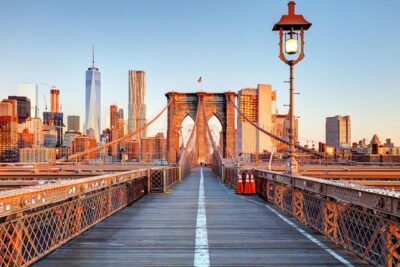
- Your ending can fit your plans: It can finish with options that lean toward Dumbo and Brooklyn Bridge, or toward Chinatown and Little Italy.
Why this NYC Contrasts route feels different from a basic sightseeing bus
This is a street-level tour of how New York looks and sounds when you compare borough to borough. You start in Manhattan and quickly shift gears, with music spots in Harlem, sports and movie details in the Bronx, park-and-Expo landmarks in Queens, and the mural neighborhoods of Brooklyn.
What you get for $54 is not a long museum day. It is a fast-moving sampler that connects culture, everyday life, and visual storytelling. If you only have a day or two in the city and you want the “how New York differs” feeling without planning five separate trips, this format works.
One more thing I like: it is designed around short stops plus brief stretches on foot. That means you are not stuck staring at a screen the whole time, but you also are not forced into marathon walking.
You can also read our reviews of more tours and experiences in New York City.

Starting in Manhattan: how the day sets your bearings fast
You meet in Midtown, at Unique Sandwiches Pizza Café on 8th Avenue (look for the Metro Contrasts Tour sign). From there, the van ride helps you settle into the route before you start hopping out.
On the way north, you pass the Intrepid Aircraft Carrier, now the Air, Water, and Space Museum, and you skirt the Hudson River. This stretch matters because it gives you a skyline baseline and a sense of where you are headed, especially with the huge George Washington Bridge coming into view.
Then you roll into Harlem, and the tour starts paying attention to identity, not just landmarks. That theme keeps showing up again and again.
Harlem: Cotton Club and Apollo Theater, built for photo moments and big-name energy
In Harlem, you get the kind of stops that are easy to understand even if you know little about the specific details. The tour pulls up at the Cotton Club for a photo stop, about ten minutes. It is quick, but enough time to take pictures from the sidewalk and catch the vibe of the street right there.
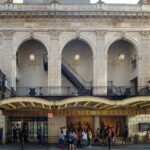
Next is the Apollo Theater, with a slightly longer photo stop. This one is a highlight because the building is a giant piece of performance history, and the surrounding 125th Street area gives you that “this place means something” feeling. The tour is structured so you can photograph the facade and then move on, without losing momentum.
If you like when a city visit has a soundtrack, Harlem here scratches that itch. It is not just architecture, it is the sense of stage lights and legend.
Practical note: the stops are short by design. If you care about your photos, keep your camera ready and aim to be quick at the curb.
Malcolm X Boulevard and brownstone Harlem: daily life plus basketball culture
After Apollo, the route heads along Malcolm X Boulevard and Malcolm X Boulevard area and includes a photo stop/pass time for the everyday streets around 125th and beyond. Then you reach the Brownstone Houses area, where you observe daily life from street level. That observation part is what makes the neighborhood feel more real than a staged attraction.
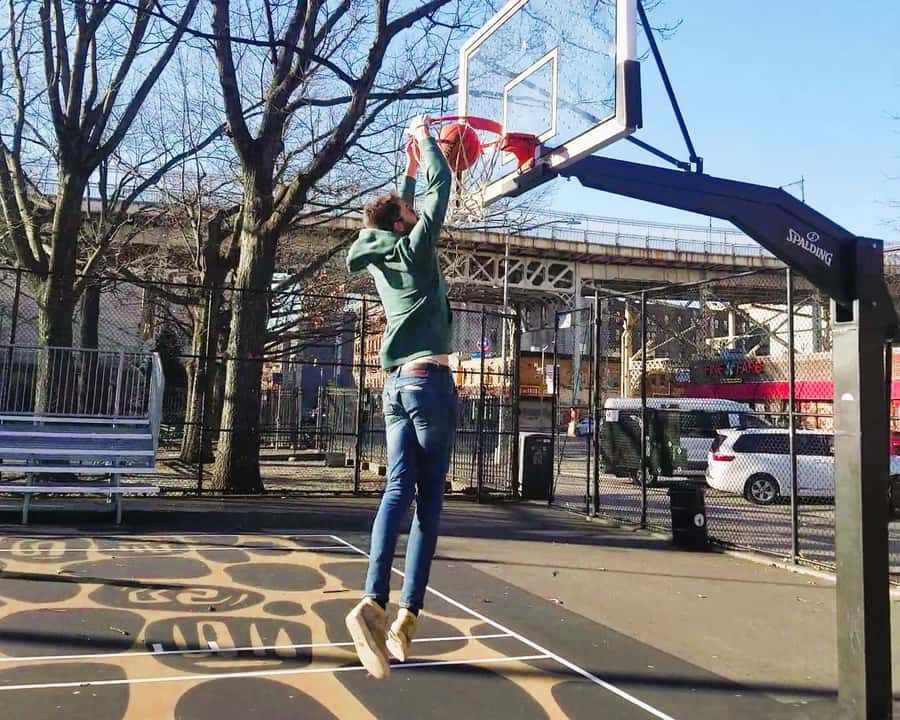
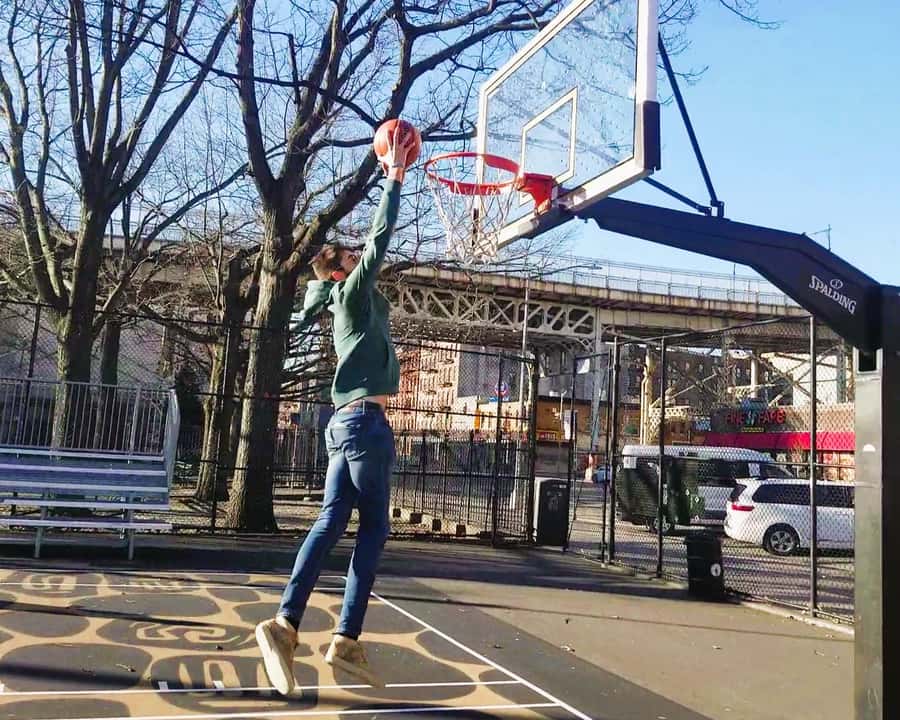
A key cultural add here is the plan to check out basketball courts tied to Harlem street hoops culture, including Harlem Trotamundos. This is a nice contrast to the theater stops. Same borough, different angle: music and performance one minute, community recreation the next.
You might also see references to Rucker Park in the overall route highlights. Even if your exact moment is brief, the point is clear: Harlem sports culture is part of the same social fabric as its music legacy.
The Bronx in one swing: Yankee Stadium, courts, and the Joker Stairs

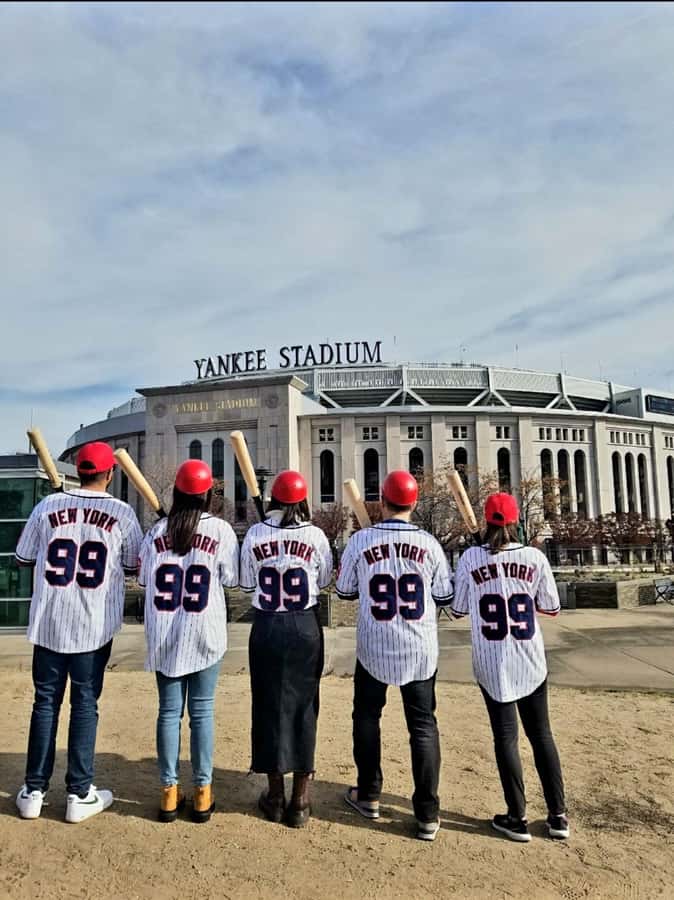
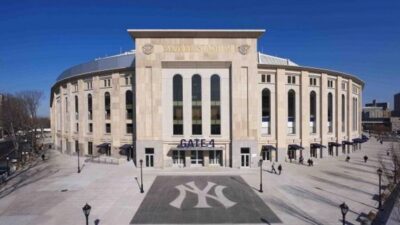
Then the tour jumps into Bronx territory, and the mood shifts quickly. You hit Yankee Stadium for a photo stop, about fifteen minutes. Even if you are not a baseball superfan, the stadium helps you understand the Bronx as a place built around major institutions, not just murals and street legends.
Along the way, you pass areas connected to local enforcement and the court system, including Fort Apache Police Station and the Family, Civil, and Criminal Courts. You are not stepping inside, but seeing these locations from the outside gives context for how daily life and public systems shape neighborhoods.
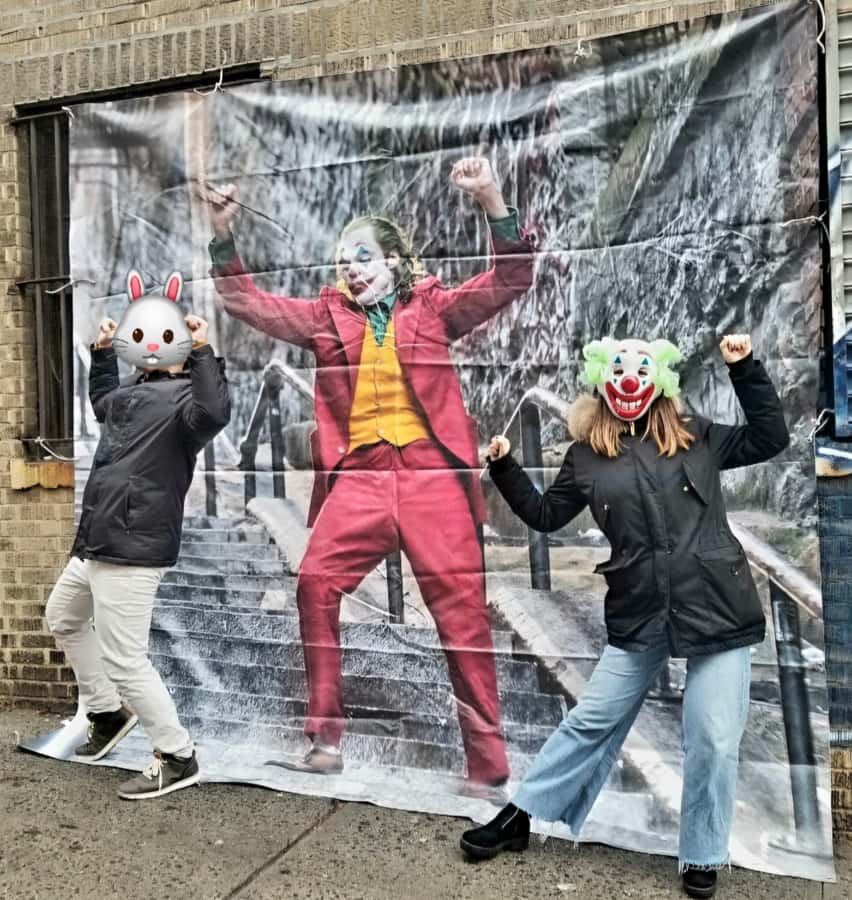
The most cinematic moment is the Joker Stairs photo stop. The tour specifically calls out the spot where Joaquin Phoenix performed the Anti-Hero dance from the movie Joker. It is a quick photo window, but this kind of pop-culture reference turns a real set of stairs into a recognizable scene you can point to.
If you like the way film can help you learn a place faster, this is a good mechanism. It gives you a hook, then you move into the real texture of the neighborhood.


South Bronx murals: Big Pun, I LoVe The Bronx, and Tats Cru
After the movie-style stop, the tour moves through the mural and graffiti zones in the South Bronx. This is where the day gets visually intense in the best way.
You get specific mural references, including Big Pun and I LoVe The BRONX, plus Tats Cru. These are not random wall pictures. They are identity markers you can read as you walk past, and they turn the Bronx into a living gallery.
What I like about making this a dedicated stop is that it prevents street art from feeling like an optional extra. You are not just driving by murals. You are meant to look, photograph, and connect the images to the neighborhood.
Tip for your photos: murals can look flat if the angle is wrong. If there is time to reposition, do it. A slightly different stance can change the whole shot.
Queens: Whitestone break, Malba residential views, and the Unisphere at Flushing Meadows
Queens is the “systems meet landmarks” part of the tour. You pass the Whitestone Suspension Bridge, which is a good view moment that also helps you understand Queens geography from a moving vantage point.
There is also a coffee stop around the Whitestone area, about twenty-five minutes. This is one of the practical breaks that makes the rest of the day feel manageable.
Then you head into Malba, a residential neighborhood where you can see the Queens Mansion. The highlight here is not a formal attraction. It is that residential feel, plus the sense of how Queens can look quietly upscale and different from the louder parts of the borough.
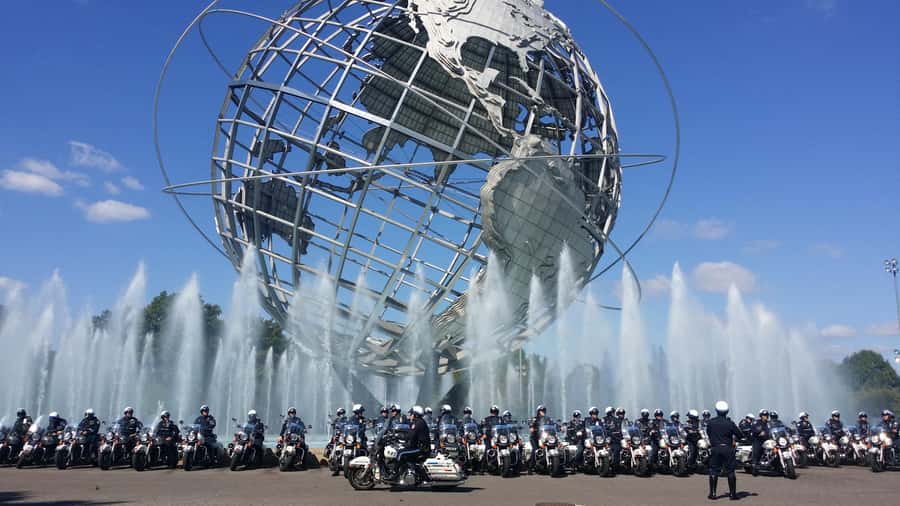
From there, you reach Flushing Meadows Corona Park. The tour builds in a photo stop and a short walk, about fifteen minutes. This is a big payoff segment because it compresses several major sights into one area:
- the US Open Stadium
- the Mets stadium
- the Queens Museum
- the Unisphere
The Unisphere matters because it is tied to the second Expo held in New York in 1964. Seeing it in the setting of the park helps it click as more than just a sculpture. It becomes a symbol of how the city remade itself through big global events.
Brooklyn: Williamsburg Hasidic streets and Bushwick Collective murals
Next is Brooklyn, and the tour really changes feel again. In Williamsburg, you visit the Hasidic neighborhood, described as the largest Hasidic community in the USA. You can get out and wander the streets, which is important. It gives you a sense of scale and rhythm that you cannot get from a window.
At the Williamsburg stop, you also get local snacks timing. Even though the tour does not include food, this is built as a window for you to grab something nearby and keep moving.
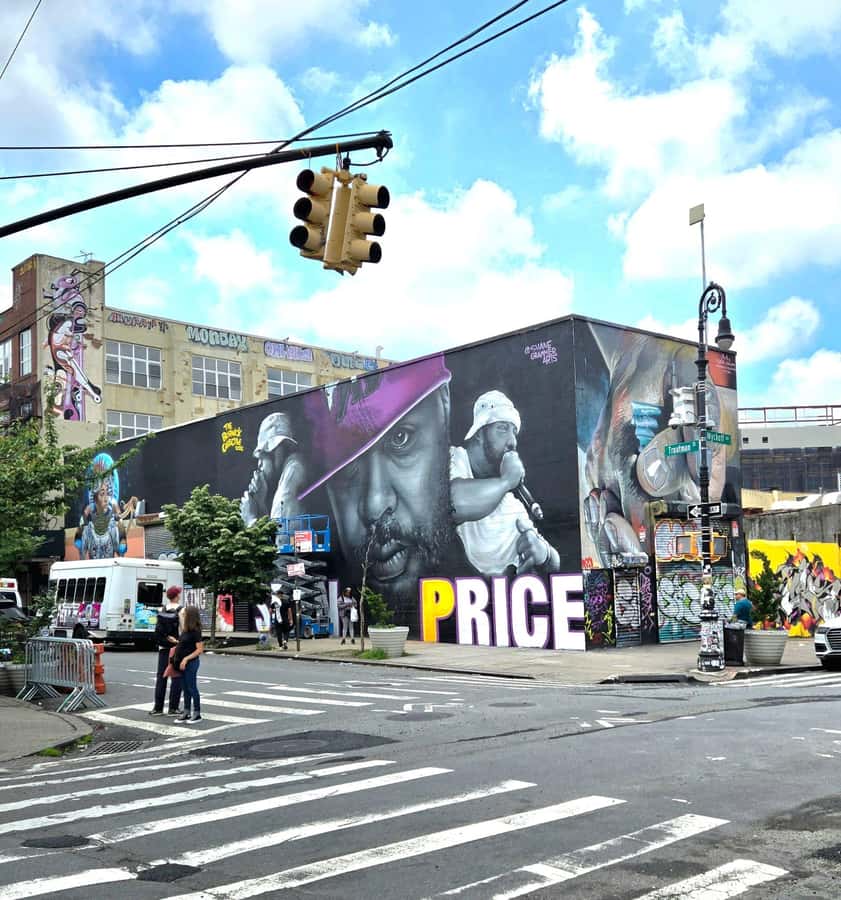
Then you head to the Bushwick neighborhood, often associated with colorful street art. The plan includes the Bushwick Collective area for a photo stop and walk. This is where your Bronx mural viewing starts to pay off. You can compare styles and read the city’s walls as a network of different voices.
The walking time is short, but it is enough to notice the difference between a mural that is just decorative and one that feels like a message.
The ending options: Dumbo and Brooklyn Bridge, or Chinatown and Little Italy
At the end, the tour finishes at 133 Canal St. After that, you can choose how you want to continue. One option is to stay on for Dumbo and scenic views toward the Brooklyn Bridge. Another option is to head toward Chinatown and Little Italy.
This is a smart design because your interests might shift after six hours. If you want classic skyline views, Dumbo fits. If you want shopping streets and food energy, Chinatown and Little Italy pull you in that direction.
Spanish guide energy is a real part of the value
The tour runs with a Spanish language guide, and the guide style seems to matter a lot. In the feedback you shared, guides like José and Rafael are described as very engaging, prepared, and good at keeping the atmosphere relaxed. One recurring theme is patience during photo and video sessions, including taking top-notch pictures and making it feel easy to capture your moments across neighborhoods.
That matters for your experience because this route moves quickly. If you get a guide who explains what you are seeing in a clear way, the whole day clicks instead of feeling like a list of stops.
Also, the tour format includes videos and some fun elements tied to photo moments. That can help you connect scenes, especially for the Joker Stairs pop-culture moment, so it does not feel like you just posed at stairs.
Price and what you actually get for $54
Let’s talk value. At $54 for about six hours, you are paying for transportation plus a live Spanish guide and access to the route’s multiple borough stops. It is not a bargain like a free city bus, but it is also not a premium private car situation.
You are essentially buying three things:
- efficient borough coverage in one day
- guided context for landmarks you might otherwise miss or misunderstand
- time-saving photo stops and short walks that keep you from spending half your day getting there
What is not included is food and drinks. The tour does include at least one technical snack stop in the Queens area and a coffee stop around Whitestone, but you still should plan to buy your own meals and water if needed.
Given the number of neighborhoods covered, this price makes sense if your priority is variety and seeing the city’s social contrasts in one go.
Who should book this contrasts tour, and who should skip it
I think this tour is a strong fit if you want:
- a fast look across Harlem, the Bronx, Queens, and Brooklyn
- photo-friendly stops at major landmarks like the Apollo Theater and Yankee Stadium
- street-art focus, including the Big Pun and I LoVe The BRONX murals
- short walks in places like Williamsburg and Bushwick
You might want to skip it if:
- you want long time at each site
- you need stroller access, large luggage, or wheelchair-friendly routes, since the tour has restrictions and is not suitable for wheelchair users
- you want food included, since food and drinks are not part of the package
Quick practical tips before you go
These are the small things that help you get more out of the day:
- Wear shoes you can walk in for short bursts, since you will have multiple walk segments.
- Bring a camera setup you can handle fast, because several stops are photo-first.
- Plan on buying your own snacks and water since food is not included.
- Expect a Spanish-speaking environment and lean into it. The guide explanations are a big part of the value.
- Keep your day flexible for the ending area, since Dumbo and Brooklyn Bridge or Chinatown and Little Italy are both possible continuations.
Should you book this NYC Contrasts Tour?
If you want one half-day that feels like a real New York comparison test, I would book it. The structure hits a sweet spot: music landmarks in Harlem, the movie and mural identity of the Bronx, major Queens park landmarks tied to a world expo era, then street-level walking in Williamsburg and Bushwick.
The decision comes down to your style. If you prefer slow, deep museum time, this will feel too quick. If you want big contrasts, guided context, and a day that helps you understand how different parts of NYC feel, this is a smart use of your time.
FAQ
How long is the tour?
The tour lasts 6 hours.
How much does the tour cost?
It is priced at $54 per person.
What language is the guide?
The tour includes a live Spanish language guide.
What is included in the price?
The price includes van or truck transport, a Spanish language guide, and a vehicle with air conditioning.
Are food and drinks included?
No. Food and drinks are not included, though there is a snack stop and there is a coffee stop mentioned.
Where do I meet the tour?
You meet at Unique Sandwiches Pizza Café, 766 8th Ave, New York, NY 10036, and look for the Metro Contrasts Tour sign outside the main entrance.
Does the tour include stops in Harlem, the Bronx, Queens, and Brooklyn?
Yes. The route includes Harlem, the Bronx, Queens, and Brooklyn, with specific photo stops and short walks.
Is the tour wheelchair accessible?
No. It is not suitable for wheelchair users.
Are strollers or large bags allowed?
No. Oversize luggage, baby strollers, and luggage or large bags are not allowed, and due to lack of space suitcases, strollers, and large items cannot be brought.
Where does the tour end?
It ends at 133 Canal St, New York, NY 10002, with possible continuation options toward Dumbo and the Brooklyn Bridge, or toward Chinatown and Little Italy.
More Tours in New York City



More Tour Reviews in New York City
Not for you? Here's more nearby things to do in New York City we have reviewed





More Harlem Tours to consider.
 ★ 4.5NYC Highlights Tour: Bronx, Brooklyn, Harlem, Queens & ConeyTickets from $462,846 traveller reviews
 ★ 4.5Contrasts Tour of Harlem, The Bronx, Queens & BrooklynTickets from $392,167 traveller reviews
 ★ 4.7Harlem Hallelujah! Gospel Wednesday ConcertTickets from $251,638 traveller reviews
 ★ 4.7Harlem Gospel Live Music ConcertTickets from $281,479 traveller reviews
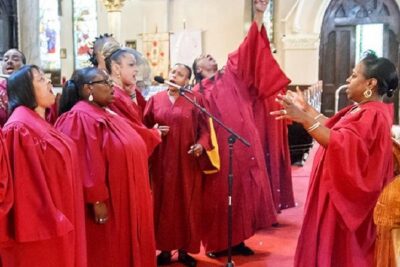 ★ 4.0Harlem Sunday Morning Gospel TourTickets from $85995 traveller reviews
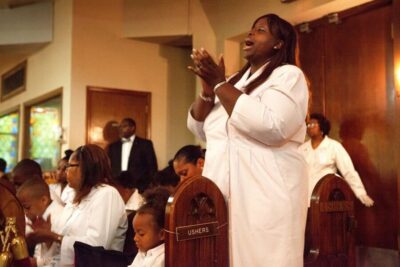 ★ 4.04-hour Harlem Gospel Tour in New York CityTickets from $79935 traveller reviews
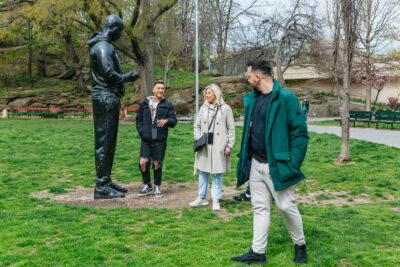 ★ 3.9Harlem: Central Harlem Sunday Gospel with LocalsTickets from $25499 traveller reviews
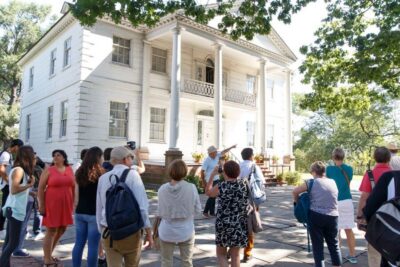 ★ 4.3Sunday Harlem Gospel Guided TourTickets from $89438 traveller reviews
More useful New York routes