
Review · HARLEM TOURS
NYC | French guided tour Hip-Hop in East Harlem & Bronx
Two boroughs, one hip-hop story. This French guided, 3.5 hour route connects East Harlem street art to the Bronx, with a subway hop built into the plan and stops tied to the music you hear everywhere in New York.
I especially like the small size, up to 10 people, so you actually get answers instead of being herded like a playlist. I also appreciate that you get group photos by email and a list of great addresses for each neighborhood, not just a vague recap.
One drawback to plan around is transport. The subway ticket is not included, so you will need a valid MetroCard or you can buy one at the station before you head out.
Key points you will care about
- Two neighborhoods in one half day, East Harlem and the Bronx, with Harlem in between
- Street art taught in context, including graffiti vs street art vs tagging, plus how people judge it
- Apollo Theater stop tied to African-American music and the hip-hop era that came after
- Bronx shopping moments, including hip-hop clothing stores and shops described as 100% made in the Bronx
- Small group size up to 10, plus emailed group photos and a neighborhood address list
Starting at the Museum of the City of New York, with a musical welcome
The day starts at the Museum of the City of New York, on the east side of Central Park at 103rd Street. This is a smart choice for an experience like this, because you get grounded in how New York grew before you walk into the neighborhoods that shaped modern culture. It also keeps the beginning simple: you meet in front of the museum and the guide waits for you.
What makes the opening feel different is the promise of a musical note. The tour begins with a little tune, which sets the tone right away. It is a small touch, but it matters. Hip-hop in New York is never just about lyrics and beats, it is also about rhythm in how neighborhoods move, how people speak, and how art shows up on walls.
If you like having a clear start, this one helps. You know where to be, you know who you are looking for, and you know the route is going to connect history, art, and music, not just points on a map.
You can also read our reviews of more guided tours in New York City



East Harlem street art and the Graffiti Hall of Fame lesson
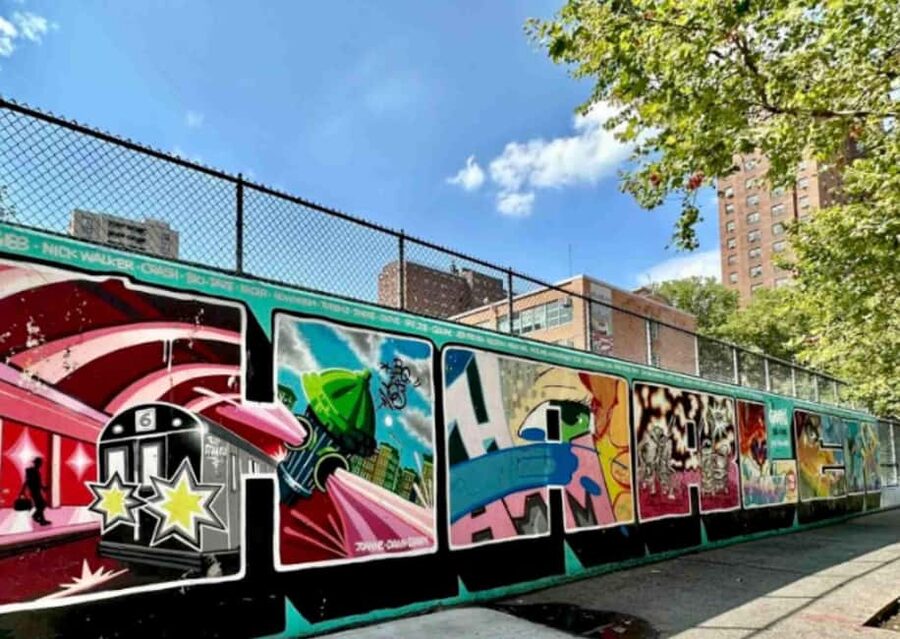
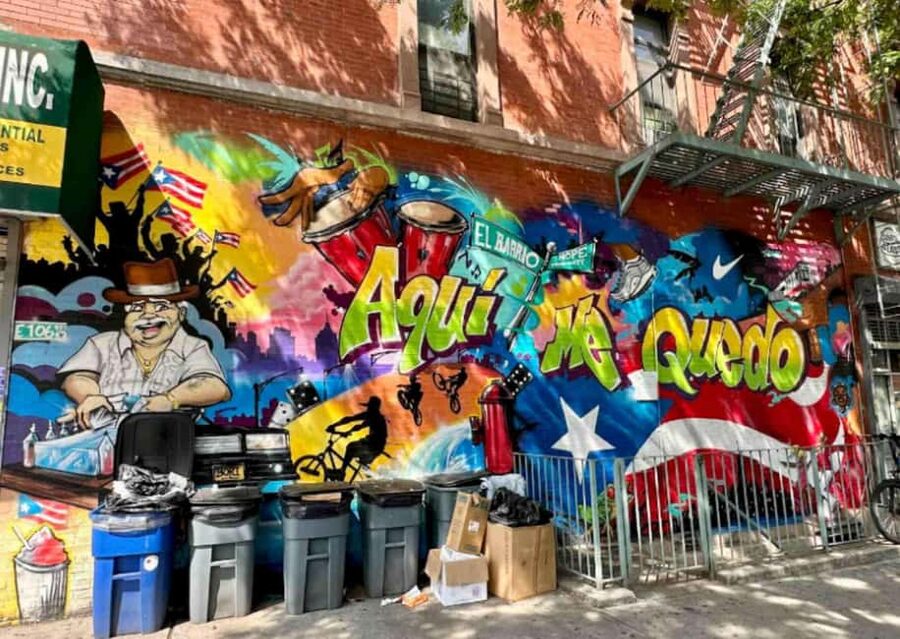
Once you head north into East Harlem, the tour becomes very visual. Expect colorful murals and graffiti that reflect the creative energy of the area and the way hip-hop grew into a broader cultural force. This is not presented as random wall decoration. You get ideas about what you are seeing and why it shows up where it does.
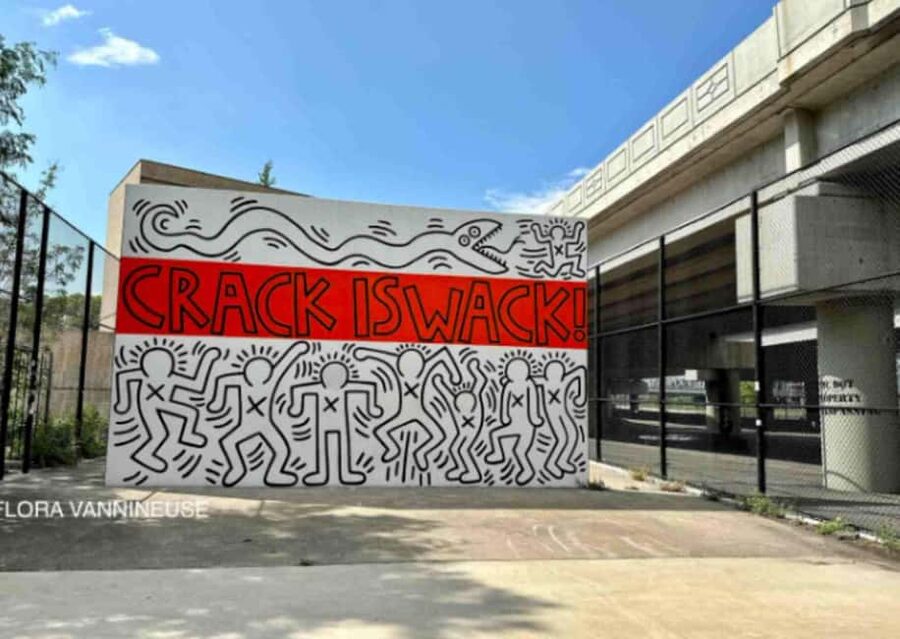
A key stop is the Graffiti Hall of Fame. This is where the guide teaches you the language of the streets. You will learn the differences between graffiti, street art, and tagging, plus how the same marks can be read in opposite ways. One person sees vandalism. Another person sees artistic expression. That tension is part of the story of hip-hop itself, because hip-hop has always lived between outsiders and institutions.
You will also hear about artists who left their mark on the hip-hop scene through iconic creations. Even if you already know a few names, I like how this kind of stop gives you a framework to look harder at what is in front of you. Walls become a timeline. Style becomes a clue. And you start noticing details you might otherwise walk past.
Practical tip for this part
Bring your best “slow walking” pace. Street art rewards time. The guide will keep things moving, but you will get more out of the murals if you pause when something catches your eye instead of treating it like a quick photo stop.
Central Harlem, Apollo Theater, and why hip-hop belongs here
After East Harlem, you move into Central Harlem. This stretch is about the neighborhood as a music engine. Harlem has long been a place where new sounds gain visibility, and the tour leans into that idea as you walk.
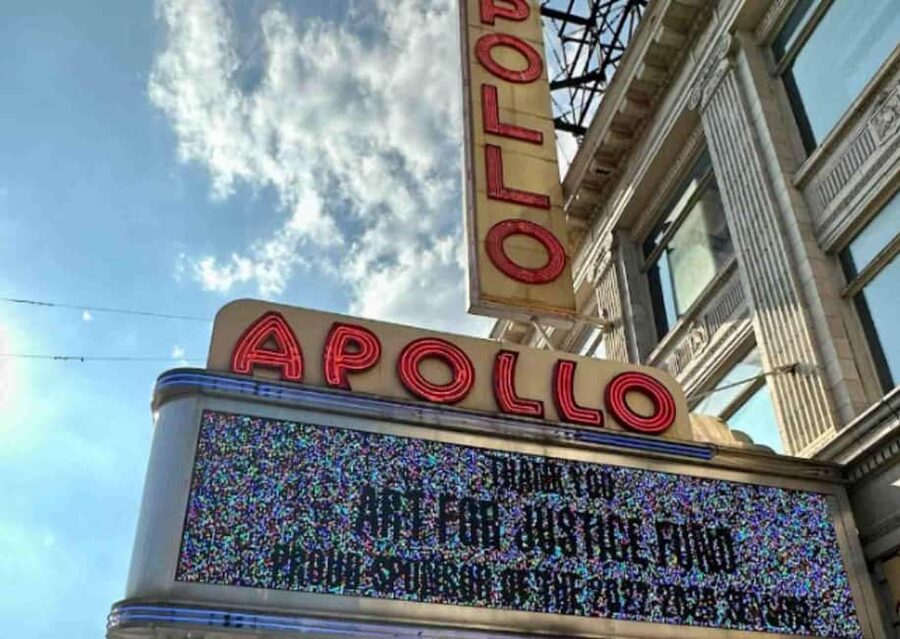
The Apollo Theater is the anchor point. You stand in front of the legendary Apollo Theater, described as the cradle of African-American music, and you connect that foundation to hip-hop. The tour also frames how hip-hop sits alongside other music genres that made their mark through performers and audiences in the same streets.
This stop works well if you care about culture, not just architecture. A theater building is a landmark, but the real value is the context: why the Apollo mattered, how music history sits inside the block, and how hip-hop did not appear out of nowhere. It grew from earlier creative pathways.
From there, you keep walking through Harlem before you take the subway toward the Bronx. This sequence helps you feel a shift without losing the thread. You go from street-level visual art in East Harlem, to performance history in Harlem, and then you head into a borough that shaped hip-hop in its own ways.
The subway hop to the Bronx, and how the route changes
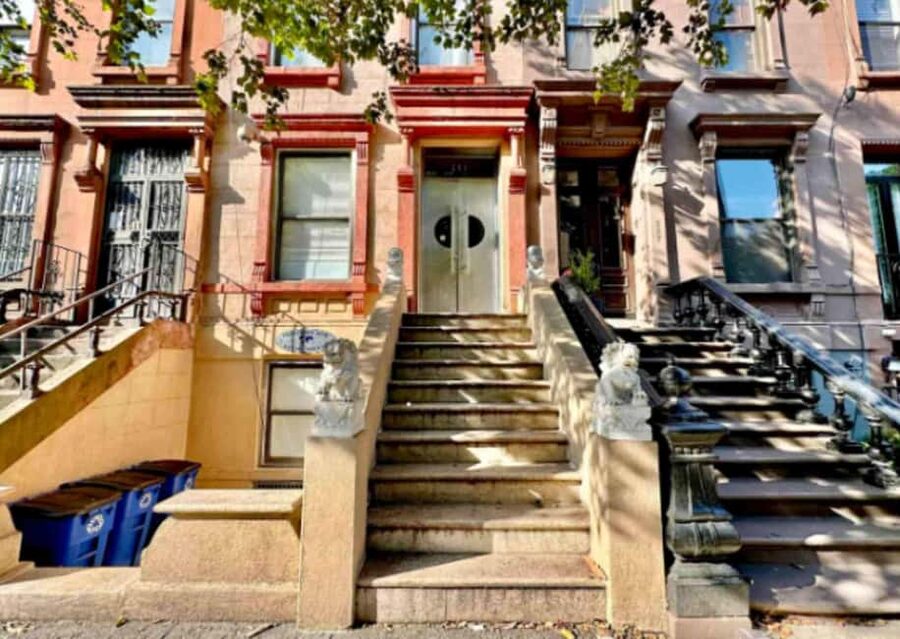
The itinerary includes subway travel between Harlem and the Bronx, and that is one of the reasons this tour is a good “half-day with depth.” You are not expected to do the entire route on foot. Instead, you get a realistic pacing for this part of New York.
Before you go, make sure you have a plan for your MetroCard because the subway ticket is not included. That is worth remembering so you are not stuck at the station trying to figure it out mid-tour.
I also like that the subway is not treated like dead time. The guide’s role is to keep your attention on the story, so the transit segment still feels connected to the neighborhoods you are moving between.





Yankee Stadium base to South Bronx: artists, shops, and a tougher backstory
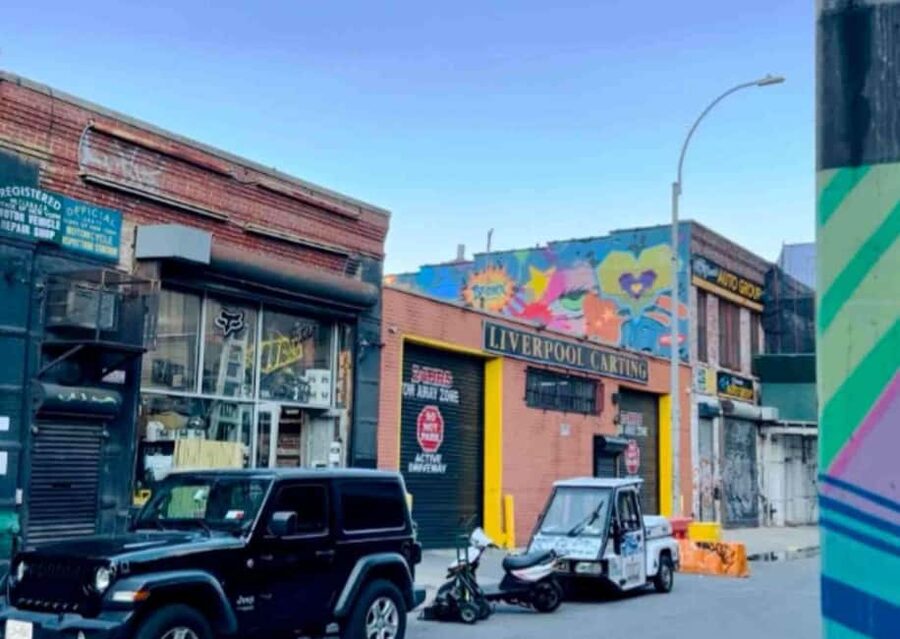
The Bronx portion starts near the base of Yankee Stadium, then the route moves down into the South Bronx. This is where the tour leans into “this is where it happened” energy. You are not just seeing hip-hop as an abstract worldwide sound. You are seeing it connected to geography, community, and change over time.
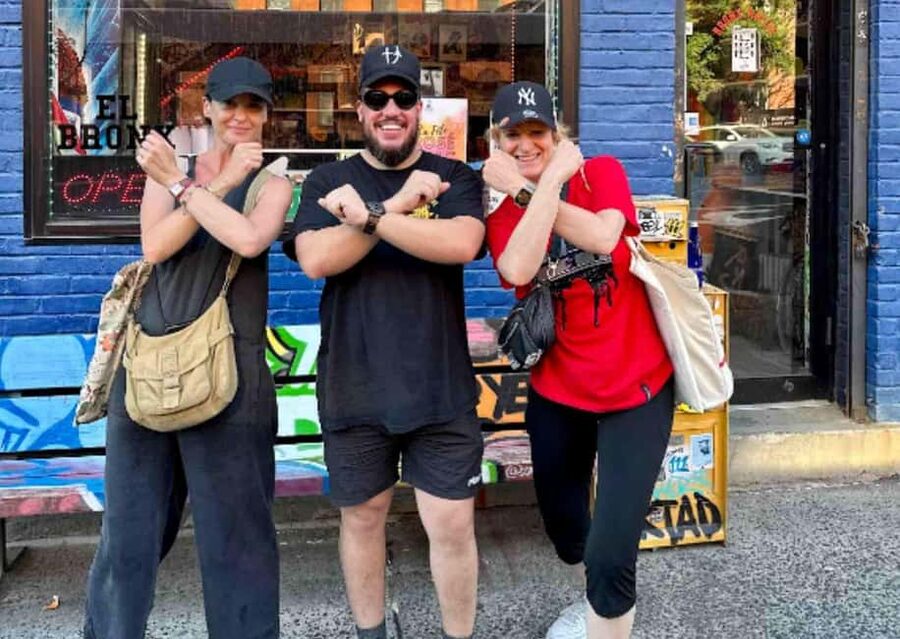
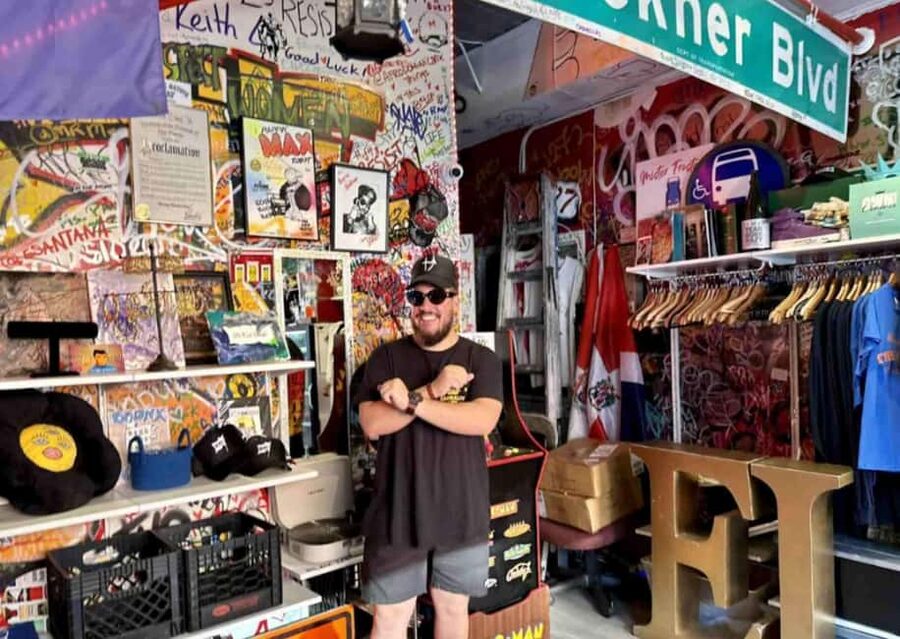
You will meet talented artists along the way and explore authentic hip-hop clothing stores. The tour description also calls out shops 100% made in the Bronx. That is the kind of detail I always appreciate, because it gives you a chance to buy something that feels tied to the place, not just souvenirs with a generic New York label.
Just as important, this final part includes the Bronx’s history, described as tumultuous. The point is not to overwhelm you with dates. It is to help you understand why the neighborhood’s creative output, including hip-hop, has a sharper edge and a stronger sense of identity. When you know that context, the whole day clicks together: the art on walls, the music at the Apollo, and the street-level styles in the Bronx.
This is also where you may get the most “personal” feeling from the tour, because you are surrounded by the real-world culture the guide is trying to put into words. If you are into fashion, you will likely enjoy the store stops. If you are more into history, you may enjoy how the guide connects the stories to what you see today.
What to watch for
Because the Bronx portion includes walking plus shopping moments, wear shoes you trust. This is not the kind of tour where you want to wear brand-new sneakers and hope for the best.
Price and value: what $79 buys you, and what you still need
At $79 per person for about 210 minutes, this tour is priced like a solid cultural guided experience. You are getting a French local guide, small group size capped at 10, plus a route that hits East Harlem, Central Harlem, and the Bronx with a subway segment.
You also get two extras that matter in real life:
- Group photos emailed by email, so you have something usable without begging a stranger
- A list of the best addresses in each neighborhood, which is helpful if you want to keep exploring after the tour ends
What you should budget for is straightforward. Food and drinks are available for purchase, but they are not included. And the subway ticket is not included, so you need a valid MetroCard or you buy one at the station. That is not a surprise, but it is important for value math. A tour can look cheap until you add transit and snacks.
In my view, the best part of the value is the format: two boroughs in one half day, with an art and music lens that ties stops together. If you try to DIY this without guidance, you can still see a lot, but you will miss the connections between tagging, street art, performance history, and the Bronx’s creative identity.
What the guide does well, based on real feedback
The feedback you will find for this experience points to consistent strengths. People highlight that the guide explains clearly and keeps things interesting. The Harlem and Bronx history is described as a discovery, not just a recap of famous names. There is also praise for the way music culture and contributors are woven into the walk, so you feel like you understand why the landmarks matter.
Even without knowing any guide name in advance, the overall message is that you are not stuck reading signage or following a script. You get human explanations, and the French guide format can be a plus if you want to ask questions and understand the nuances.
If you are the type who likes a guide that can answer the small curiosities, this tour style is a good match.
How to get the most from a French-led hip-hop street tour
If you want this day to feel smooth, here are a few simple moves:
- Bring your MetroCard and check it before you meet. If you need to buy one at the station, build a few extra minutes into your arrival time.
- Plan for walking and standing. The route includes neighborhoods and stops at theaters and streets, plus subway time.
- Take photos, but pause for the lesson. Street art details matter, and the guide’s explanations will change what you notice in the next mural.
- Ask one question early. Even a basic one like how the guide defines tagging versus street art can make the rest of the walls feel more meaningful.
- Keep an eye on the address list. After the tour, you can use it to decide where to go next for food, music, or more street art.
Also, consider the group size. Up to 10 people is small enough that you should not feel lost. If you are traveling with a friend, this can feel like a guided hangout with structure.
Who should book this tour, and who might skip it
This experience is a great fit if you want a guided connection between hip-hop, street art, and neighborhood history. It works especially well for people who like culture tours but want them grounded in real places, not just museum facts.
It is also a good choice if you enjoy:
- Street art and graffiti in a “what does it mean” way
- Music history with a hip-hop lens
- Short windows of time and a plan that covers multiple areas
You might want to consider a different option if you dislike subway segments, or if you prefer long seated sightseeing rather than walking and standing in active neighborhoods. You also may want to skip it if you want food included, since snacks and drinks are on you.
Should you book NYC Off Road’s East Harlem and Bronx hip-hop tour?
I think this is worth booking if you want real context in a short time. For $79, you get a French guide, a small group, street art education, a major Harlem music stop at the Apollo area, and a Bronx finale that includes both artists and neighborhood shopping.
Book it if you like the idea of learning the “rules” of what you are seeing, then using that knowledge as you walk. The Graffiti Hall of Fame portion, with its clear distinctions and discussion of how people judge the art, is the kind of stop that makes the rest of the day click. And the Apollo Theater stop gives the music side weight, not just vibes.
Wait or look elsewhere if your priority is a museum-based day, or if you are trying to avoid transit costs and extra planning for MetroCards. This tour expects you to be ready to move.
If you want a half-day that feels like hip-hop in New York with a map, a guide, and a reason for every stop, this one is a strong match.
FAQ
Where is the meeting point?
You meet in front of the Museum of the City of New York.
What is the tour duration?
The duration is 210 minutes.
What language is the tour guide?
The tour is guided in French.
How many people are in the group?
The tour is limited to a small group of up to 10 participants.
What is included in the price?
The price includes a guided walking tour, a local French guide, group photos sent by email, and a list of best addresses in each neighborhood.
What is not included?
Food and drinks are not included, and you also need to cover the subway ticket yourself.
Do I need a MetroCard for the subway?
Yes. The subway ticket is not included, so you need a valid MetroCard, or you can purchase one at the station.
Is there free cancellation?
Yes, you can cancel up to 24 hours in advance for a full refund.
More Guided Tours in New York City



More Tours in New York City



More Tour Reviews in New York City
Not for you? Here's more nearby things to do in New York City we have reviewed









More Harlem Tours to consider.
 ★ 4.5NYC Highlights Tour: Bronx, Brooklyn, Harlem, Queens & ConeyTickets from $462,846 traveller reviews
 ★ 4.5Contrasts Tour of Harlem, The Bronx, Queens & BrooklynTickets from $392,167 traveller reviews
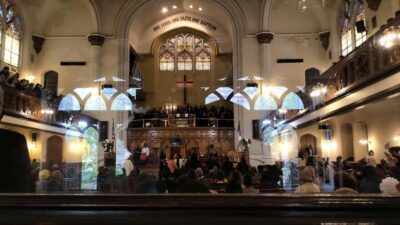 ★ 4.7Harlem Hallelujah! Gospel Wednesday ConcertTickets from $251,638 traveller reviews
 ★ 4.7Harlem Gospel Live Music ConcertTickets from $281,479 traveller reviews
 ★ 4.0Harlem Sunday Morning Gospel TourTickets from $85995 traveller reviews
 ★ 4.04-hour Harlem Gospel Tour in New York CityTickets from $79935 traveller reviews
 ★ 3.9Harlem: Central Harlem Sunday Gospel with LocalsTickets from $25499 traveller reviews
 ★ 4.3Sunday Harlem Gospel Guided TourTickets from $89438 traveller reviews
More useful New York routes