
Review · MANHATTAN TOURS
NYC | French guided tour Southern Manhattan
Lower Manhattan has a way of pulling you in. This French guided walk links old-world arrivals to today’s global finance, with stops tied to real moments of change.
I love the small group size, because you can actually hear the guide and ask questions instead of getting swept along. I also love the promise of off the beaten path detours, so the tour feels like you’re being shown the neighborhood by someone who lives with it every day. One possible drawback: it is a 210-minute walking tour, so you’ll want comfortable shoes and stamina for steady city sidewalks.
You start with the layers, not just the landmarks. Expect a story that moves from early European immigration roots, to Wall Street’s rise, to rebuilding after major shocks like 9/11 and Hurricane Sandy. In at least one run of this experience, the guide named Samuel earned praise for keeping the pace lively and steering people beyond the usual photo spots.
Key things I’d plan around
- Small group format (up to 10): easier conversation, less time trapped in a crowd.
- Four-step route through Lower Manhattan: from Stone Street origins to Wall Street, then to riverfront recovery, and finally the World Trade Center area.
- Wall Street “pretend you’re a trader” moments: a fun way to make finance geography feel human.
- Recovery and renewal focus: Hurricane Sandy riverbank rebuilding and the post-9/11 transformation are part of the route, not an afterthought.
- Practical takeaways: group photos by email and a list of best addresses for each neighborhood.
Why this Southern Manhattan tour feels more personal
This isn’t a generic “see the sights” route. It is built around the idea that Lower Manhattan keeps reinventing itself, sometimes painfully, and then moving forward. The best part for me is the flow: you do not just look at buildings, you learn why those buildings ended up where they did and what each era was trying to fix.
Because it is a French guided tour, you also get that extra layer: the guide’s explanations are designed to be understood, not delivered in fragments. And with a group capped at 10 people, the guide can keep an eye on the energy in the group and adjust where needed. It matters, especially when you’re walking through busy areas like Wall Street and the World Trade Center surroundings.
If you like history but also like moments that feel current, this tour fits. It’s history as a city map, not history as a textbook.
You can also read our reviews of more guided tours in New York City



Meeting at 787 Coffee and getting ready for 210 minutes
You meet in front of the café 787 coffee. Plan to arrive a few minutes early so you can start with a relaxed head and not a scramble. The tour runs for 210 minutes, which is long enough that small issues can become big issues: wrong shoes, poor rain gear, or getting stuck in the mindset of stopping every five minutes.
You’ll want comfortable shoes and weather-appropriate clothing, since the tour takes place rain or shine. The good news is that you’re not just walking for the sake of walking. Each stretch connects to a specific chapter of neighborhood change, so the time feels earned.
If you use a wheelchair, this tour is marked as wheelchair accessible with an adapted circuit. The route is planned for you, but it is still outdoors city walking, so bring your usual mobility comfort items.
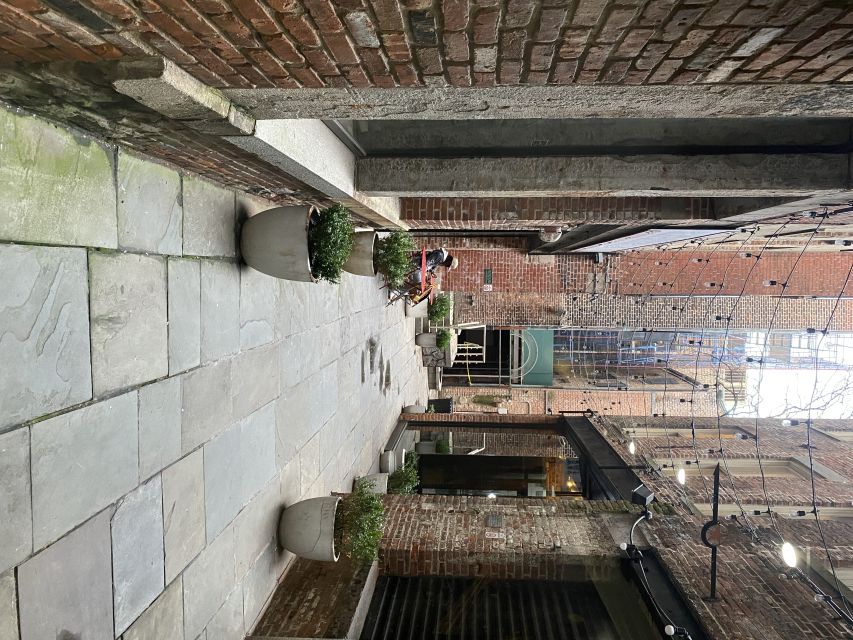
Step 1: Stone Street to the first skyscrapers and the oldest city core
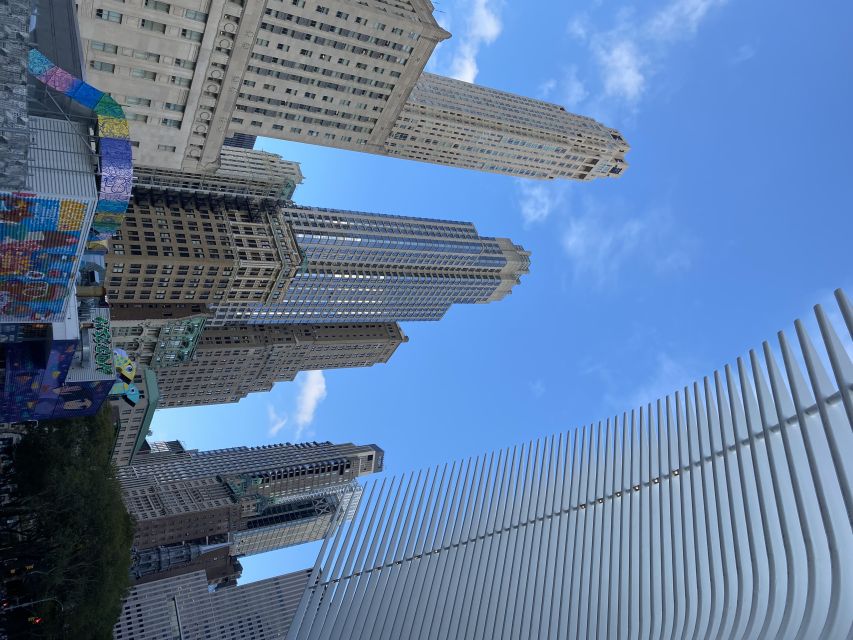
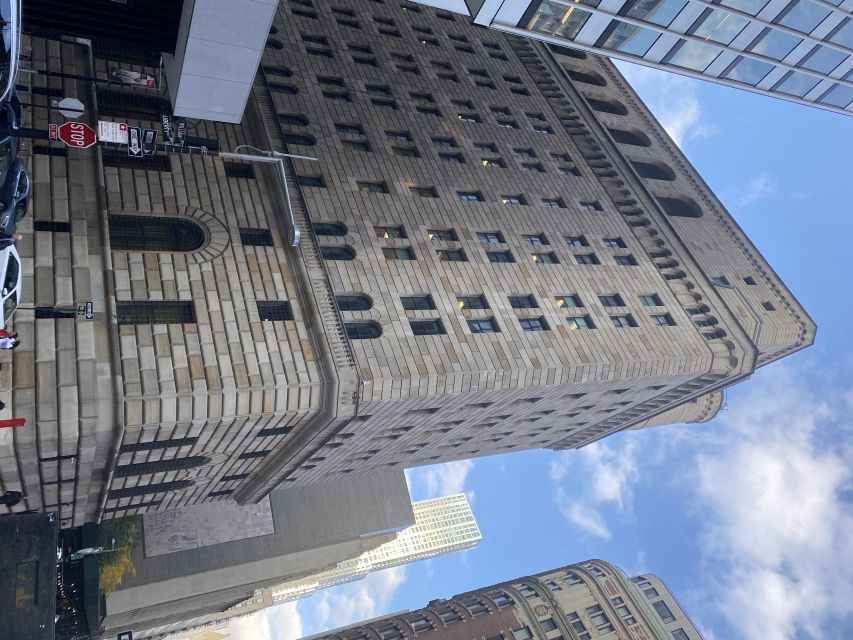
The tour starts with foundations, literally. You cross New York’s oldest street, Stone Street, and then look at early skyscrapers, including the Woolworth Building and the Civic Center area with Court and City Hall.
This section works because it gives you orientation fast. When you understand that Lower Manhattan’s early street pattern and early monumental buildings set the stage for everything that came after, you start seeing the city like a timeline instead of a set of photos.
What to look for as you walk
At Stone Street, pay attention to the way the street feels compact and historic, then notice how the surrounding skyline ambition shows up through the nearby early high-rises. When you reach the Civic Center, focus on the official, power-and-law energy of Court and City Hall. It’s a shift in mood from neighborhood texture to government-level structure.
Then you keep walking through areas with original buildings, which helps you understand that the modern finance machine did not appear out of thin air. It grew on top of, and around, older forms of civic and commercial life.
A small consideration
This opening pace can feel “information dense.” If you’re the type who likes to absorb slowly, give yourself permission to pause, take photos, and ask one question. A small group format helps you do that.





Step 2: Wall Street, investment banks, and a trader-style perspective
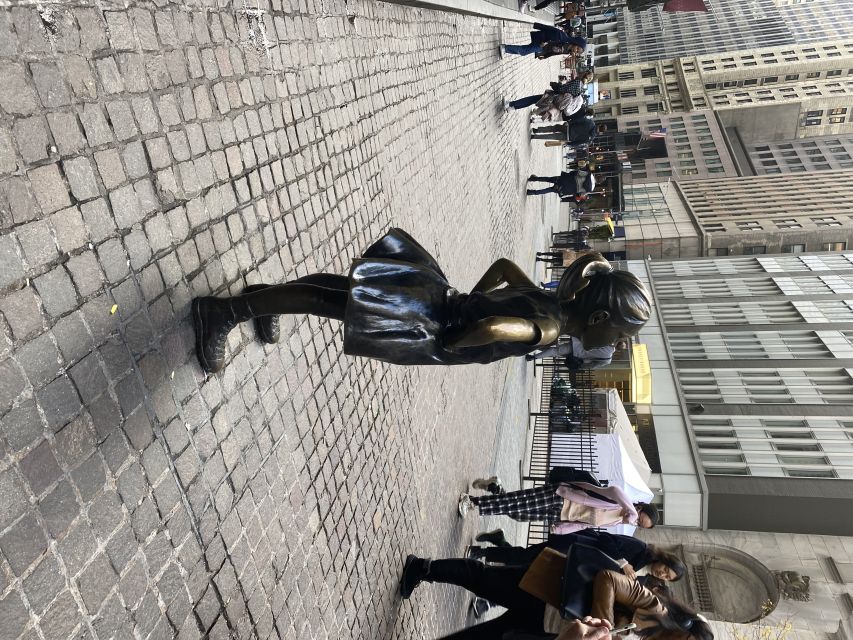
Next comes the heartbeat of global finance: the Wall Street stretch. You get the chance to frame the walk with a playful idea, the tour encourages you to pretend you’re a trader for a few hours. The point is not role-play theatre. It’s a mental lens, so you start mapping major finance institutions in your head as you move.
This segment centers on the financial district, where you’ll encounter investment banks and the New York Stock Exchange area. Even if you don’t know finance jargon, you can still read the geography: where big institutions cluster, how the streets funnel movement, and why these buildings feel like they were designed for influence.
Why this part is worth your time
Wall Street is one of the world’s most photographed areas, but it can feel flat if you only view it as architecture. The trader mindset turns it into something else. You start thinking in terms of flow and decision-making, and suddenly the street grid and building scale make more sense.
Also, because this tour is walking and guided, you’re not just staring up. You’re getting a narrative about how this neighborhood became the international economic center, and how it kept adapting after shocks and disruptions.
Step 3: Hurricane Sandy recovery, the East River, and the South Street Seaport
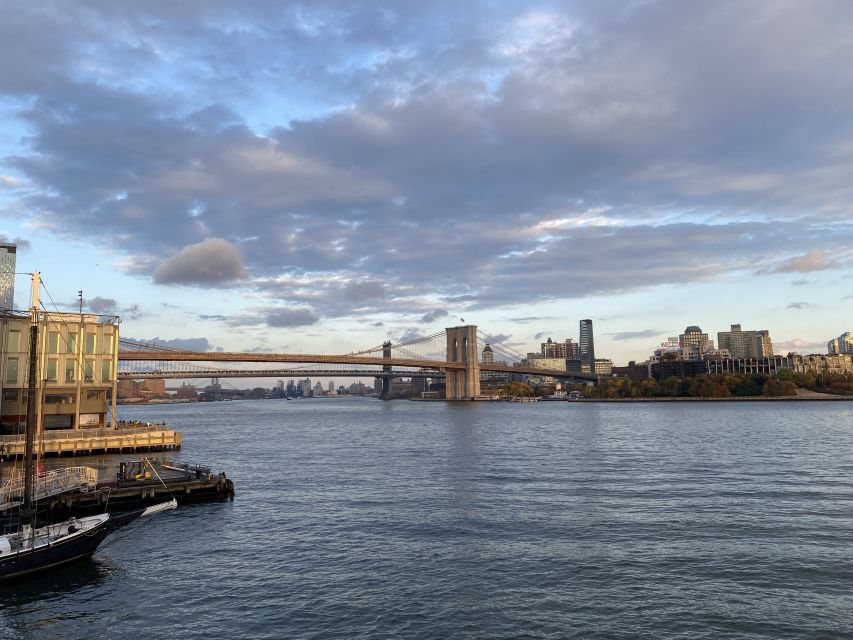
From Wall Street, the tour shifts from power to recovery. After Hurricane Sandy in October 2012, New York rebuilt and refurbished parts of its river banks along the East River. On this walk, the focus includes the redevelopment of the former South Street Seaport, and then the story continues west to the Hudson River with public spaces at Brookfield Place.
This is a smart pivot because it answers a question many first-time visitors have: why do these waterfront areas look so reworked compared to older New York views? The tour doesn’t treat the riverfront as scenery. It treats it as evidence of change.
What you can notice during the riverfront section
As you move through the areas tied to these riverfront rebuilds, look for the difference between older street textures and newer public space planning. Even without a technical explanation, you can usually feel where the city prioritized foot traffic, public gathering space, and new use for what used to be more strictly industrial or utilitarian.
Why it matters
This segment helps you understand that the neighborhood story is not only about growth. It is also about setbacks and what rebuilding actually involves. That makes the later 9/11 transformation at the World Trade Center area feel more connected, not just separate tragedy.
Step 4: World Trade Center transformation, 9/11 remembrance, and renewal architecture
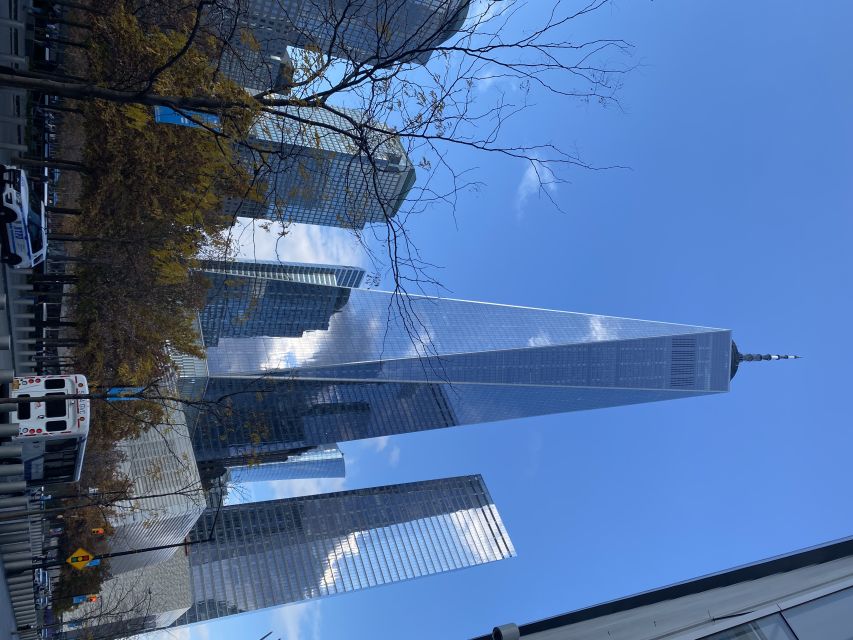
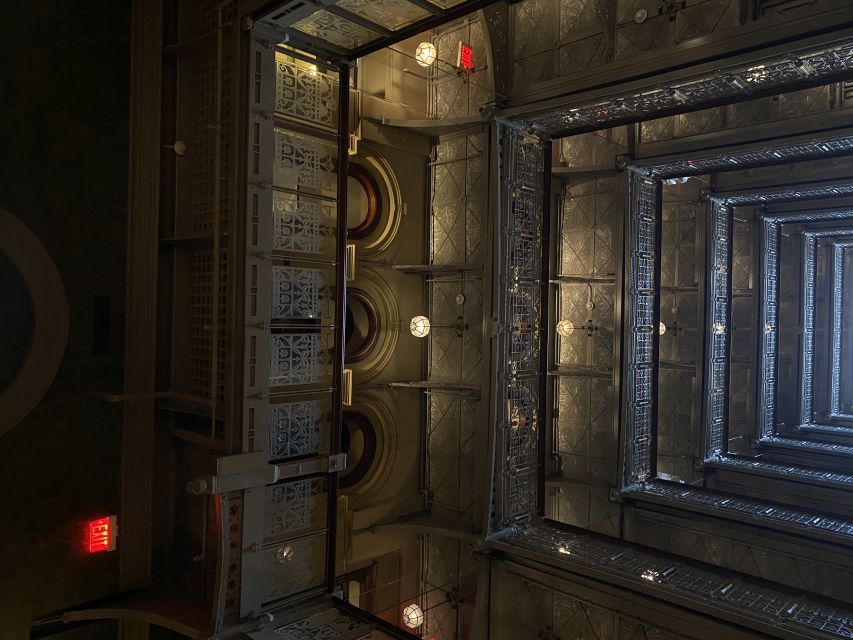
Finally, you reach the area transformed after the September 11 attacks. The route includes the 11/09 memorial, One World Trade Center (the highest tower in New York), the Oculus, and Saint Paul’s Chapel, among other sights in the complex.
This stop is both emotional and architectural, but the tour’s value is practical. It helps you understand how remembrance and renewal sit side by side in the newer buildings around the memorial. Instead of treating the space like a single stop on a checklist, you connect what you’re seeing with the intention behind it.
How to experience this section well
Go slowly with your eyes. In this part of Lower Manhattan, it is easy to rush for photos and miss the bigger message the space communicates. If your group stays small, you can do better here. Watch for how the area’s design guides your movement, and notice how different buildings in the complex read as different chapters of the same story.
If you care about understanding how major cities recover and redesign after trauma, this is the piece that makes the entire tour feel complete.
How the guide helps you find the city beyond the main sights
This is a guided walking tour, and that matters most when you leave the most obvious places behind. The route is built to include hidden gems and off-the-beaten-path moments, with a local guide explaining what you’re looking at and why it matters.
You’ll also get a couple of extra perks designed for your follow-up time in the city:
- Group photos sent by email
- A list of the best addresses in each neighborhood
That last bit is underrated. It turns a tour into a shortcut. You finish with a set of suggestions you can use right away when you’re deciding where to eat, what street to wander next, or where to go for a second look.
In one example of guide style associated with this experience, the guide Samuel was specifically praised for getting people out beyond the usual routes and keeping the visit engaging. That kind of approach is exactly what you want from a local guide here.
Price and value: is $79 a fair deal for 3.5 hours?
At $79 per person for a 210-minute guided walk, the math works best if you value three things: a small group, a story-driven route, and practical takeaways. You’re not just paying for a walk. You’re paying for a local guide to connect the dots between places that can look unrelated if you’re exploring alone.
Also, the included extras help justify the price. The tour includes:
- Guided walking tour (up to 10 persons)
- Local guide
- Group photos sent by email
- List of the best addresses in each neighborhood
What’s not included is food and drinks, so you’ll want to plan your snack breaks around the tour timing instead of expecting the guide to stop for meals.
One more thing: gratuity is not included. The suggested gratuity is between $5 and $10 per person. If you’re budgeting carefully, add that to your planning, because it’s part of the local expectation for guided service.
Where the price might feel less ideal is if you already know Lower Manhattan extremely well, or if you prefer long free-exploration time rather than guided narrative. In that case, you might get more value by mixing a short guided hit with self-guided walking.
What style of traveler should book this French walk?
This tour is a strong match if you want:
- French-language guidance in Lower Manhattan
- A guided walk that connects history, finance, and major modern events
- A route with meaningful stops instead of random sightseeing
It’s also good for first-timers who want a clear map of the area without needing to research five different sites separately. The walking format helps you see the neighborhood as a connected space, not as isolated points on a transit map.
If you hate walking, or if you want a mostly inside-the-building tour, you may find this format less comfortable. It is designed for outdoor streets and moving through city blocks.
Should you book it?
If you’re visiting Southern Manhattan and you want a guide to help you understand why Lower Manhattan became the economic engine it is today, I think this is a smart booking. The small group size, the step-by-step route from early civic foundations to Wall Street, then river recovery and World Trade Center renewal, makes the time feel focused.
Book it especially if you:
- Want a French guided history that feels grounded in real places
- Prefer off-the-beaten-path detours over only the headline monuments
- Value practical add-ons like the addresses list and photos by email
Skip it if you have limited walking energy, or if you only want to see a few landmark photos with minimal context.
If you do book, go in with one mindset: walk slowly with your attention. This tour is at its best when you’re ready to read the city while you move through it.
FAQ
How long is the French guided tour of Southern Manhattan?
The tour lasts 210 minutes, about 3.5 hours.
What is the group size for this walking tour?
The tour is a small group experience limited to up to 10 participants.
Where do we meet for the tour?
You meet in front of the café 787 coffee.
What language is the live tour guide?
The live tour guide speaks French.
Is the tour walking only, and are food stops included?
Yes, it is a guided walking tour. Food and drinks are not included and are available for purchase.
Does the tour run in bad weather?
Yes, the tour takes place rain or shine.
Is gratuity included in the price?
No. Gratuity is not included. A suggested gratuity is between $5 and $10 per person.
Is this tour wheelchair accessible?
Yes, it is wheelchair accessible with a circuit adapted for wheelchair users.
Can I cancel and get a refund?
Yes. You can cancel up to 24 hours in advance for a full refund.
More Guided Tours in New York City



More Tours in New York City



More Tour Reviews in New York City
Not for you? Here's more nearby things to do in New York City we have reviewed








More Manhattan Tours to consider.
 ★ 4.7Manhattan Helicopter TourTickets from $2997,076 traveller reviews
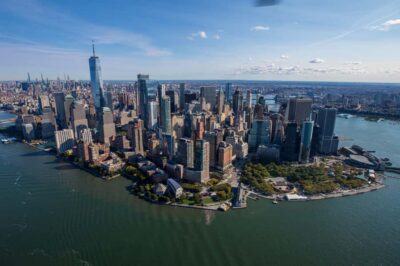 ★ 4.8Manhattan Sightseeing Helicopter TourTickets from $2995,826 traveller reviews
 ★ 3.0JFK to Manhattan: One Way Shared Arrival TransferTickets from $313,687 traveller reviews
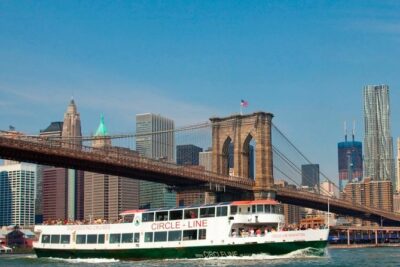 ★ 4.5Circle Line: 2.5hr – Complete Manhattan Island CruiseTickets from $343,488 traveller reviews
 ★ 4.6From Manhattan: 4-Hour Dyker Heights Holiday Lights Bus TourTickets from $632,426 traveller reviews
 ★ 3.5Manhattan to JFK: One Way Shared Departure TransferTickets from $312,030 traveller reviews
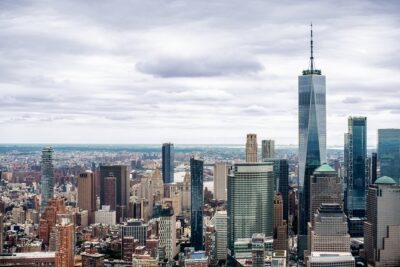 ★ 4.5The Manhattan Helicopter Tour of New YorkTickets from $2361,842 traveller reviews
 ★ 3.5Private Transfer from Manhattan to NYC Airports (JFK/EWR/LGA)Tickets from $361,683 traveller reviews
More useful New York routes