
Review · NEW YORK CITY TOURS
NYC: History of Slavery & Underground Railroad Walking Tour
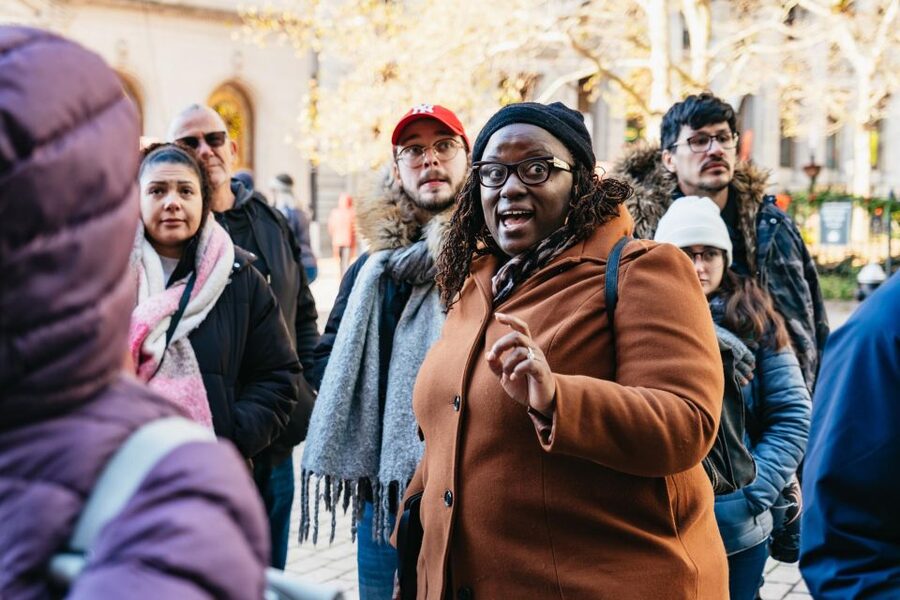
New York has a history you can feel in your shoes. This tour strings together Underground Railroad stories and African-American contributions with real stops around Lower Manhattan.
I especially love the way the guided storytelling connects major landmarks to slavery, resistance, and escape networks. I also like that you get more than a lecture, you get signposts you can point to, like Fraunces Tavern and Trinity Church, as your guide explains how this system worked in practice. One drawback to note: it is a walking tour, and even with a comfortable pace, you still need good shoes, plus the topic is emotionally heavy.
Key Points Before You Go
- African Burial Ground National Memorial grounds the tour in lived reality, not just dates
- Underground Railroad mechanics are explained as a network, not a vague legend
- You’ll hit Lower Manhattan anchor sites like Fraunces Tavern and Trinity Church
- Expect a discussion of revolts, kidnappings, and escapes, handled with grace and empathy
- Guides are praised for smart answering, including guide names like Ludie and Maia
- The tour is 150 minutes, so plan for a focused, two-hour commitment
Lower Manhattan, One Walk Through Hard Truths
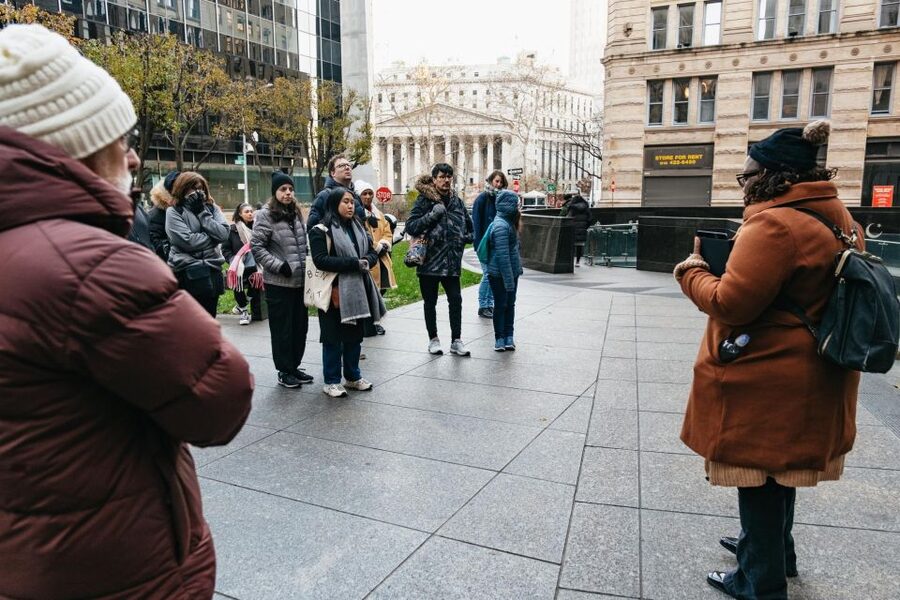
This is the kind of NYC tour that changes the way you look at streets. You start near the American Indian Museum and then work your way through Lower Manhattan, pairing landmark sightseeing with the early African-American story of New York. The big theme is simple: enslaved people and free Black New Yorkers helped shape the city’s foundations, while also fighting for survival, freedom, and abolition.
I like that the tour does not treat slavery as distant or sealed off in a textbook. It uses place names, specific locations, and human decisions to show how a city could benefit from bondage and still become a place where people risked everything to resist it.
You can also read our reviews of more walking tours in New York City



Meeting Point: Find the Start Near the American Indian Museum
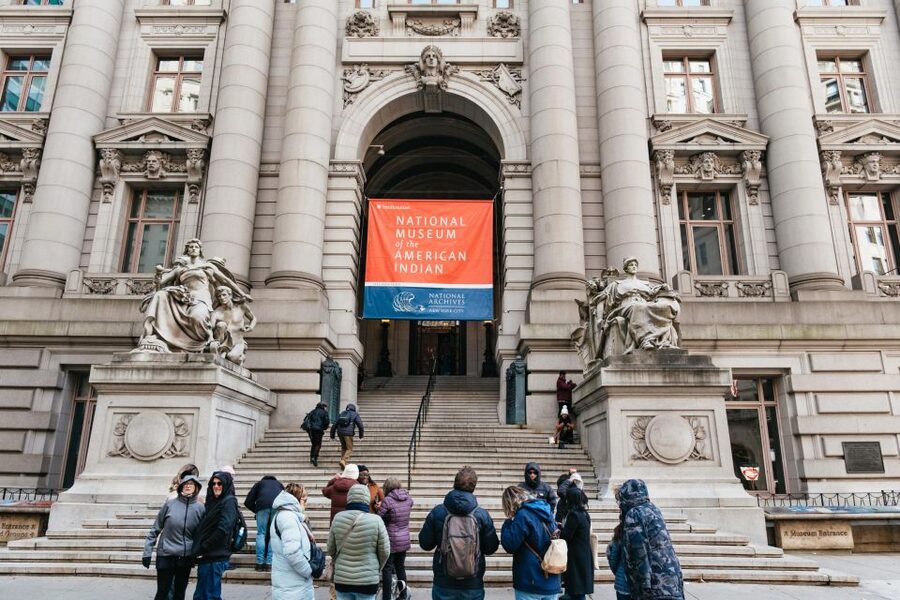
You meet in front of the American Indian Museum, so you can arrive, get oriented, and then start walking right away. That choice matters. It keeps the tour concentrated in one area, which helps you stay in the story instead of spending time crisscrossing the city.
From there, you’ll head toward a colonial-era remembrance site and memorial connected to enslaved Africans. Even if you have been to Lower Manhattan before, this part of the walk is designed to make you notice what is normally easy to miss.
Stop One: The Colonial-Era Enslaved African Memorial Site
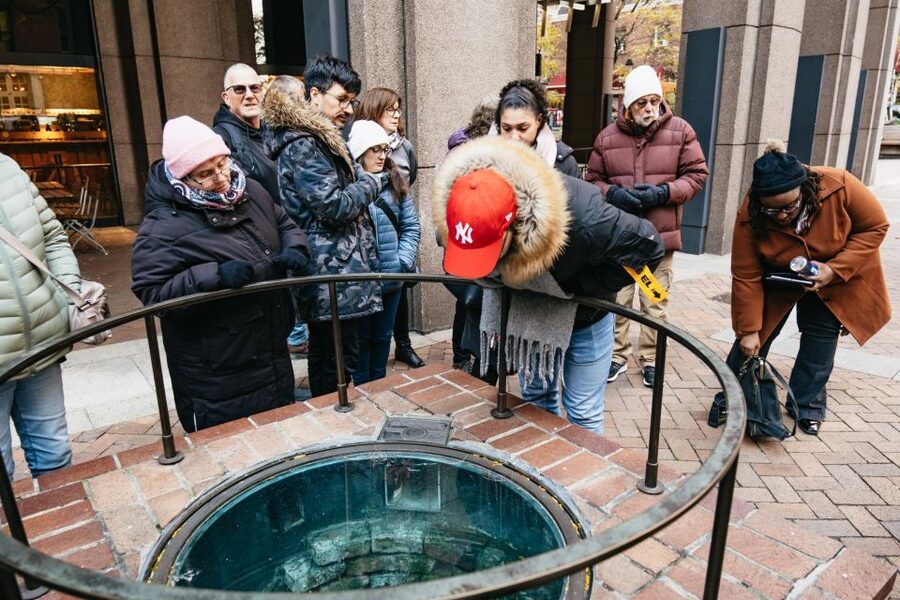
The tour begins at an archaeological site and memorial dedicated to enslaved Africans in colonial America. This is more than a quick photo stop. It sets the tone that the story you are about to hear is tied to real people and real loss.
This first stop is valuable because it forces you to calibrate your attention. Before the tour starts talking about the Underground Railroad network, safe houses, and escape routes, you get grounded in the human cost. If you like tours that start with context rather than jump straight to facts, this opening works.
Practical note: wear shoes you can stand in. You will be outside and moving between stops for about 150 minutes.
The Underground Railroad Section: Former Stations and How It Worked

A major highlight is the stop at a former station on the Underground Railroad. Your guide explains how the railroad operated as a covert system, using clandestine routes and safe houses. Instead of presenting it as a single magical line leading north, you get the more realistic picture: a network dependent on secrecy, trust, and risk.
This is where the tour gets vivid. You hear about revolts, kidnappings, and dramatic escapes. The goal is not shock for shock’s sake. It is to show what freedom demanded, and what it cost.
Two things I like about this part:
- You get cause and effect. The stories connect the reality of slavery to why escape planning had to be careful and distributed.
- You get a sense of agency. Enslaved African Americans are shown as active people making decisions, not passive figures waiting for rescue.
Fraunces Tavern: A Famous Landmark Used for Honest Connection
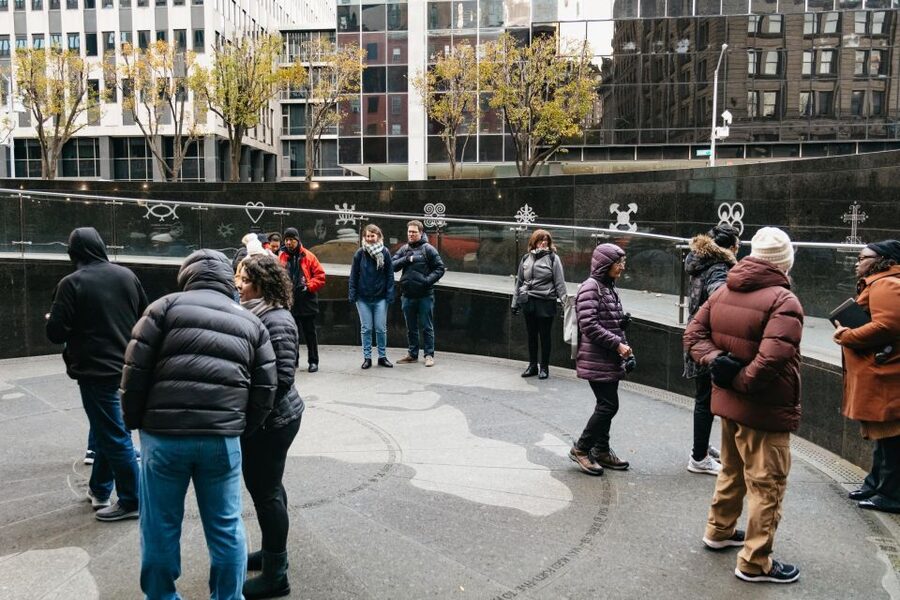
You will also see Fraunces Tavern along the walk. Even if you only know it as a well-known stop in Lower Manhattan, the tour uses it as a lens to understand how slavery and New York’s wealth and institutions were intertwined.
The value here is interpretation. A normal sightseeing glance might treat a landmark as scenery. Here, you learn how a place can carry multiple layers of meaning, including the uncomfortable ones.
You should be ready for the guide to connect the architectural or historical prominence you recognize with the power structures that made that prominence possible. That is what turns a normal landmark stop into a history lesson that sticks.
You can also read our reviews of more historical tours in New York City






Trinity Church and Wall Street: Seeing Power Through a Different Lens
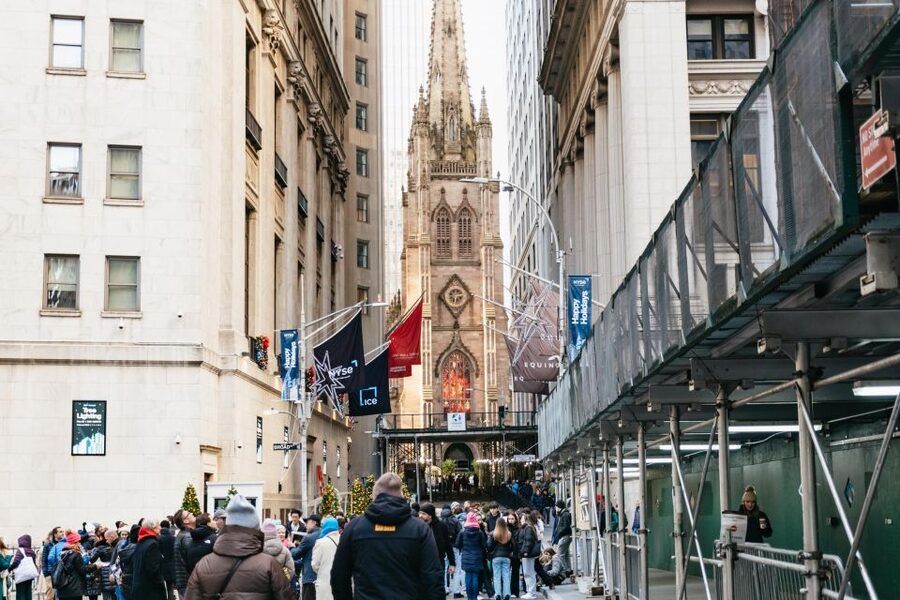
The route also includes Trinity Church and Wall Street. These stops are strategically smart, because they force you to look at places often associated with finance, authority, and old money and ask what kind of world supported them.
The tour does not just name-drop. Your guide talks through the early African-American history of New York, including how abolition efforts intersected with what enslaved people and free Black New Yorkers endured.
If you like your history with a clear argument, this tour delivers. It shows that abolition and resistance were not separate from mainstream New York. They were part of the city’s real operating life, even when the mainstream narrative tried to keep it quiet.
African Burial Ground National Memorial: Honor and Remember
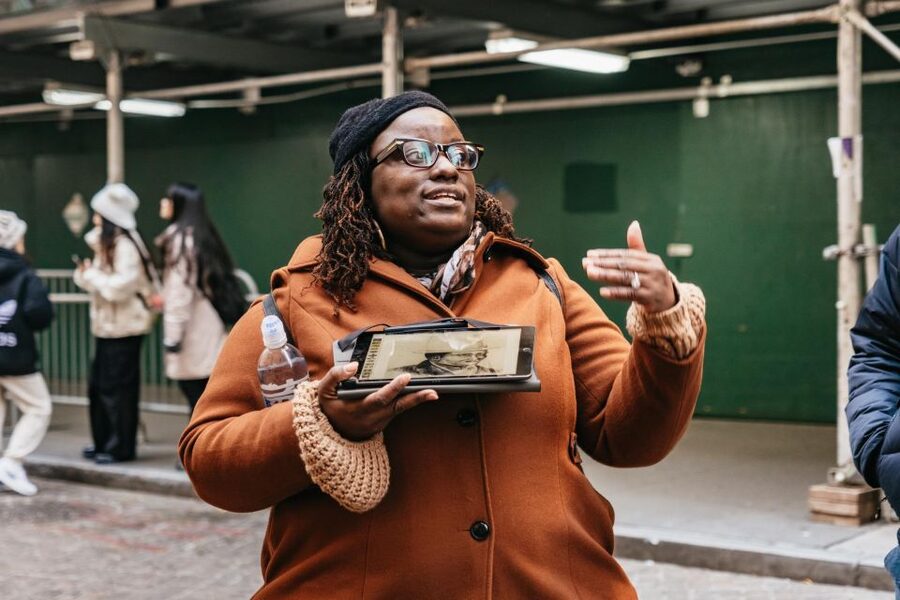
One of the clearest highlights is a visit to the African Burial Ground National Memorial. This stop honors those who perished, and it helps balance the darker themes with something grounded and respectful.
I appreciate that the tour includes this memorial as part of the core experience, not tacked on as an optional add-on. It is the moment where the story slows down and turns toward remembrance.
If your travel style is reflective and you like learning that includes empathy, this stop is a strong reason to book.
Guides and Storytelling: Names You Might Hear, Skills You Will Feel
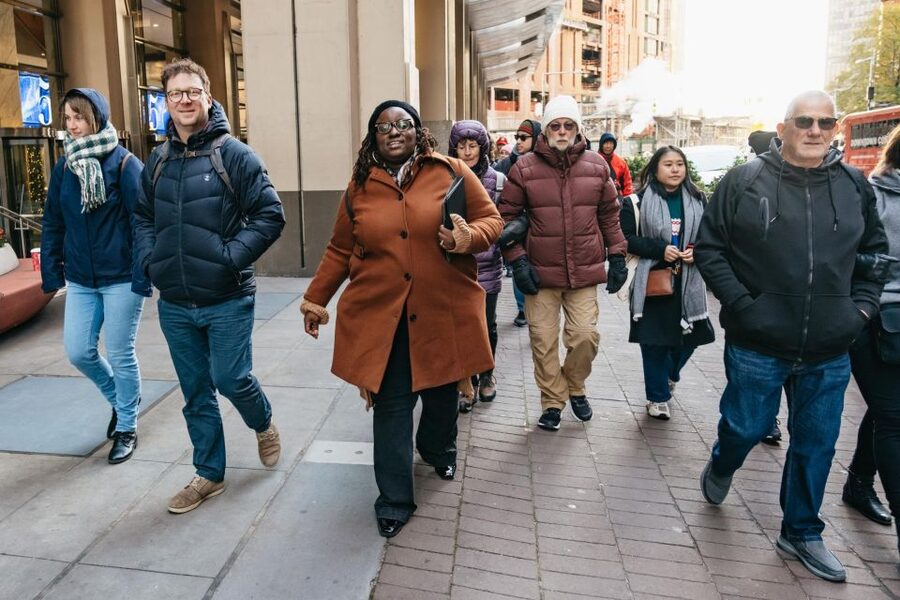
The quality of this tour seems tied directly to the guides. Past participants specifically praised guides including Ludie, Maia (also noted as Maya), Sean (and Shaun), and Damaras. Common themes in those comments were clarity, strong handling of difficult material, and the ability to answer questions without dodging.
One review also noted how the guide handled slavery and its impact with grace and empathy. That matters, because this is not light entertainment. You are learning about human suffering, forced labor, and the danger of escape. A good guide keeps the focus on truth and humanity.
I also like that the tour can feel intimate at times. One booking mentioned a very small group, which usually means more room to ask questions and less time listening passively.
How Much Walking Is Involved During 150 Minutes
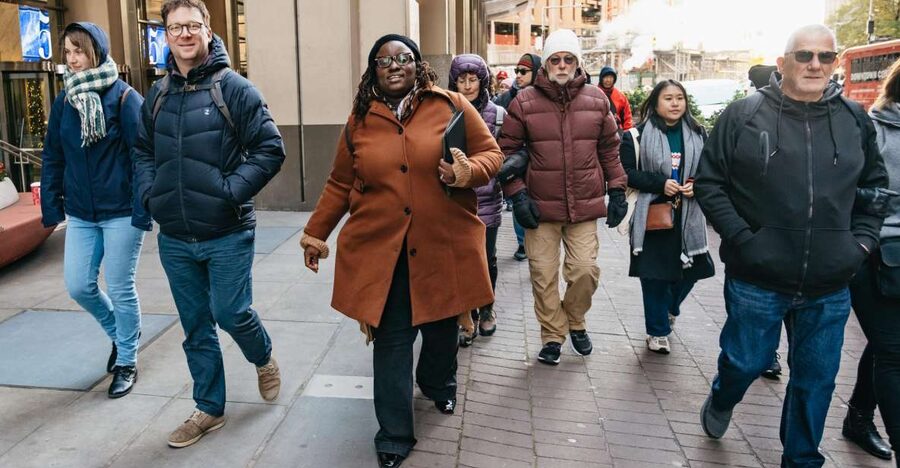
It is a walking tour, so you should expect steady movement. That said, there is a specific comfort point in the reviews: the walking is described as not a lot. The 150 minutes also helps you plan. This is not an all-day marathon through the city.
Still, don’t gamble with thin sneakers. Bring comfortable shoes and weather-appropriate clothing, since your day might swing from sun to rain without warning. If you want a tour that helps you pace yourself while still covering key locations, this one fits.
Who This Tour Fits Best
This tour is a great match if you:
- Want an Underground Railroad walking tour that focuses on actual places
- Like your NYC history grounded in the African-American story, not just colonial or elite narratives
- Appreciate guides who handle heavy topics with care
- Prefer a focused Lower Manhattan route rather than a long ride around town
It is also a good choice for visitors who have been to standard NYC highlights but want something more meaningful and specific. The concentration of stops like African Burial Ground, Fraunces Tavern, Trinity Church, and Wall Street means you cover recognizable ground with a new lens.
If you do not handle emotional subjects well, or you prefer only upbeat sightseeing, this may not be your best fit. The material is serious.
Price and Value: Is $49 Fair for This Much?
At $49 per person for a 150-minute guided walk, the value is decent for New York. You are paying for two big things: a licensed New York tour guide and a curated route that hits multiple major sites and a memorial.
What makes the price feel fair is that you are not just paying for transit between points. You are paying for interpretation: how a covert escape network worked, how people resisted, and how African Americans shaped early New York. Without that guided connection, most of these locations become just buildings and monuments you pass by.
If you are choosing between a quick stop at one museum and a longer guided walk with multiple context stops, I think the tour has stronger “learning per hour” potential.
Should You Book This NYC Slavery and Underground Railroad Tour?
Book it if you want a single, well-paced Lower Manhattan walk that connects slavery, resistance, and the Underground Railroad to real street-level locations. I also think it is worth your time if you care about African-American history that starts early, before the story becomes simplified into slogans.
Skip it only if you strongly prefer lighter themes, or if you cannot handle the emotional weight of slavery and escape narratives. Otherwise, this tour is a practical way to do something many people miss when they first visit New York: look at familiar landmarks and understand what supported them, what people endured, and what people fought for.
FAQ
How long is the tour?
The tour runs for 150 minutes.
What does it cost?
It costs $49 per person.
Where do I meet for the tour?
Meet in front of the American Indian Museum.
Is hotel pickup or drop-off included?
No. Hotel pickup and drop-off are not included.
What language is the tour offered in?
The tour is in English.
What is included in the price?
You get a walking tour and a licensed New York tour guide.
What should I bring?
Bring comfortable shoes and weather-appropriate clothing.
How much walking should I expect?
It is a walking tour. One review notes that there is walking, but not a lot. Still, plan for time on your feet during the 150 minutes.
Can I cancel for a full refund?
Yes. You can cancel up to 24 hours in advance for a full refund.
Is there an option to pay later?
Yes. There is a reserve now and pay later option, where you pay nothing today.
More Walking Tours in New York City



More Tours in New York City






More Tour Reviews in New York City



Not for you? Here's more nearby things to do in New York City we have reviewed










More New York City Tours to consider.
 ★ 4.7SUMMIT One Vanderbilt TicketsTickets from $4751,195 traveller reviews
 ★ 4.7Empire State Building Tickets – Observatory & MuseumTickets from $4725,757 traveller reviews
 ★ 4.6Statue of Liberty & Ellis Island with FerryTickets from $1918,683 traveller reviews
 ★ 4.5American Museum of Natural History TicketTickets from $3715,447 traveller reviews
 ★ 5.0New York in One Day Guided Sightseeing TourTickets from $9913,166 traveller reviews
 ★ 4.6Museum of Modern Art (MoMA) Entry TicketTickets from $3012,540 traveller reviews
 ★ 4.7One World Observatory Skip-the-Line TicketTickets from $3012,329 traveller reviews
 ★ 4.7New York CityPASS®: Save up to 41% at 5 Top AttractionsTickets from $15410,548 traveller reviews
More useful New York routes