

Review · BROADWAY EXPERIENCES
NYC: Maybe Happy Ending on Broadway
A one-room apartment, and you feel the whole world. Maybe Happy Ending is that kind of Broadway show, set in a Seoul outskirts apartment and powered by the charm of two robot outcasts, Oliver and Claire. I like how it mixes offbeat humor with real tenderness, all in a tight space where every small detail matters.
Two things I really love: the Tony Award winning creative package, including six Tonys and the Richard Rodgers Award recognition, and the way it turns simple character moments into big emotional beats. You get story and staging that feel clever without being cold.
One thing to consider before you buy: there is no intermission, so if you need a break mid-show, plan your timing and restroom stop before curtain.
Key Things to Know Before You Go
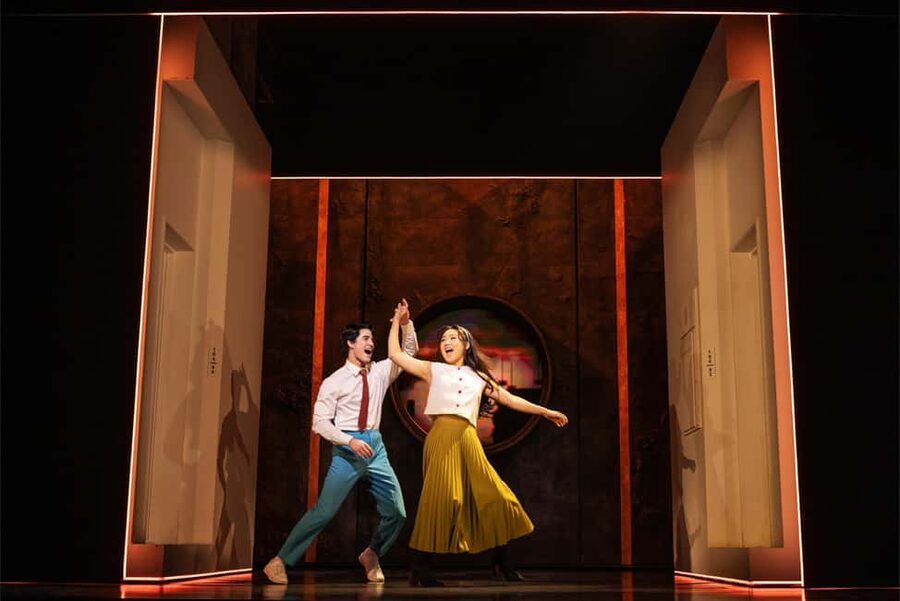
- Six Tony Awards, including Best Musical: This isn’t a side project, it is a major Broadway hit.
- Richard Rodgers Award winner: A rare stamp of quality that signals strong musical theater craft.
- Set inside one Seoul apartment room: The whole story unfolds from a limited space, which keeps the focus on character.
- Helperbot 3 meets Claire, the charger-borrowing neighbor: The romance starts awkwardly, then keeps surprising you.
- Directed by Michael Arden, with scenic design by Dane Laffrey: Strong names behind the staging and overall impact.
- No intermission, strict no-phone and no-photo rules: You will sit through it all, so follow the theater rules closely.
A One-Room Seoul Story That Still Feels Big on Broadway
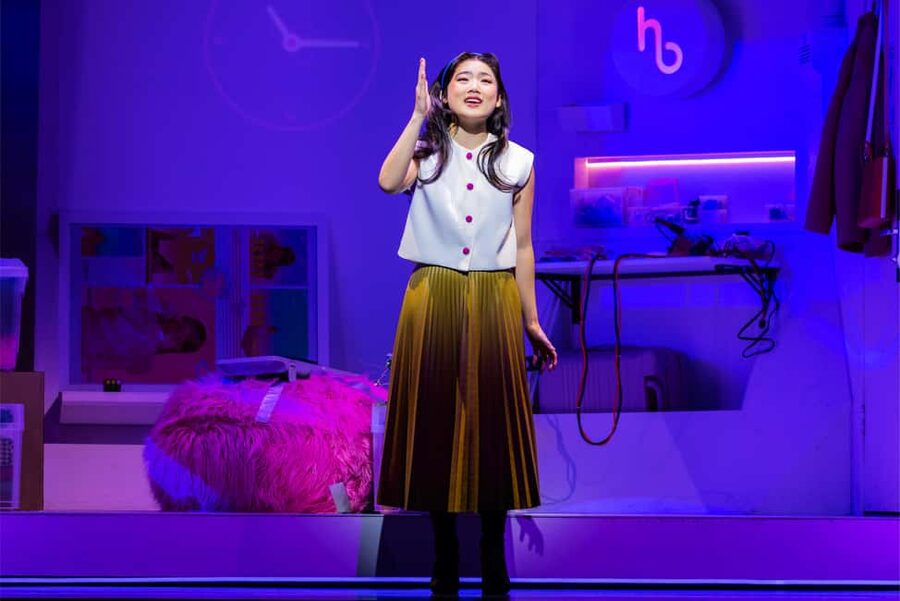
Broadway shows often chase spectacle. This one chases something quieter, a life lived in the same room every day. The action is set in a one-room apartment on the outskirts of Seoul, where Oliver, a Helperbot 3, has a routine that feels calm and safe.
I like that the show starts with small, human-sized details: Oliver listens to jazz records and cares for a favorite plant. It sounds simple, but the point is clear. The apartment becomes a character, and your attention stays locked on what changes when Claire arrives.
The premise is also built for maximum audience curiosity. Helperbots are retired, and Claire and Oliver are near the end of their warranty. That clock adds tension without turning the story into pure doom. Instead, you get a funny, oddball kind of hope, the kind that shows up when two outcasts decide they want more than survival.
You can also read our reviews of more tours and experiences in New York City.



The Creative Team Behind the Laughs and the Heart
If you like musical theater that has craft behind it, this one has receipts. The show is helmed by director Michael Arden, a Tony Award winner known for strong character-driven work. On the visual side, scenic design is by Dane Laffrey, and the staging is built to make a single room feel like a whole world.
For the writing and songs, the book, music, and lyrics come from the internationally acclaimed duo Will Aronson and Hue Park. That matters because it explains the tone. You are not watching disconnected sketches and filler songs. The humor, the melody, and the emotional turns all feel like they belong to the same engine.
The show is also connected to a real awards track record. It has won the Richard Rodgers Award, and it collected six Tony Awards, including Best Musical. Even if awards do not always tell you what you personally will like, they usually tell you the production knows what it is doing. In this case, you can feel it in how tightly the story is paced and how confidently the show moves between comedy and feeling.
Before Curtain: Mobile Tickets, Early Seating, and Theater Rules
This experience is straightforward logistically: you present your mobile tickets at the entrance to the theater. You should aim to arrive 30 minutes before showtime for seating. That timing matters because Broadway houses can move quickly, and you do not want to miss the pre-show atmosphere.
A big practical note: there is no intermission. That means your best “break time” is the time you give yourself before the show starts. If you are the type who always uses the restroom right at the start, do it early, before you sit down for good.
Rules are strict during the performance, and I think they make sense here. Photography inside is not allowed. Flash photography is not allowed during the performance. Mobile phone use is strictly prohibited during the performance. If you need to check something, do it before you take your seat.
You can also buy merchandise at the venue. Food and drinks are not included, so if you want a meal or a drink, you will need to plan that outside the theater.
Inside the Show: What the No-Intermission Format Does to the Experience
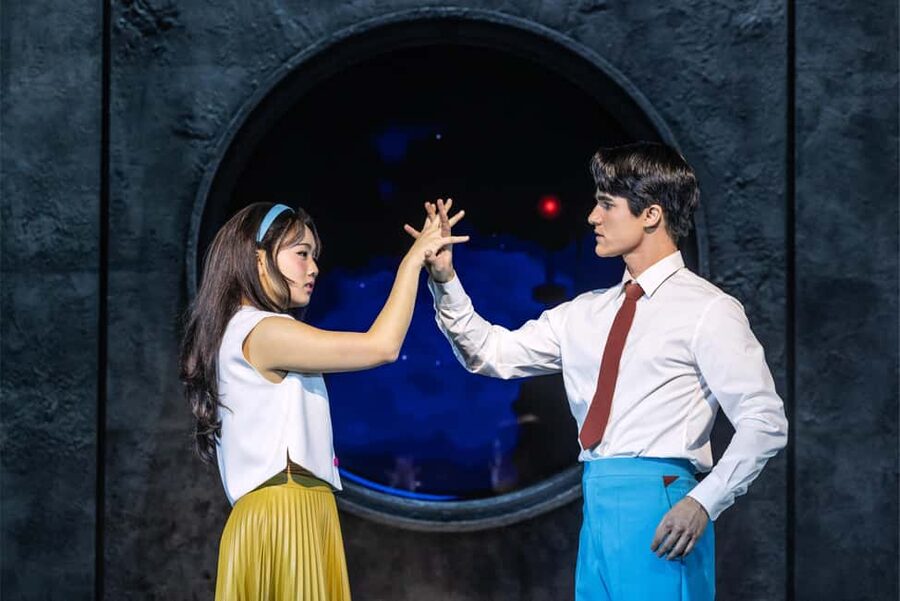
No intermission is either a deal-breaker or a benefit, depending on your style. For me, it is a benefit when the story is tight. Here, the format keeps the momentum moving, which is a good match for a story unfolding in one room with one core set of characters.
You also feel more like you are watching a continuous slice of life. Oliver has his routine. Claire disrupts it in a low-key but meaningful way, starting with the awkward moment of borrowing a charger. Then the relationship grows, and the show moves into a surprising adventure without giving you time to “reset” your brain.
The practical tradeoff is real. Once the show begins, you are in it until the end. Keep your phone away and your attention up, because the show asks you to track emotional shifts and tiny moments.
One more thing you should know: the show is recommended for age 8+, and it is not suitable for children under 8. Children under age 4 are not permitted in the theatre. If you are traveling with kids, check ages carefully before you commit.
The Story of Oliver, Claire, and the End of Their Warranty
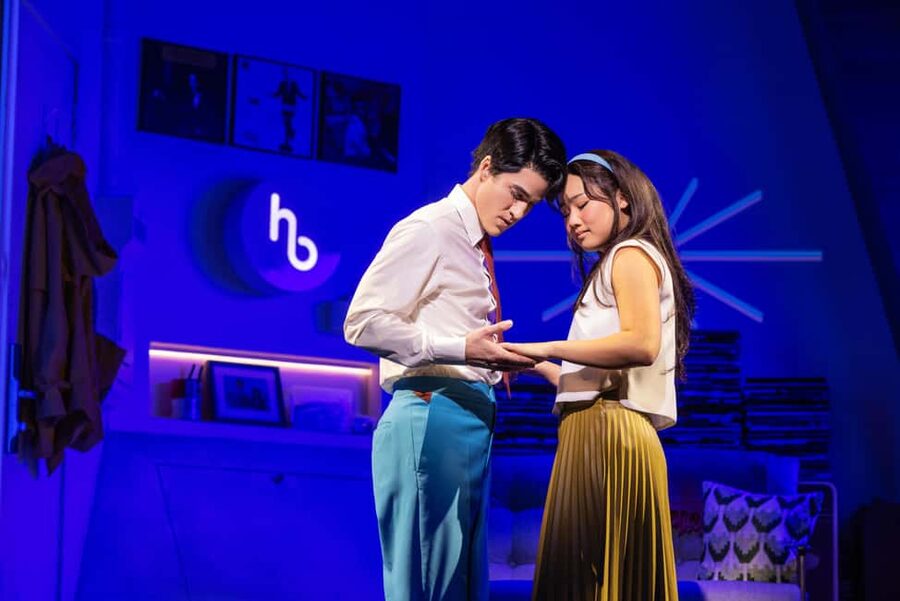
At first, the setup is gentle. Oliver lives a quiet life, a Helperbot 3 with a routine, jazz records, and a plant to care for. Then Claire asks to borrow his charger, and that small request creates a chain reaction.
The friendship does not start with perfect chemistry. It starts awkward. That is what makes the early scenes feel believable and funny. You are seeing two beings with limited options trying to connect anyway.
The outcast angle is central. The show describes them as outcasts near the end of their warranty. That means their time feels counted, but the story does not treat that like a threat only. It treats it like a reason to pay attention to what matters.
This is where the show’s emotional strategy clicks. It is a musical about romance and adventure, yes, but it is also about the small things that make life worth living. The plant, the jazz, the rhythm of the room, those elements are not random props. They support the theme.
If you like stories where affection grows through conversation and shared routines, you will probably find a lot to enjoy. If you only want big action and constant punchlines, you may need to give it a few minutes to find its stride. The show builds, then it turns.



Humor, Heart, and Musical Comedy That Does Not Waste Time
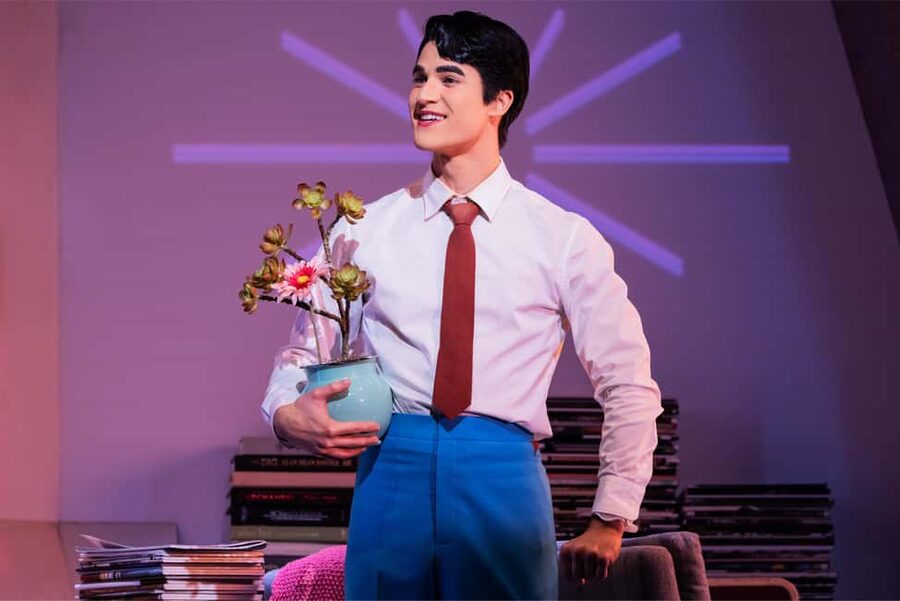
The show is a musical comedy, but it never feels like it is chasing laughs at the expense of meaning. The humor often comes from character mismatch and routine disruption. Oliver is set in his habits. Claire is curious and bold in a way that makes those habits feel silly, or at least changeable.
When the songs arrive, they carry story information, not just mood. The writing and composing partnership, Will Aronson and Hue Park, seems designed for character voice. That means the music sounds like it belongs to Oliver and Claire, not like background music tacked on after the fact.
There is also a sense of momentum to the storytelling. The show goes from awkward neighbor moment to deeper connection and then into a surprising adventure. It does that in a way that feels shaped, not random. You keep moving forward because each moment is tied to what comes next.
And because the setting is a one-room apartment, the show leans hard into emotional clarity. You cannot escape the characters. They are right there, so you end up watching micro-shifts in tone. The result can feel intimate, even in a full Broadway theater.
Staging and Scenic Design: Dane Laffrey’s One-Room Challenge
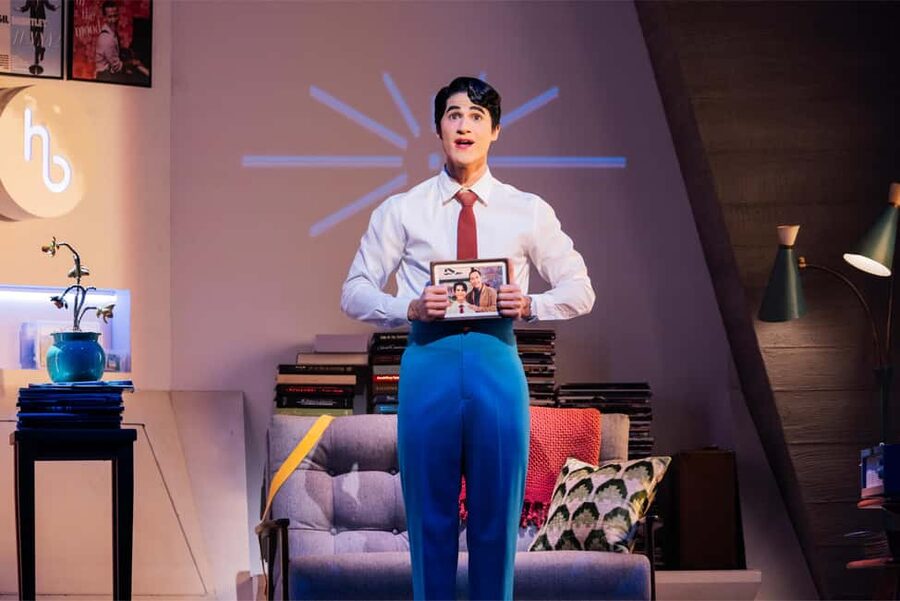
A single-room set sounds limiting. On stage, it can also be restrictive. Here, the scenic design by Dane Laffrey is part of the magic. The room feels like it holds history and meaning, not just furniture.
This kind of set can help a musical because it reduces visual distraction. You focus on faces, movement, and the way the story evolves inside the same physical space. The show uses that constraint as a strength, and that is a rare skill.
The direction by Michael Arden also plays into this. With the story largely anchored in one environment, the actors and staging need to keep your attention. The show does, by changing pacing through song, shifting emphasis through character choices, and letting you notice the apartment details that mirror the theme of life’s small comforts.
If you enjoy theatercraft, watch for how the show keeps “opening up” even though the apartment is not changing into a new location every few minutes. That is part of why it won big. It is design intelligence.
Value on Broadway: How to Judge This Ticket Without a Price You Can Compare
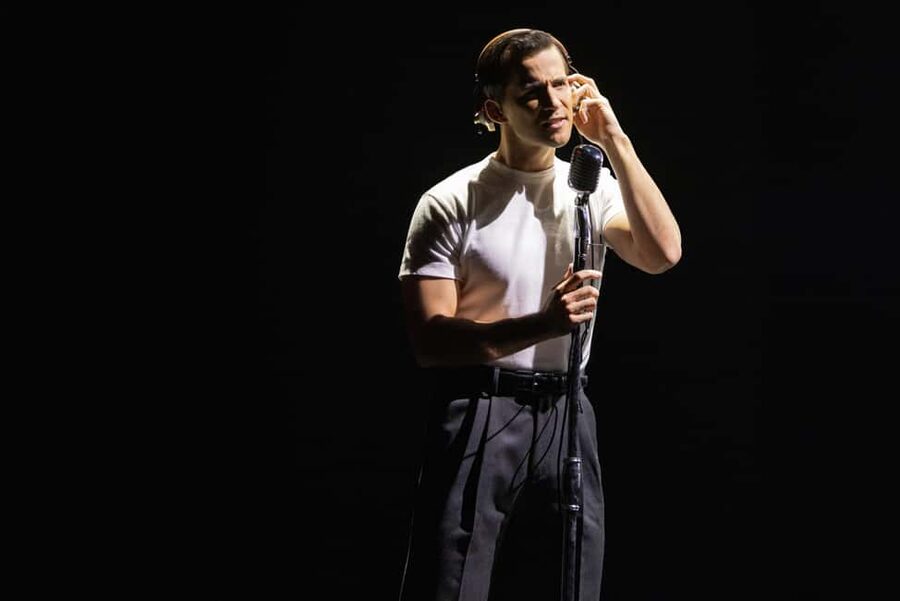
You might be shopping in a price range where Broadway tickets feel pricey in general. Since the exact cost is not listed here, I will focus on value signals you can use.
First, you have a production with major award weight: Best Musical and six Tonys total. That is a strong indicator that you are buying a finished, high-quality performance, not a risky unknown.
Second, the creative team is built around proven musical theater names. Michael Arden brings Tony-level direction. Dane Laffrey handles scenic design. The writing and music by Will Aronson and Hue Park give you a cohesive authorial voice.
Third, the “no intermission” format is actually part of the value conversation. You are getting the full story in one continuous sweep. That usually means fewer downtime stretches and more consistent energy.
Finally, you need to account for what is not included. Food and drinks are not part of the ticket. If you budget a pre-show snack or a quick drink, you will feel better about your overall day cost.
Who Should Book Maybe Happy Ending, and Who Might Want to Skip
This show fits best if you like character-driven musical comedy and you are okay with a premise that leans offbeat. The robots and warranty clock create a sci-fi wrapper, but the themes stay human: connection, comfort, and choosing what to care about.
You will likely enjoy it if you appreciate thoughtful humor, songs that move the story forward, and staging that works hard even in a single setting. It is also a good choice if you want Broadway to feel slightly different from the usual big spectacle formula.
You might want to skip if you strongly prefer action-heavy plots, frequent breaks during the show, or you need very young children to attend. The age guidance here is clear: recommended for 8+, not suitable for under 8, and children under 4 not permitted.
Should You Book This Broadway Ticket?
If you want a Broadway show that is both award-proven and emotionally sincere, I think you should strongly consider booking Maybe Happy Ending. It has the major-ticket credibility of six Tony Awards, plus the Richard Rodgers Award recognition. More importantly, it uses those credentials to deliver a story that feels specific, funny, and gently surprising.
If the idea of no intermission would stress you out, or if you are traveling with kids younger than the guidance allows, then it might not be your best fit. But for most adults and older kids who like musical comedy with real heart, this is a smart bet.
Plan to arrive early, follow the phone and photo rules, and treat the one-room apartment like a stage you will keep studying. That is where the show rewards you.
FAQ
How do I use my ticket for Maybe Happy Ending?
Present your mobile tickets at the entrance to the theater.
How early should I arrive for seating?
Arrive 30 minutes before showtime for seating.
Is there an intermission?
No, there is no intermission.
Can I take photos during the show?
Photography inside is not allowed. Flash photography is also not allowed during the performance.
Are phones allowed during the show?
Mobile phone use is strictly prohibited during the performance.
What ages is the show recommended for?
The show is recommended for 8+. It is not suitable for children under 8 years old, and children under age 4 are not permitted in the theatre.
Are food and drinks included?
No, food and drinks are not included. Merchandise is available for purchase at the venue.
More Tour Reviews in New York City
Not for you? Here's more nearby things to do in New York City we have reviewed












More Broadway Experiences to consider.
 ★ 4.8Aladdin the Musical on BroadwayTickets from $831,800 traveller reviews
 The Lion King on Broadway1,609 traveller reviews
 MJ the Musical on Broadway1,510 traveller reviews
 Moulin Rouge! the Musical on Broadway1,329 traveller reviews
 Harry Potter and the Cursed Child on Broadway700 traveller reviews
 Chicago the Musical on Broadway687 traveller reviews
 ★ 5.0Broadway and Times Square Insider Tour with Theater ProfessionalTickets from $39651 traveller reviews
 ★ 4.5The Lion King On Broadway TicketTickets from $143649 traveller reviews
More useful New York routes