
Review · NEW YORK CITY TOURS
NYC Underground Subway Walking Tour
The subway has secret chapters. This NYC Underground Subway walking tour turns the tunnels into stories, with ear pieces and a local guide plus a real ride on the 6 train through abandoned ghost stations.
I especially like the small group setup, which keeps things calm enough to ask questions, and the guide focus stays personal even when you are moving fast.
One heads up, though: expect stairs. You will do a lot of walking and descending, and the time spent underground can feel stuffy on some days.
Key Highlights I Think Are Worth Your Time
- Ear pieces that make the tour usable: everyone gets fit with audio gear so you can follow the guide over station noise.
- A native New Yorker style: you get local context, not just dates and station facts.
- City Hall Park to Union Square: you start with the origin story above ground, then hit art-filled stations below.
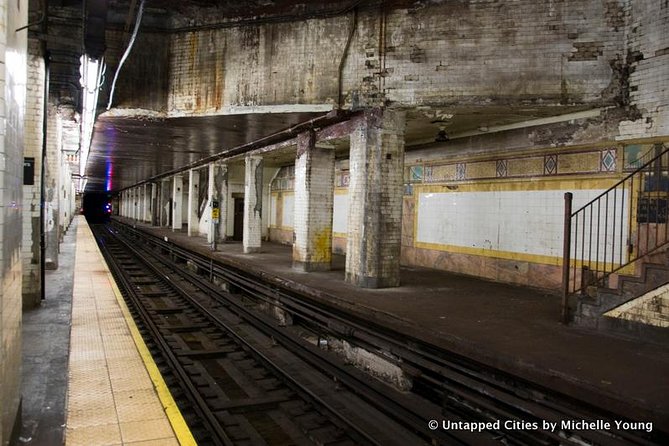
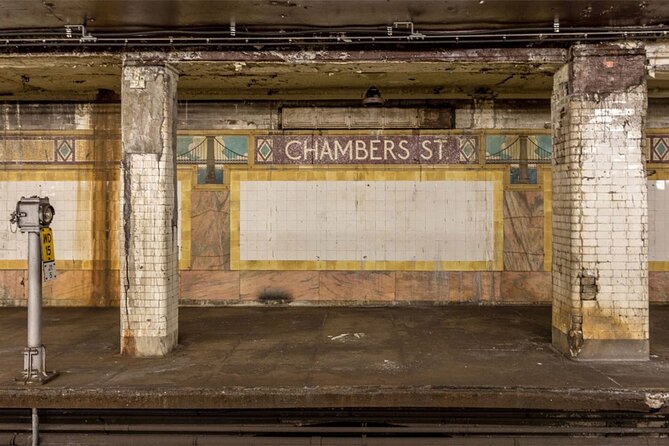
- 6 train ghost stations: you ride past abandoned, frozen-in-time station areas that most riders never notice.
- Max group size keeps it manageable: up to 12 travelers means fewer delays and more time to ask why the system is shaped the way it is.
- You finish where you started: you get back to the meeting point and can keep exploring on your own.
Where This Tour Starts, and Why the Location Matters
You meet at 200 Broadway, New York, NY 10038, and the tour runs near the Fulton Center area. That is a smart start, because this part of Manhattan puts you close to the subway’s busiest connections without making you wander around hunting for the group.
The format is a mobile ticket check and then a quick fit for ear pieces before you start moving. This matters because once you are down in the system, it is not the place for fiddling with your phone settings or trying to remember where you were supposed to stand.
The tour is set for about 2 hours, and the pace is built around short stops plus transitions. You are not supposed to sprint nonstop, but you are also not on a lazy stroll. If you like learning while walking, this is your speed.
You can also read our reviews of more walking tours in New York City



Ear Pieces and Small-Group Size, The Two Things That Actually Improve Your Experience
Underground tours can be hit or miss, mainly because sound in the subway is chaotic. Here, you are given ear pieces so you can hear the guide clearly while the trains roar and platforms echo. That is one of the biggest reasons this tour scores high for people who care about details.
Small-group size also changes the feel. With a maximum of 12 travelers, the guide can keep the group together at station stairways and still pause to answer questions. Several guide descriptions stand out for being funny and engaging, which tends to work better when the group is small enough to stay connected.
One practical consideration: if the ear pieces do not fit perfectly on you, the audio can still be hard to make out over train noise. Your best move is simple, adjust them early, and tell the guide quickly if anything sounds off so they can correct it right away.
The First Stops Above Ground: City Hall Park and the Subway’s Origin Story
The tour starts by heading toward the first stop in the City Hall Park area. You spend about 15 minutes there, and the focus is on the creation of the very first NYC subway station, using visible remnants you can spot around you.
I like this opening because it gives you a timeline you can picture. When you only see subway maps, the system feels like modern wiring. Starting with what is still traceable above ground makes the underground feel like the continuation of something that was planned with real decisions, real politics, and real engineering.
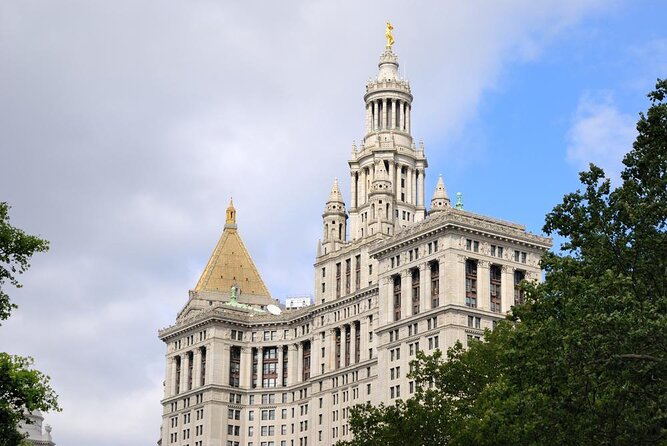
Next comes the Municipal Building stop for about 10 minutes. This part connects why the subway was built where it was, and why key institutions mattered. It is the kind of context that helps you understand why stations and lines do not just appear randomly, and why the network grows the way it does.
If you prefer tours that begin with the “why” before the “what,” these first two stops do that well without dragging. They keep the origin story tight, then move you back toward the stations where it comes to life.
Union Square Station and Its Art Installations, Where Design Becomes a Clue
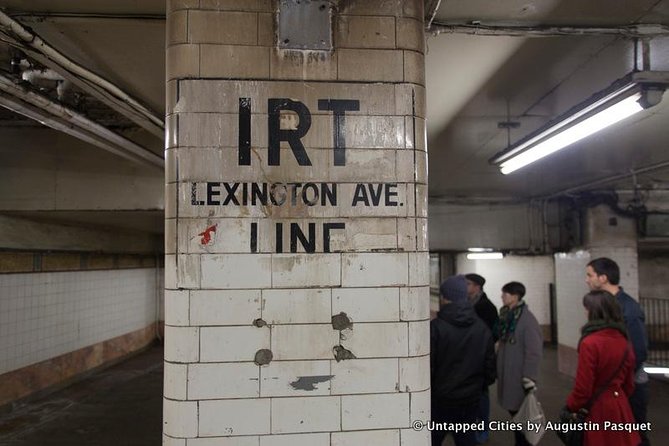
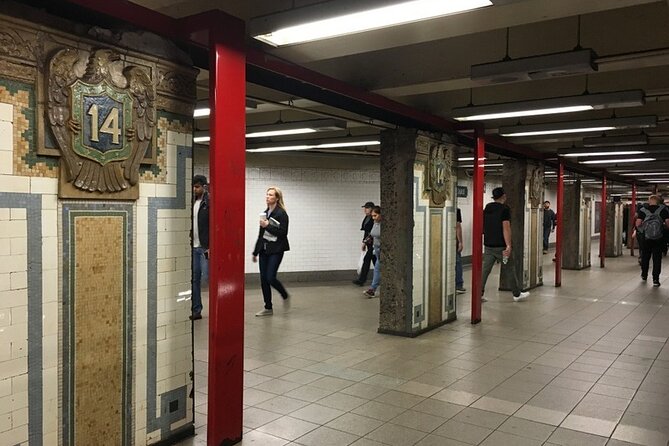
At Union Square, you get about 10 minutes to explore the subway station itself and its surprising art installations. This stop is short, but it is effective because it shows you that station design is not only about function.
In New York, art shows up in places you would normally treat as pure transit space. When you learn how stations were shaped and renovated, those artworks start to make more sense. They are not just decorations, they are clues about how a public space wants to be remembered.
Union Square is also a practical orientation point. You begin to see the subway as a system of spaces, not just trains. The guide’s job here is to help you notice things you would normally rush past: sightlines, platform layouts, and the way stations can feel totally different even when they serve the same basic purpose.
Getting Views Toward Brooklyn Bridge, Because the Subway Story Starts in the Streets
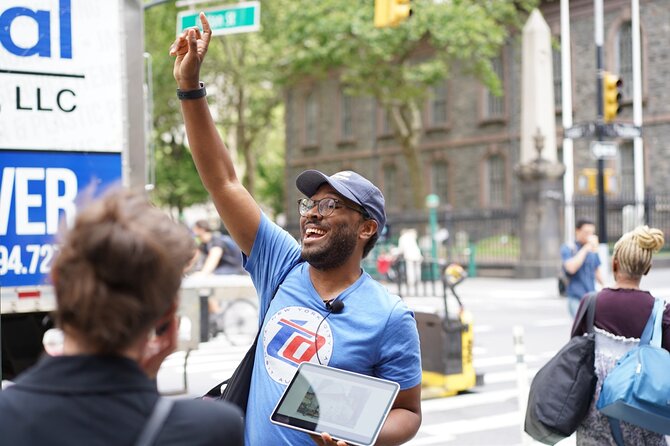
Early in the tour, you get views of the Brooklyn Bridge and the way Manhattan connects across the water. You also see the direction toward Brooklyn, which helps ground the tunnels in geography.
This matters more than it sounds. Many people experience the subway as a set of rides between stations. But the underground story is tied to the surface story. Routes, expansions, and station placement all follow where people needed to go, and how the city wanted to connect neighborhoods.
So even when you are not yet underground, you are learning how the subway’s logic fits into the real city map.






The 6 Train Ride and Ghost Stations, The Moment Most People Remember
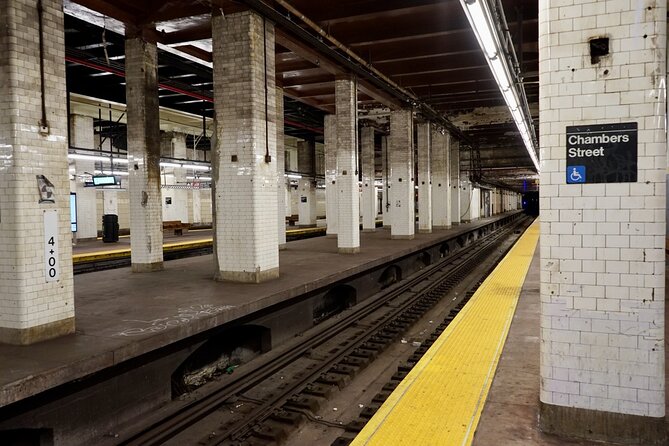
The headline experience is the time you spend on the 6 train, including passing through abandoned ghost stations. This is the part that makes the tour feel different from a typical “history walk.”
A ghost station is basically what it sounds like: parts of the system that were built or used in the past and then left behind or bypassed, so you can catch a glimpse of infrastructure that feels frozen in time. The thrill is not just seeing something rare. It is realizing how much planning and change sits behind every normal commute.
This is also where your ear pieces earn their keep. You are in motion, surrounded by train noise, and still expected to understand the guide’s explanation. When it works well, it feels like you are watching the city layer-cake in real time.
One balancing note: some people report that being underground for a stretch can feel uncomfortable, especially in warmer conditions. If you know you get hot easily, bring a light layer you can manage and plan for a warm, gritty subway environment.
How Much Walking and Stairs to Expect (And How to Prepare)

Expect a fair bit of walking and stairs. Even with a short overall duration, subway routes are vertical. The tour is built around descending into stations, crossing within the system, and then climbing back up to move to the next stop.
My advice is boring but effective:
- Wear comfortable shoes with good traction.
- If you use a backpack or bag, keep it easy to manage at turns and stairways.
- Move with the group even when you want to photograph. The guide is pacing you for a reason.
Some participants love the stairs because it feels like a real transit workout, not an on-and-off bus tour. If you have mobility limitations or fatigue issues, consider whether you want a tour with this level of vertical movement.
Guides Like Pete, AJ, Cullen, Rayn, and Alex, What Their Style Tends to Do
The guiding team matters a lot on this tour, and the names that come up most often share a pattern: they keep the group engaged with humor, and they connect the subway’s evolution to the culture around it.
For example, guides including Pete and AJ are described as funny, energetic, and able to keep attention for the full 2 hours. Cullen gets credit for staying personable and organized while moving the group between stations. Rayn is highlighted for making the system easier to maneuver after the tour, which is a practical benefit beyond the fun factor. Alexis is praised for enthusiasm and deep familiarity with subway history.
One more useful angle: if you like transportation facts and the engineering side, you will probably feel at home here. If you want only stories about people in the subway, you might find yourself wanting more human-life detail. The emphasis is strongly on system design, station history, and how the network became what it is.
Price and Value Check for $39 Per Person
At $39.00 per person for about 2 hours, this tour is priced like a specialty walking experience, not a budget city stroll. Is it worth it? In my view, it comes down to what you want from your time in New York.
You are paying for:
- A guide who explains how the system works and why it looks the way it does
- Ear pieces for clearer listening underground
- A ride on the 6 train with access to abandoned ghost station areas that most people never see
- A route that bundles multiple station experiences, like City Hall Park origins and Union Square art
If you already know how to navigate the subway, you might not feel the value in the navigation side. But you are still buying a different lens: station architecture, system history, and sightings you cannot easily replicate on your own without planning and luck.
Also, this tour tends to be booked around 24 days in advance on average, which is usually a sign that it sells because people feel satisfied after. Just remember the subway environment is real, so wear the right shoes and keep your expectations grounded.
Who This Tour Fits Best, and Who Might Want a Different Option
This is a strong pick if you:
- Love NYC history tied to how the city actually operates
- Like trains, station architecture, and the nuts and bolts of mass transit
- Want a guided way to understand why the subway feels complex, and how to move through it
You might rethink it if you:
- Do not enjoy lots of stairs and underground time
- Want a very story-heavy tour centered mostly on day-to-day characters and street-level life, rather than system design and historical evolution
- Are extremely sensitive to sound and notice audio issues quickly, because subway roar is part of the environment even with ear pieces
For families, couples, and solo travelers, it tends to work well when you have curiosity and you can handle walking.
Should You Book This NYC Underground Subway Walking Tour?
Book it if you want a guided subway history experience that goes beyond map trivia, and you are excited to ride the 6 train with a chance to see ghost stations. The combination of ear pieces, a small group up to 12, and multiple focused stops like City Hall Park and Union Square makes it feel like a real, curated route without feeling stuffy.
Skip or choose a different tour style if stairs or heat under the city are deal breakers for you, or if you expect the tour to be mostly about people on the platform rather than the system itself.
If you are the type who gets a little happy seeing how cities work, this is one of those tours that helps you see New York again, even after you surface.
More Walking Tours in New York City



More Tours in New York City




More Tour Reviews in New York City
Not for you? Here's more nearby things to do in New York City we have reviewed












More New York City Tours to consider.
 ★ 4.7SUMMIT One Vanderbilt TicketsTickets from $4751,195 traveller reviews
 ★ 4.7Empire State Building Tickets – Observatory & MuseumTickets from $4725,757 traveller reviews
 ★ 4.6Statue of Liberty & Ellis Island with FerryTickets from $1918,683 traveller reviews
 ★ 4.5American Museum of Natural History TicketTickets from $3715,447 traveller reviews
 ★ 5.0New York in One Day Guided Sightseeing TourTickets from $9913,166 traveller reviews
 ★ 4.6Museum of Modern Art (MoMA) Entry TicketTickets from $3012,540 traveller reviews
 ★ 4.7One World Observatory Skip-the-Line TicketTickets from $3012,329 traveller reviews
 ★ 4.7New York CityPASS®: Save up to 41% at 5 Top AttractionsTickets from $15410,548 traveller reviews