
Review · WALL STREET TOURS
NYC: Wall Street and Financial District Walking Tour
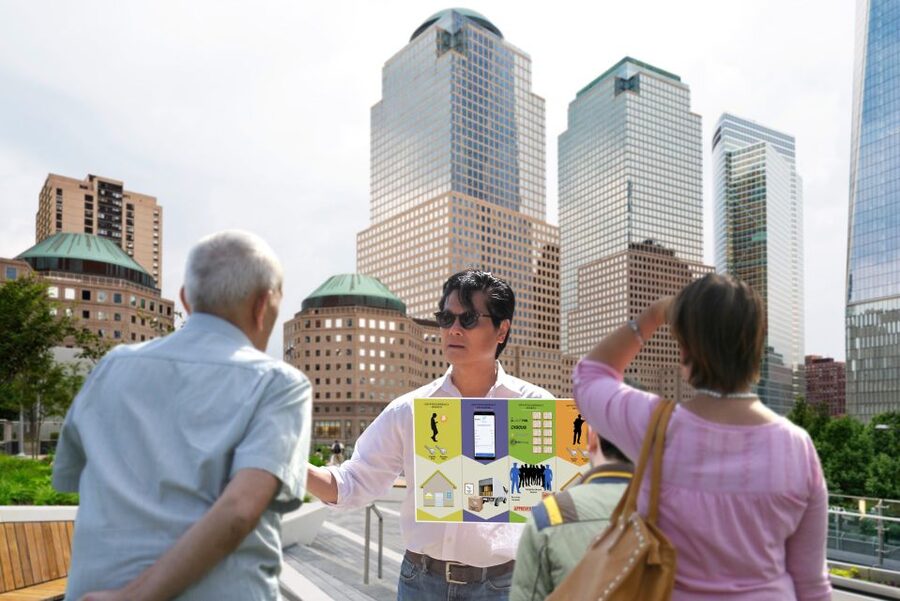
Money meets street life in Lower Manhattan. This walking tour makes finance feel human, with guides using large posters to narrate the story as you move between real-world landmarks, from the Financial District to the Wall Street core. I especially like how the tour connects big headlines to what actually sits on these streets, and how guides (like Richard, in many recent bookings) bring clear, energetic storytelling to the group.
I also like the mix of classic stops and modern market chaos. You’ll see the NYSE from the outside, plus Federal Hall, the Fearless Girl, and Charging Bull, while also working through why 2008 happened and what went wrong again in the GameStop and Robinhood era, and later with cryptocurrencies. One consideration: due to security rules, the tour does not go inside the New York Stock Exchange, so it’s a street-view experience, not a building tour.
Key highlights you will actually feel on this walk
- Large posters that turn market concepts into something you can picture
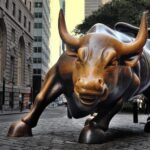
- Street-level Wall Street hits, including NYSE exterior views, Federal Hall, Fearless Girl, and Charging Bull
- Modern market drama, from GameStop and Robinhood to crypto themes
- A shock lesson with real numbers, how oil went from about $18 a barrel to -$37 in 2020
- Photo-friendly pacing, with guides helping people get good angles and even easier restroom stops
Starting at 22 Dey St, then walking straight into Wall Street
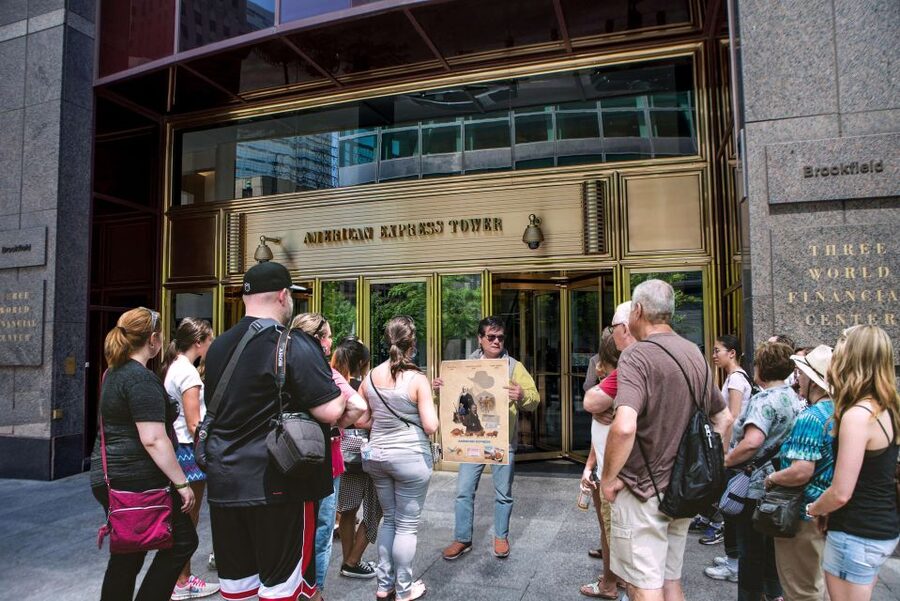
The tour kicks off at 22 Dey St, at the Starbucks entrance on Dey Street between Broadway and Church Street. You check in there, and the smart move is to arrive about 15 minutes early so you start with the group rather than sprinting through security-adjacent crowds.
Once you’re gathered, the whole experience runs as a proper guided walk, not a lecture you survive. It lasts about two hours, with frequent short story stops that keep it moving while still giving you time to look around and absorb the setting. That matters here, because Lower Manhattan is one of those places where you can’t fully understand it from a postcard.
You can also read our reviews of more walking tours in New York City


The consulting-firm opening: finance has a backstory, not just big numbers
The first part of the tour sets the frame with the history and importance of consulting firms. That sounds niche until you realize how many major financial moves depend on advice, analysis, and the business of turning messy information into decisions.
Instead of treating finance like a black box, the guide lays out how systems get built and staffed. You’ll hear why certain players matter, and how the industry organizes itself before you ever get to the dramatic headlines.
If you’ve ever wondered why some crises feel like they came out of nowhere, this early section helps. It gives you the “who, how, and why the gears were already turning” story, so later events like the 2008 collapse don’t feel random.
Oculus Center and the World Financial Center: architecture as a clue
You’ll stop at the Oculus Center for about 10 minutes. It’s a quick hit, but it works well as a breather and a visual reset before you enter the densest part of the financial story.
This is where the tour does something useful for non-finance people. The guide ties the district’s design and scale to what finance institutions try to project: permanence, precision, and reach. Even if you don’t care about architecture, it helps your brain understand why the financial district looks the way it does.
If you like photos, this is a good spot to reposition yourself. The area is busy, and a guide-led timing of short stops makes a difference when you want a clean shot without blocking anyone.
Commodities markets and investment banks: the mechanics behind the noise
Next, the tour shifts to how commodities markets work, and how experts explain the basics without turning it into homework. You also get guidance on who the largest investment banks are and how their monetary operations function.
This is where the experience becomes practical. Understanding commodities and bank operations gives you a lens for the rest of the tour, including the “why” behind market crashes and why sudden shocks can snowball so fast. It’s also a good foundation if you want to keep following finance news after your walk ends.
The guide also uses large visuals to narrate what you’re seeing. Those posters are not just decoration. They help you hold onto terms as you’re standing near the real-world geography that those terms grew out of.
2008 financial collapse: what caused it, in street-level terms
The 2008 financial collapse section is one of the main reasons people book this tour. You’ll learn what caused the crash and how the pieces fit together, with an emphasis on consequences instead of jargon.
You also get the sense of scale. The guide frames how the collapse spread through the financial system, and why the aftermath lasted far beyond the first headlines. This is the part that makes the rest of the tour feel connected, not like random facts.
One detail I liked from the way guides teach it here: they keep checking in. Several visitors highlight that the guide asks if you have questions multiple times, and that the pacing never feels rushed. That turns a potentially heavy topic into something you can actually process.






GameStop, Robinhood, and crypto: why the modern plot still follows the same rules
After the 2008 story, you’ll move into the more current market drama, including the GameStop and Robinhood debacle and why it happened. You’ll also cover cryptocurrencies in the broader “how markets react” context.
This section is especially good if you follow headlines but want to understand the machinery underneath. The tour doesn’t treat these events as pop culture only. It connects them back to the idea that markets move with incentives, narratives, and risk, not just charts.
The guide also keeps the tone lively. In recent bookings, people singled out how funny and energetic Richard was, and how he made complicated concepts feel straightforward. That style matters, because Wall Street topics can feel either dull or intimidating if they’re taught in the wrong tone.
The oil shock example: from about $18 to -$37
One of the most memorable lessons on the walk is the oil price shock in 2020. You’ll hear how oil prices plummeted from around $18 a barrel to -$37, and the odd-but-true detail that oil producers were effectively paying people to take oil off their hands.
That story does more than teach a number. It shows you how market pricing can flip when supply, storage, and demand collide under stress. It also gives you a concrete example you can reuse when you hear other “impossible” headlines.
If finance news ever feels like it breaks the laws of common sense, this is the section that helps you rebuild your intuition.
Federal Hall, NYSE exterior views, Fearless Girl, and Charging Bull
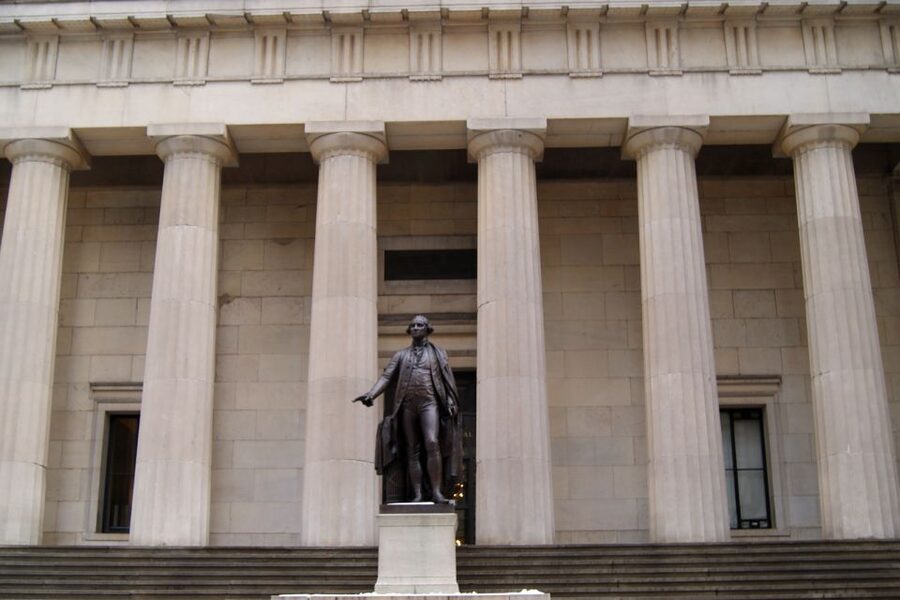
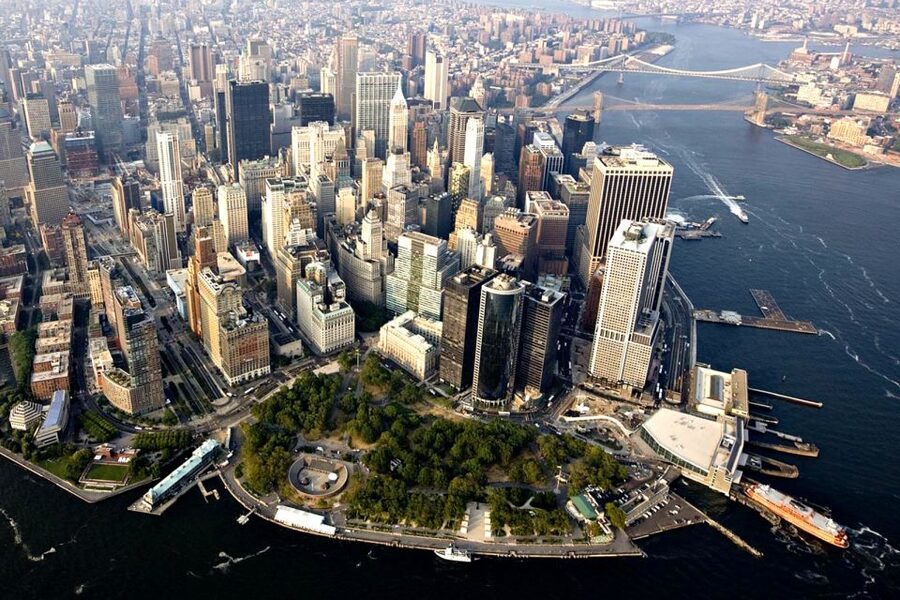
Now you’re in the heart of Lower Manhattan, where the sidewalks feel like they run right through the financial heartbeat of the world. You’ll visit the major landmarks in a practical order that keeps the story flowing.
Federal Hall is one of the key stops. From there you head toward the New York Stock Exchange for outside views. Important note: the tour does not go inside the NYSE due to security. So you’re there to look, learn, and understand the symbolism from the street, not take a guided interior.
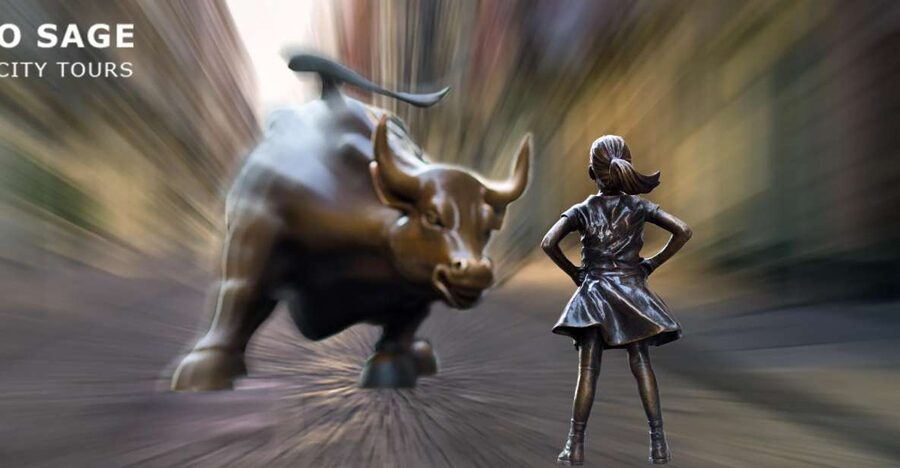
Then come the modern icons that everyone wants to see in person. You’ll spend time at the Fearless Girl and Charging Bull, with photo-friendly pacing. Recent visitors specifically mention that the guide helps with pictures and angles, so it’s worth planning to spend your attention here, not just walk past quickly.
One small consideration: these spots are popular and busy. Going on a guided schedule helps because you get micro-windows to pause, take photos, and listen without feeling like you’re stuck behind someone else’s camera roll.
How the guide’s posters, stories, and photo help make it stick
A standout feature here is the guide’s use of large posters to narrate the tour. It’s a simple tool, but it solves a real problem on finance tours. Terms can bounce off your brain if there’s nothing visual to hold them in place.
Many visitors also mention that guides like Richard are attentive and professional, with a friendly way of keeping the group engaged. There are repeated comments about clear explanations, patience with questions, and helpful photo moments.
I’d treat the photo help as a bonus, not the main point. The real value is that you’re walking through a real district while learning how money systems work. The photos just make the experience easier to remember later.
Price and value: about $34 for a two-hour walk
At $34 per person for roughly two hours, this is priced like a mid-range walking tour with real educational payoff. The value comes from the combination: multiple major landmarks plus a guided explanation of how markets and big financial events connect.
If you’re visiting NYC and want one “I get it now” experience, this is one of the better bets because it turns a headline-heavy subject into something you can see. You’re not just looking at buildings, you’re learning the logic of how money moves, why crises spread, and why certain events rhyme.
It’s also the kind of tour you can do at the start of your trip. After this, other Wall Street headlines will make more sense, and you’ll be better at reading what’s hype and what’s mechanism.
Who should book this Wall Street and Financial District tour
This is a great fit if you like finance, economics, or you simply want context for what you see downtown. It also works well for people who are curious but not technical, because guides focus on clarity and real-world examples.
It’s especially useful for:
- teens and adults who want a guided explanation of market concepts
- people who enjoy street-level history and landmark storytelling
- solo travelers, since the guide style is friendly and people report feeling comfortable
It may not be the best fit if you want a quiet, sit-and-watch experience. This is active. You’ll be walking, listening, and pausing at landmarks. Also note that unaccompanied minors are not allowed, and children must be accompanied by an adult.
The tour is wheelchair accessible as well, so it can work for more mobility needs than the average “just walk faster” tour.
Practical tips for a smooth two-hour Lower Manhattan walk
Wear comfortable shoes. Lower Manhattan sidewalks can be uneven, and you’ll be on your feet long enough to notice if your shoes are just barely good.
Bring a phone for photos, but also bring patience for crowding at the biggest icons. The guide pacing helps, but these locations are popular for a reason.
If you’re the kind of person who likes to ask questions, you’re in the right place. The guide style includes frequent check-ins, and people report that they always got answers. Use that time. If something is unclear, ask in plain language.
And if you care about restroom breaks, know that guides here tend to make it easier. That sounds small until you’re two hours into a busy part of town.
Should you book this Wall Street walk?
Yes, if you want a compact tour that links the district you’re standing in to the biggest finance storylines of the last 20 years. For about $34, you get landmark views of the NYSE exterior, Federal Hall, Fearless Girl, and Charging Bull, plus practical explanations of markets, 2008, GameStop and Robinhood, and even the oil shock math-that-turned-into-real-world chaos.
I’d book it especially if you like guides who teach with personality. Many visitors highlight Richard’s energy, humor, and photo help, and that combination makes a heavy topic feel doable.
Skip it if you’re expecting to go inside the NYSE building, because the tour stays outside. And if you want a purely historical stroll with no modern finance angle, you may find the current-news sections a lot of the tour’s spine.
If you want to walk away with a real mental map of how Wall Street works, this one is worth your time.
FAQ
How long is the Wall Street and Financial District walking tour?
The tour lasts about 2 hours.
How much does the tour cost?
The price is listed at $34 per person.
Where do I meet the guide?
Meet at the entrance to Starbucks Coffee on Dey Street, between Broadway and Church Street.
What time should I arrive?
Arrive 15 minutes before departure time to check in.
Does the tour go inside the New York Stock Exchange?
No. Due to security, you view the NYSE from outside only.
Which landmarks will I see?
You’ll visit Wall Street and the NYSE exterior, plus Federal Hall, the Fearless Girl, and Charging Bull.
What is the tour language?
The tour is in English.
Is the tour wheelchair accessible?
Yes, it is listed as wheelchair accessible.
Can children join the tour?
Children must be accompanied by an adult, and unaccompanied minors are not allowed.
Where does the tour end?
The tour is listed as ending at the National Museum of the American Indian, and it also notes the experience ends at Charging Bull, so plan your finish around the Charging Bull area and your final endpoint.
What should I bring and wear?
Bring comfortable shoes, since it is a walking tour.
More Walking Tours in New York City


More Tours in New York City




More Tour Reviews in New York City
Not for you? Here's more nearby things to do in New York City we have reviewed





More Wall Street Tours to consider.
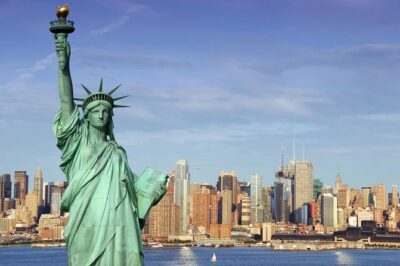 ★ 4.5NYC City Tour: Statue of Liberty, 9/11 Memorial, Wall StreetTickets from $392,059 traveller reviews
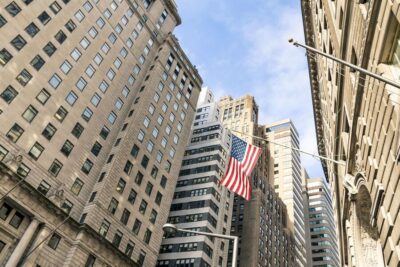 ★ 4.5Wall Street Insider Tour with a Finance ProfessionalTickets from $39660 traveller reviews
★ 4.5Wall Street Insider Tour with a Finance ProfessionalTickets from $39571 traveller reviews
★ 4.5Wall Street Insider Tour with a Finance ProfessionalTickets from $39660 traveller reviews
★ 4.5Wall Street Insider Tour with a Finance ProfessionalTickets from $39571 traveller reviews
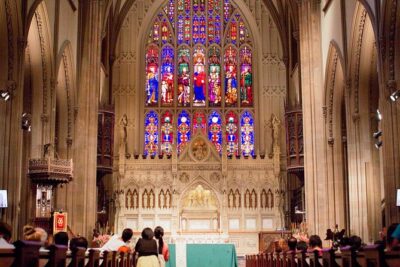 ★ 5.0Manhattan Group Tour Including Wall Street and 911 MemorialTickets from $39408 traveller reviews
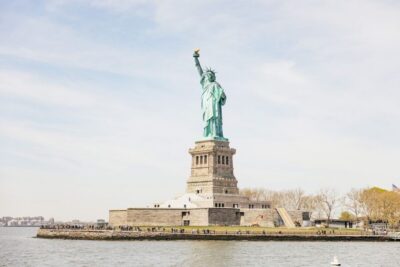 ★ 4.6Wall Street Tour with 9/11 Memorial and Statue FerryTickets from $39367 traveller reviews
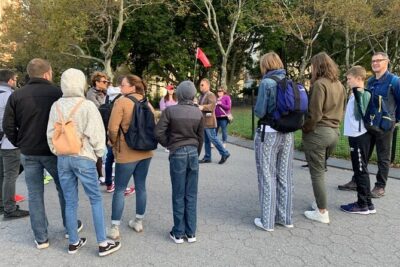 ★ 5.0How Money Was Made Wall Street Walking TourTickets from $49185 traveller reviews
 ★ 5.0Wall Street and Financial District Walking TourTickets from $34116 traveller reviews
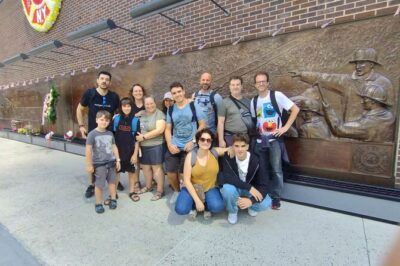 ★ 5.0Wall Street, Financial District Walking Tour Lower Manhattan, NYCTickets from $39108 traveller reviews
More useful New York routes