
Review · NEW YORK CITY TOURS
Slavery and African American History Private Tour in NYC
New York hides slavery stories in plain sight. This private walking tour threads those truths through downtown landmarks you already pass every day.
You’ll like how it connects buildings and streets to the people who built them, including places tied to the former slave market. You’ll also like the guide approach, with history expert storytelling that keeps the details understandable.
One caution: there’s a fair amount of walking, and the 3 hour option adds time at the African Burial Ground Visitor Center, where you must go through a security check.
Key Things to Know Before You Go
- Meet at One Pace Plaza across from the Benjamin Franklin Statue, a very clear starting point
- Two tour lengths, one focused theme, with the 3 hour option adding African Burial Ground admission
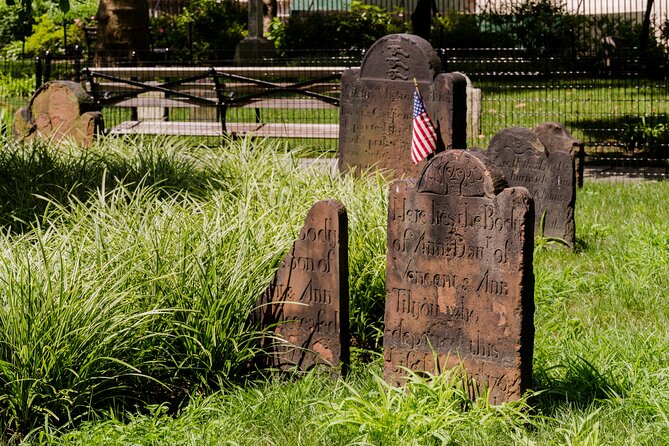
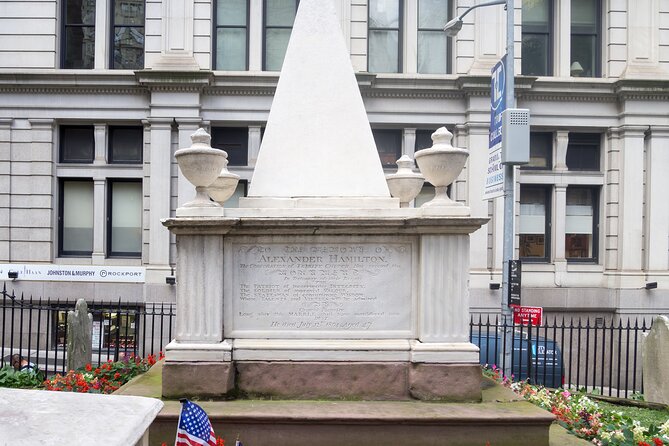
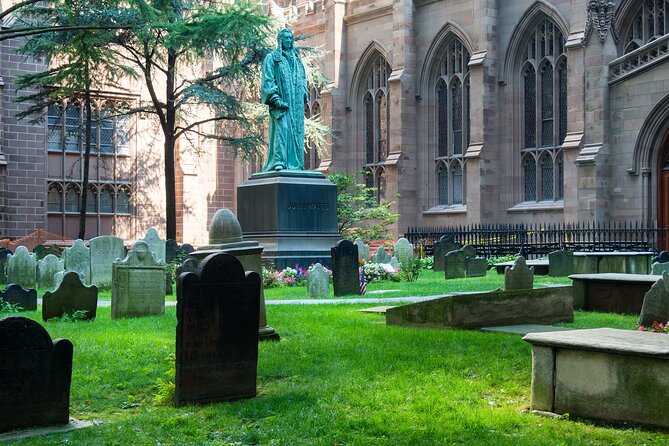
- Downtown landmarks tied to enslaved labor including St. Paul’s Chapel and Trinity Church
- You’ll hear daily life and resistance stories, not just dates and big names
- You may walk a lot, so wear comfortable shoes and plan on moving between stops
- Private-group setup means only your group joins, with guide coverage scaled for group size
Why This Slavery and African American History Tour Works in NYC

This is a downtown history walk designed for real comprehension. Instead of staying stuck in one museum room, you watch the city’s layout and landmarks do the talking, from roads and docks to churches and civic buildings.
What makes it feel practical is the theme is pinned to the places where enslaved Africans worked and were buried. You see how colonial and early federal New York relied on forced labor to build the infrastructure people later came to associate with trade, government, and worship.
And because it’s private, you get something you do not always get on big-group tours: room for questions and a smoother pace. Guides are fluent in the language of your choice, and the tour is offered in English.
You can also read our reviews of more private tours in New York City


Getting Oriented at One Pace Plaza, Then Walking Toward the Past
The tour starts at the Benjamin Franklin Statue at One Pace Plaza (opposite Pace University). You’ll then make your way through downtown, ending outside Fraunces Tavern, which is linked to George Washington’s former headquarters.
This start and finish matters because it gives you an easy mental map. Benjamin Franklin Statue is a simple landmark to find, and Fraunces Tavern is a recognizable historic stop to close on, so you feel like you’re moving through a coherent story instead of hopping randomly between points.
Expect the tour to take about 2 to 3 hours depending on which option you choose. It is listed as near public transportation, which helps if you want to tack it onto other plans without a lot of backtracking.
Stop 1: Benjamin Franklin Statue, A Familiar Landmark With an Uncomfortable Backstory
You don’t linger here for museum time. You meet the guide in front of the Benjamin Franklin Statue, then you set off.
This is a smart opener because it frames the whole experience: you start in a place people know, then you gradually reveal why that same area connects to slavery and forced labor. It also helps you shake off the assumption that slavery history in New York is only about distant institutions. Here, it’s tied to streets, structures, and everyday movement.
You’ll be guided through what to notice as you walk, so by the time you reach the historical sites, you’re looking with purpose, not just staring at plaques.
Stop 2 in the 3 Hour Option: African Burial Ground National Monument
If you choose the 3 hour option, you get the strongest centerpiece: the African Burial Ground National Monument. It’s free admission for this option.
This is the stop where the tour moves from description to evidence. The Visitor Center uses a movie, images, artifacts, and related exhibits to bring the forgotten history of enslaved African Americans in colonial and federal New York City to life.
You also learn something essential for understanding New York’s story as a whole: the burial ground reflects the reality that enslaved people were not present only as labor. They were also part of the community’s human history, across gender and generations, from Africa to North America.
The practical part: security checks
There’s a mandatory security check for everyone entering the African Burial Ground Visitor Center. It’s quick in most travel contexts, but build in patience so you do not feel rushed or stressed.
You can also read our reviews of more historical tours in New York City






Why this stop matters even if you’ve studied slavery before
Even if you know the broad history, this site changes your view of NYC geography. Instead of treating downtown as just a business district, you start to see it as built by forced labor and shaped by lived experience that was deliberately erased.
Other Downtown Stops: Roads, Docks, Churches, and the Built Environment
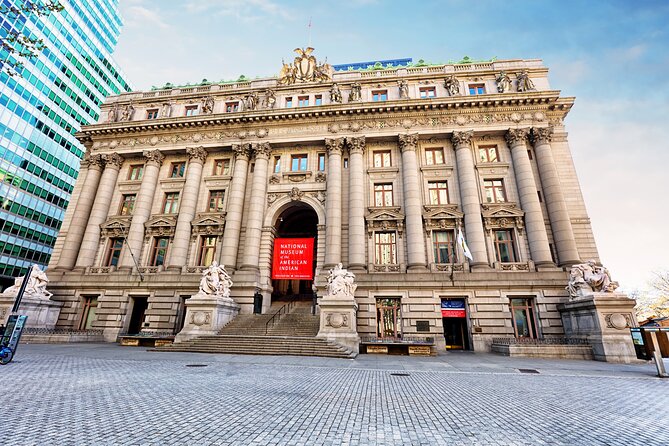
The rest of the route is built around a set of downtown landmarks tied to slavery-era work and the institutions that benefited from it.
As you walk, your guide points out connections that can be easy to miss if you only think of the area as colonial-era scenery. You’ll hear about enslaved Africans performing much of the heavy labor behind New York’s infrastructure in the colonial period. The tour uses that point to connect specific types of places you pass every day: roads, docks, churches, and other buildings built by enslaved people.
Places you’ll pass by or focus on
You’ll pass or discuss:
- New York City Hall
- St. Paul’s Chapel and Trinity Church
- The slave-built wall connected to the origin of the name Wall Street
- A building that housed the former slave market
- The route continues near Pearl Street before finishing outside Fraunces Tavern
The guided storytelling is what turns these names into something you can feel. You stop seeing them as landmarks and start seeing them as systems, including who built them and who paid the price for that progress.
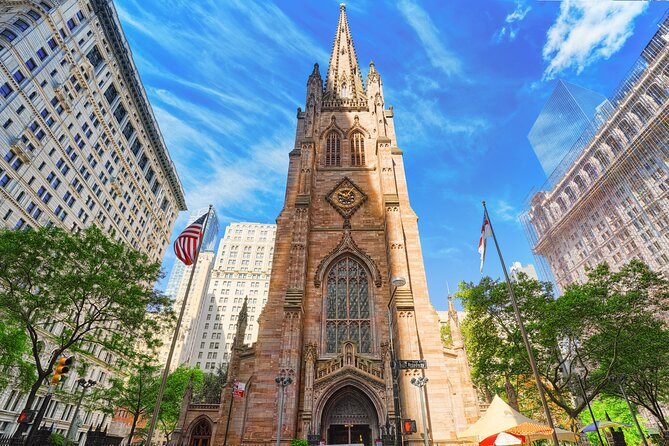
St. Paul’s Chapel and Trinity Church: why churches show up here
This tour treats religious sites as part of the full urban history, not as separate from it. When you visit or pass major churches tied to the era, the guide connects the symbolism to the labor reality of the time. In other words, you’re seeing how different institutions coexisted with slavery, and how that shaped daily life.
Wall Street’s origin: a quick lesson with a punch
The tour mentions a slave-built wall that connects to Wall Street’s name. That kind of detail does more than provide trivia. It forces you to rethink how street names can hide power structures in plain sight.
The Flow Toward Fraunces Tavern on Pearl Street
After the main African Burial Ground focus, the tour route passes Pearl Street and ends outside Fraunces Tavern.
This ending location gives you a helpful way to close the loop. You leave the history of forced labor behind, but you don’t leave with a random set of facts. Instead, you end near a prominent historic landmark tied to a founding-era figure, which helps you place the story within the broader timeline of early America.
You can also use the stop as a practical springboard. It’s a convenient place to grab a bite or continue walking nearby, because you’ve already built a mental map of the area.
Guides, Group Size, and the Human Style That Makes History Click

This experience is led by a history expert guide fluent in your language of choice. The most commonly praised part is how guides deliver the material in a way you can actually follow.
In past guide experiences, people highlighted leaders like Ronald for digesting complex history into something clear, and Joseph for combining deep knowledge of slavery with strong delivery. That focus on understandable narration matters here, because the subject is heavy and the details can pile up fast if a guide only reads facts.
How private group coverage works
Your tour is private, meaning only your group participates. There’s also a guide coverage standard: best experience is one licensed guide per maximum of 25 guests, and if the group is larger (26 to 50), the provider supplies two licensed guides so you can hear and ask questions.
That’s a practical detail worth caring about. In a walking tour, audio and pacing are everything. More guided coverage usually means fewer missed explanations at each stop.
Price and Value: Is $192.90 Worth It?
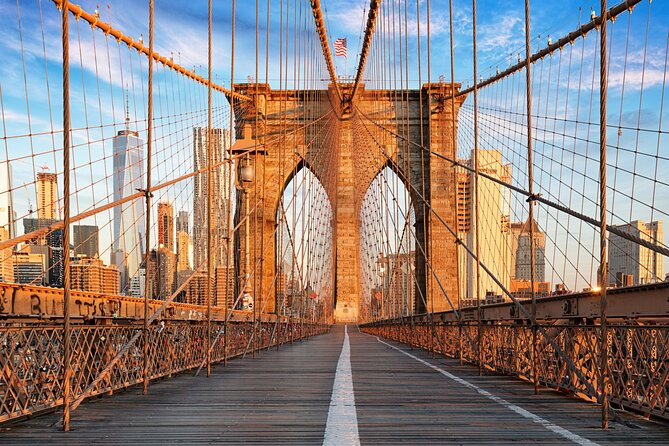
At $192.90 per person, you’re not buying a casual stroll. You’re paying for a private, focused history experience with an expert guide and structured stops built around African American history in New York City.
Here’s how the value math works:
- The tour is private and focused, so you are not competing for attention with strangers.
- Admission to the African Burial Ground National Monument is free with the 3 hour option. That can make the longer option feel like better value if you want the Visitor Center exhibits.
- The tour includes historical facts and myth-busting elements, which is useful when you’re trying to understand what’s been left out of the standard NYC story.
Also, the price includes a mobile ticket, and the provider offers group discounts, which can reduce the cost if you’re traveling with friends or family.
Who Should Book This Tour, and Who Should Think Twice
This tour is a strong fit if you:
- Want a downtown walking route that connects slavery to specific buildings and street features
- Care about African American history beyond surface-level overviews
- Prefer guided context that helps you connect daily life and resistance stories to real locations
You might think twice if you:
- Have limited tolerance for walking, since the route involves several stops and continued movement
- Feel uncomfortable with security screening at the African Burial Ground Visitor Center, even though it’s required for entry
The good news: it says most travelers can participate, so it’s not positioned as an extreme outing. It just isn’t a sit-and-stand experience.
Quick Tips to Make Your Visit Smoother
- Wear comfortable shoes, because you’ll be walking between multiple downtown points.
- If you choose the 3 hour option, treat the Visitor Center security check as part of the schedule, not an interruption.
- Bring a curious mindset. This tour works best when you look at roads, docks, churches, and civic buildings as evidence of how the city was built.
- Plan to take notes or save key names your guide mentions, like St. Paul’s Chapel and Trinity Church, so you can remember what to connect later when you see them again.
Should You Book This Slavery and African American History Private Tour in NYC?
If you want an organized, guided way to understand slavery and African American history across New York City’s downtown landscape, I think it’s an easy yes. The reason is simple: the tour doesn’t treat history as abstract. It points you to the roads, docks, churches, and burial ground that anchor the story in real places.
Choose the 3 hour option if you want the African Burial Ground Visitor Center experience, with its movie, images, artifacts, and exhibits. Choose the shorter option if you want a faster route without the Burial Ground admission portion.
Just go in expecting walking time and planning around the Visitor Center security check. Do that, and you’ll come away with a clearer sense of how New York’s most famous blocks connect to the people who were forced to build them.
FAQ
Where does the tour start?
The tour meets at the Benjamin Franklin Statue, opposite Pace University, at One Pace Plaza, New York, NY 10038.
How long is the tour?
It runs about 2 to 3 hours, depending on which option you select.
What is the difference between the 2 hour and 3 hour options?
The 3 hour option includes a visit to the African Burial Ground National Monument with free admission. The 2 hour option does not include free admission to the African Burial Ground National Monument.
Is the African Burial Ground admission included?
Admission to the African Burial Ground National Monument is free only with the 3 hour option.
Is this tour private?
Yes. It is private, meaning only your group participates.
Do I need to go through security at the African Burial Ground Visitor Center?
Yes. All visitors to the African Burial Ground National Monument Visitor Center must pass mandatory security checks.
More Private Tours in New York City



More Tours in New York City





More Tour Reviews in New York City



Not for you? Here's more nearby things to do in New York City we have reviewed









More New York City Tours to consider.
 ★ 4.7SUMMIT One Vanderbilt TicketsTickets from $4751,195 traveller reviews
 ★ 4.7Empire State Building Tickets – Observatory & MuseumTickets from $4725,757 traveller reviews
 ★ 4.6Statue of Liberty & Ellis Island with FerryTickets from $1918,683 traveller reviews
 ★ 4.5American Museum of Natural History TicketTickets from $3715,447 traveller reviews
 ★ 5.0New York in One Day Guided Sightseeing TourTickets from $9913,166 traveller reviews
 ★ 4.6Museum of Modern Art (MoMA) Entry TicketTickets from $3012,540 traveller reviews
 ★ 4.7One World Observatory Skip-the-Line TicketTickets from $3012,329 traveller reviews
 ★ 4.7New York CityPASS®: Save up to 41% at 5 Top AttractionsTickets from $15410,548 traveller reviews
More useful New York routes