

Review · HARLEM TOURS
Soul of Harlem: Strivers Row, Apollo Theatre, Gospel History
Harlem history punches above its two-hour clock. I like how this tour keeps you in a tight pocket around Striver’s Row and the Apollo Theatre, so the stories connect instead of feeling scattered. The gospel stop on Sundays also adds real sound, not just trivia. One caution, if the Apollo area is mid-renovation when you go, your view inside may be limited.
I also like the way the guide mixes big-name music legends with stranger, punchy details, like Fidel Castro being kicked out after having chickens in his room. Harlem’s past 400 years shows up as changing faiths, theaters, homes, and eating spots, not one static story. If you hate walking and standing for photo stops, this tour might feel a bit fast-paced.
At $49 for two hours, you’re paying for a live guide and a structured route that hits major cultural landmarks without eating up your whole day. On Sundays, you get skip-the-line access to a gospel experience at a local church, which is the kind of add-on that usually costs extra when you try to piece it together yourself.
Key things that make this Harlem tour worth your time
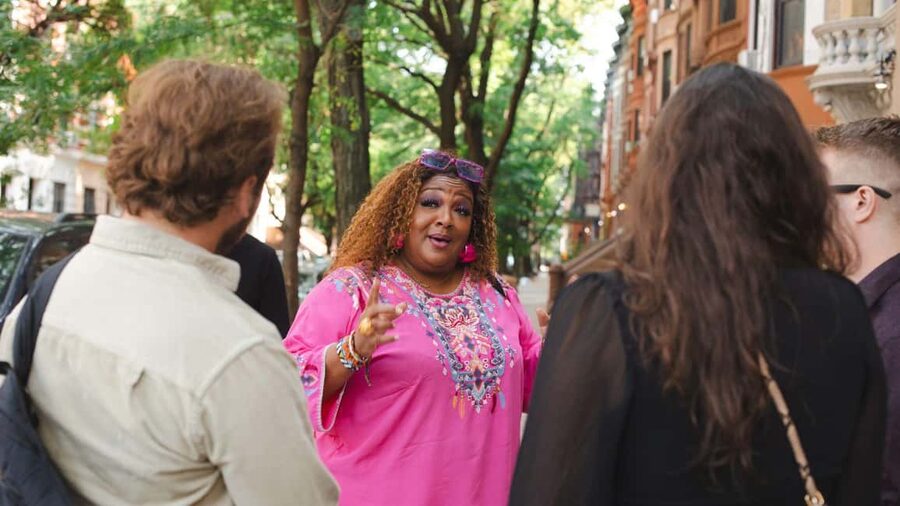
- A compact, high-impact route through music history and street-level storytelling
- Sunday gospel access that’s built into the tour plan, not an optional side quest
- Icon names plus oddball facts like Ella Fitzgerald and Duke Ellington, plus Castro and chickens
- Real stops you can see at places like Abyssinian Baptist Church and the Schomburg Center
- Guides with local energy, including examples like Altovise and Ron who are praised for humor and follow-up answers
A two-hour Harlem walk that keeps its focus
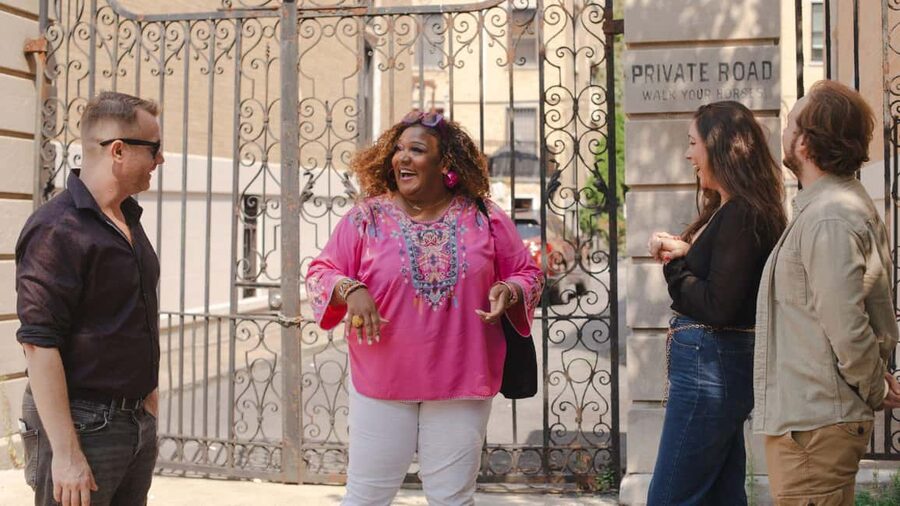
This is the kind of tour that respects your time. You get a guided walk through a concentrated area, so you’re not constantly guessing where to go next. In that tight radius, the guide can connect the dots between music, faith, politics, and everyday neighborhood life.
The best part is how Harlem’s 400-year story shows up as change. The tour frames the neighborhood as something that has repeatedly shifted through different ethnic and cultural groups and different socioeconomic eras. You’re not just handed facts, you’re shown how that kind of change creates new institutions, including worship spaces, theaters, and places people gather to eat or listen.
There’s also a clear “street story” tone. You’ll hear namedrop music history, then jump to a scene-level detail like Fidel Castro’s hotel situation, then back to the big cultural landmarks. That contrast is what makes it feel human instead of like a lecture.
You can also read our reviews of more historical tours in New York City



Starting at the Apollo Theatre, and why that matters
You can start at one of two locations, both tied to the Apollo Theatre area. The most direct option is 515 Malcolm X Blvd, Apollo Theater. This matters because the Apollo isn’t just another stop on a walking itinerary. It’s treated as a hub for why this neighborhood became a loud global stage for American music.
When the tour anchors itself near the Apollo, the rest of the route feels like a “follow the threads” kind of walk. The guide can return to themes you saw at the start as you move to churches, research culture, and neighborhood streets.
One practical point: your meeting point can vary by the option you book. I’d plan to arrive a few minutes early so you’re not sprinting around the Apollo block hunting for your group.
Ella Fitzgerald, Duke Ellington, and the streets that carry the music
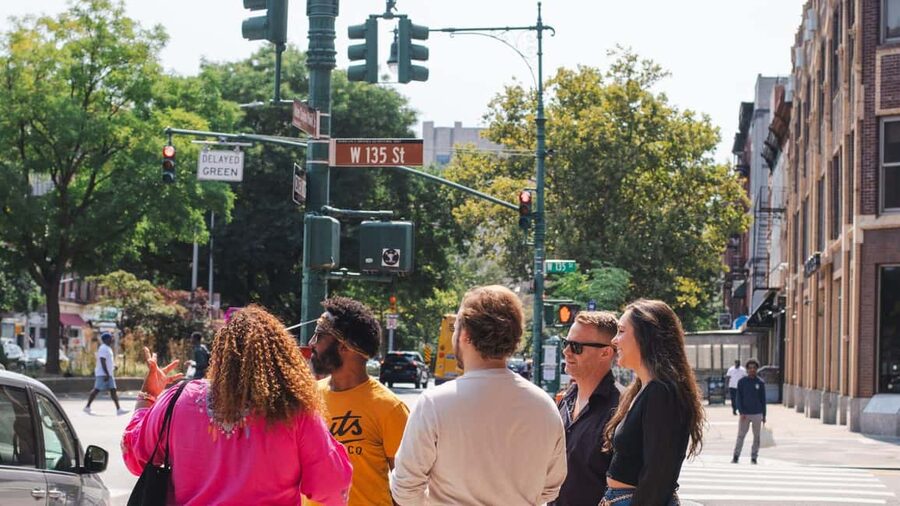
This tour does something smart with music history. It doesn’t treat Ella Fitzgerald and Duke Ellington as museum plaques. It uses them as signposts for why Harlem mattered beyond New York.
You’ll learn about the streets where cutting-edge Harlem Renaissance players put American music on the world map. That phrase is important, because it shifts the focus from fame to impact. The point isn’t just that these artists were talented. The point is that Harlem became a pipeline for music culture to travel outward.
And the guide keeps expanding the frame. Harlem isn’t only about performers. It’s also about institutions and gathering places, from theaters to places of worship. Once you start seeing that connection, the neighborhood stops feeling like a collection of unrelated landmarks.
Abyssinian Baptist Church and a Sunday gospel experience
One of the standout elements is the gospel piece. The tour includes skip-the-line access to a gospel experience on Sundays at a local church. That’s a big deal. Gospel is something you can’t fully recreate from photos or YouTube clips. If your travel dates include Sunday, build around this.
Even beyond the Sunday aspect, there’s a specific stop tied to worship and community: the Abyssinian Baptist Church. You’ll have a photo stop and a visit there, which gives you a chance to connect the tour’s music theme to real religious life in the neighborhood.
From a value perspective, this is where the $49 price starts to feel especially fair. A guided walk is one thing. A Sunday gospel experience, handled with direct access, is the kind of cultural encounter people usually have to hunt down on their own.
Schomburg Center for Research in Black Culture, a pause with purpose
The tour includes a photo stop and a visit at the Schomburg Center for Research in Black Culture. This is your “context checkpoint.” After walking through music legends and street-level stories, the Schomburg Center helps you connect the dots to documentation, preservation, and research.
Even if you only get a limited amount of time at each stop, a place like this reframes what you’ve been hearing. It moves the story from what happened on stage and on the block to how it gets remembered and studied. That makes the rest of the walking feel more grounded.
Practical tip: bring your curiosity. Don’t show up expecting every answer to land right away. The Schomburg Center can feel like a lot at first glance, so your guide’s framing helps you know what to look for.





Bill’s Place and Striver’s Row, where neighborhood life shows up
Midway through, you’ll have photo stops and visits tied to neighborhood identity. Bill’s Place Harlem is one of those stops. Since the tour keeps a walking rhythm with photo opportunities, it’s a chance to break from landmark-big-energy and look at the neighborhood as people experience it day to day.
Then comes Striver’s Row. You’ll get a photo stop and visit there, and this is one of the most discussed parts of the experience because it’s a symbol of aspiration and change in Harlem. You’ll also hear how the neighborhood has transformed across centuries, through shifting communities and different economic eras.
This is where I think the route earns its “Soul of Harlem” name. You’re not only tracking celebrated artists. You’re tracking the neighborhood’s own identity, including what people wanted to become, and how that hope left traces in streets and buildings.
Apollo Theatre again, with real-world expectations
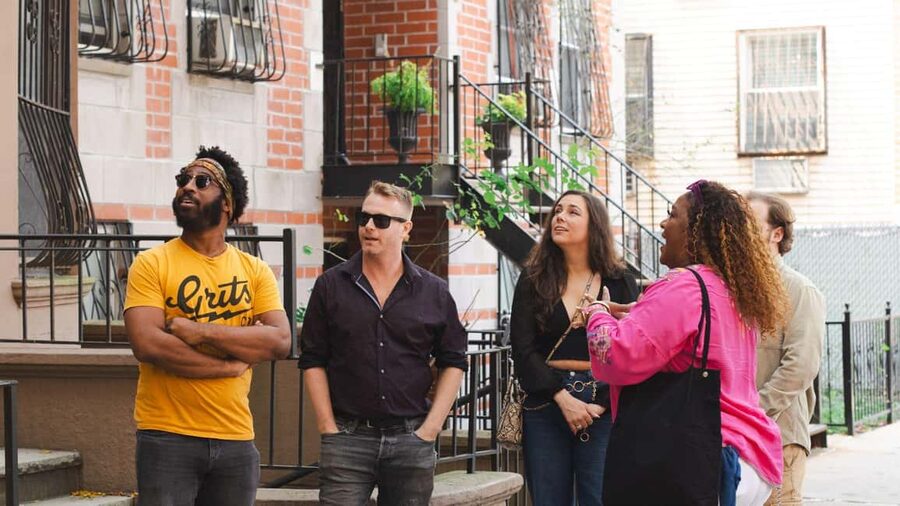
You return to the Apollo Theatre for a photo stop and visit. Starting near the Apollo and ending near the Apollo gives you a satisfying loop. The second pass helps the earlier music themes click into place with what you’ve picked up along the way.
Now, manage expectations. One review-style concern that matters for your planning is renovations. If the Apollo is under renovation when you visit, your ability to peek beyond the usual viewpoints may be limited. That doesn’t kill the experience, but it can change what you can see in person.
If you’re the kind of person who gets stuck when a building doesn’t match the fantasy in your head, keep your plan flexible. The tour is designed to keep the story moving even when access or sight lines aren’t perfect.
Memorial Baptist Church drop-off and how to plan your Sunday
Your drop-off locations can include Memorial Baptist Church and the Apollo Theatre, depending on the option booked. That means you can often end in a place that still feels central enough to continue exploring, rather than being dropped somewhere random far away.
On Sundays, the gospel experience is the main reason to pick this day. If gospel is a must-do, treat this tour as your anchor. Then build your other Harlem activities around it, so you’re not trying to schedule another heavy museum stop right before the service.
Price and pacing, what you’re really paying for
The price is $49 per person for a 2-hour guided tour. For a short window, that’s a solid deal when you factor in two things: a live guide who sets the story and handles the route, and the Sunday gospel access when applicable.
Two hours sounds short because Harlem is massive. But the tour is intentionally not trying to cover everything. It’s a focused loop, which is what keeps it from turning into a rushed “see everything, remember nothing” walk.
Pacing matters here. You’ll be moving at a walking-pace with photo stops and at least a few structured stops where you can look around with the guide. If you’re prone to getting tired quickly, wear comfortable shoes and keep water on your “grab it when you can” list.
A helpful detail: the tour is live-guided in English and wheelchair accessible. If you have mobility considerations, the fixed route and structured stops can make the day easier than planning a self-guided route with multiple transfers.
Guides that feel local, including Altovise and Ron
A theme in the experience is the guide’s personality and connection to the neighborhood. People talk about guides like Altovise as funny, energetic, and deeply connected to the community, with time for questions. Another guide, Ron, is praised for lively delivery and for showing up with documentation to back up what he says.
That matters because Harlem history is easy to turn into generic talking points. A good guide makes it specific and human. The best versions of this tour also handle logistics thoughtfully, with customer service that helps if your timing runs messy.
So if you’re picky about tour guides, this is one place to trust your instincts. When the guide is strong, the route becomes memorable instead of simply “informative.”
Who should book Soul of Harlem, and who might skip it
I’d recommend this tour if you want a guided Harlem experience that hits recognizable cultural anchors without spending your whole day in transit. It’s a great fit if you care about music history, enjoy learning through street stories, and want a Sunday option that includes a gospel experience.
You might want to skip or reconsider if:
- You only want to focus on one landmark, like spending long time inside the Apollo
- You dislike walking and photo-stop pacing
- You want a full day of Harlem without the structure of a short guided route
Also, if your dates aren’t flexible and gospel is a top priority, check that your travel day lines up with the Sunday gospel experience. The gospel access is Sundays only.
Should you book this one?
I think it’s a smart booking if you want value and focus. For $49, you get a live guide, a tight neighborhood route, major Harlem stops, and on Sundays the kind of gospel access that’s hard to duplicate on your own. It’s also built around the Apollo Theatre area and the cultural institutions that explain why Harlem influenced the world.
Book it if you like context, stories with both big names and surprising details, and a tour that respects your time. If you’re going mid-week and expecting Sunday gospel, make peace with the fact that that specific component only comes on Sundays.
More Historical Tours in New York City



More Tour Reviews in New York City
Not for you? Here's more nearby things to do in New York City we have reviewed








More Harlem Tours to consider.
 ★ 4.5NYC Highlights Tour: Bronx, Brooklyn, Harlem, Queens & ConeyTickets from $462,846 traveller reviews
 ★ 4.5Contrasts Tour of Harlem, The Bronx, Queens & BrooklynTickets from $392,167 traveller reviews
 ★ 4.7Harlem Hallelujah! Gospel Wednesday ConcertTickets from $251,638 traveller reviews
 ★ 4.7Harlem Gospel Live Music ConcertTickets from $281,479 traveller reviews
 ★ 4.0Harlem Sunday Morning Gospel TourTickets from $85995 traveller reviews
 ★ 4.04-hour Harlem Gospel Tour in New York CityTickets from $79935 traveller reviews
 ★ 3.9Harlem: Central Harlem Sunday Gospel with LocalsTickets from $25499 traveller reviews
 ★ 4.3Sunday Harlem Gospel Guided TourTickets from $89438 traveller reviews
More useful New York routes