
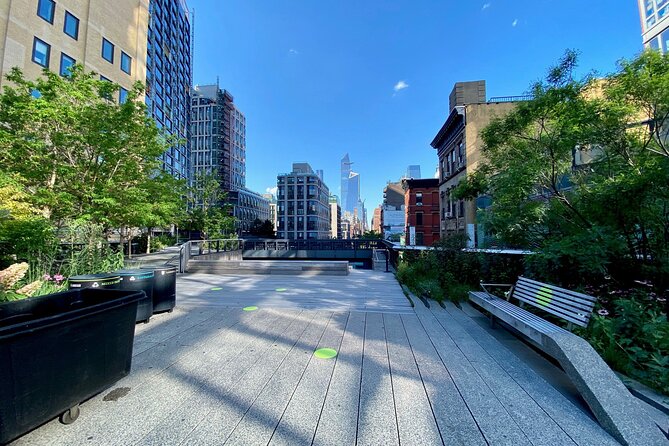
Review · HIGH LINE TOURS
The Story of the High Line Elevated Park and Hudson Yards
A freight rail line became your favorite walk. That is the hook of this video-based High Line experience, with a guided story that goes from 1800s Manhattan freight to the park you see today, plus the big shift into Hudson Yards. You get a virtual, block-by-block route, and you end with a downloadable PDF you can use to explore on your own.
I especially love how Kitt Garrett ties together history, architecture, and neighborhood change in a way that makes what you see make sense fast. I also like the practical add-on: a PDF map with addresses so you can match the stories to the exact spots when you walk the High Line later.
One possible drawback: this is not a live walk with your guide in the moment, so if you want real-time Q&A while you’re standing at each viewpoint, you’ll need to rely on the video and your own pace. And because it’s video playback based, it helps to have a stable connection in case a link acts up.
Key highlights
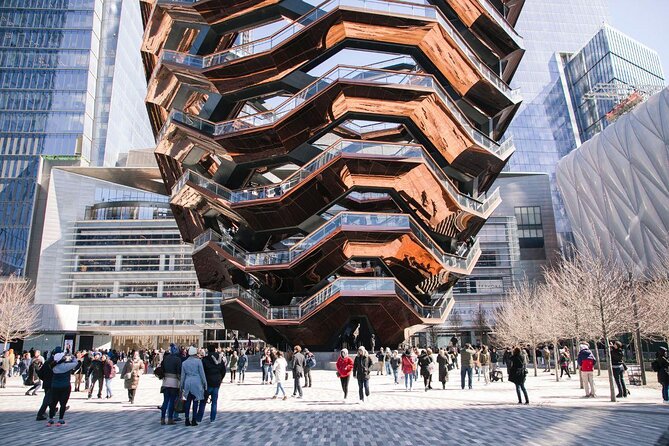
- Kitt Garrett narrates the High Line story with city geography, design, and neighborhood context
- Block-by-block virtual tour so you follow the route like you’re walking it
- Artists and architects are part of the story, not just the buildings
- PDF self-guided map includes addresses to help you locate key spots on-site
- Meatpacking District to Chelsea to Hudson Yards is explained as one evolving picture
- Perfect for groups up to 15 at a flat $25 per group
From Gansevoort Street to 20 Hudson Yards: what your route actually looks like
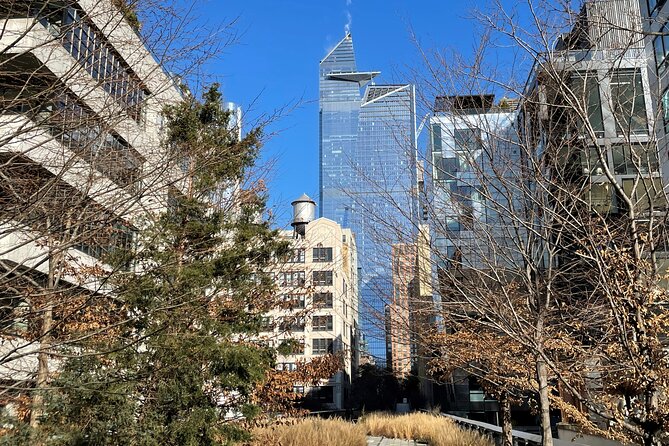
The experience is anchored by two real-world endpoints. It starts at Gansevoort Street (Gansevoort St, New York, NY 10014) and uses a mapped route that ends in the Hudson Yards area, specifically at 20 Hudson Yards (20 Hudson Yards is where you’ll find shops, restaurants, and restrooms).
Even though you’re watching and listening remotely, that start and end point matter. When you go to the High Line in person, you’ll have a mental spine for the walk, so you can stop at the spots that connect to the story you just heard.
Also, this is set up as a private activity, meaning only your group participates. If you’re traveling with family, friends, or a small group that wants to experience NYC at its own rhythm, that format can feel nicer than joining a larger crowd.
You can also read our reviews of more tours and experiences in New York City.



The High Line story, told as a timeline you can spot in the skyline
The core value here is that you do not just get a generic “this is cool” tour. You get the sequence: how rail freight arrived in Manhattan in the 1800s, why the tracks were put about 30 feet up, why the line was later abandoned, and who helped save the concept and turn it into the linear park people flock to today.
The narration follows the transformation across neighborhoods: the Meatpacking District, then toward Chelsea, and finally into the era where Hudson Yards becomes part of the same big urban change story. You’ll also hear how the Hudson Yards project is described as the largest private construction project in U.S. history, which helps you understand why this part of Manhattan looks like it’s always in motion.
One reason I like this approach is that it trains your eye. After the video, you start noticing how the city layers time on top of time. Buildings, streets, and uses shift, but the physical bones of Manhattan, including the rail corridor that became the park, still steer what happens next.
And yes, the High Line itself is framed as more than walking and views. The story points to the way the park became known for its design and artwork, and it gives you language for what you might notice when you’re up there.
Meatpacking District revival: why this stretch mattered before it was famous
The High Line did not appear in a vacuum. In this experience, you get the “why here” logic, especially around the Meatpacking District. You hear how the line’s original purpose connected to how goods moved in Manhattan, then how the neighborhood’s later comeback is tied to the park’s creation.
This matters for you because the High Line can feel like a postcard if you only focus on the scenery. The story gives the scenery a reason to exist. You’ll understand that the park is not just a pretty walkway, it’s part of a larger neighborhood reinvention that changed how people use the area.
I also like that the tour doesn’t treat the High Line as a single moment of success. It presents the change as something that happens over time, with stages. That keeps the experience grounded, especially if you’ve been to Manhattan before and you’re wondering why this area seems to “flip” every decade.
Chelsea and Hudson Yards: spotting how neighborhoods evolve together
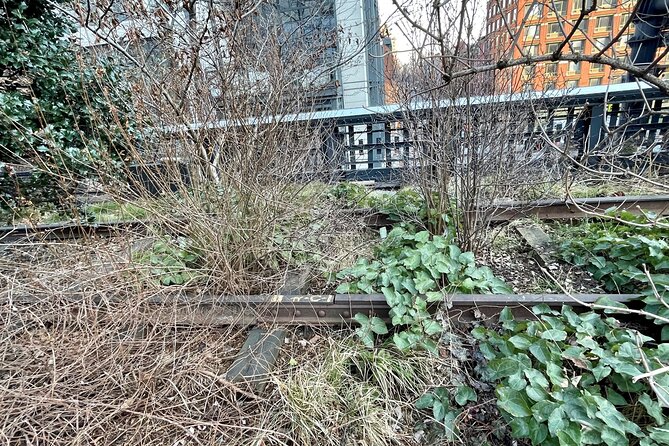
After the Meatpacking storyline, the experience pushes you forward block by block through the corridor’s surroundings, including Chelsea. You get the idea that the High Line is a thread through changing neighborhoods, and it helps you connect what you see now with what came earlier.
Then you land on Hudson Yards as the “bigger picture” finale. Hudson Yards is not only mentioned as a place to end the route. It’s framed as the massive construction era that transformed this part of Manhattan in scale and ambition.
If you’re the kind of traveler who likes to understand context, this ending can be especially satisfying. A lot of NYC sights are separate islands. Here, you get a sense of how an abandoned rail line, turned park, ties into the new development that followed nearby.
And if you’ve ever felt overwhelmed by modern Manhattan, this kind of story helps you organize it. You start treating the skyline like a timeline instead of a jumble of shapes.
Kitt Garrett’s style: engineering meets neighborhood storytelling
You spend about 1 hour 48 minutes on this experience, which is a good length for a focused session without burning your whole day. Kitt Garrett’s approach is part history lesson, part architecture awareness, and part city geography, so you’re not only hearing what happened, you’re learning how to look for it.
One praised aspect of the tour is the range of the material, described as moving from earlier eras through modern day, with a strong sense of how geography and trade shaped the story of the corridor. I think that’s useful because Manhattan’s present-day look is the outcome of decisions made way earlier, including how goods traveled and where they needed to go.
Another thing I like is that the tour includes the people behind the transformation. You hear about the artists and architects who made the High Line what it is today, so you get credit where it belongs. It also helps you understand that “public space” is not automatic. It’s designed, negotiated, and built by real humans with specific visions.
If you enjoy side facts, you may also find the narration playful. One highlight from the feedback notes that the tour can connect to unexpected stories, including references that go beyond the High Line itself. That keeps the experience from feeling like a single-topic lecture.



Using the PDF self-guided map so your walk feels planned
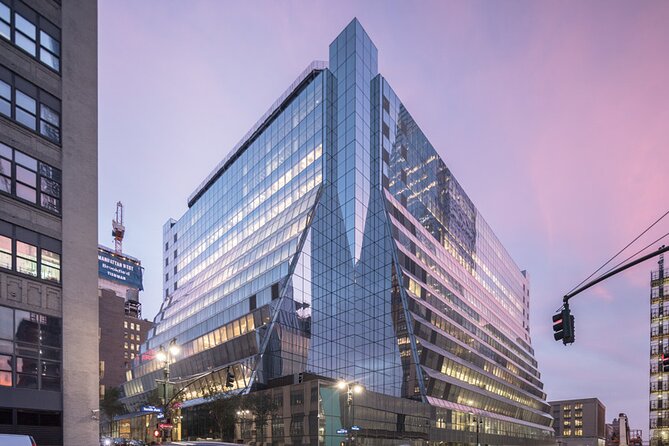
The downloadable PDF is where this experience becomes more than a video you watch and forget. The PDF is built for self-guided exploration, and it includes a detailed map plus addresses so you can match the narration to specific buildings and spots along the route.
It also includes lists connected to what you’re looking at, including architects. That detail helps a lot when you’re standing on the High Line and trying to remember what the guide said five minutes earlier. Instead of relying on memory, you can use the PDF like a checklist.
Here’s how I’d use it in a practical way:
- Watch the video first so the corridor has a storyline in your head.
- When you go in person, open the PDF and use it to choose which viewpoints you want to hit.
- Take photos you can later label or sort, because the addresses and map make your pictures easier to understand later.
One helpful tip from the experience feedback: you can use the PDF details for photography planning, and then organize your memories with a photo-based workflow if you’re already using it. Even if you don’t, the main point stands. The map helps you take the walk from random to intentional.
Price and value: $25 per group up to 15, and why that changes the math
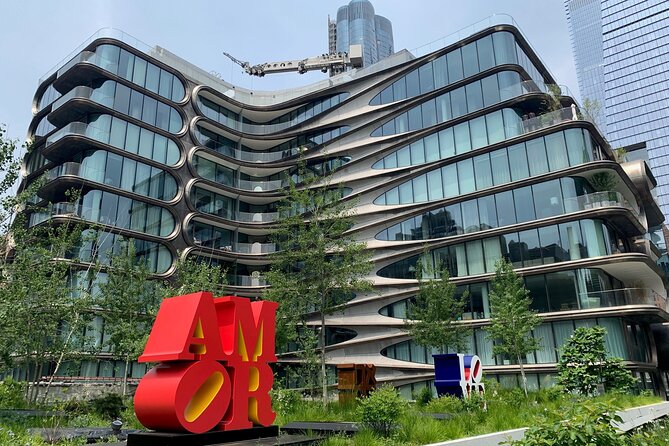
The price is $25.00 per group (up to 15), with a mobile ticket. For solo travelers it’s still a fair way to learn before you walk, but the real value shows if you’re traveling with others.
A group format means you’re not paying per person for every traveler in your party. If you’re a couple, a family, or a small circle of friends, it’s one flat cost that covers the whole viewing session. That can make the experience feel like a low-risk add-on compared with traditional guided options.
Also, this kind of tour is flexible. You get a 1 hour 48 minute session that you can fit around your NYC schedule, then you can walk it afterward at your own speed using the PDF. That’s smart in a city where plans often shift.
If you’re traveling with kids, the feedback specifically points out that the tour can work well for younger people, and that it includes easily grasped “story beats” instead of only dense facts. Even if your kids are not architecture nerds, the neighborhood change angle is usually easier to connect with than technical engineering alone.
When to do it: before your High Line walk or after for a sharper memory
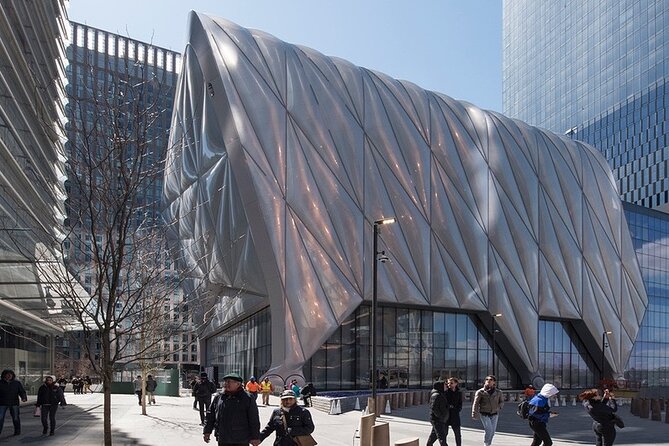
Timing is one of the easiest ways to get more value out of this. If you watch first, you’ll recognize locations sooner when you’re on the High Line. The block-by-block format gives you a route logic, and the PDF helps you turn that logic into actual stops.
If you watch after, it becomes a “memory upgrade.” You’ll revisit places you’ve already seen and notice details you missed the first time. Either way, the PDF keeps the experience tied to real addresses rather than vague impressions.
Either approach works with how this is structured. It’s designed to be a virtual walk plus a self-guided tool. So your best choice comes down to how you like to travel: learn first, then do. Or do first, then learn what you saw.
Practical tips for your on-site visit once you’ve watched
This experience gives you context, but your on-site success depends on simple, real-world choices. Since the High Line is about 30 feet up, treat it like an elevated walkway with lots of open sightlines. Bring comfortable shoes and expect to spend real time walking and stopping.
Use the PDF to pick your priorities. Not every visitor needs the entire corridor in one go. If you want the story to feel coherent, focus on the points connected to the big turns in the narrative: the Meatpacking District shift, the Chelsea stretch, and the Hudson Yards finale.
Also, when you plan your finish, remember the tour’s end point is in the Hudson Yards area at 20 Hudson Yards, which you can use as a practical anchor for restrooms and a meal. That’s a small detail, but it helps you avoid the usual NYC scramble at the end of a long walk.
Finally, check the format in advance. The guide provides a mobile ticket, and the experience involves video playback. If you rely on a phone or shared Wi-Fi, make sure you test it ahead of time so you’re not stuck troubleshooting right when you’re ready to start.
Should you book the High Line story and PDF?
I think you should book this if you want to walk the High Line with a guide in your pocket, not just a list of stops. The best part is the combination: a clear narrative (rail line to park to Hudson Yards) plus a practical PDF with addresses that lets you turn the story into a self-guided walk.
Skip it or consider another option if you want a live guide walking beside you with real-time answers at each viewpoint. This experience is structured around virtual listening and self-guided follow-through, not in-person pacing with a person pointing things out on the spot.
If you’re a history buff, an architecture watcher, or you simply want a better way to understand why Manhattan looks the way it does now, this is a solid use of $25. You come away with city context, and you get a map you can actually use the moment you step outside.
FAQ
How much does the High Line story and PDF experience cost?
It costs $25.00 per group, up to 15 people.
How long is the experience?
It runs about 1 hour 48 minutes.
Is this a private tour or shared with other groups?
It is private, so only your group participates.
How do I get access to the experience?
You receive a mobile ticket.
Where do the route endpoints start and end?
The start is at Gansevoort Street, and it ends in the Hudson Yards neighborhood at 20 Hudson Yards.
Does it include a PDF for exploring on your own?
Yes. You can download a PDF and use it for a self-guided tour.
What are the operating hours shown for the experience?
The listed hours are Monday to Sunday from 12:00 AM to 11:30 PM for the period shown (05/16/2021 to 06/06/2026).
Is it refundable if plans change?
No. It is non-refundable and cannot be changed for any reason.
Is it accessible for people with service animals?
Service animals are allowed, and most travelers can participate. It is also near public transportation.
More Tour Reviews in New York City
Not for you? Here's more nearby things to do in New York City we have reviewed









More High Line Tours to consider.
 ★ 5.0High Line and Chelsea Small Group TourTickets from $391,238 traveller reviews
 ★ 5.0Chelsea Market and High Line Guided Food TourTickets from $88827 traveller reviews
 ★ 5.0High Line Park and Greenwich Village Food TourTickets from $159398 traveller reviews
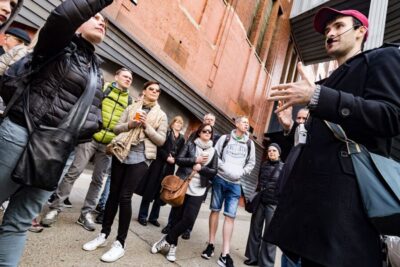 ★ 4.9High Line, Chelsea, & Meatpacking District Walking TourTickets from $39195 traveller reviews
 ★ 5.0Foods of NY Tours Chelsea Market Food Tour & High Line ParkTickets from $99141 traveller reviews
 ★ 4.2Hudson Yards & High Line Tour with Optional Edge TicketTickets from $49125 traveller reviews
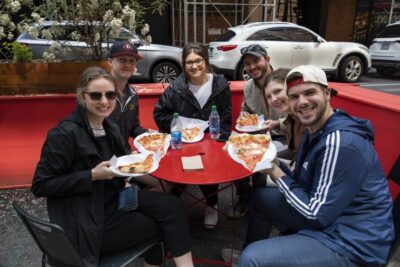 ★ 4.8Chelsea Market, Meatpacking, High Line Food TourTickets from $88123 traveller reviews
 ★ 5.0Semi-Private Meatpacking District, Chelsea Market, and High Line Walking TourTickets from $3988 traveller reviews
More useful New York routes