
Review · WALKING TOURS
Tribeca Architecture And History Walking Tour
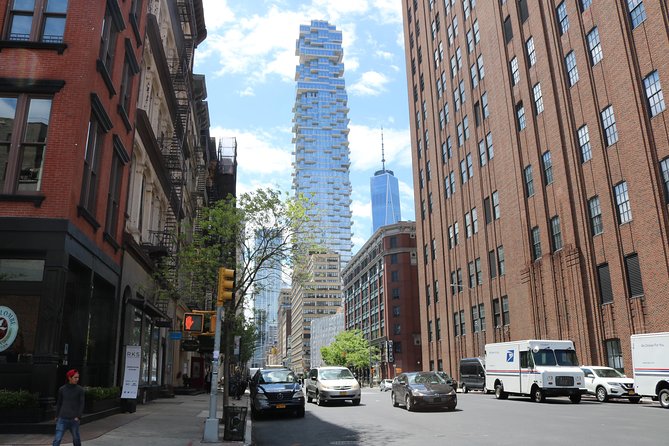
TriBeCa is where NYC history gets stylish. This walking tour strings together 300 years of Manhattan change and some of the neighborhood’s most expensive architecture, with a fun bonus stop at the Ghostbusters Firehouse for an easy photo. I also like that the tour doesn’t require any architecture know-how, and it still makes the buildings click. One thing to consider, this is mostly an outdoor walk, so comfortable shoes and weather planning matter.
If you want a Lower Manhattan update that feels more lived-in than textbook, this is a great fit. With a maximum group size of 15, it stays conversational and you get time to ask questions rather than just follow a ribbon of people. Guides like Meghan Sara (and other engaging guides) tend to mix sharp details with stories that keep the pace moving.
You’re paying for guided access to details you’d normally walk past. If you expect lots of indoor museum time or lots of sitting, you may feel a bit on your feet for 2.5 hours.
Key highlights you should know before you go
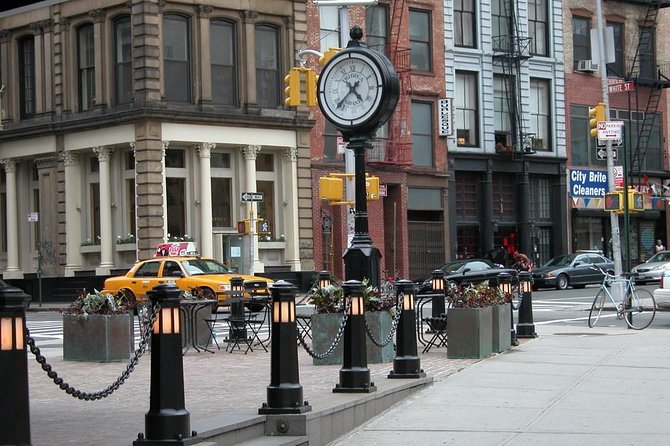
- 15+ photo stops and building viewpoints, planned so you can actually see what you’re paying to learn
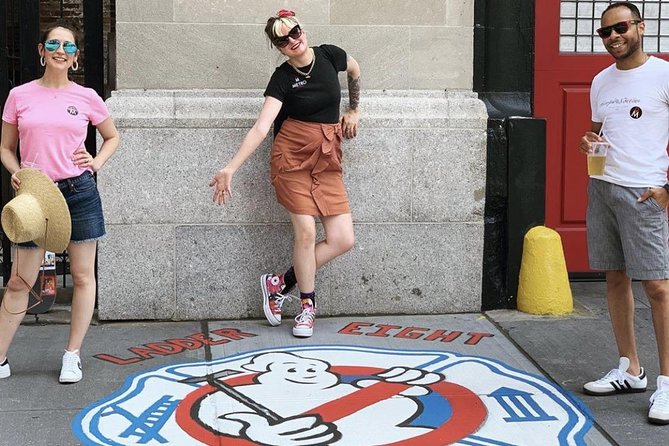
- GhostBusters Firehouse (Company 8), plus context beyond the movie moment
- TriBeCa’s farmland-to-fame story, explained clearly even if you know nothing about architecture
- Small group size (up to 15), which makes the tour feel personal without being crowded
- Mobile ticket entry, easy to handle the day of
- Manhattan Recommendation Guides included, useful for lunch and dinner after the walk
Why Tribeca Went From Farmland to a Celebrity Zip Code
Tribeca is one of those NYC neighborhoods where the present day looks effortless, but the path there was anything but. The tour frames the area as a long arc of change, from early Manhattan land use into an address people fight to live in now. You’ll hear how the neighborhood got its name and why it developed a distinct identity all its own.
What I like about this angle is that it turns architecture into a story you can track. Instead of treating buildings like random photo backdrops, you learn why they’re here and how they fit the neighborhood’s evolution. That matters because Tribeca can look “modern” at street level, but the bones of the place go way back.
Expect the guide to connect architecture choices to what people wanted over time, from practical early development to later redesign and investment. It helps you leave the tour seeing patterns, not just single sights.
You can also read our reviews of more walking tours in New York City



The 11:00am Walk: Timing, Distance, and What 2.5 Hours Means
The tour starts at 11:00am at the Tweed Courthouse, 52 Chambers St (near public transportation). It runs about 2 hours 30 minutes and ends in Tribeca near 8 Beach St, with the finish at Tribeca Park, a park with history reaching back to the early days of New York City.
That end point is a nice touch. You’re not just dropped on a busy sidewalk and told good luck. You end in a green pocket that matches the tour’s theme of long timelines, because the park area ties back to what was happening at the start of the city.
Also note the tour visits over 15 locations, with stops for photos and explanation. That sounds fast on paper, but it usually works out well for a walking format like this: short bursts of viewing, then story time, then you’re moving again. If you’re the type who hates being dragged from stop to stop, you’ll still probably appreciate the pacing here.
TriBeCa Architecture You Can Spot Without an Architecture Degree
You do not need specialized knowledge to enjoy this tour. The whole pitch is that you’ll be shown the details that make buildings worth stopping for, and you’ll learn how to look at what you’re seeing.
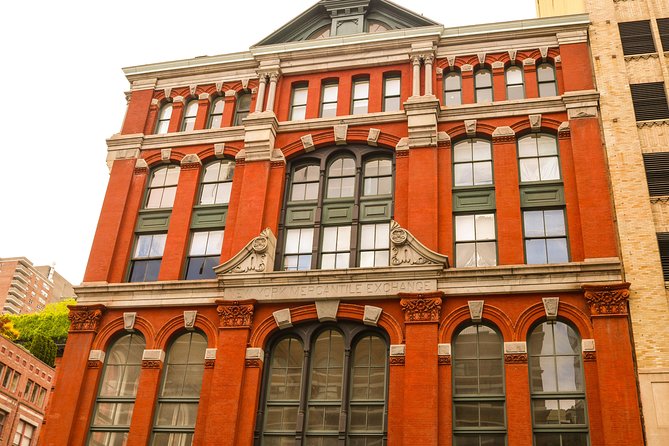
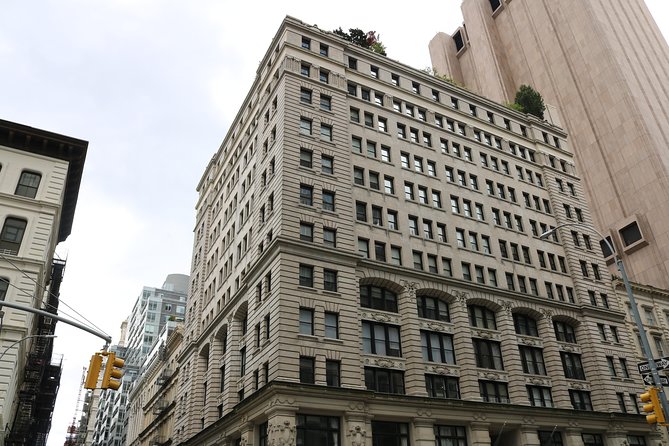
One standout mentioned in the experience is cast-iron architecture. If you’ve ever stared at older NYC facades and wondered why they look so crisp and patterned, this kind of tour helps you recognize the features that create that look. You also get stories that explain why these buildings became part of Tribeca’s visual identity.
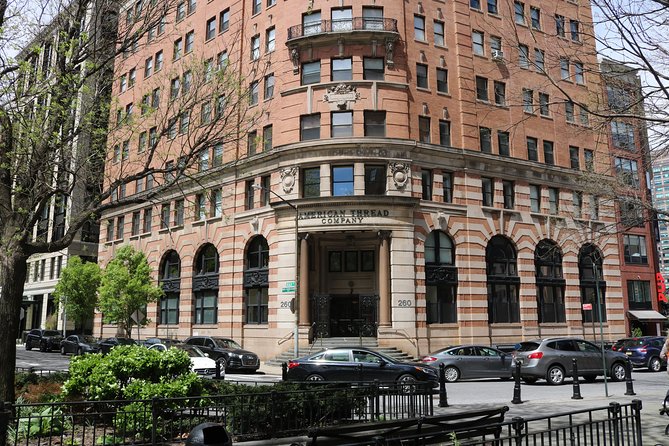
The key is how the guide slows you down. You’ll be guided toward details you might otherwise walk past: proportions, materials, and the little design choices that signal a building’s era and purpose. That’s the value of guided architecture in a neighborhood like this. Buildings here can look similar at first glance, but once you know what to look for, the differences become obvious.
And because the group is capped at 15, it’s easier to keep the whole conversation moving. You’re not shouting over each other, and the guide can keep pace with the group’s attention level.
The Ghostbusters Firehouse Stop You’ll Actually Understand
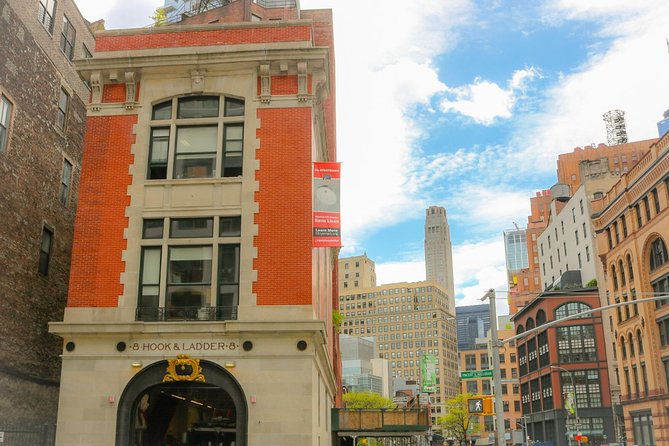
This is one of the most famous fan photo moments in the area, the Ghostbusters Firehouse Company 8. The tour doesn’t treat it as a quick stop for a picture and then move on. You’ll learn how the firehouse is far more than a movie prop.
Why that matters: pop culture locations are fun, but they can also be shallow if you only get the trivia. Here, you get context so the building becomes part of Tribeca’s real-world story. That helps you connect the neighborhood’s identity to the kinds of civic and street-level institutions that shaped it.
Practically, it’s also a low-stress “anchor” stop. Even if architecture details don’t fully click at the start, this point gives you a clear moment to refocus. Snap your photo, then listen to the explanation so you’re not just doing sightseeing by habit.
What You Get for $50, and Why It’s Decent Value
At $50 per person for about 2.5 hours, you’re paying for the guide’s time and the route planning that gets you to 15+ meaningful stops. In other words, you’re not just buying the right to walk around Tribeca. You’re buying someone to point out what you’d miss.
Two value points make this feel more “worth it” than a generic stroll. First, the tour includes Manhattan Recommendation Guides. Those are useful after you finish, especially if you want quick ideas for lunch or dinner without a lot of searching. Second, the small group size of up to 15 generally makes it easier to ask questions and stay engaged, which keeps the learning payoff high.
The only clear downside on the value side is what’s not included: snacks. If you’re taking the 11:00am start, you’ll likely want water and a plan for food later, because the tour is long enough to build hunger. If you tend to get grumpy when you’re hungry, bring a small plan even if you’re not bringing snacks to the tour itself.
You can also read our reviews of more historical tours in New York City






Pacing, Breaks, and Handling Heat or Rain
This is a walking tour, so comfort isn’t optional. The experience requires good weather, so it’s the kind of activity where NYC reality matters. If conditions are rough, you may be offered a different date or a full refund.
Within good weather, the pacing seems designed to keep people moving without feeling rushed. People highlighted that guides account for hot days with sensible pauses, like planning a quick break and even finding simple refreshment options. There’s also mention of practical stops like bathroom breaks and occasional chances to duck inside briefly when possible.
Even in unpleasant weather, the tour can still work because it’s structured around short viewing and story segments rather than long stretches of standing still. Bring layers if the forecast looks uncertain, and wear shoes you trust. Tribeca sidewalks can be a mix of smooth and cracked surfaces, and you’ll cover enough distance that blister prevention is smart.
Where the Tour Ends Matters for Your Next Step
Ending in Tribeca Park gives you a clean, graceful finish. Since the tour ends at 8 Beach St, you’re positioned in a part of the neighborhood that makes it easier to keep exploring afterward without needing to backtrack across town.
The park’s history link to the early city also echoes the tour’s theme. You start near the Tweed Courthouse and finish with a setting tied to the beginnings of New York City. That framing helps the story feel complete, not just scattered across random addresses.
This ending point is also handy if you’re meeting someone else. You can plan a nearby coffee, take a breather, and decide what you want next, whether that’s more walking, a museum detour, or just sitting with a view of the neighborhood.
Who Should Book This Tribeca Architecture and History Walk
This tour fits best if you like neighborhoods with layers. It’s a good match for first-time visitors who want to understand what makes Lower Manhattan feel different block to block, and it’s also a solid choice for locals who want a fresh angle without doing the heavy research themselves.
It also seems to work for mixed groups, including families. Even when someone in the group wasn’t a big fan of walking tours, the combination of architecture details plus pop culture like Ghostbusters helped keep attention. The guide approach is usually upbeat, with humor and storytelling that makes the facts stick.
I’d consider skipping it if you:
- Want mostly indoor time
- Hate walking for about 2.5 hours
- Prefer broad history lectures over architecture-specific look-and-learn
Practical tips for meeting at 52 Chambers St
Start location is the Tweed Courthouse, 52 Chambers St. Because the tour is near public transportation, you don’t need a car plan, which is a big plus in NYC. Go a few minutes early so you can meet your group without rushing.
Since it’s a mobile ticket experience, keep your ticket ready on your phone. Service animals are allowed, and the tour says most travelers can participate, so you should feel comfortable planning around it if you’re generally able to walk.
The smart move is camera-ready. You’ll have multiple picture stops, and Ghostbusters Firehouse is the obvious one, but the architecture scenes across Tribeca are the other reason people enjoy the walk.
Should You Book This Tribeca Architecture and History Walking Tour?
Yes, if you want an easy way to turn Tribeca from trendy storefronts into an actual story of 300 years of change. The price is reasonable for a guided walk that includes 15+ stops, and the included Manhattan Recommendation Guides add real after-tour value. The Ghostbusters Firehouse stop also makes it fun even if architecture isn’t your usual thing.
Skip it only if you’re looking for mostly indoor entertainment or you know you can’t handle long outdoor walking. Otherwise, this is the kind of tour that leaves you better at noticing the city you’re standing in.
FAQ
How long is the Tribeca Architecture and History Walking Tour?
It runs for about 2 hours 30 minutes.
What time does the tour start?
The start time listed is 11:00am.
Where does the tour start and end?
It starts at Tweed Courthouse, 52 Chambers St, and ends in Tribeca near 8 Beach St, with the finish at Tribeca Park.
How much does it cost?
The price is $50.00 per person.
Is the tour ticket mobile?
Yes, it uses a mobile ticket.
What is included in the price?
The tour includes Manhattan Recommendation Guides.
Are snacks included?
No, snacks are not included.
What happens if weather is poor?
The experience requires good weather. If it’s canceled due to poor weather, you’ll be offered a different date or a full refund.
More Walking Tours in New York City


More Tours in New York City






More Tour Reviews in New York City



Not for you? Here's more nearby things to do in New York City we have reviewed









More Walking Tours to consider.
 ★ 5.0SoHo, Little Italy, and Chinatown Walking Tour in New YorkTickets from $393,153 traveller reviews
 ★ 5.0Secrets of Grand Central Station Walking Tour New York CityTickets from $391,796 traveller reviews
 ★ 5.0Greenwich Village Walking and Food Tasting TourTickets from $941,572 traveller reviews
 ★ 5.0Artistic, Alternative Greenwich Village Walking TourTickets from $39971 traveller reviews
 ★ 5.0True Crime NYC: Mafia Walk w/Ret. NYPD Detective and Local FoodTickets from $75848 traveller reviews
 ★ 5.0Central Park Guided Walking TourTickets from $44774 traveller reviews
 ★ 4.6Private Walking Tour with a LocalTickets from $55771 traveller reviews
 ★ 5.0NYC Lower East Side Walking and Food TourTickets from $94646 traveller reviews
More useful New York routes