
Review · 9/11 MEMORIAL TOURS
World Trade Center, 911 and Ground Zero Walking Tour
This block teaches the city to heal. In a single, well-paced Ground Zero walking tour, you connect the new World Trade Center with the memorial spaces, the architecture, and the rescue stories. I like how the guide keeps it moving, with smart stops that help you understand what you are seeing, not just where you are standing.
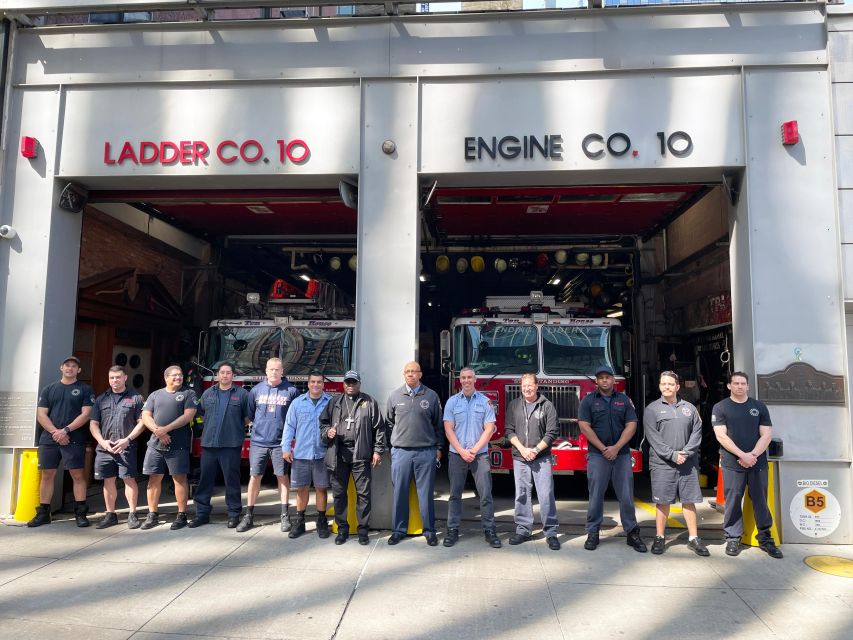
Two things I really like are the photo time-capsules that compare destruction and rebirth, and the FDNY angle led by Captain John Jonas and his team, the Dragon Fighters. You also get the kind of narrative detail that makes the day feel human, from rescue by sea to rebuilding details around the complex.
One consideration: it is a lot of meaning for one half-day, so wear comfortable shoes and be ready to keep up. If you also add optional museum or observatory time, plan for a longer day than just the stated 4 hours.
Key highlights that make this tour worth your time
- FDNY Dragon Fighters storytelling with Captain John Jonas as the guiding thread for parts of the walk
- Photo time-capsules that visually compare the before-and-after of the site
- Operation Aegis on the water rescue story, including the scale of evacuations
- Reconstructed Winter Garden viewing, including what makes that glass pavilion such a signal of return
- Eleven Tears Memorial stop, honoring the eleven American Express employees lost
- Survivor Tree and design details that explain resilience and rebuilding
Meeting on Dey Street, then orient fast at the new complex
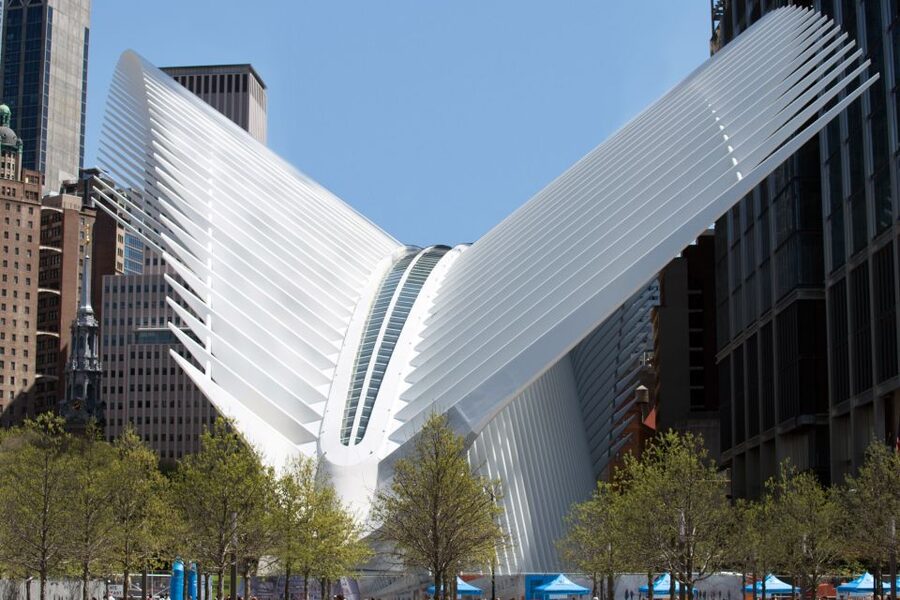
The tour starts at a Starbucks on 20 Dey Street, right where you can see how this whole area was rebuilt into a modern transit and commercial hub. The guide meets you inside the Starbucks cafe, and if you look out for landmarks, you will notice Century 21 across the street and the Mercer Lab Museum near that corner.
What I like about starting here is timing and orientation. The area around the Oculus and nearby transit is part of the modern identity of the World Trade Center site, so it makes sense to start with symbolism and then walk outward, instead of jumping straight into memorial-only vibes.
You may also see multiple starting location options when you book, but the concrete meeting point described for the most common start is the Starbucks on 20 Dey Street. Either way, arrive a few minutes early so you do not stress about finding the right group.
You can also read our reviews of more walking tours in New York City


Starbucks-to-memorial: why the symbolism matters before you reach the pools
Before you get to the memorial spaces, the guide talks about how the new World Trade Center hub connects to the larger World Trade Center site. This is not a random prelude. It is the setup that helps you understand why the buildings, the layout, and even the skyline lines feel intentional.
Then you head toward the World Trade Center Memorial Plaza, where the tour focuses on a guided 2-hour walking portion. This is a smart duration for a guided memorial experience, because you can absorb it without feeling rushed the whole time.
9/11 Memorial Pools with photo time-capsules you can actually compare
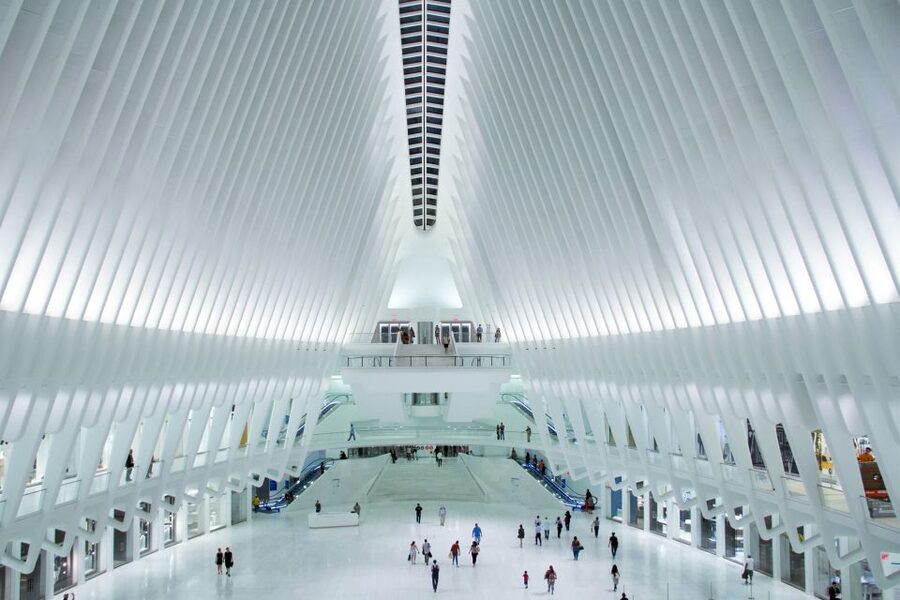
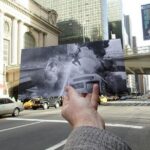
At the 9/11 Memorial Pools, the tour does something I really appreciate: it uses photo time-capsules to compare destruction and rebirth. That technique turns the area from a set of sights into a timeline you can see.
Instead of relying only on spoken history, you get a visual cue that helps you track what changed. For me, that is the difference between hearing that the site was rebuilt and understanding how the rebuilt form connects to what was lost.
If you are sensitive to emotional intensity, keep your own pace here. Even when a guide is sensitive and clear, the memorial setting is still heavy. The benefit of a guided visit is that you get structure, so you are not left trying to figure out what to notice on your own.
The overlook stop: one view of One World Trade Center, reflecting pools, and the museum
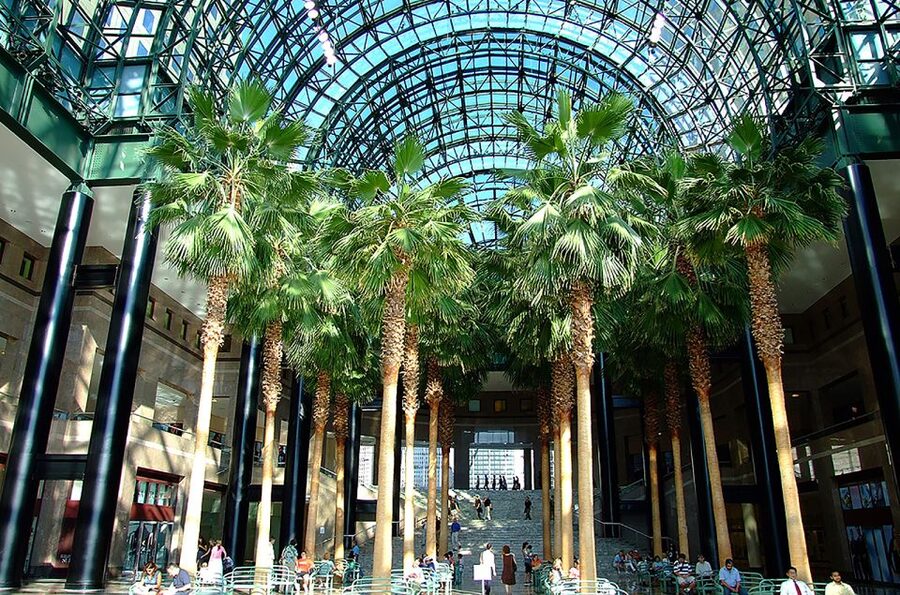
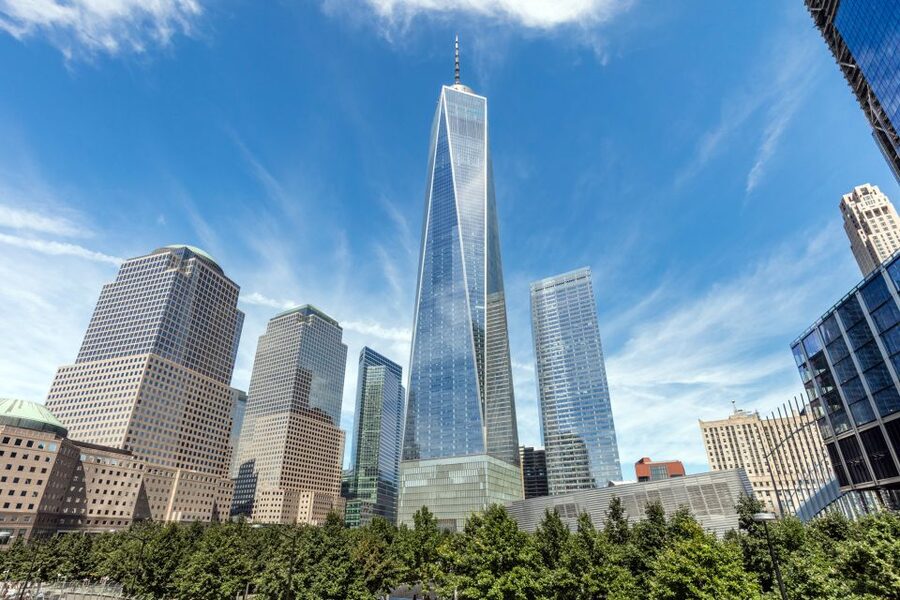
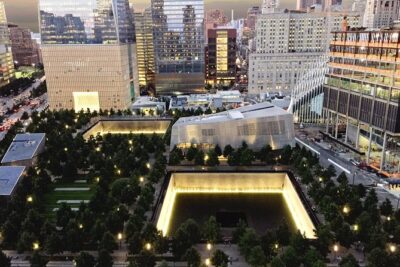
After the memorial pools, the tour includes an overlook with a wider vantage point of the entire complex. From there, you can see the full layout, including One World Trade Center, the Reflecting Pools, and the 9/11 Museum.
This stop is practical. When you can see the whole complex at once, you understand how the pieces relate, and the rest of the walk starts to make more sense. It is also a good moment to regroup if you have been absorbing a lot of names, details, and architectural elements up to that point.
Try not to treat this as a photo moment only. Use it to mentally map what you will hit next, because the tour continues through multiple themed stops.
FDNY Dragon Fighters leadership with Captain John Jonas
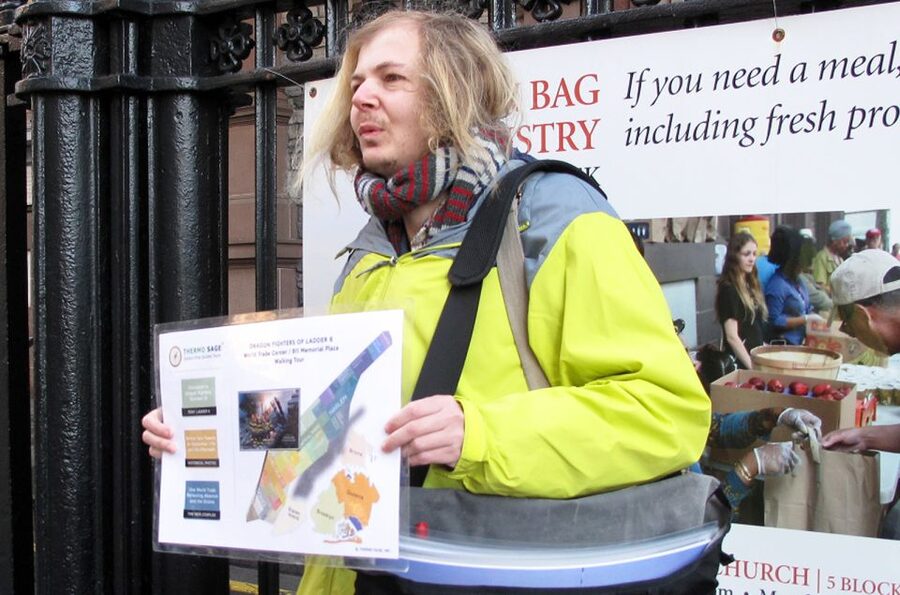
One of the most praised parts of this experience is the FDNY perspective. The tour follows Captain John Jonas and his team, the Dragon Fighters, which adds a first-responder lens to what you are seeing around the site.
I especially like that the guide keeps the focus on what matters: people, actions, and the way emergency response shaped the story of that day and the rebuilding afterward. In the accounts provided, guides like Andrew and Frank were highlighted for being very educational, and Frank specifically stood out for unique insight into the innocent people, emergency workers, buildings, and events surrounding 9/11. That tone matters, because it avoids turning the day into just architecture facts.
Even if you already know the basics of 9/11 history, this segment helps you see the site through the lived urgency of rescue and response. That is a different kind of understanding than reading plaques alone.




World Financial Center and Operation Aegis, the sea rescue story
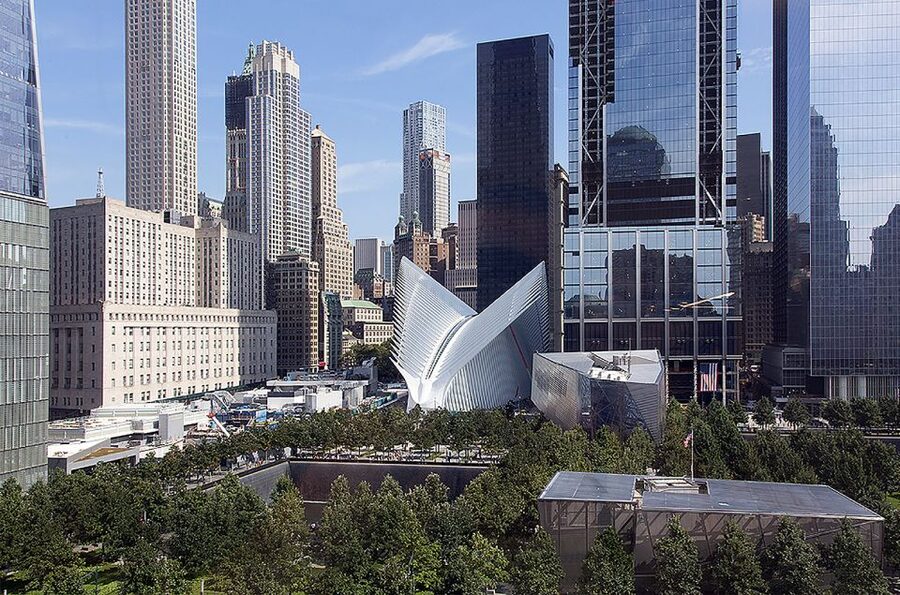
Next, you move toward the World Financial Center and the North Cove Yacht Marina area. This is where the tour introduces Operation Aegis, described as the largest rescue by sea in history, with over 500,000 civilians evacuated by watercraft of all sizes.
I like this stop because it adds a scale detail that most people do not keep in their head. The memorial spaces are about loss and remembrance, but a complete story also includes the logistics of rescue. Operation Aegis shifts your view toward what coordination and improvisation looked like in real time.
It is also a clever tie-in: the site is built for movement now, and that water-and-evacuation angle reinforces that people were trying to get away, not just trying to endure. If you are the kind of traveler who likes context, this is one of the strongest parts of the tour.
Winter Garden rebuilt: the glass pavilion that signals return
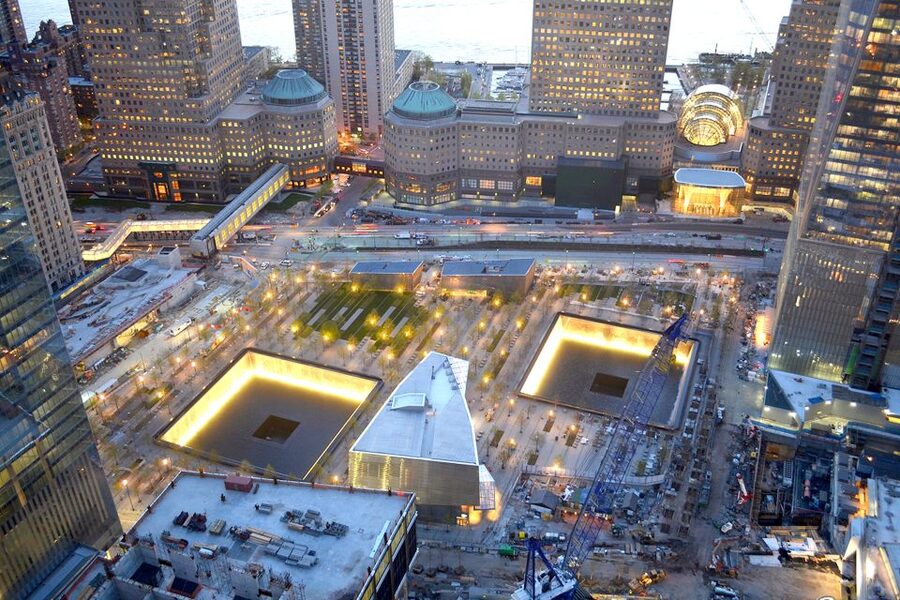
The route continues to the reconstructed Winter Garden, described as a $60 million, 10-story glass pavilion that was devastated during the September 11th attacks. Standing in front of a reconstructed space like this, you can feel how the redesign choices become part of the story of rebuilding.
What I think makes this stop valuable is not just the cost or the height. It is the way a clear, light-filled space communicates return and continuity. Even if you focus on the architectural features, the guide connects them to what happened and what was rebuilt.
One practical note: glass pavilions can be bright on sunny days. If you wear glasses, bring them and consider sunglasses, since light reflection may affect how comfortable you are while listening.
Eleven Tears Memorial for the American Express employees lost
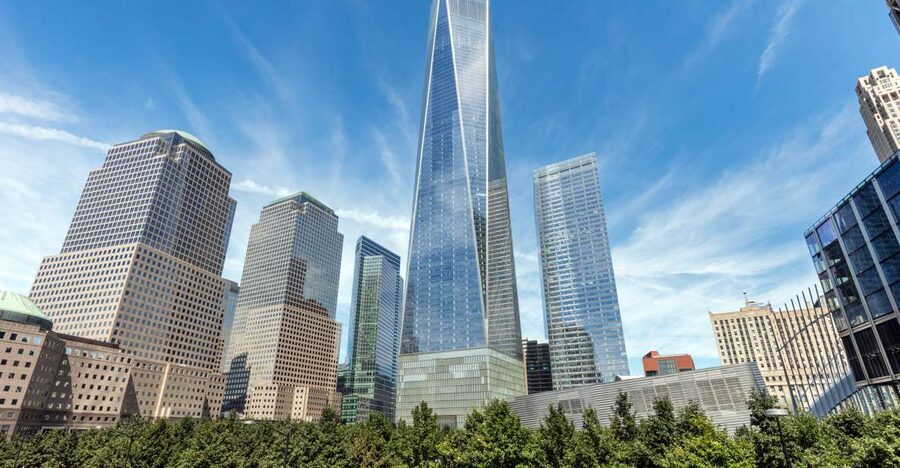
The tour then visits the Eleven Tears Memorial, dedicated to the eleven American Express employees lost on that day. This is a smaller, more personal scale of remembrance, and that matters after you have spent time absorbing bigger site-wide symbolism.
I like that it is included, because it brings attention back to individual lives tied to specific workplaces. It is easier to keep the story human when you shift from the monumental to the personal for a moment.
Building Four details and the mystery of lost reserves
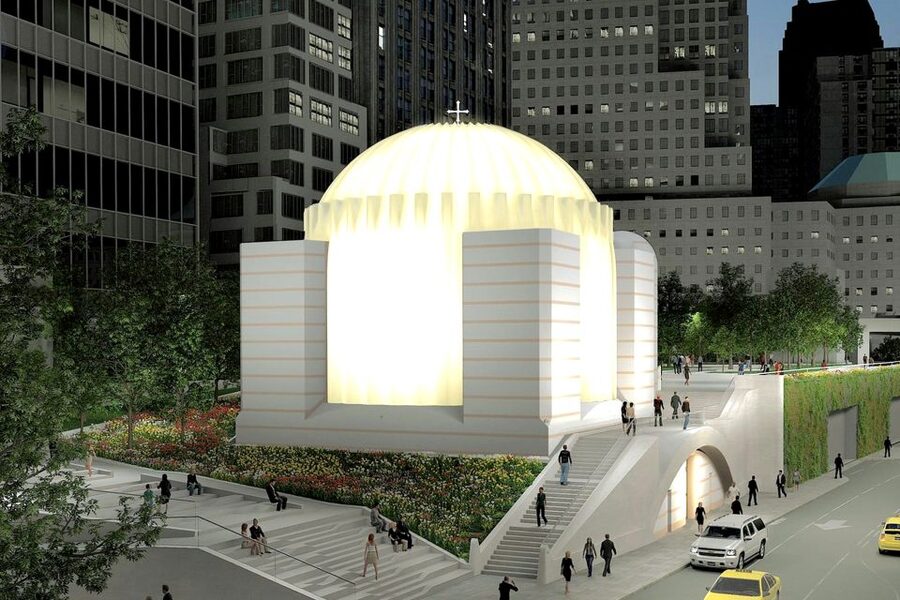
Later in the tour, you get additional design and construction context for the new World Trade Center complex, including a discussion of the mystery of the lost gold and silver reserves of Building Four.
Even if you do not get pulled into every mystery detail, I think the value here is the guide’s ability to show that rebuilding was not just a clean reset. There were complex realities tied to materials, records, and the aftermath. You end up leaving with a stronger sense of how complicated the restoration process really is.
If you prefer strictly verified facts, keep your expectations realistic. A guided story can include mystery elements, so treat it as part of the broader conversation, not a single definitive answer.
Survivor Tree: resilience you can see and understand
No matter how the new buildings change the skyline, the Survivor Tree is the kind of anchor that brings everything back to life. The tour covers its resilience, survival, and rebirth, which turns the scene from architecture-only into living proof of endurance.
I like this stop because it gives you something calm to focus on after more intense story segments. You still get meaning, but it feels grounded and immediate. If you are traveling with someone who finds memorials emotionally hard, the Survivor Tree can be a point where your conversation turns from grief toward resilience without skipping the seriousness.
One tour in four hours: how the pacing affects your experience
This experience is priced at $83 per person and runs 4 hours. Within that time, you get a guided walking focus around the World Trade Center, 9/11 Memorial Plaza, and Ground Zero, plus additional visits like the World Financial Center and North Cove Yacht Marina.
The key reason I think this is good value is that you are not just walking through space. You are getting a connected story: symbolism at the start, memorial time-capsules at the pools, the FDNY Dragon Fighters perspective, rescue by sea through Operation Aegis, and rebuilding details like the Winter Garden and the Survivor Tree.
It also helps that the guide is English speaking and the tour is described as wheelchair accessible. That means the experience is built for more than one kind of traveler, and you are less likely to feel stuck on the margins if you have mobility needs.
Optional extras: 9/11 Museum and One World Observatory tickets
The tour includes an optional 9/11 Museum admission ticket for self-guided visit, and an optional One World Observatory admission ticket as well. The tour experience also notes skip the ticket line, which is often a big deal at high-demand sites.
I like that these are optional. If you want more time in a museum environment, you can add it. If you want to keep the day focused on outdoor orientation and storytelling, you can skip the add-ons and still feel like you got the core experience.
Just be aware that adding either option can turn your half-day into a full one. Plan your day with that in mind, especially if you have dinner reservations.
Who should book this Ground Zero tour, and who might not love it
This tour is a great fit if you want:
- Guided context across memorial, architecture, and rescue stories
- A fresh view on the site that includes the FDNY Dragon Fighters perspective
- Specific stops like Winter Garden, Eleven Tears Memorial, and the Survivor Tree
It might be less ideal if you want a quiet, no-narration experience or if you are trying to pack in a long list of other stops right after. This is a “listen and walk” format, so it rewards attention and comfort with walking.
Should you book this World Trade Center, 9/11, and Ground Zero walking tour?
If you want a guided route that ties together the new World Trade Center’s design, the memorial’s symbolism, and the rescue story through Operation Aegis, I think this is an excellent choice. The standout strength is how the tour organizes heavy material into clear segments, especially the photo time-capsules and the FDNY Dragon Fighters leadership by Captain John Jonas.
I would book it if your goal is understanding, not just sightseeing. If you are short on time and want the site’s story told in the right order, this 4-hour plan is built for that. If you are extremely sensitive to emotional intensity, go in gently, with comfortable shoes and time to process, because this walk does not just show you places, it explains what happened there and how people responded.
FAQ
How long is the walking tour?
The duration is 4 hours, including a guided 2-hour walking focus around the 9/11 Memorial Plaza and Ground Zero.
What does the tour price include?
The package includes a two-hour walking tour of the World Trade Center, 9/11 Memorial Plaza, and Ground Zero, plus a visit to the World Financial Center and the North Cove Yacht Marina. It also lists optional self-guided 9/11 Museum admission and optional One World Observatory admission.
Where is the meeting point?
The meeting point is the Starbucks Coffee Shop on 20 Dey Street, New York, NY 10007. The tour guide meets you in the Starbucks cafe.
Are the 9/11 Museum and One World Observatory tickets included?
They are optional. The 9/11 Museum admission is listed as optional self-guided, and One World Observatory admission is also optional.
Is the tour wheelchair accessible?
Yes, the tour is described as wheelchair accessible.
What language is the tour guide?
The live tour guide language is English.
More Walking Tours in New York City


More Tours in New York City



More Tour Reviews in New York City
Not for you? Here's more nearby things to do in New York City we have reviewed







More 9/11 Memorial Tours to consider.
 ★ 5.09/11 Memorial, Ground Zero Tour with Optional 9/11 Museum TicketTickets from $396,381 traveller reviews
 ★ 4.59/11 Memorial Museum Admission TicketTickets from $366,376 traveller reviews
 ★ 5.0All-Access 9/11: Ground Zero Tour, Memorial and Museum, One World ObservatoryTickets from $1094,886 traveller reviews
 ★ 4.5NYC City Tour: Statue of Liberty, 9/11 Memorial, Wall StreetTickets from $392,059 traveller reviews
 ★ 4.7Ground Zero 9/11 Memorial Tour & Optional 9/11 Museum TicketTickets from $391,584 traveller reviews
 ★ 4.79/11 Ground Zero Tour with All Access OptionTickets from $391,272 traveller reviews
 ★ 4.89/11 Memorial Tour and Optional Observatory TicketTickets from $39841 traveller reviews
 ★ 5.0New York 9/11 Memorial Tour with Optional One World ObservatoryTickets from $39637 traveller reviews
More useful New York routes