
Review · 9/11 MEMORIAL TOURS
World Trade Center Tour with 911 Museum & Observatory All Access
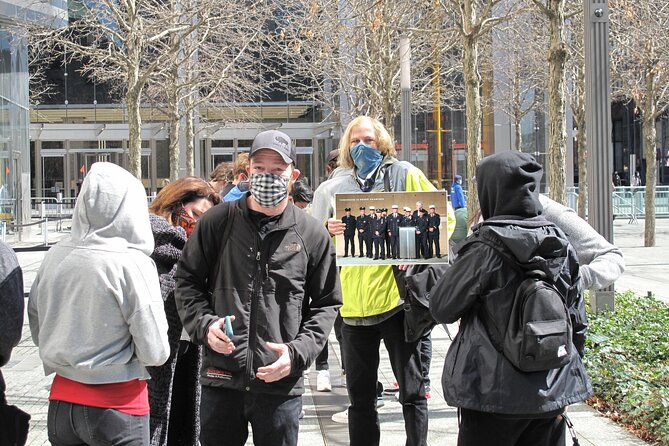
Small group, big story. This World Trade Center tour turns a visit into a clear narrative, from the Oculus start to the Memorial Plaza. I like how the guide uses extra large visuals so the site makes sense fast, even if the area feels overwhelming.
I also love the built-in flow: you get a guided walk through the key buildings and memorial spots, then you step straight into the 9/11 Museum for a self-guided visit, with One World Observatory tickets included. That combo is great value because you’re not paying for separate ticket lines and you get both history on the ground and skyline payoff upstairs.
One consideration: the day includes a lot of walking over roughly 5 hours, and this is an emotionally heavy subject. If you’re sensitive to that, plan your pacing and bring water, because the tour keeps momentum moving from stop to stop.
Key highlights to know before you go
- Max 15 travelers keeps it easy to hear the guide and follow along without getting swallowed by crowds.
- Extra large visuals help you understand what you are seeing, not just what you are reading.
- Operation Aegis by sea at Brookfield Place is the kind of detail most visitors miss.
- Winter Garden and Eleven Tears Memorial add quiet, personal meaning to the larger story.
- Self-guided museum time lets you linger with artifacts and donated personal items at your own pace.
- HyperSpeed elevators and 100th-floor views round out the day with a fast, dramatic ride and skyline perspective.
Starting at 20 Dey St, the Oculus is your first clue

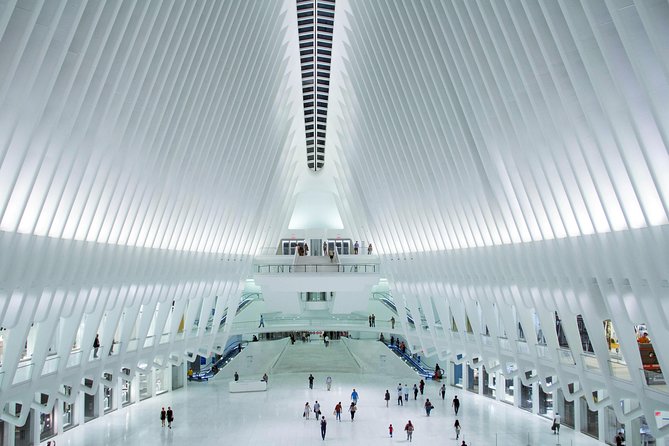
The tour meets at 20 Dey St in Manhattan, and it starts right across from the Oculus, the striking white transit hub that feels a bit otherworldly if you’re used to typical subway stations. The first moment matters here. Instead of launching you into the memorial area without context, the guide sets the mental map with the kind of big, visual explanations that help you orient your brain.
One of the most praised parts of this experience is the guide style. Several reviews specifically mention large visuals and clear, easy-to-follow storytelling from guides like Chris, Dave, David, Christopher, Marcus, and Richard. That matters because the World Trade Center site is complex, and the emotional weight can make details blur together. With this format, you’re not trying to piece it together alone while you’re walking.
You also get a fast, focused intro to first responders, including FDNY Captain John Jonas and the Dragon Fighters. Even in the short opening phase, the guide frames how rescue efforts and movement through the area shaped what people experienced that day.
You can also read our reviews of more museum experiences in New York City


The Memorial Plaza overlook, where the whole complex clicks
Next comes the World Trade Center area overlook of Memorial Plaza. This is your first proper chance to see the layout as more than a collection of buildings. From this vantage, you can take in the wider complex, including One World Trade Center, the Reflecting Pools, and the 9/11 Museum.
That panoramic view is not just for photos. It helps you understand why the memorial and museum are positioned where they are. When the guide points out key points in the story, your eyes already know what you are looking at. It makes the later museum visit feel less like a separate attraction and more like the next chapter of the same walk.
One practical note: the guide keeps things moving in a small group, so you’re not waiting around while crowds shuffle past. Still, you’ll want to be ready for the reality of being outside at a major NYC site, which can mean wind and crowds around the edges even when the group itself stays tight.
Brookfield Place and Operation Aegis, the rescue-by-sea story
The tour continues toward Brookfield Place at the World Financial Center. This stop is one of those “I didn’t know that” moments that make the tour worth it, especially if you already think you know the basics of 9/11. The guide shares Operation Aegis, described here as the largest rescue by sea in history, involving the evacuation of over 500,000 civilians by watercrafts of all sizes.
I like this part because it shifts the focus from just the tragedy to what followed immediately. It also expands your view beyond the immediate footprint of the towers. When you later see artifacts in the museum, the story includes not only what happened on land, but also how the city and responders moved people out.
Also, the tour format keeps you from getting lost. With a cap of 15 travelers, the guide can actually point, explain, and check in as you walk. If you’ve ever tried to do Ground Zero on your own while other groups crowd around signs, you’ll appreciate the controlled pace here.
Winter Garden’s $60 million glass pavilion and the Eleven Tears Memorial
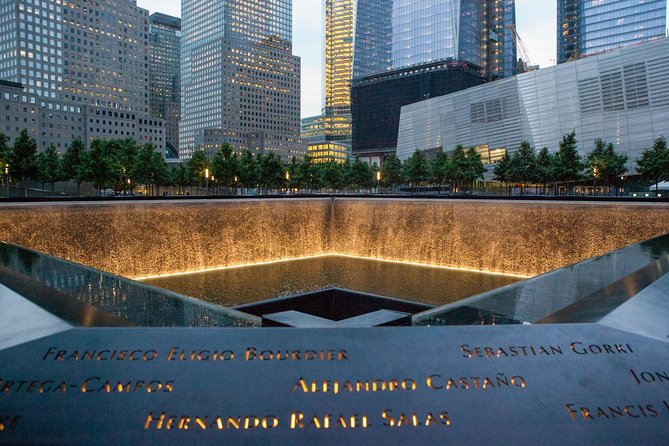
Then you reach the Winter Garden, a reconstructed space that was devastated during the attacks and rebuilt as a major glass pavilion. Here, the tone gets quieter. The details of the space help you feel how the city chose to restore public life and daylight to the area.
You also visit the Eleven Tears Memorial, dedicated to eleven American Express employees lost that day. This is where the story gets personal in a way that doesn’t feel forced. The guided context matters, because you understand why this memorial exists and what it is meant to honor.
This stop is short, so you won’t have hours to linger. But that’s not a drawback if you’re doing the whole package. The museum time later is where you can slow down more deeply. Treat Winter Garden and Eleven Tears like the emotional punctuation mark before the museum takes over.
Design stories at the new World Trade Center, plus Survivor Tree and Building Four
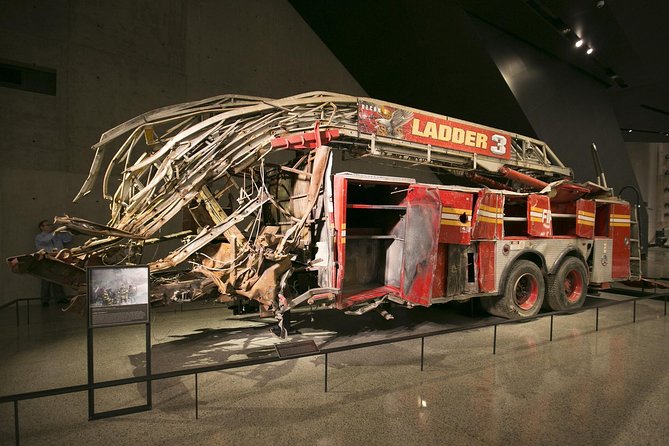
Back at the new World Trade Center complex, the guide covers design and construction. This may sound like dry architecture at first, but it plays a real role in making the site understandable. A lot of visitors see new buildings and think, I’m looking at what replaced the old one. The guide helps you see it as a deliberate process shaped by what happened and what people needed afterward.
You also learn about a piece of mystery tied to Building Four, specifically the story of the lost gold and silver reserves. That kind of detail gives the walking part more than just solemn stops. It makes the tour feel like a living investigation of the site, not only a static memorial.
Don’t miss the story of the Survivor Tree. The guide’s explanation centers on resilience, survival, and rebirth. I like this because it gives you something hopeful to hold onto without pretending the day was anything less than devastating.
This portion tends to be brief in your schedule, but it’s packed with meaning. If you’re the kind of traveler who likes to connect what you see to why it was built that way, you’ll probably find yourself mentally replaying these points as you walk into the museum.




The 9/11 Museum, included entry with time to go at your own pace
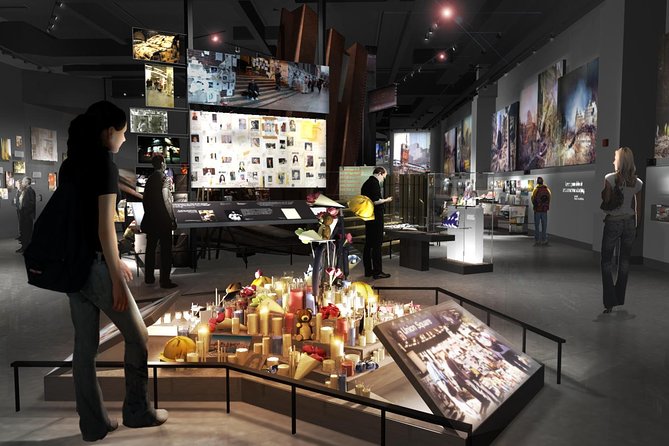
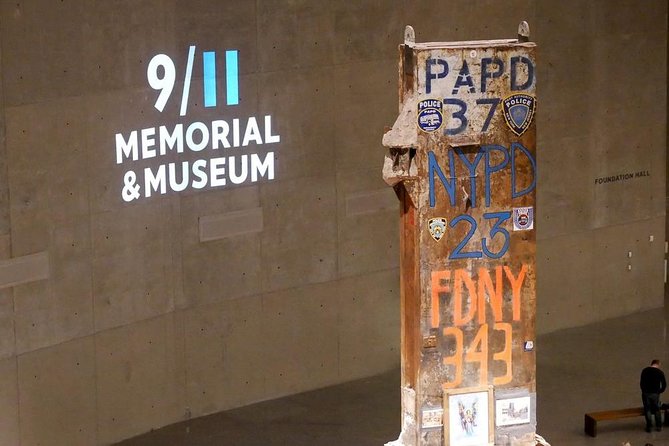
After the walking tour, you’re granted entry into the National 9/11 Memorial & Museum. This is where the tour shifts from guided narrative to self-guided exploration.
The museum is included, and the time listed here is about 2 hours. That’s usually enough to see major exhibits without rushing, but it depends on how deeply you want to look at artifacts and personal items. The museum includes historical artifacts and donated personal items related to the attacks, which is one reason this visit can feel intense.
I recommend treating this time like it belongs to you. Don’t force the museum into a checklist. If you stop at one area and then feel like you need a breather, you’ll have the freedom to pause without the group moving you along.
Guides you might get on this tour are often praised for emotional, professional storytelling, including mentions of first-hand perspectives by guides like Richard, and detailed explanation with before, during, and now photos by Chris and Christopher. While the museum part is self-guided, that earlier context helps you read the exhibits more clearly once you’re inside.
One World Observatory all access, HyperSpeed elevators and views of four states
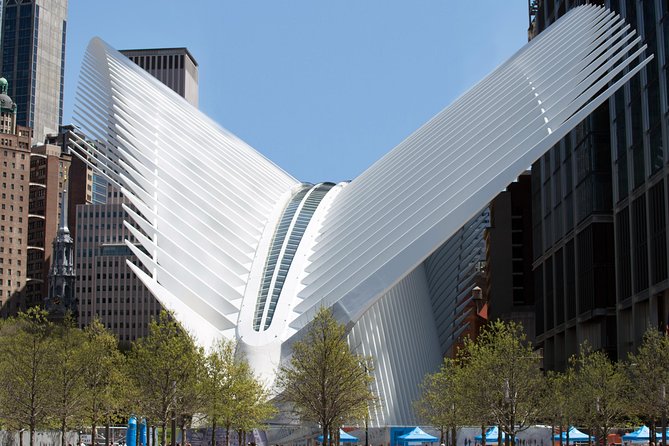
If you’re doing the All Access option, your day doesn’t stop after the museum. You get into One World Observatory as well.
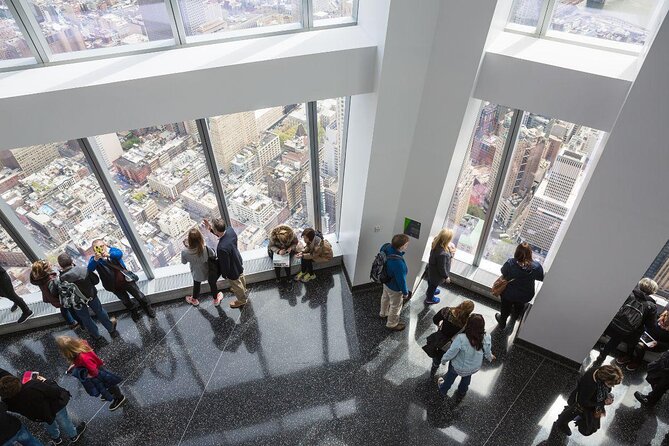
The ride is part of the appeal: the tour notes HyperSpeed Elevators that take you up to the observatory on the 100th floor, with a 48-second elevator ride. During that ride, you watch a timeline transformation of Manhattan. I like this because it compresses a lot of time into a short, moving experience. It sets up your eyes for what you’ll see after.
Upstairs, you get views of four different states. That wide reach helps you zoom out from the memorial footprint and see the city and region in a broader frame. It also gives you a different kind of emotional relief. Looking out over distance feels like a reset.
One review specifically recommended going at dusk for the best mix of daylight and city lights. That’s opinion, not a guarantee, but it matches how many people feel about city views. If you can control your timing, later light often makes the skyline more dramatic.
A practical 5-hour plan, and how to make it feel manageable
This experience runs about 5 hours total, including the guided walk and the museum and observatory entry times. It’s designed so you aren’t juggling ticket websites and dates. That matters in NYC, where scheduling friction is real.
Here’s how I’d think about your timing, based on what’s built into the experience:
- You start with the short Oculus orientation, then move through multiple outdoor stops.
- The walking portion is the “story engine,” where your guide connects events to specific locations.
- Then you switch to self-guided time where you control your pace.
Because the tour is capped at 15 travelers, it stays compact. That makes it easier to ask questions and keep up, even if you’re not a fast walker. Still, your feet will do the work. Wear comfortable shoes you trust, and plan for weather, since much of the experience is outside.
Also, consider bringing a light snack or planning a simple meal schedule around the tour. One review mentioned not having enough time to buy food during the excursion, so build in a little buffer before or after your tour slot.
Who should book this World Trade Center tour?
This is a strong fit if:
- You want a guided narrative rather than a solo walk with your phone doing all the work.
- You like hearing context while standing on-site, especially for details like Operation Aegis and the Survivor Tree.
- You value a small-group format. With a limit of 15, it stays personal enough to feel guided, not crowded.
It’s also a good match if you care about the full arc of the day. The combo of memorial-area storytelling, museum artifacts and donated personal items, and then the observatory views gives you both ground-level history and a skyline perspective afterward.
If you’re extremely short on time, you might feel that 5 hours is too long. And if you know you get emotionally overwhelmed with 9/11 content, it can still be doable, but you should enter with a pacing plan and permission to slow down during the museum.
Should you book the All Access package?
I think you should book it if you want to understand the site, not just visit it. The value comes from the structure: a guided walking tour with extra large visuals and a small group, paired with included entry to both the 9/11 Museum and One World Observatory.
I’d especially choose this version over piecing together separate visits if you want the day to feel organized and coherent. The stops include standout details you won’t easily find by wandering, like the Dragon Fighters framing early on, the Operation Aegis rescue-by-sea story at Brookfield Place, and the Eleven Tears Memorial connection inside the Winter Garden area.
If you hate walking, or you’re trying to keep your schedule very light, then it might be too much for one day. But if you can handle a few hours of steady movement and you’re ready for an emotionally serious, well-guided experience, this is a high-quality way to do it.
FAQ
How long is the World Trade Center tour with 9/11 Museum and One World Observatory all access?
It runs about 5 hours.
How big is the group for this tour?
The maximum group size is 15 travelers.
What language is the tour offered in?
The tour is offered in English.
Where do I meet for the tour?
The meeting point is 20 Dey St, New York, NY 10007.
Where does the tour end?
The tour ends inside the 9/11 Memorial at 180 Greenwich St, New York, NY 10006.
What’s included in the price?
The price includes the guided walking tour ticket, 9/11 Museum admission, One World Observatory admission, and all fees and taxes.
Is the 9/11 Museum visit guided?
No. The museum portion is self-guided even though your entry ticket is included.
Is the One World Observatory visit guided?
No. The observatory portion is self-guided after you ride up to the top.
Are tips included?
No. Gratuities are not included, and they are welcomed and appreciated.
Is free cancellation available?
Yes. You can cancel up to 24 hours in advance for a full refund.
More Museum Experiences in New York City

More Tours in New York City



More Tour Reviews in New York City
Not for you? Here's more nearby things to do in New York City we have reviewed









More 9/11 Memorial Tours to consider.
 ★ 5.09/11 Memorial, Ground Zero Tour with Optional 9/11 Museum TicketTickets from $396,381 traveller reviews
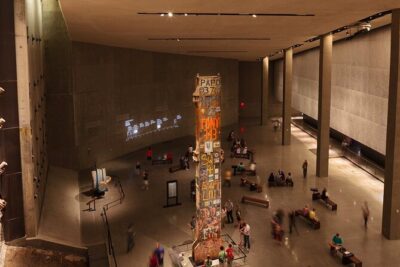 ★ 4.59/11 Memorial Museum Admission TicketTickets from $366,376 traveller reviews
 ★ 5.0All-Access 9/11: Ground Zero Tour, Memorial and Museum, One World ObservatoryTickets from $1094,886 traveller reviews
 ★ 4.5NYC City Tour: Statue of Liberty, 9/11 Memorial, Wall StreetTickets from $392,059 traveller reviews
 ★ 4.7Ground Zero 9/11 Memorial Tour & Optional 9/11 Museum TicketTickets from $391,584 traveller reviews
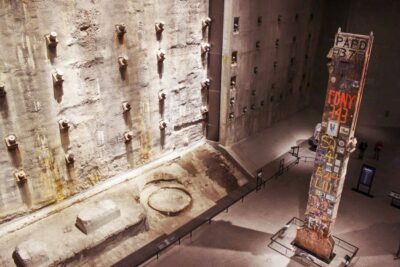 ★ 4.79/11 Ground Zero Tour with All Access OptionTickets from $391,272 traveller reviews
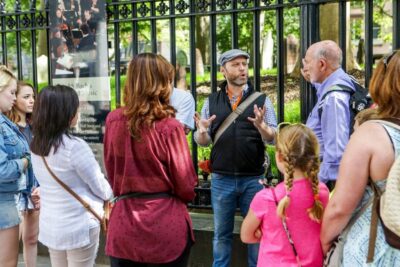 ★ 4.89/11 Memorial Tour and Optional Observatory TicketTickets from $39841 traveller reviews
 ★ 5.0New York 9/11 Memorial Tour with Optional One World ObservatoryTickets from $39637 traveller reviews
More useful New York routes