
Review · CENTRAL PARK TOURS
Central Park Photography Tour with Local Photographer
Central Park looks different through a camera lens. This small-group Central Park photography tour is led by local professional photographers who know how to turn the park into a photo plan, starting right at Bethesda Terrace.
I like that it is more instruction than aimless sightseeing, with guidance meant for your camera and your level. One practical drawback: no transportation or hotel pickup is included, so you’ll need to get yourself to Bethesda Terrace and back.
Key takeaways before you go
- Bethesda Terrace meeting point makes it simple to find the start, and the tour ends back there.
- Max 8 people means you get real face time with the photographer.
- Workshop-style coaching focuses on tips and techniques you can use on your own camera.
- Photo stops that mix icons and details, from Bethesda Fountain to theater and stage-like views.
- Seasonal stop for Shakespeare Garden on spring and summer safaris.
Bethesda Terrace start, small group energy, and real coaching
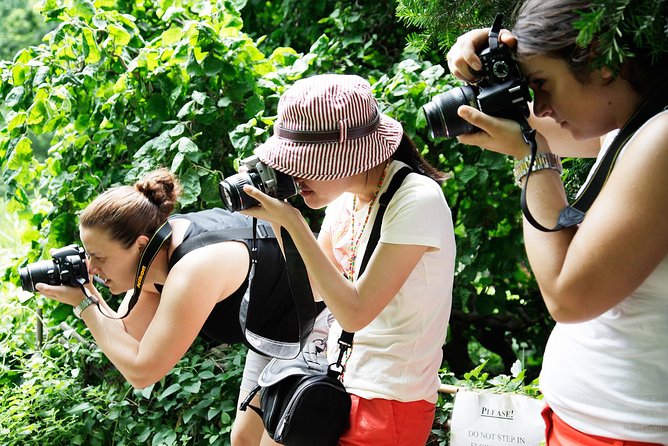
If you’ve ever walked Central Park with a camera and thought, I know what I want, I just do not know how to get it, this style of tour makes a lot of sense. You meet at Bethesda Terrace (New York, NY 10024) and the experience runs about 2 hours 30 minutes. The structure is designed for photo learning, not just passing landmarks.
The big win here is the small-group size (up to 8 people). That matters because Central Park is busy. With more people, the guide often has to keep moving. With a smaller group, you can ask questions, show your framing, and get nudged toward better angles while the scene is still there.
Another thing I appreciate is that the tour is led by local professional photographers with photo industry experience. That does not automatically mean you will learn every trick on earth, but it usually means the teaching is grounded in what actually works in NYC light, crowds, and quick-changing weather.
You can also read our reviews of more photography tours in New York City
The shot plan through Central Park’s most photogenic corners
You spend the time moving through a focused set of spots that are built for strong compositions. Think classic park icons, plus nearby scenic structures that give you variety without long transfers.
A helpful way to approach this is to treat it like a practical photo syllabus. You are not just getting a list of places. You are learning how to see: framing with edges, using symmetry where it’s available, and choosing a viewpoint that gives the background context you want.
Here’s how each major stop tends to pay off visually.
Shakespeare Garden and Bethesda Fountain: learning light, lines, and focus
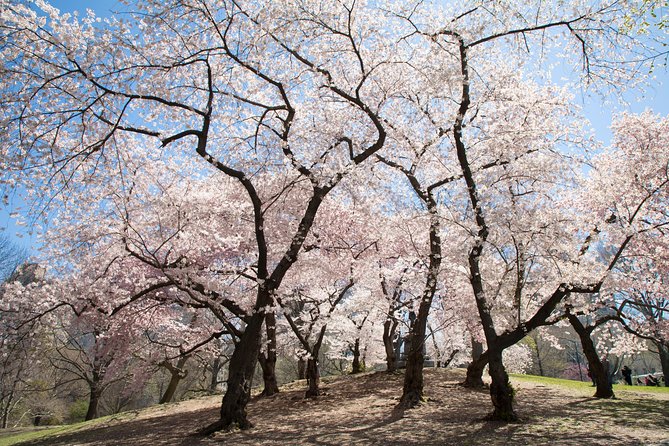
On spring and summer, the tour includes a stop at Shakespeare Garden. Even if you are not chasing Shakespeare-themed photos, gardens are where you practice the hardest skill for beginners: simplifying a busy scene.
You can use this kind of setting to experiment with:
- how to keep your subject clear when the background has lots going on
- how to adjust your camera so the details look sharp
- how to control what the viewer notices first
From there you head to Bethesda Fountain, a place that offers strong visual anchors. Fountains also give you a natural sense of motion and texture. That helps with photos because you can shoot wide for scale or go tighter to focus on figures, water, and stone.
A practical tip you can carry into your own Central Park walk is this: when you find a photo that works, try one change only. Move your feet a little, or switch framing from wide to mid shot. That keeps your results consistent so you can actually learn from what changes.
Bethesda Terrace stonework and Swedish Cottage Theater details
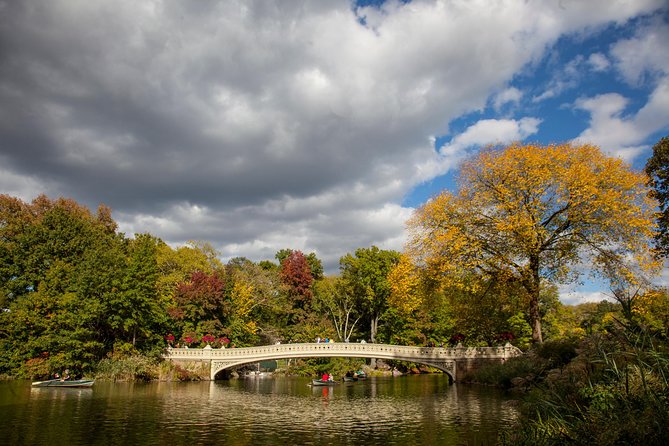
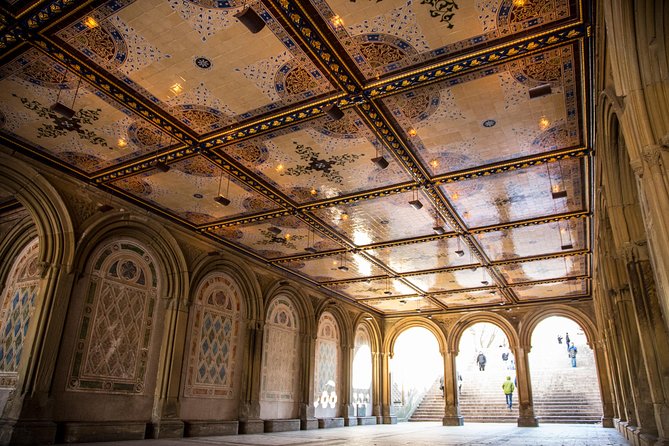
Next up is Bethesda Terrace, which is all about architectural photo opportunities. Terraces are great for learning how to frame height and depth. You can also practice photographing people in a believable way, since the space naturally supports scale shots.
Then you reach the Swedish Cottage Marionette Theatre area. This is a change of pace, and it matters. Variety prevents your photos from all looking like the same postcard. A smaller, storybook-style building gives you a different kind of background, one that can make portraits or character shots feel more intentional.
This part of the tour is also where you can slow down and ask the guide to help you use your camera features. The experience is built around you bringing your own camera and learning how to take the best possible photos with it, not just admiring what others shoot.
Naumburg Bandshell and the Central Park-wide viewpoints
The tour also includes Naumburg Bandshell. Bandshell areas are useful because they offer stage-like geometry. Even if there is no performance happening, the structure gives you lines to work with and spaces that look composed.
After that, there is time to spend more broadly around Central Park as you build up your personal short list of what you like photographing. This is one of those moments where the workshop format really earns its keep. Instead of rushing you through one perfect angle, the guide can help you refine your approach based on what you are actually drawn to.
You might notice that your favorite photos end up being the ones where the composition is clear. That is usually the result of small coaching moments, like choosing a better viewpoint, waiting for fewer obstructions, or adjusting your framing to reduce distractions.

How the Met and American Museum of Natural History edges help your photos
One distinctive thing about this tour is that it does not stop at “inside Central Park.” Central Park sits between the Metropolitan Museum of Art and the American Museum of Natural History, and the experience includes stops that take advantage of that setting.
Why is that valuable? Because it gives your photos city context. Central Park photos can look a little timeless when they are shot in isolation. Adding museum-adjacent views helps your pictures feel like New York, not just a park anywhere.
Practically, these edges can help when you want:
- a stronger skyline or institutional background
- architectural contrast, especially if you have been shooting lots of trees and stonework
- a change from park greenery to NYC stone and structure
Even if you are not a museum person, think of this as visual variety that stays close to your walking route.
What you will learn with your own camera (and what to bring)
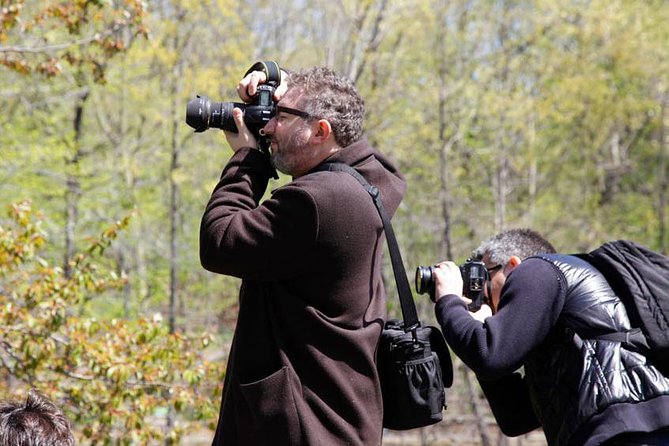
The heart of this experience is the professional photographer instruction. The tour is not sold as a passive stroll. It is set up as a workshop, with tips and techniques and time to put them into action using your own camera.
You should expect coaching that helps you:
- use your camera features effectively in real situations
- understand how to frame and compose so your photos look intentional
- get better results without having to guess every setting
I also like that the guidance is framed around your level. That is important because Central Park can overwhelm beginners. You do not need advanced gear to benefit, but you do need clear next steps. A small group makes it easier for a guide to check that you are getting it.
What to bring:
- your camera and whatever accessories you normally use
- comfortable walking shoes, because Central Park photography is still walking
- water and a light layer, since conditions can change fast in NYC
- a charged battery, and ideally a memory card with space
Price and value: why $100 can make sense here
At $100 per person, this tour sits in the category where you want to think hard about value. Here is how I frame it.
You are paying for:
- a local professional photographer guide
- a tight 2 hours 30 minutes plan
- small-group learning (max 8 people)
- structured photo stops with instruction built into the walk
If you were to hire a private photographer for lessons, it would cost far more. If you simply walk Central Park on your own, the learning part is on you. This experience tries to put the instruction into your route, right where the photos happen.
One more detail that makes it feel like good value: mobile ticket delivery keeps the process easy. And since the tour includes local taxes, you are not playing guessing games about add-ons once you book.
Timing-wise, the tour is commonly booked about 28 days in advance on average. If your trip dates are fixed, booking early is a smart move.
Who this tour fits best, and who might want another plan
This is a great match if you:
- want to learn while you explore, instead of just collecting photos
- enjoy a planned walk through photogenic spaces
- appreciate a smaller group where you can ask questions
- want instruction that works with your own camera
It is also a solid choice for kids, with an important note: children must be accompanied by an adult. The workshop style tends to work well because it is hands-on and focused on practical learning, not just looking.
Who might consider skipping it? If your main goal is to cover every major Central Park attraction in one go, a 2.5-hour photo-focused route may feel too narrow. In that case, you might prefer a broader sightseeing approach and add photo tips later.
Practical things to know before you book
The tour is offered in English and is set up for most people who can handle walking in a park. Service animals are allowed, and the meeting area is near public transportation, which helps.
If you plan around the seasons, remember the Shakespeare Garden stop is included on spring and summer safaris. In other seasons, you should still expect a strong set of Central Park photo locations, but that specific garden stop may not be part of your day.
For flexibility, the experience includes free cancellation. You can cancel up to 24 hours in advance for a full refund, based on the local start time.
Should you book this Central Park photography tour?
Book it if you want Central Park photos that look like you meant it, not like you just got lucky. The combination of a local professional photographer, small group coaching, and a tight photo route makes it a strong value at $100.
Skip it if you only want casual walking and do not care about using your camera features in a guided way. Also, plan to handle your own transit since there is no hotel pickup.
If you are the kind of person who likes structured guidance, this one is built for you.
FAQ
How long is the Central Park Photography Tour?
The tour runs for about 2 hours 30 minutes.
Where do I meet for the tour?
You start at Bethesda Terrace, New York, NY 10024, USA. The activity ends back at the meeting point.
What is the group size?
The tour has a maximum of 8 travelers.
Is the tour offered in English?
Yes, the tour is offered in English.
Does the tour include Shakespeare Garden?
On spring and summer safaris, the tour stops at the Shakespeare Garden.
What is included in the price?
The price includes a professional local photographer guide and local taxes.
Is hotel pickup or drop-off included?
No. Hotel pickup and drop-off, and transportation to and from attractions, are not included.
What is the cancellation policy?
You can cancel for a full refund up to 24 hours in advance of the experience start time. Changes made less than 24 hours before the start time are not accepted.
More Photography Tours in New York City
More Tours in New York City


More Tour Reviews in New York City
Not for you? Here's more nearby things to do in New York City we have reviewed


More Central Park Tours to consider.
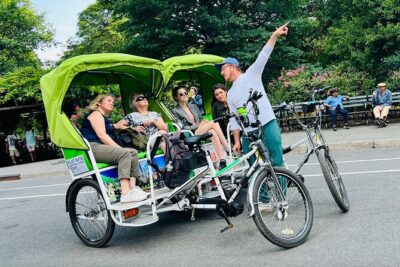 ★ 5.0Central Park Pedicab Guided ToursTickets from $387,108 traveller reviews
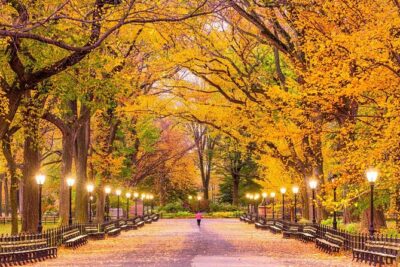 ★ 5.0Private Central Park Pedicab TourTickets from $386,981 traveller reviews
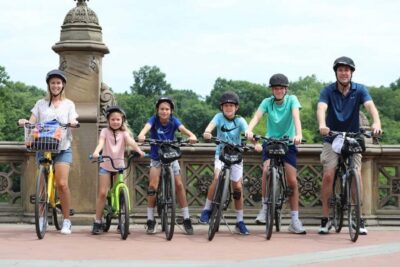 ★ 4.2Central Park Bike RentalsTickets from $92,528 traveller reviews
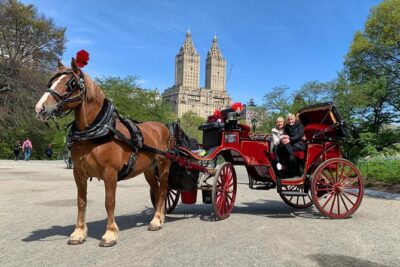 ★ 5.0Official NYC Horse Carriage Rides in Central Park since 1979 ™Tickets from $992,365 traveller reviews
 ★ 4.1Central Park Bike RentalTickets from $81,651 traveller reviews
 ★ 4.9Private Central Park Pedicab TourTickets from $401,637 traveller reviews
 ★ 4.7Central Park Bike RentalTickets from $91,509 traveller reviews
 ★ 4.0Carriage Ride in Central Park (VIP – PRIVATE) Since 1964™Tickets from $141,074 traveller reviews
More useful New York routes