
Review · GREENWICH VILLAGE TOURS
Dark Side & Ghosts of Greenwich Village at Night
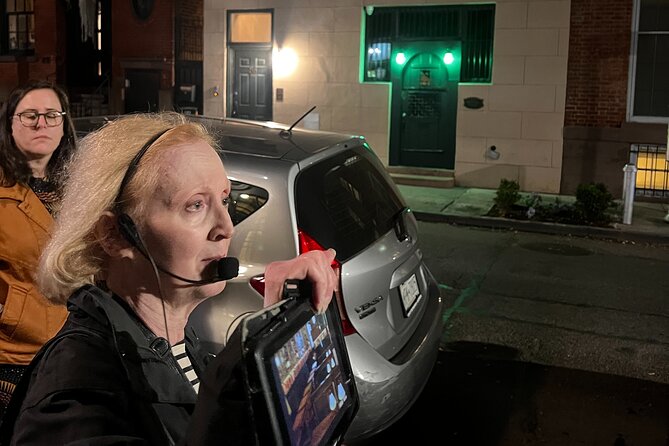
Ghost stories land differently when the Village is dark. This 2-hour nighttime walk turns familiar landmarks into story magnets, mixing literary hauntings with real places tied to illness and local tragedy. I love the close-up, stop-by-stop pacing that keeps you looking at the actual buildings, and I love that you get a licensed guide who can answer questions and point you to more haunted corners. The main catch is simple: if traffic is loud, you may wish the mic volume were a bit higher.
The best part is the timing. Starting at 7:00 pm means the streets feel calmer than peak daytime hours, and you can take photos with less crowd interference, especially near Washington Square Park. With a maximum of 20 people, it also stays conversational, not lecture-y.
Key Things I’d Highlight Before You Go
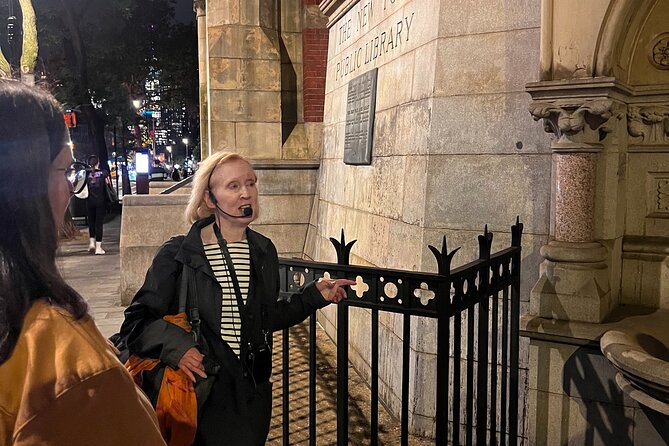
- Nighttime makes the Village feel theatrical, and you’ll spend most of the tour outside looking up, not just listening.
- You’ll hit iconic photo stops, including the Washington Square Arch and the nearby park area.
- The itinerary mixes fiction with real locations, from writer homes to a courthouse site and an old dispensary.
- Short stops keep it moving, usually around 5 to 10 minutes each, so you won’t feel stuck at one spot.
- Bring questions, because the guide can recommend extra spooky ideas beyond the route.
What This Greenwich Village Ghost Walk Feels Like at Night
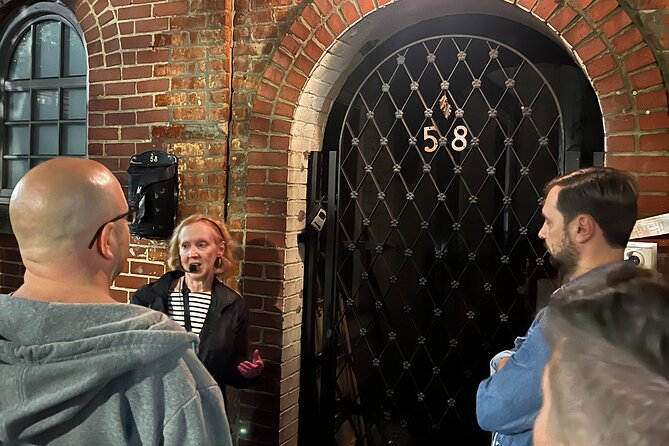
This tour is built for people who like their history with a chill on the edges. Instead of big museum rooms, you’re walking the same streets you’d see in daylight, but at night the details get sharper. Doorways look deeper, and the stories about specific people and events feel more personal because you’re standing right where the past is supposed to have happened.
I also like how the tour doesn’t treat ghosts as the only topic. You spend time on places tied to daily life, including medical care and civic institutions. That mix matters. It keeps the experience from becoming one-note, and it makes the darker moments land harder, because there’s a real-world anchor behind the scare.
One more practical point: it’s a 2-hour walk, so think of it as a concentrated evening activity. You’ll want comfortable shoes and a willingness to keep moving. If you’re expecting a slow, sit-down performance, this isn’t that.
You can also read our reviews of more evening experiences in New York City


Price and What $49 Buys You for 2 Hours
At $49 per person, you’re paying for a licensed guide plus time on foot with a tight route through Greenwich Village. The value here is in the guidance and the access to context. It’s not just a list of stops. The guide helps you read what you’re seeing, and that turns ordinary sidewalk views into story prompts you can actually picture later.
You’ll also notice a lot of the stops are listed as admission ticket free. That’s a big deal in New York, where even small add-ons can add up. You’re mainly paying for the experience of walking the route with someone who knows what to point out and how to connect the places.
There is one more value angle. This is a maximum 20-person group. For ghost tours, that size helps. You can ask questions without feeling like you’re interrupting a conveyor belt.
Getting There: The Start at Waverly Diner, the Easy Subway Finish
The tour starts at Waverly Diner, 385 6th Ave and begins at 7:00 pm. You’ll end near Grove Street and Bedford Street, close to the area known as the FRIENDS Building. From there, it’s an easy walk to the 1 train at Christopher Street Station, plus A, C, E, B, D, F trains at West 4th Street.
I like this kind of setup because you can pair it with dinner or a late drink without losing your whole night to transit. And starting at a well-known spot like Waverly Diner makes it easier to regroup if anyone in your group runs late.
Washington Square Arch and the Hanging Elm: Iconic Stops With a Night-Shift Atmosphere
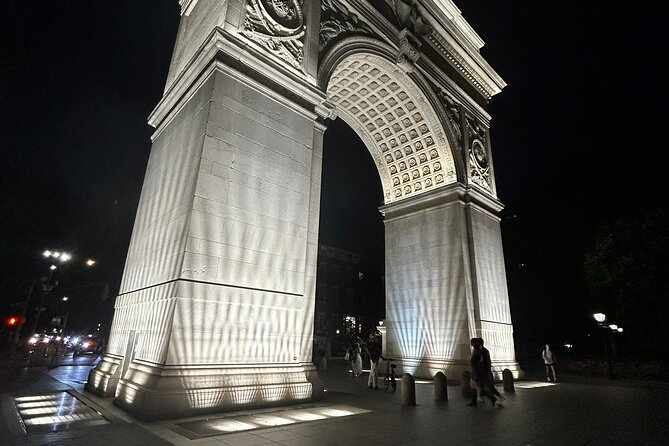
Two of the first named anchors are the Washington Square Arch and the Hanging Elm. This is smart routing because both locations are widely recognized, and at night they feel even more like a set.
Near Washington Square, you’re also set up for photos. If you want the classic Village look, this is the moment to take it, before the tour pushes you deeper into smaller streets. You’ll be close enough to get good angles while still feeling part of the walking flow, not stuck waiting for a photo opportunity.
As for the Hanging Elm, that’s the kind of stop that works in a ghost tour because it turns a physical landmark into a story cue. You’re not wandering for long stretches with nothing to look at. Instead, you get a location, a tale, and a reason to pay attention to what’s around you right now.
If you’re sensitive to noise, keep one practical habit in mind here. Traffic and crowds can make it harder to hear every word at street corners, so try to stand where you can follow the guide best.
The Glass Window Story: When Church Art Becomes a Clue
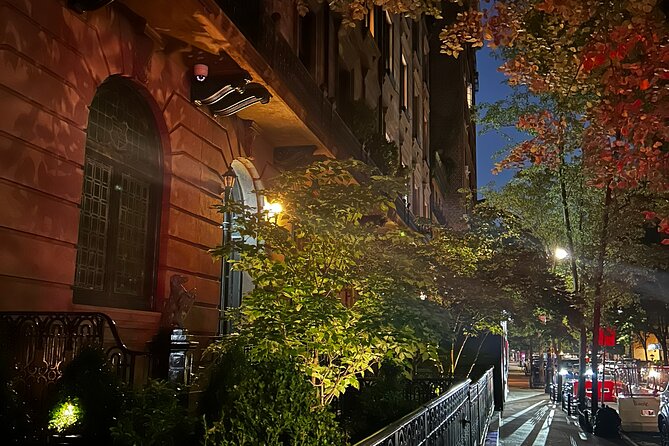
One stop focuses on a spirit tied to a glass window designer who also painted the altar of a church. I like this part because it adds variety. Most ghost tours stick to graves or famous residents. Here, you’re being asked to notice something visual: the kind of craft you’d normally glance over without thinking.
At night, details like light, reflections, and shadow lines can make you look twice. Even if you’re not sure what you’re seeing, the guide’s framing helps you connect the art to the people behind it, and then to the atmosphere of the building.
This stop is also a reminder that not all hauntings are about loud, dramatic events. Some are about memory. Some are about reputation. And some are about the feeling you get when a place looks cared for, but the story says it used to feel different.





Literary Hauntings: Twain, Edna St. Vincent Millay, and The New Colossus Author
Greenwich Village has a long relationship with writers, and this tour leans hard into that. You’ll walk by places tied to Mark Twain, plus Edna St. Vincent Millay at 75 1/2 Bedford Street, where she authored Little Girl Ghost. These are the kinds of stops that work best when you’re the type who likes to connect culture to real street corners.
Mark Twain’s stop is one of the emotional hits of the route. The guide ties his presence to the neighborhood feel, and it’s easy to see why a writer tied to New York would spark imagination in a place full of myths. If you like literary connections, you’ll feel rewarded here because the storytelling doesn’t just name-drop, it gives you a reason to look.
For Edna St. Vincent Millay, the route makes a neat match between person and place. Instead of treating her as a distant author, you’re right by a former home and linked to a work called Little Girl Ghost. That makes the haunting theme feel more personal, not generic.
You’ll also hear about the American author known for writing The New Colossus. This is another good “literature as New York identity” moment. Even if you don’t have the poem memorized, it helps you understand why the city keeps rewriting itself through stories.
From Yellow Fever Memory to Courthouse Shadows at Jefferson Market
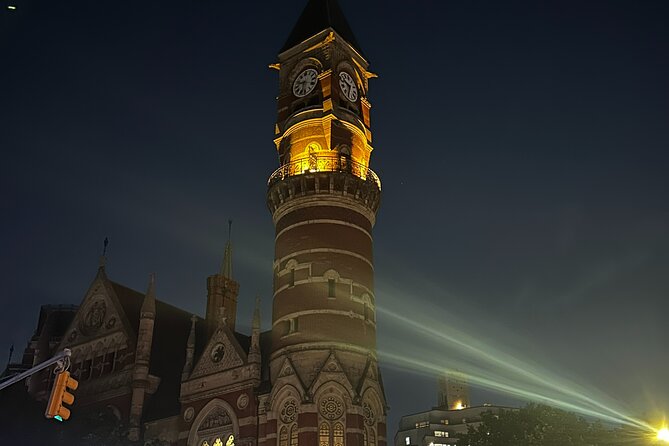
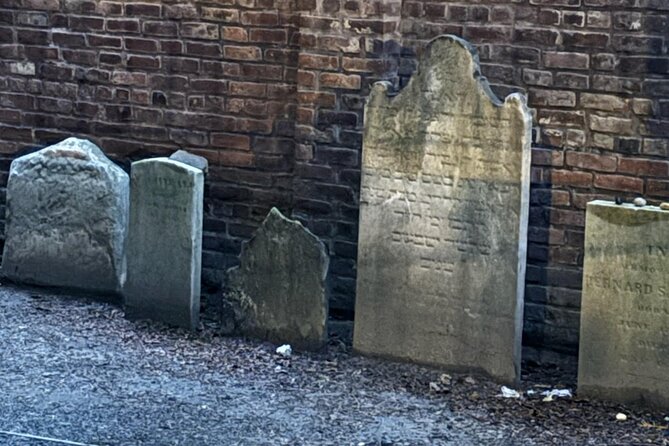
The tour includes a stop at 72 W 11th St, described as a hidden cemetery from 1805. The overview also points to a hidden tomb connected to yellow fever victims, and this is likely where that somber thread comes into play. I appreciate these darker stops because they shift the tour from pure entertainment to something more human.
If you only want spooky thrills, this section might feel less “fun scary” and more “real unsettling.” But that’s exactly why it works. Ghost lore becomes more meaningful when it’s grounded in suffering people actually faced.
Next is Jefferson Market Library, which used to be a courthouse. A courthouse is an underrated setting for ghost stories because it represents judgment, punishment, and public consequences. You don’t need dramatic supernatural scenes to get a chill. Places that handled real conflict can make your imagination do extra work.
Then you’ll also pass by a couple of smaller-address stops, including 12 Gay St, listed as a former resident, and other brief exterior pauses. Even when you don’t get a full “museum-level” experience at each place, the guide’s framing gives you something to hold onto: a name, a theme, and a reason to connect the sidewalk view to the story.
Medical History, a Speakeasy, and a Vice-Presidential Carriage House
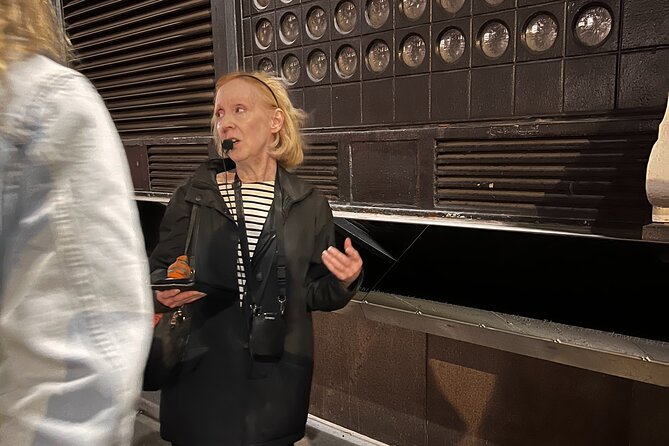
Not every highlight is about famous writers. The tour also includes a stop at the Northern Dispensary, described as a place where the sick sought medical attention. This kind of location changes your perspective. You’re reminded that New York’s past includes illness, care, and the constant struggle to survive. In a ghost tour, that makes the haunting theme feel more earned.
Then there’s 17 Barrow St, described as the carriage house of the former 3rd Vice President. Even without extra details, that’s a compelling hook. Political power often meant private spaces, servants, and routines that regular visitors never see. For a ghost tour, that hidden-life angle is exactly the right ingredient.
The tour also visits 86 Bedford St, formerly Chumley’s, a speakeasy. This is one of the stops that turns history into atmosphere. Speakeasies were about secrecy and late-night identity, and you’re walking the streets that carried that energy. It’s the kind of place where your imagination has permission to run a little.
One more point I like: the stops that range from historical civic sites to nightlife-era addresses prevent the route from getting repetitive. You’re not hearing the same ghost “style” over and over.
Cherry Lane Theatre and the Route’s Most Photo-Ready Finish
A named stop on the itinerary is Cherry Lane Theatre, described as the oldest continuously run off Broadway theater. Theater is basically ghost-friendly by nature. People come, people perform, people vanish back into backstage darkness. Even if you don’t know the theater’s details, the idea helps you understand why stories stick around stage doors.
The final walk pulls everything toward a lighter tone. The tour ends at Bedford Street and Grove Street, with the FRIENDS Building as the closing visual. That’s a clever end point. You get a recognizable landmark and a chance to regroup your thoughts before you head out for your next stop.
I also think it’s a smart way to manage your energy. Early parts of the tour lean toward the eerie and mournful. Ending near a pop-culture pin makes it easier to leave in a good mood.
Who This Tour Suits Best (and Who Might Want Another Option)
This is ideal for you if you like short walking tours, urban legends, and specific New York locations tied to names you recognize. If you’re the type who likes to ask questions during a tour, you’ll probably feel right at home, because the group size stays small enough to talk.
It’s also a good pick if you’re visiting for the first time and want an easy way to learn the neighborhood’s “who lived here, what happened here” layer. The route is built to show you a mix of Village identities: literature, civic life, medical history, and late-night culture.
If you strongly prefer quiet museums or indoor attractions, this may feel too external and street-noise dependent. Also, if you’re extremely sensitive to hearing audio in traffic, you might want to position yourself closer to the guide during louder segments.
Should You Book This Night Ghost Tour?
Yes, you should book it if you want a fun evening that still teaches you something real. For $49, you get a licensed guide, a tight 2-hour walking route, and multiple free-admission stops that keep your spending under control.
The best reason to go is the combination of specifics. This tour doesn’t just say Greenwich Village is haunted. It points you to named places, writer homes, and history-linked stops that help the stories stick. And with a small group, you can ask follow-up questions and leave with ideas for what to see next.
If you hate hearing issues, plan to stand where you can hear best, and don’t let the mic being a bit soft ruin the vibe. Otherwise, this is a great way to see the Village after dark, with enough variety that it stays interesting from start to finish.
FAQ
How long is the Dark Side & Ghosts of Greenwich Village at Night tour?
The tour is about 2 hours.
How much does the tour cost?
It costs $49.00 per person.
What time does the tour start?
The start time is 7:00 pm.
Where does the tour meet and where does it end?
It starts at Waverly Diner, 385 6th Ave, and ends near Grove Street and Bedford Street, close to the FRIENDS Building.
Is the tour a walking tour, and how many people are in the group?
Yes, it is a walking tour. The group maximum size is 20 travelers.
Do I need to buy tickets for the stops?
The listed stops are marked as admission ticket free.
What do I get for booking?
You get a licensed guide, and you will receive a mobile ticket.
What is the cancellation policy?
You can cancel for a full refund up to 24 hours before the experience’s start time. If you cancel less than 24 hours before, the amount paid will not be refunded.
More Evening Experiences in New York City



More Tour Reviews in New York City
Not for you? Here's more nearby things to do in New York City we have reviewed





More Greenwich Village Tours to consider.
 ★ 5.0Greenwich Village Food Tour with 6 Locals Favorites DishesTickets from $971,812 traveller reviews
 ★ 5.0Greenwich Village Walking and Food Tasting TourTickets from $941,572 traveller reviews
 ★ 5.0Artistic, Alternative Greenwich Village Walking TourTickets from $39971 traveller reviews
 ★ 5.0NYC Greenwich Village Italian Food Guided Walking TourTickets from $89627 traveller reviews
 ★ 5.0Greenwich Village Food Tour | Tasty Tours NYCTickets from $79549 traveller reviews
 ★ 4.5New York City Ghost Tour of Greenwich VillageTickets from $39466 traveller reviews
 ★ 5.0High Line Park and Greenwich Village Food TourTickets from $159398 traveller reviews
 ★ 4.8Greenwich Village Guided Walking TourTickets from $39300 traveller reviews
More useful New York routes