
Review · GREENWICH VILLAGE TOURS
Greenwich Village Ghost Tour
Greenwich Village gets extra spooky after dark. I like the tight 2-hour walk that keeps things moving, and I like how the tour anchors every scary beat to real streets you can still see today. The stops feel handpicked, so you’re not just jumping from one rumor to the next.
I especially love the small group vibe. With a maximum of 10 people, you get a better shot at hearing details clearly, and guides in the style of Joel, Cameron, and Claire come through with lively, story-first delivery. One thing to consider: if you’re chasing full-on horror movie goosebumps, this tour can feel more history-forward than pure fright.
Key Highlights You Should Know Before You Go
- Hanging Tree to Washington Square Park, including the arch area and legend-filled street corners
- The Brown Building and the Triangle Shirtwaist Factory Fire, where the story carries real emotional weight
- 5th Avenue stop at the Church of the Ascension, tied to artist John La Farge
- 14 West 10th Street, the so-called Murder House, famous in legend for 22 spirits
- West Village history hits like Emma Lazarus, plus a major library stop
- Stonewall Inn and Chumley’s, blending ghost lore with New York’s cultural turning points
How the Tour Works in Real Life (2 Hours, Small Group, Night Walk)
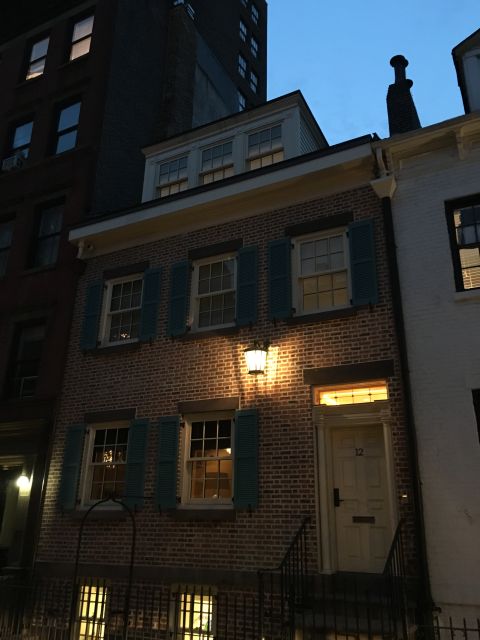
This is a 2-hour Greenwich Village ghost tour built around walking. The route is designed for nighttime strolling, not bus rides or waiting in long lines. You’ll move stop to stop, with your local guide guiding the pacing, story length, and where you look next.
The small group matters. Limited to 10 participants, it tends to feel more conversational than lecture-style. In the reviews, you can see a pattern: guides who interact well, answer questions, and keep the mood balanced between eerie and informative. That’s a big deal on ghost tours, because the best ones feel like you’re getting a local guide’s side of the story, not reading a script.
Wear comfortable shoes. The tour notes a moderate amount of walking, and that matches what you’d expect from a dense neighborhood like Greenwich Village where the best locations are still spread out. Also plan for weather. The tour operates in most conditions, so bring outerwear if it’s cold, and dress for the kind of evening New York actually serves.
You can also read our reviews of more tours and experiences in New York City.


Meeting at 385 6th Avenue: Get Your Bearings Fast
You meet your guide at 385, 6th Avenue. This is helpful because it puts you near major transit and makes it easier to arrive without trekking across the whole city first. The tour then shifts into a nighttime walk through Greenwich Village and into the West Village, including major public landmarks and some street-level photo spots.
Because it’s a small group, you’ll want to show up on time and ready to walk. Ghost tours often lose people at the first handoff if folks are still wrangling bags or asking where to stand. If you want a smooth start, keep your meetup simple: find the guide quickly, then get moving.
One more practical note: the tour doesn’t allow pets, weapons or sharp objects, or oversize luggage, and it discourages large bags. So think light. This is a night walk, and anything that slows you down also slows the group’s rhythm.
Hanging Tree and Washington Square Park: Legend Where You Can Actually Look
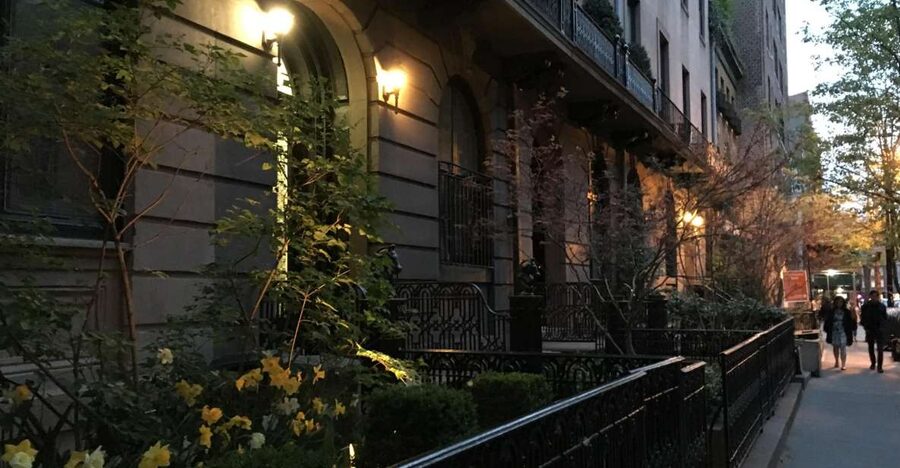
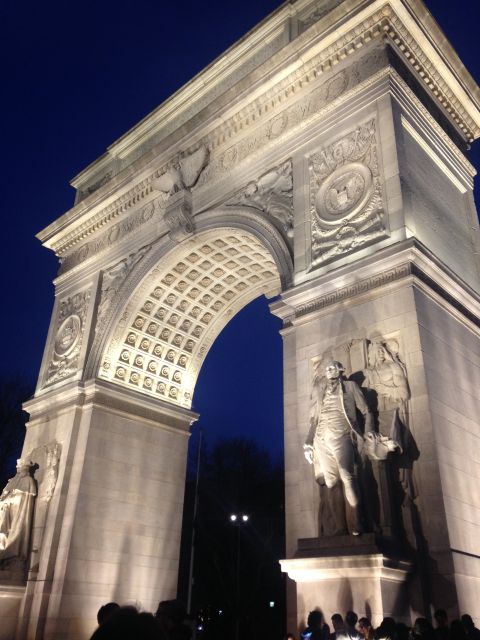
The tour’s opening move is one of the most satisfying kinds of ghost storytelling: starting with a named legend tied to a physical place. You’ll head into Washington Square Park and focus on the area connected to the Hanging Tree, with time to look around and listen as the guide places the story into the neighborhood’s older texture.
Washington Square Park is a great choice for a ghost tour because it’s recognizable but never static. The arch, the open space, and the surrounding streets give you natural “chapters” as you walk around. Even if you don’t fully buy the supernatural claims, you can still appreciate how the guide uses the park as a storytelling stage.
A subtle benefit here: the early stop sets expectations. You learn the tour’s style within the first part of the walk. Guides who do this well often thread in local detail, then add just enough spooky framing to make you pay attention to the surroundings instead of zoning out.
The Brown Building and the Triangle Shirtwaist Fire: When Ghost Lore Meets Real Tragedy
Next comes one of the heaviest stops on the route: the Brown Building, connected to the Triangle Shirtwaist Factory Fire. This is where the tour doesn’t just do creepy. It anchors the ghost legends and lingering stories to a real historical disaster, which changes the tone in an important way.
If you care about New York’s past, this stop is valuable because it turns a famous event into something you can actually locate in space. You’ll learn what happened and why it mattered, then you’ll see how the neighborhood carries that memory forward.
It also makes the tour feel more grounded. Compared with ghost tours that treat everything as campy, this kind of stop gives the stories weight. It’s also a good reason to listen carefully, because emotional topics often get rushed when guides are trying to keep the scares light.
Church of the Ascension on 5th Avenue: A Haunting Linked to John La Farge
From there, you’ll walk up 5th Avenue and stop past the Church of the Ascension, with a haunting story tied to artist John La Farge. This is a smart mid-route pivot. You get a different architectural feel, and the tour uses the setting to support a more art-and-era type story rather than only urban legend.
Churches can be tricky spots for any walking tour. The outside area can feel busy, and the acoustics can be awkward at night. But a well-run guide turns the stop into a quick pause where you notice details, then gets you moving before you lose the group.
If you like stories with specific names and connections, this part is likely to land. It’s not just ghosts floating in fog. It’s ghosts attached to people and places that played roles in the city’s growth.



14 West 10th Street, the Murder House: Why This Stop Gets People Talking
The most talked-about location on the tour is 14 West 10th Street, often called the most haunted house in Manhattan. Legend says it holds 22 spirits, plus a history of murders.
What makes this stop work on a ghost tour is that it’s not a broad, generic “haunted area.” It’s a specific address with a reputation that keeps showing up in local folklore. Standing nearby, you can see how your guide ties the building’s past to the idea that certain places gather stories.
This is also where the tour’s balance matters most. If the guide leans too hard into spooky theater, the stop can feel like a performance with no substance. If the guide leans too hard into history, it can lose the ghost-tour magic. Based on the praise in reviews, many of these guides manage both, adding context and then letting the supernatural framing do its job.
If you want maximum impact here, bring your attention. This is one of those spots where you’re looking at a normal street scene, but your guide asks you to look differently.
West Village Walk: Emma Lazarus, a Beautiful Library, and the Shape of the Neighborhood
After the “Murder House” moment, you move deeper into the West Village. The tour includes passing the home of Emma Lazarus, plus a stop connected to one of the most beautiful libraries in New York City.
This section is often the secret sauce of Village tours. Greenwich Village can be trendy now, but the West Village has a way of feeling older, quieter, and more layered. The Lazarus connection also adds meaning without needing heavy explanation, because it links the neighborhood to a broader literary and cultural story.
Then the library stop gives you a visual reset. Ghost tours can run on shadows and narrow streets, but a standout indoor or exterior landmark helps you breathe and resets your brain before you reach the more politically charged story stops.
If you enjoy architecture and atmosphere, don’t rush through this part. The library and nearby streets help you understand why the neighborhood became a magnet for artists, thinkers, and anyone drawn to the past.
Ghost of a Former Mayor, Then Stonewall Inn: The Tour Gets Social
You’ll hear about the ghost of a former mayor at 12 Gay Street, then continue on toward the Stonewall Inn, where the riots that helped give birth to modern gay rights began.
This is where the tour expands beyond hauntings. It uses legend as a doorway into social history. Whether you’re focused on ghosts or history, it’s a powerful shift because Stonewall isn’t only a story about the past. It’s a marker of change, and that makes it feel different from other “creepy building” stops.
As you cross Christopher Street to reach Stonewall, pay attention to the way the guide frames context. A good guide helps you see that the neighborhood’s mood today grew out of decisions people made then. That’s the kind of story that sticks.
Also, this part is a good moment for questions. If the guide has strong pacing, this section can answer the “why does this place matter” question more directly than the earlier stops.
Chumley’s Speakeasy: Closing the Night With a Real-World Culture Hit
The tour ends with a visit tied to an infamous speakeasy at Chumley’s. It’s a fitting finale because it blends the idea of hidden rooms and secret nights with the broader theme of Greenwich Village: lots of life happens after the official day ends.
Speakeasy lore pairs naturally with ghost-tour storytelling because both revolve around secrecy, identity, and old New York vibes. You’re not just hearing about what happened, you’re being led to a place people associate with nightlife legends.
This ending often feels like the tour’s most “fun” beat, without ignoring the darker tones that came before. It gives you a chance to remember the night as a walk through different layers of Village culture, not only as a list of scary stops.
Who This Tour Fits Best (And Who Might Want Something Different)
This is a strong pick if you want a history-and-legend ghost tour that stays rooted in real locations. It’s also a great choice if you like guides who bring supporting context, including things like newspaper clippings and visual aids, which came up in reviews as a standout technique.
It suits:
- You’re a history buff who likes hauntings that have names, places, and dates attached
- You want a date-night option that feels active and atmospheric, not stuck in a theater seat
- You’d rather have a thoughtful spooky vibe than constant screaming scares
It might not suit:
- You need heavy scares every minute. Some reviews describe the tour as informative first, spooky second.
- You don’t enjoy walking at night. It’s moderate walking, but it’s still outdoors for stretches.
Value Check: Is $39 for a 2-Hour Ghost Tour a Good Deal?
At $39 per person for 2 hours, you’re paying for a local guide, a focused route, and the effort of turning city blocks into a coherent nighttime story. The small group cap helps with value because it can improve how clearly you hear details and how easy it is to ask questions.
Here’s the honest way to think about it: you’re not buying a ticket to see one famous monument. You’re buying a guided way of understanding a neighborhood, stop by stop. For many people, that’s the point. You leave with a sense of where the stories live, why those stories made sense in their time, and how the Village evolved into what it is today.
If you’re already spending time in Lower Manhattan and you want an evening that feels distinct from museums and restaurant reservations, this price can make sense.
Should You Book the Greenwich Village Ghost Tour?
If you like your ghost stories tied to real streets, named locations, and a guide who tells it like a local, I’d book it. The route covers multiple iconic and specific stops, including Washington Square Park, the Brown Building fire connection, 14 West 10th Street, and then a meaningful cultural finish near Stonewall Inn and Chumley’s.
If you’re the type who needs maximum jump-scare energy, you might want a different style of tour. But if you want a good nighttime walk that blends spooky legend with New York history, this one is a solid bet, especially with the small group size and the consistently high guide praise.
FAQ
Where is the meeting point for the Greenwich Village Ghost Tour?
Meet your guide at 385, 6th Avenue, New York City.
How long is the tour?
The tour runs for 2 hours.
How much does it cost?
The price listed is $39 per person.
How many people are in the group?
The tour is a small group with a limit of 10 participants.
What language is the tour conducted in?
The tour is in English.
What should I bring or wear?
Bring comfortable shoes. The tour involves a moderate amount of walking, and you should dress for the weather, with outerwear recommended in colder conditions.
Does the tour run in bad weather?
It operates in most weather conditions. If cancellation happens due to poor weather, you’ll be offered an alternative date or a full refund.
Is free cancellation available?
Yes. You can cancel up to 24 hours in advance for a full refund.
More Tours in New York City



More Tour Reviews in New York City
Not for you? Here's more nearby things to do in New York City we have reviewed







More Greenwich Village Tours to consider.
 ★ 5.0Greenwich Village Food Tour with 6 Locals Favorites DishesTickets from $971,812 traveller reviews
 ★ 5.0Greenwich Village Walking and Food Tasting TourTickets from $941,572 traveller reviews
 ★ 5.0Artistic, Alternative Greenwich Village Walking TourTickets from $39971 traveller reviews
 ★ 5.0NYC Greenwich Village Italian Food Guided Walking TourTickets from $89627 traveller reviews
 ★ 5.0Greenwich Village Food Tour | Tasty Tours NYCTickets from $79549 traveller reviews
 ★ 4.5New York City Ghost Tour of Greenwich VillageTickets from $39466 traveller reviews
 ★ 5.0High Line Park and Greenwich Village Food TourTickets from $159398 traveller reviews
 ★ 4.8Greenwich Village Guided Walking TourTickets from $39300 traveller reviews
More useful New York routes