
Review · WALL STREET TOURS
How Money Was Made: Wall Street Walking Tour
Money can teach you where a city bent. This 2-hour Wall Street walk connects trading origins, stock market crashes, and the area’s 9/11 rebirth with live narration you can follow step by step.
I love how the story starts long before the familiar Wall Street era, with Native American trading roots in the Americas and then the influence of European merchants on what became the American financial system. I also really liked the human side of finance, including visionaries and women pioneers, plus the harsher parts like robber barons and forgotten enslaved laborers.
One thing to consider: the tour is fast paced, jam-packed with a lot of history in two hours, so slow walkers or anyone who wants lingering photo stops may feel rushed.
Key things I’d circle on your shortlist
- Meet at the Museum of the American Indian to start with trading roots before Wall Street branding takes over
- A 2-hour history sprint that moves quickly, with plenty of context per block
- Stock market crash lessons that connect panic to politics and real-world harm
- Architecture viewing built into the route so you notice the buildings, not just the street names
- Lower Manhattan’s 9/11 rebirth theme tied into how the city recovered and what it cost
- A people-focused mix that includes women pioneers, innovators, robber barons, and enslaved labor
Why this Wall Street walk feels different than a basics tour
A lot of Wall Street tours give you dates and big names. This one gives you the logic behind the money machine. You start seeing finance as power, decisions, and consequences, not just numbers on a screen.
I also like that it stays political without turning into a lecture. As you walk, you learn how stock market crashes can trigger real fear, how aggressive growth changes lives across different communities, and how a place can be rebuilt while still carrying trauma.
And because it is a walking tour, you get to read the city the way it was built for daily use: curbs, blocks, facades, and the street canyon effect that makes Wall Street feel intense even if you do not care about investing.
You can also read our reviews of more walking tours in New York City


Meeting at the Museum of the American Indian, then walking into trading roots
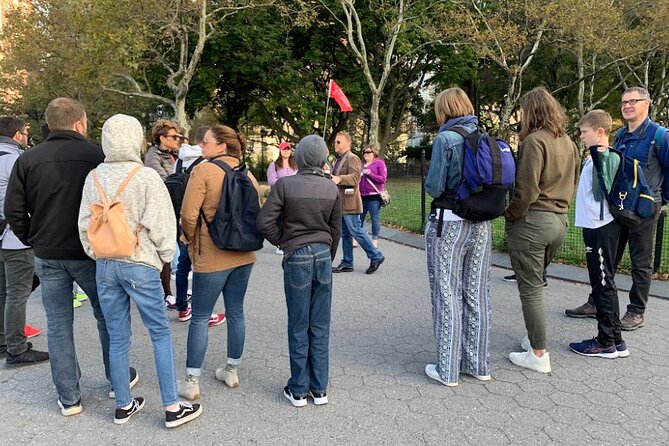
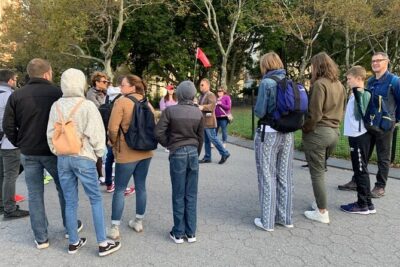
You meet your guide in front of the Museum of the American Indian, and they will be holding up a red Inside Out Tours flag. That flag matters. In a city this busy, it is the simplest way to confirm you are in the right group before your two hours start moving.
From the first minutes, the tour reframes Wall Street. It does not start with the stock exchange. It starts with earlier trading in the Americas, including Native American origins of commerce and exchange. That shift changes your perspective fast. You start thinking, Where did the idea of trading actually come from, and who had control?
Then the story turns toward European merchants, and how their influence shaped what the American financial system became. For me, that is one of the best values of a short walking tour. In two hours you do not memorize everything, but you do get a clearer map of how older trading practices got layered into later institutions.
Practical tip: this early part is where you should mentally settle in. Wear comfortable shoes, because once you get going, you will be on the move for the rest of the tour.
European merchants and the American financial system, in plain street-level terms
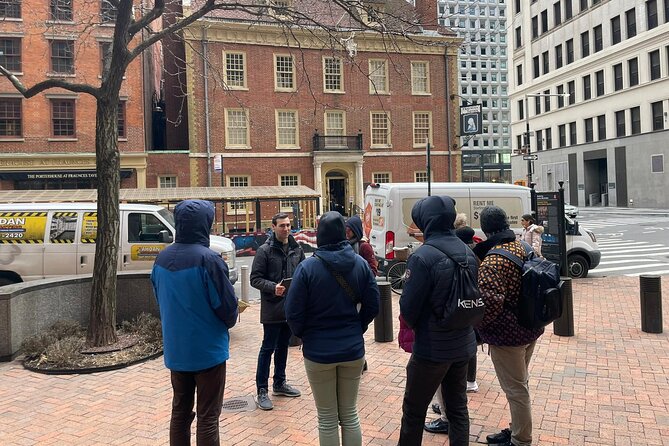
After you get the pre-Wall Street framing, the walking story connects European merchant activity to the rise of the American financial system. The key here is not the academic jargon. It is the cause and effect.
You learn how trade networks and financial thinking traveled, changed form, and eventually became the institutions people associate with Wall Street today. That gives you something useful if you have ever wondered why finance can feel both global and oddly local at the same time. The tour helps you see that it is global ideas adapted to a specific place and power structure.
This section also sets up later themes about who benefited and who did not. You are not only learning about wealth. You are learning about mechanisms.
One more reason I appreciate this approach: it makes later events, like crashes, easier to understand. When you know how the system formed, panic events make more sense. They are not random. They are tied to incentives and to decisions made by people with influence.
Stock market crashes, financial crises, and the politics behind panic
The tour directly tackles the financial crisis caused by stock market crashes. That is the moment where Wall Street becomes more than architecture and big symbols.
You are guided through how the market can act like a pressure system. When confidence breaks, the effects spread quickly. And once the effects start spreading, politics follows. You learn how aggressive economic behavior and growth can harm diverse populations, especially when risk is not shared fairly.
This is also where a good guide makes a huge difference in a short tour. According to one of the higher-rated bookings, the guide named Jess was very nice and delivered the material in a way that made it stick. If you get Jess, you are likely to appreciate the clear explanations and the way the story flows.
What I find most helpful for your planning: listen for the connections. The tour is building toward the idea that crises are not only about markets. They are about human choices, systems, and uneven impact.
If you are the type who likes to understand cause and effect, this segment is where you will feel the tour paying off.
Lower Manhattan architecture, iconic landmarks, and what to look for while walking
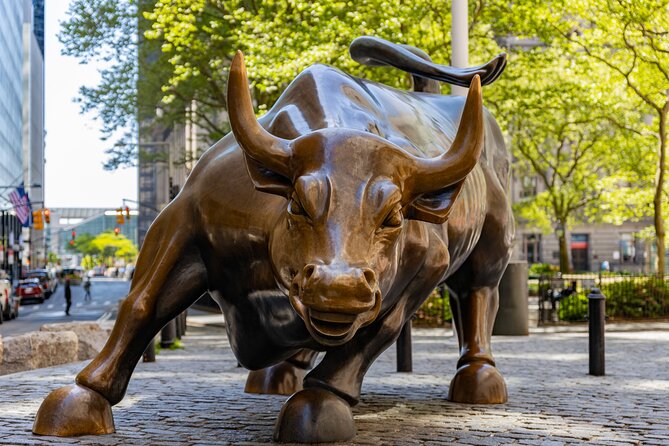
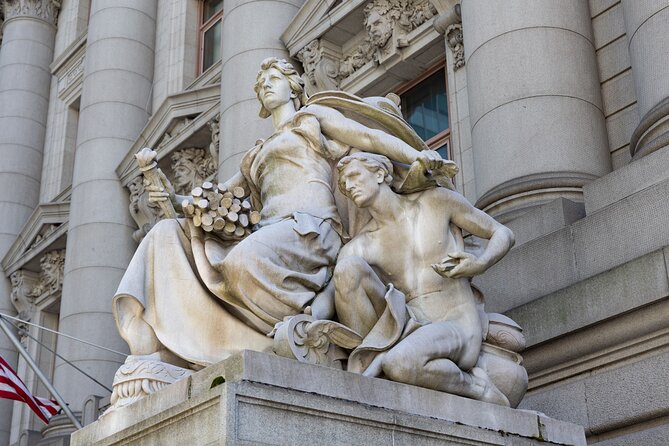
The highlights promise architecture and iconic landmarks, and you definitely get that sense of Wall Street as a design statement. But I do not think the tour asks you to admire buildings like a museum. It asks you to notice them as tools of power and identity.
As you walk through the heart of Wall Street, you see the classic heavy stone and high-status institutional vibe. That matters because finance is a performance. It tells people who is in control, how serious things are, and what kind of legitimacy a system claims.
Here is what I recommend you do while you are walking: look up, then look at the street details. Notice how the buildings frame the sidewalk and how they pull your attention toward the center of money. Then connect that to the story you have already been told, about trading origins, institutional growth, and the fallout from crashes.
You will also feel the pace here. Since the tour is only two hours, stops are time-efficient. You are not meant to linger for a long time at every landmark. Instead, you get multiple quick windows into meaning.
If you need time to process, take one minute at each stop to write a mental note: building means power, history means accountability, and the street is the stage.






9/11 rebirth, loss, and how a city tries to move forward
Lower Manhattan’s rebirth after the devastating events of 9/11 is part of the tour’s arc. This is where the tone can shift from finance mechanics to real civic consequences.
You get the sense that Wall Street is not only an economic engine. It is part of the city’s identity, and identity gets wounded. The tour ties the rebuilding story into the larger idea of who pays during times of crisis, and how recovery can create a new image while older pain remains part of the landscape.
I like that this topic is included in a money-focused tour, because it corrects a common mistake: treating Wall Street as if it exists in a bubble. It does not. The area has suffered, rebuilt, and kept functioning, which is exactly why this history matters.
In practical terms, this is also why you should prepare emotionally. If you are sensitive to serious topics, go in knowing the tour covers major events and the human impact of them.
The people behind the money, from women pioneers to enslaved labor
One of the most compelling parts is how the tour describes the people who shaped Wall Street. It does not only highlight investors and business leaders. It includes women pioneers and forgotten enslaved laborers, along with visionaries, financial innovators, and robber barons.
That mix matters because finance is made by humans, and humans do not all share the same level of freedom, safety, or credit. When the tour brings in women pioneers, it nudges you to question how stories get told. When it mentions enslaved laborers, it pushes you to face the uncomfortable truth that wealth and institutions often grew from exploitation.
Robber barons show up as a reminder that aggressive ambition can get moral cover through the language of progress. Meanwhile, innovators and visionaries provide balance by showing that change also comes from invention and from people trying to solve problems.
I think this is the kind of inclusion that makes a short walking tour feel more complete. You do not just learn what happened. You also learn who was involved and who was pushed out.
And if you want an honest Wall Street story, not the polished version, this is a strong reason to pick this tour.
Price and value: is $49 worth 2 hours in New York?
The price is $49 per person for a 2-hour, live guided experience. That is a fair rate for a city like New York, especially because you are not just getting a route. You are getting narration that connects multiple eras, including early trading roots, European influence, stock market crashes, and Lower Manhattan’s rebirth.
Value comes down to fit. If you want a fast, story-heavy walk through how money and power formed, you get solid value for your time. One booking rated it 5 out of 5 for being very interesting, with a guide Jess called very nice. Another praised how jam-packed and history-filled it is.
But there is also a caution sign. A low rating rated it as not worth what was paid. That usually means mismatch, like pace or expectations not lining up. Since the tour is fast paced, you should assume you will absorb a lot without long breaks.
My advice: if you like guided context and you are comfortable walking for two hours, $49 can feel like a smart buy. If you prefer slow pacing, deep museum-style detail, or lots of time for photos and questions, you might feel the constraints.
Who should book this Wall Street walking tour
This tour is a good match if you:
- Want the financial and political roots of Wall Street, in a storyline you can remember
- Like architecture stops that support the history instead of competing with it
- Are curious about the human side of finance, including women pioneers and the darker labor history
- Prefer walking tours that use time efficiently
It might not be your best choice if you:
- Need lots of downtime for longer explanations or slow sightseeing
- Get overwhelmed by fast paced group tours
- Want food breaks built into the schedule (food and drinks are not included)
Also, if you care about accessibility, it is listed as wheelchair accessible. Still, you should bring practical expectations for sidewalks and street crossings in New York.
Final call: should you book this tour or pass?
I would book this if you want a sharp, two-hour Wall Street story that connects money, power, crisis, and recovery. The best part is the way the tour links early trading roots, European merchant influence, stock market crash fallout, and the reshaping of Lower Manhattan after 9/11 into one walkable narrative.
Skip it if you dislike fast pacing. This tour is jam-packed with history, and it moves quickly.
If you can handle a quick pace, wear comfy shoes, show up at the Museum of the American Indian entrance, and be ready to learn more than you planned, you will likely feel like $49 was spent on meaningful context, not just walking.
FAQ
Where is the meeting point for the How Money Was Made tour?
Meet the guide in front of the Museum of the American Indian. The guide will be holding up a Red, Inside Out Tours Flag.
How long is the walking tour?
The tour lasts 2 hours.
How much does it cost per person?
It costs $49 per person.
What’s included in the ticket price?
The guide is included. Hotel pickup and drop-off, plus food and drinks, are not included.
Does the tour run in rain?
Yes. The tour will take place rain or shine.
Is the tour wheelchair accessible?
Yes. The tour is listed as wheelchair accessible.
What should I bring and what languages are available?
Bring comfortable shoes. The live tour guide is in English.
Can I cancel and does it offer flexible payment options?
You can cancel up to 24 hours in advance for a full refund. There is also a reserve now & pay later option, where you can book your spot and pay nothing today.
More Walking Tours in New York City


More Tours in New York City




More Tour Reviews in New York City
Not for you? Here's more nearby things to do in New York City we have reviewed









More Wall Street Tours to consider.
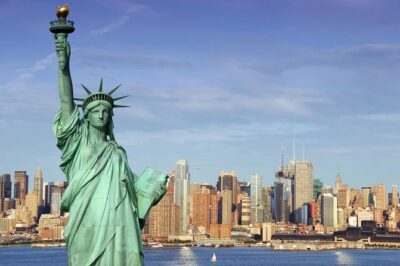 ★ 4.5NYC City Tour: Statue of Liberty, 9/11 Memorial, Wall StreetTickets from $392,059 traveller reviews
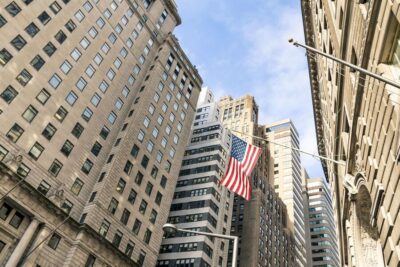 ★ 4.5Wall Street Insider Tour with a Finance ProfessionalTickets from $39660 traveller reviews
★ 4.5Wall Street Insider Tour with a Finance ProfessionalTickets from $39571 traveller reviews
★ 4.5Wall Street Insider Tour with a Finance ProfessionalTickets from $39660 traveller reviews
★ 4.5Wall Street Insider Tour with a Finance ProfessionalTickets from $39571 traveller reviews
 ★ 5.0Manhattan Group Tour Including Wall Street and 911 MemorialTickets from $39408 traveller reviews
 ★ 4.6Wall Street Tour with 9/11 Memorial and Statue FerryTickets from $39367 traveller reviews
 ★ 4.9Wall Street and Financial District Walking TourTickets from $34284 traveller reviews
 ★ 5.0How Money Was Made Wall Street Walking TourTickets from $49185 traveller reviews
 ★ 5.0Wall Street and Financial District Walking TourTickets from $34116 traveller reviews
More useful New York routes