
Review · GREENWICH VILLAGE TOURS
Semi-Private Greenwich Village Walking Tour
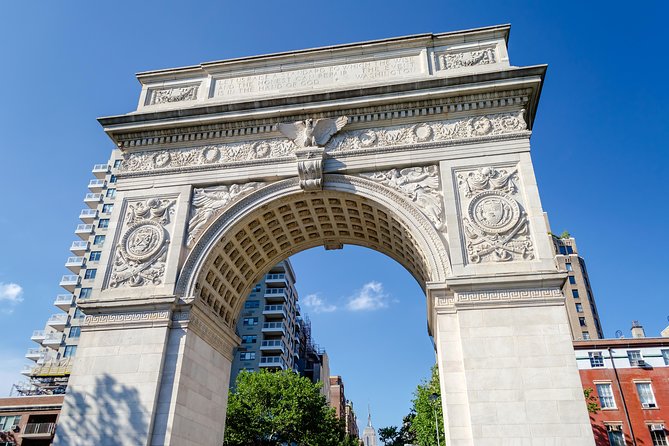
Greenwich Village turns history into footsteps. This small-group walk is built around recognizable streets and landmarks, then connects them to big moments in American culture and politics. I like how the route keeps pulling you from story to place, and how you get time in and around Washington Square Park to see why it still draws performers and protest energy today.
You will also appreciate the practical guidework. Stops are aimed at essentials like the Edgar Allan Poe house, the Brown Building at NYU, and the Stonewall Inn area, with side stories about where famous musicians got their starts, plus a pass by places tied to comedy performances. One drawback to plan for is that it is a decent amount of walking, and it runs in all weather, so comfortable shoes and a rain layer matter.
With a typical duration of about two hours, it is an easy way to get your bearings in a neighborhood that is easy to wander but hard to interpret on your own. The tour is offered in English and capped at 20 people, which helps keep the pace conversational when your guide, like Joel or Connor, is telling stories with energy and lots of follow-up answers.
Key things you will notice on this Greenwich Village walk
- Start at Waverly Diner, right at 6th Avenue and Waverly Place, so you begin with a real local anchor
- Washington Square Park time, where your guide connects the park’s scene to larger social change stories
- The Triangle Shirtwaist tragedy site at NYU (Brown Building), explained as a labor movement turning point
- McDougal Street and performance origins, including early-career ties to Bob Dylan, Jimi Hendrix, and Bruce Springsteen
- Comedy Cellar pass-by context, linking modern stage names like Jimmy Fallon and Jerry Seinfeld to the neighborhood’s comedy history
- Christopher Street and Stonewall Inn, framed as a flashpoint for the gay rights movement
Why this Greenwich Village walk works so well in 2 hours
Greenwich Village is one of those places where you can spend days wandering and still feel like you missed the point. This tour is designed to solve that problem fast. It strings together landmarks you likely already recognize from photos and pop culture, then adds the human stories behind them.
I especially like that the tour is not just about famous names. It focuses on how the Village supported social and political movements, and it keeps returning to the idea that streets and buildings can be evidence. When your guide points out a site tied to labor rights or a corridor tied to LGBTQ activism, you start seeing the neighborhood as an ongoing argument about freedom.
Another strong value here is the guide format. You get a local guide and a small group tour, not a big bus-style shuffle. In the feedback you provided, guides such as Joel, Connor, Patrick, Liz, and Percy stand out for pacing and for answering questions without making the walk feel like a lecture. That matters when you want to ask, wait, and then keep moving.
You can also read our reviews of more walking tours in New York City


The first leg: meeting at Waverly Diner and heading toward Washington Square Park
The walk starts at Waverly Diner, 385 6th Ave, at the corner of 6th Avenue and Waverly Place. The point of this meeting spot is simple: it gets you moving immediately into the Village’s street grid and gives you a real sense of neighborhood scale. You are not standing around waiting in an office. You are already in the working city.
From there, you head toward Washington Square Park. This is where the tour’s balance shows. You get the headlines, like landmark sites nearby, but you also get the texture: the park as a place where music, performance, and protest still happen in public view.
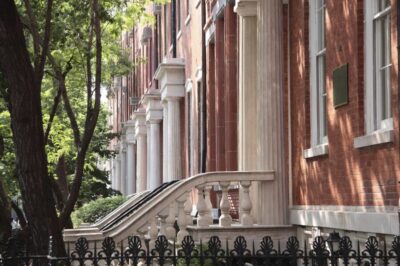
If you are the kind of traveler who likes to look up at architecture and doorways, this start helps. The early blocks are full of details you would normally speed past. With a guide in your ear, even ordinary street corners feel like chapters.
Practical note: the tour is about two hours, so you should plan to stay fully with the group. The operator notes that once the tour begins, if you decide not to follow the guide’s instructions, they cannot guarantee you can reunite with the group. That is not meant to be scary, it is just how walking tours work when the route is tight.
Washington Square Park: where the guide turns the public square into a story
You will spend time in Washington Square Park, which is one of the best places in NYC to watch people and meanings collide. The tour includes time to walk around, and your guide frames what you see with context. That is key, because the park is not only a pretty postcard stop. It is an ongoing stage.
This is also where your guide ties the neighborhood’s role in social and political movements to what still happens today. The point is not to make you memorize dates. It is to help you understand why the Village has a reputation for protest and creative culture.
You will likely notice a split between two kinds of travelers: those who come for photos and those who come for atmosphere. This tour satisfies both. Your park time gives you a window to notice musicians and performers, and it gives you a moment to breathe before the next shift into labor and activism stories.
Edgar Allan Poe and the Village’s literary pull
One of the tour’s anchor highlights is the Edgar Allan Poe house. Even if you are not a dedicated Poe reader, the Village connection matters. This is the kind of site that makes you realize NYC is not only modern. It has layers.
A good guide brings the building into focus and then explains why this neighborhood attracted writers, artists, and oddballs willing to live outside the official script. In the experience feedback you shared, the strongest comments praise guides for making the stories feel alive, not just recited.
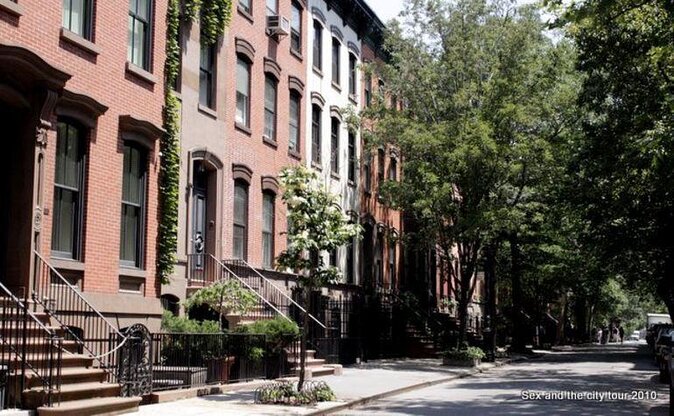
This is a good time to do your own side observation. As you look at the streets near the Poe connection, notice how many buildings feel designed for people, not cars. That street-by-street human scale is part of why Greenwich Village has endured as a creative magnet.
NYU’s Brown Building and the Triangle Shirtwaist Factory fire
Next comes one of the tour’s most important stops: the Brown Building at NYU, tied to the 1911 Triangle Shirtwaist Factory fire. Your guide explains the tragedy and why it became a turning point for the American labor movement, generating attention around workers’ rights and safety.
This is not a cheerful detour, and that is the point. If you only tour Manhattan monuments, you can miss how labor protections were fought for in real workplaces. The Village is one of those neighborhoods where you can walk from lively street culture into serious history without crossing a museum threshold.
A practical benefit here is that a good walking guide helps you handle emotional material without turning it into a history class. The narrative framing matters, especially for travelers who want context but do not want to feel overwhelmed.
If you have any interest in labor history, civil rights, or activism, this section is the one you will likely think about later. It turns the idea of public safety into something you can picture, not just something you read in a textbook.
You can also read our reviews of more private tours in New York City




McDougal Street, famous music origins, and where to spot the creative momentum
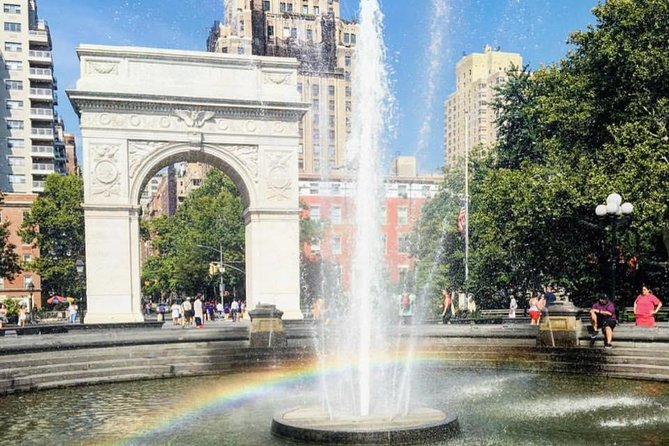
After the NYU stop, the tour wanders down McDougal Street. This is one of the Village lanes where the past feels close to the present. Your guide shares the role of the neighborhood in launching major performers’ careers, including Bob Dylan, Jimi Hendrix, and Bruce Springsteen.
Even if you know the big names, it is the neighborhood scale that surprises you. In NYC, a star can be born, not in a giant arena, but in small clubs and cafes where people had the nerve to try something new. When your guide points out these contexts, the Village feels less like a theme park and more like a generator of ambition.
You’ll also get a practical food moment. The tour includes guidance on where to get the best slice in the city. No specific restaurant name is given in the info you shared, but you should treat this as a chance to ask your guide for a recommendation that fits your taste, like thin versus thick slice, and whether you want a quick take-out stop or a sit-down pause.
Comedy Cellar pass-by: comedy, celebrity, and a very NYC kind of continuity
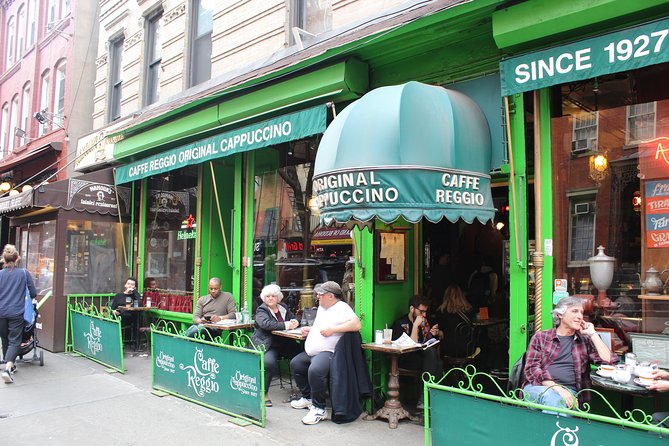
The tour also includes a pass by Comedy Cellar. The information you provided links it to performers who still appear there, including Jimmy Fallon, Jerry Seinfeld, and Dave Chappelle.
This kind of stop works because it is not only about fame. It is about place-based continuity. The Village has long supported stand-up and performance culture, and your guide helps connect the neighborhood’s identity to stages where new talent and established names share the same room.
If you are traveling with someone who likes comedy, this part can be a fun contrast to the more serious stops earlier. The route keeps moving, but your brain gets breaks: a tragic turning point, then a street-level reminder that New York’s sense of humor is also part of its political culture.
The Stonewall Inn area: how the walk ends with activism you can still feel
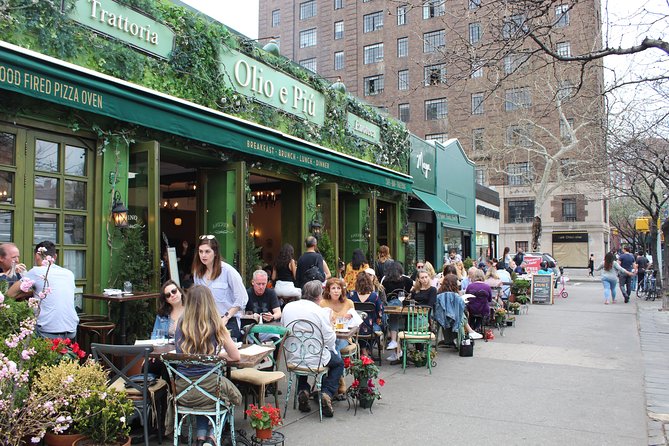
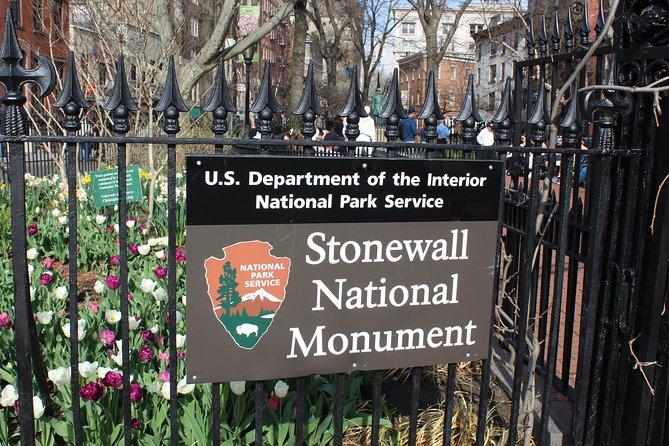
The tour finishes by heading down Christopher Street, ending at the corner of 7th Ave S and Christopher Street near Hess Triangle. Along the way, you see The Stonewall Inn and learn about the gay rights movement that emerged from the Stonewall Riots area.
This end section is powerful because it connects modern identity politics to a specific location in the real city. You are not just hearing about LGBTQ history in a general way. You are standing in the neighborhood where that history became public and unavoidable.
Even if you have read about Stonewall before, a walking format helps you understand how neighborhoods shape movements. Streets provide meeting points. Bars provide gathering rooms. Curbs and sidewalks provide the audience. When your guide frames Stonewall in that spatial way, the story sticks.
Friends apartment building and pop culture as a gateway, not the point
One of the stops in your tour flow is the Friends apartment building. Even though the sitcom is pop culture, this kind of stop can still be useful on a historical walking tour because it helps you transition from what you recognize to what you do not.
The best way to treat this is as a gateway. Take the photo if you want, then listen closely to how your guide connects that building to the neighborhood’s broader feel and earlier artistic life. In the Village, pop culture and creative history often overlap, because the neighborhood itself is part of the brand.
Pace, shoes, and weather: how to prepare like a smart Village walker
The tour includes a decent amount of walking, so plan on your legs getting a workout. The operator also states it operates in all weather conditions, so you will want to dress for rain, wind, or cold. A morning walk in NYC can feel mild at the start and then change quickly, especially if you are wearing the wrong shoes.
My practical advice is to wear shoes you can walk in for two hours without thinking about it. If you are tempted to wear stylish sneakers, test them first. Your feet will thank you when you are still moving at the end near Hess Triangle.
Also pay attention to this line of guidance: if you decide to stop following the guide during the tour, they cannot guarantee they can reunite you with the group. So if you want to take a photo, do it quickly and stay within sight.
If marches or parades are happening, your route may deviate. This is normal for NYC. A flexible guide route is part of keeping the tour safe and moving.
Price and value: what $39 buys you on this route
At $39 per person for about two hours, this tour sits in the sweet spot for NYC walking experiences. You are paying for three things: a local guide, a small-group format, and a curated sequence of stops that would take you much longer to string together on your own.
The experience includes a local guide and a small group tour, and you receive a mobile ticket. It is also offered in English, which matters for travelers who want a smooth, easy-to-follow story without translation gaps.
Here is where the value really shows: the tour is not only listing sights. It is providing interpretation, from cultural origins like music and comedy to serious history like the Triangle fire and Stonewall. When a walking tour connects those dots with good pacing, it feels worth every subway stop you skipped.
If you are doing a first NYC trip and want one neighborhood walk that gives you both fun and substance, this is a strong use of time. It is also a good pick for repeat visitors who already know Midtown but want to understand why the Village acts the way it does.
Who should book this Greenwich Village tour
This is a great fit if you want:
- A small-group walk with an expert guide who tells stories with energy and answers questions on the fly, the way guides such as Connor and Percy are described
- A blend of major landmarks and neighborhood atmosphere, not just one or the other
- A route that covers both creative culture and social movements, from Poe and comedy to the Triangle fire and Stonewall
It is also a solid choice if you travel with teens or family members, as long as everyone can handle a brisk walk. The tour data notes that children under 18 must be accompanied by an adult at least 21 years of age.
Should you book this Greenwich Village walking tour?
I would book it if you want a focused two-hour dose of Greenwich Village that goes beyond street photos. The price is reasonable for NYC, and the route gives you real anchors: Washington Square Park, the Poe connection, the NYU Brown Building and Triangle Shirtwaist fire, McDougal Street’s performance lore, Comedy Cellar, and the Stonewall Inn area.
You might skip it only if you are looking for a low-walking, sit-and-stroll experience, or if you want a tour that focuses on one theme only, like purely literary stops or purely activism. This one is intentionally mixed.
If you bring good shoes, expect outdoor time, and show up ready to walk and ask questions, this is one of those NYC tours that helps the neighborhood click into place.
FAQ
How long is the Greenwich Village walking tour?
It lasts about 2 hours.
Where does the tour start and where does it end?
It starts at Waverly Diner, 385 6th Ave (corner of 6th Ave and Waverly Place) at 10:00 am. It ends near Hess Triangle, 110 7th Ave S at the corner of 7th Ave and Christopher Street.
What is the price per person?
The price is $39.00 per person.
What is included in the tour price?
The tour includes a local guide and a small group tour.
Is the tour offered in English?
Yes, the tour is offered in English.
Does the tour run in bad weather?
It operates in all weather conditions if conditions are suitable. If it is canceled due to poor weather, you will be offered an alternative date or a full refund.
Do I need to confirm after booking?
No, you do not need to confirm with the office after booking. Confirmation is received at the time of booking.
More Walking Tours in New York City


More Tours in New York City





More Tour Reviews in New York City




Not for you? Here's more nearby things to do in New York City we have reviewed






More Greenwich Village Tours to consider.
 ★ 5.0Greenwich Village Food Tour with 6 Locals Favorites DishesTickets from $971,812 traveller reviews
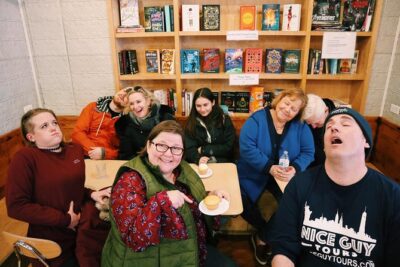 ★ 5.0Greenwich Village Walking and Food Tasting TourTickets from $941,572 traveller reviews
 ★ 5.0Artistic, Alternative Greenwich Village Walking TourTickets from $39971 traveller reviews
 ★ 5.0NYC Greenwich Village Italian Food Guided Walking TourTickets from $89627 traveller reviews
 ★ 5.0Greenwich Village Food Tour | Tasty Tours NYCTickets from $79549 traveller reviews
 ★ 4.5New York City Ghost Tour of Greenwich VillageTickets from $39466 traveller reviews
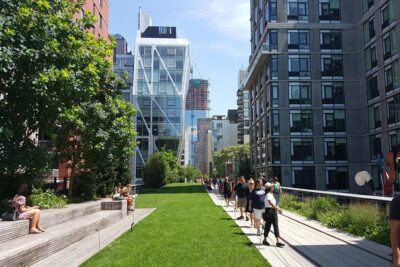 ★ 5.0High Line Park and Greenwich Village Food TourTickets from $159398 traveller reviews
 ★ 4.8Greenwich Village Guided Walking TourTickets from $39300 traveller reviews
More useful New York routes