
Review · WALL STREET TOURS
Wall Street: The birth place of NYC in French/English tour
New York starts small, then turns into Wall Street. This 3-hour French/English walk through Lower Manhattan is a fast, story-packed way to understand how the city was shaped, with standout stops like Federal Hall and Trinity Church. I also like how the guide leans on real-world street details and keeps the pace human, but one possible drawback is you will be doing a lot of walking on uneven sidewalks and tight corners.
If you want the Financial District without the usual wandering, this tour gives you a clean east-to-west route that connects the Lenape past to today’s busy skyline. The best part for me is the anecdotes and the way the guide strings locations into a cause-and-effect story, not just a list of landmarks. You’ll likely love it most if you enjoy history that shows up in the street itself, from cobblestones to old tavern foundations.
Key things I’d plan around
- Guide-led value: A NYC licensed guide, led in French or English, with lots of street-level stories and practical context.
- Old meets new Lower Manhattan: You’ll see major early-era sites and how they connect to the Stock Exchange era.
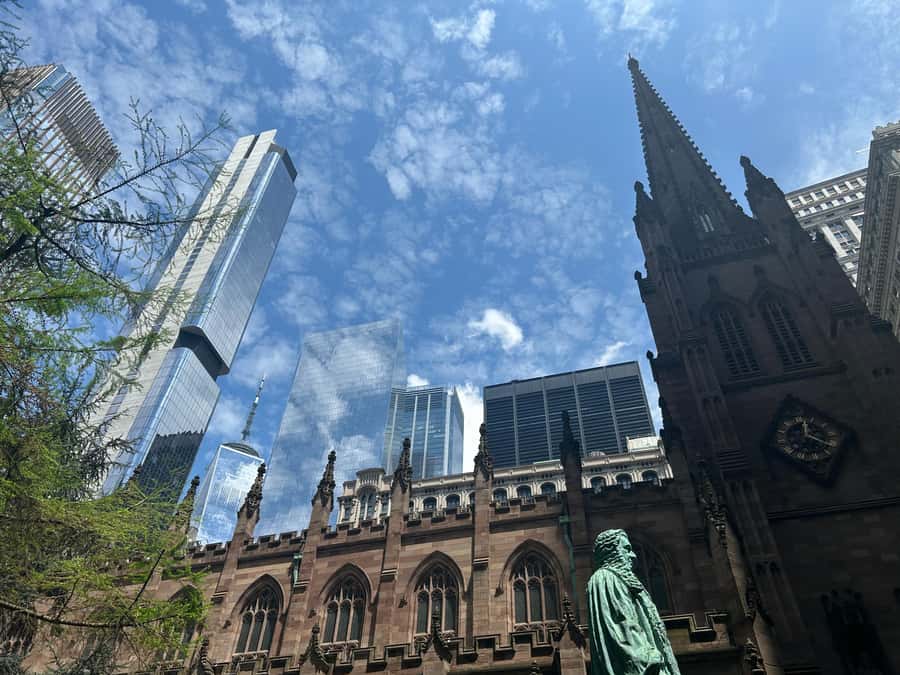
- Classic FiDi landmarks, plus surprises: Federal Hall, Trinity Church, Hamilton’s tomb, Fraunces Tavern, Stone Street, and more.
- Taverns and Dutch-era clues: The story of the Wall of Wall Street and even Dutch tavern foundations.
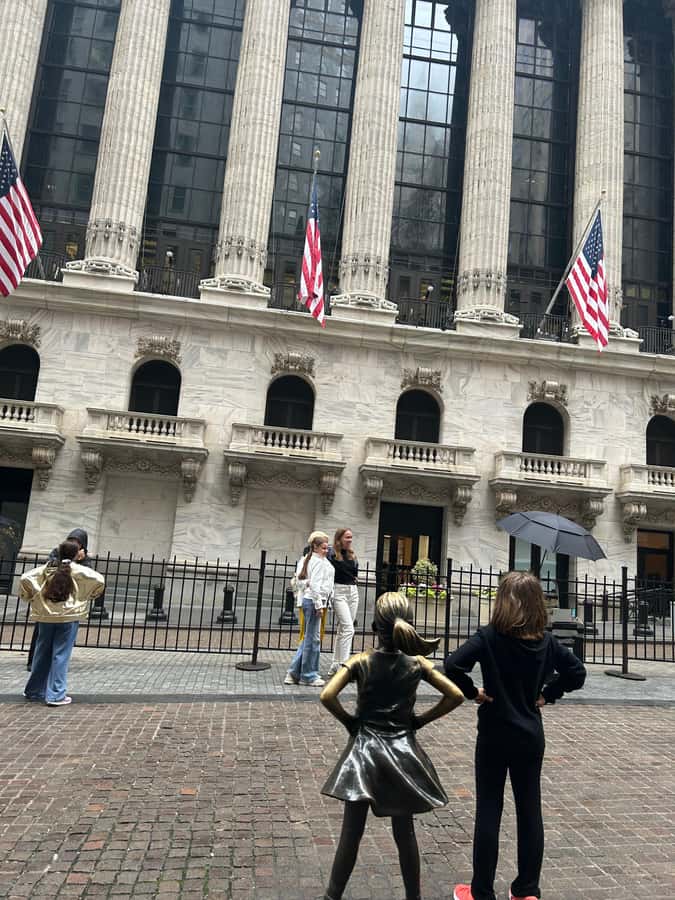
- Photo stops with context: Charging Bull and Fearless Girl, treated as meaningful symbols, not just street art.
- A strong ending: The walk finishes at the World Trade Center site, which brings the whole route into focus.
Wall Street in 3 hours: why this route is a smart start
This tour is built like a good city intro. You start on the “birthplace” side of Manhattan and work your way across the southern tip, moving east to west through the Financial District. In about three hours, you cover the kind of spread that would normally take you an entire afternoon of aimless map-checking.
What makes this format work is that the stops are tied together. Old streets explain why the neighborhood looks the way it does. Taverns and print shops help you imagine what daily life felt like. And then the tour pivots into institutions, where the story turns from neighborhood history to global finance.
If your first day in New York is short, you’re going to appreciate that this route hits the “can’t-miss” landmarks while still giving you the lesser-known corners that make FiDi feel like a lived-in place rather than a set.
You can also read our reviews of more tours and experiences in New York City.



Meet David in the Financial District, and why the guide matters
You meet at the man with the hat in front of the iPic theater. From there, the whole experience depends on the guide’s style, and that’s where this one earns its top scores.
The guide behind this tour, David, is a French native with an obvious love for America and a strong command of the details. He has the feel of a sidewalk teacher, the kind who can explain what you’re standing next to and why it matters without turning it into a lecture. He also brings plenty of anecdotes and a light touch of humor, which keeps the walk moving and makes the big sites easier to remember.
One practical note: because this is a walking tour (and FiDi sidewalks can get crowded and narrow), having a guide who can manage timing and keep the group together is not a small thing. The smoothness of the tour is part of the value.
From Lenape origins to Stone Street: getting your bearings fast
A good Wall Street tour should answer one question quickly: how did this area become what it is today? This one starts by grounding you in the earliest chapter, going from the Lenape tribe era toward the city that eventually became New York.
Then you shift into the physical evidence you can still see. Early Lower Manhattan isn’t just “history in books,” it’s history in street lines. The tour includes Stone Street, described as the first street of New York City, and you’ll walk the area with that idea in mind, looking at how people moved and clustered.
You also visit the city’s oldest print shop. That stop isn’t there just for a name drop. Print shops matter because they tie the city to information, politics, and the spread of ideas. Even if you only catch a short snapshot of what’s inside or nearby, it helps you understand why a trade-focused city needed communication as much as it needed commerce.
And if you like a breather mid-walk, the itinerary includes a hidden pause: a tucked-away park off the busy streets. In a neighborhood that’s all angles and office towers, that kind of pocket stop makes the storytelling feel human.
Dutch tavern foundations and the first paved street you can still picture
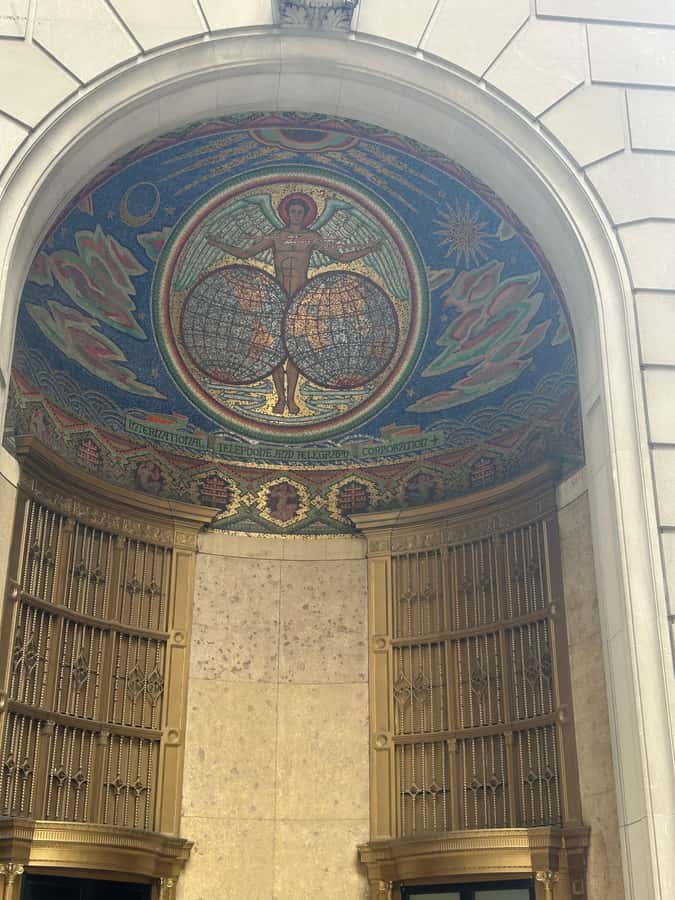
One of my favorite parts of Lower Manhattan is how often you find proof that the city layers on top of itself. This tour leans hard into that idea.
You walk along New York’s very first paved street, then you get into the Dutch-era story, including the foundations of a Dutch tavern. Those ruins or foundations do something modern plaques can’t. They help you picture how people gathered, traded news, drank, negotiated, and argued. Taverns were social infrastructure, not just places to grab a meal.
You also learn about the Wall of Wall Street and its story. The “wall” idea sounds simple until you realize it changed how people moved and where they felt safe. When you hear the explanation while standing near the modern finance skyline, it clicks: FiDi is built on older boundaries, even if the wall itself is long gone.
This is also the stretch where the tour’s focus on detail pays off. Instead of racing to big icons, you’re looking at the scaffolding of early settlement.
Trinity Church, Hamilton’s tomb, and Federal Hall’s oath moment
If you want the emotional center of Lower Manhattan, you can feel it around Trinity Church and Federal Hall.
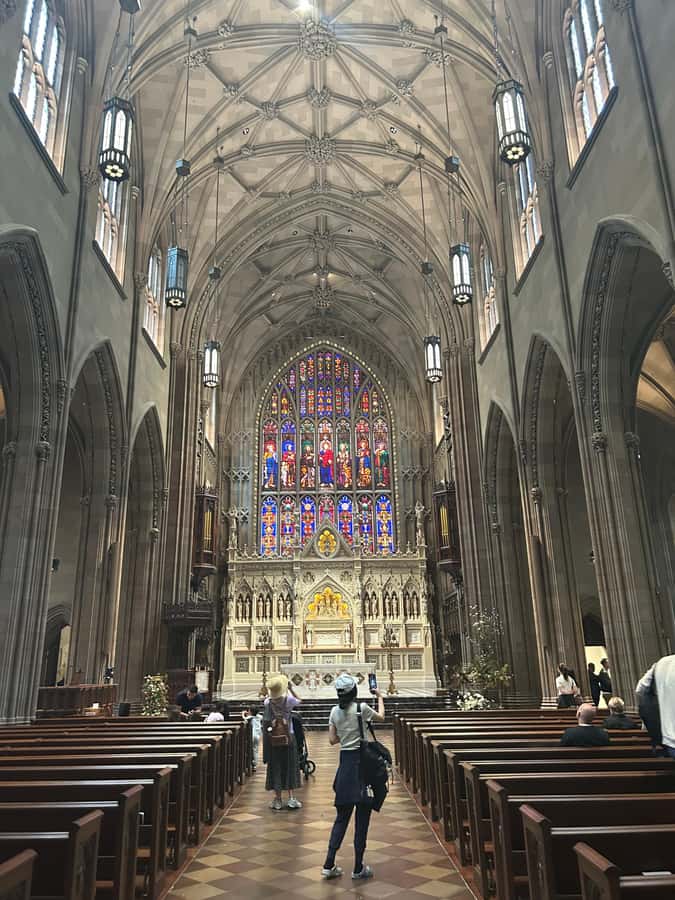
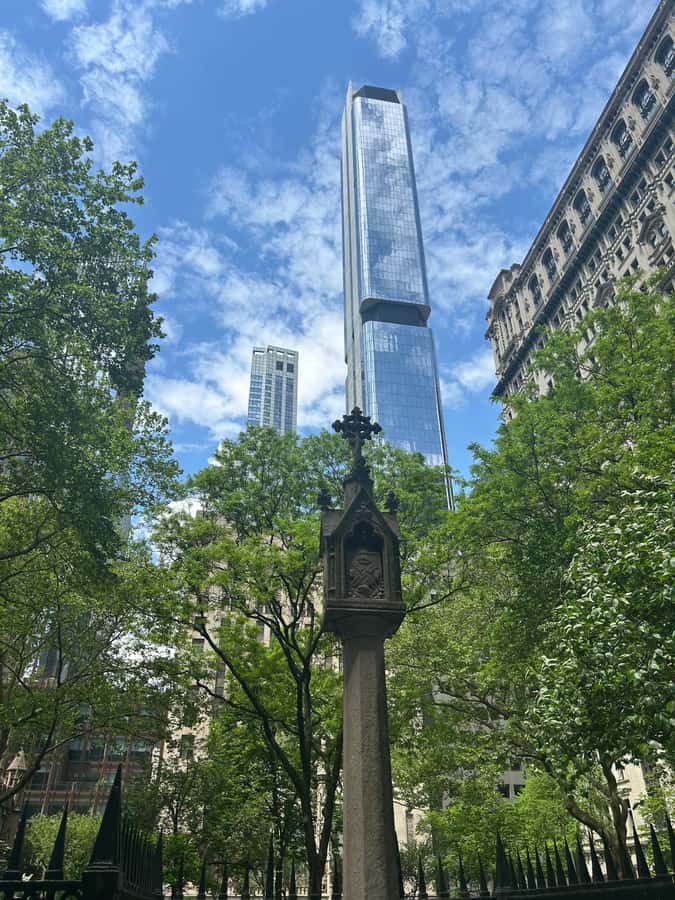
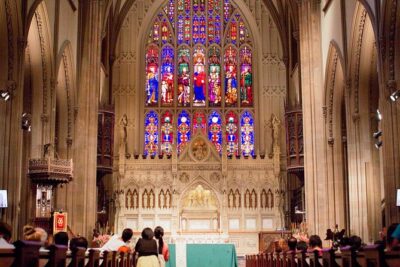
The tour includes Trinity Church, its cemetery, and Hamilton’s tomb. Trinity is the kind of place where silence and scale do half the work for the guide. The cemetery adds weight, because it turns famous names into real people laid down in the city’s geography.
Next comes Federal Hall, which is tightly connected to the early leadership of the country. The standout promise here is George Washington’s oath of office, paired with a Washington statue stop. What I like about this part is that it connects civic change to the physical buildings. You’re not just hearing a date, you’re standing where the moment is supposed to have carried weight.
And because this walk heads through places tied to founding-era governance and later finance, you get an easy through-line: the same streets that held political beginnings later became the stage for American money culture.



Wall Street, the Stock Exchange, and two statues with big symbolism
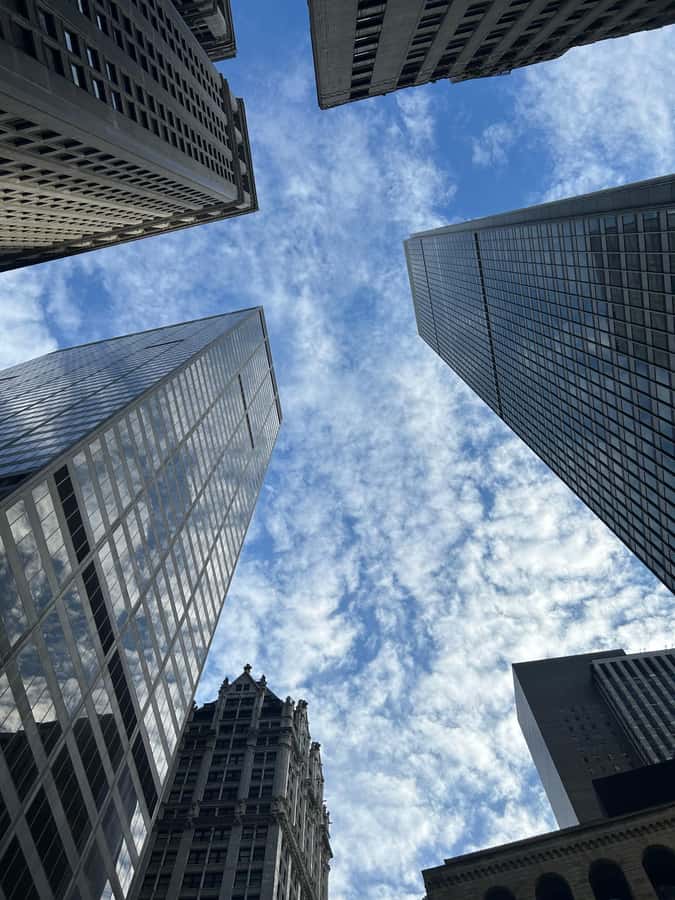
Wall Street itself is included, along with the Stock Exchange old and new. Even if you only glance at the buildings, the guide’s job here is to connect the dots between the early market mindset and the modern institution you see today.
Then you hit two famous sculptures: Charging Bull and Fearless Girl. These are often treated as quick photo stops, but in this tour they’re framed as symbols with a story and controversy around how they communicate power and gender. It helps to get that context while you’re literally standing there. You’ll likely see people taking pictures, but you’ll also understand what the statues represent beyond their popularity.
If you’re the type who cares about meaning and not just angles, this part is a win. If you’re only there for photos, you can still enjoy it, but the value comes from being told what to look for and what the symbolism is trying to say.
Fraunces Tavern, the oldest standing spots, and your “pause and reset” stops
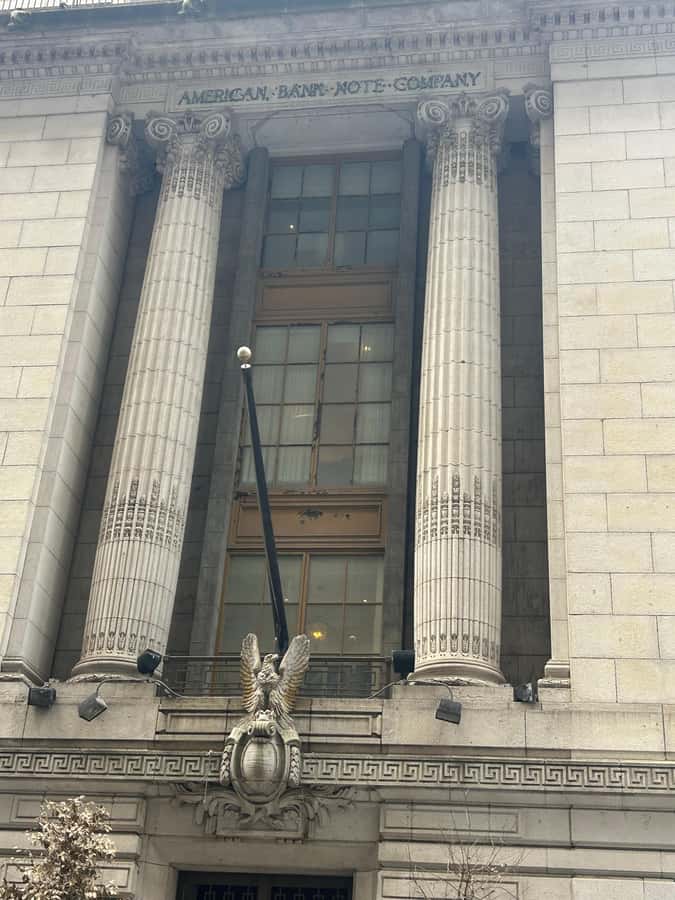
The route includes Fraunces Tavern, often known in connection with the Revolutionary era, plus other long-standing landmarks such as the oldest tavern still in operation and the oldest standing in NYC. The tour also points out the kind of everyday endurance Lower Manhattan is famous for: some places are still standing, while the city around them has changed completely.
There’s also an elevated park stop with views of Brooklyn. That’s not just a break from walking. It’s a chance to reframe what you’ve been seeing. Looking outward gives you scale, and scale helps you understand why finance and shipping drove this part of Manhattan so hard.
Finally, the itinerary includes a food moment: the most original bagel shop in town. I like that this is built into the tour because it stops the day from becoming a constant “walk, look, repeat” cycle. You can refuel without derailing your schedule.
National Museum of the American Indian and New York’s first park
Not every Wall Street tour includes this kind of cultural stop, and that’s why I think it’s worth considering. The tour includes the National Museum of the American Indian, plus New York State’s very first park.
This is a smart pairing. As you walk from early settlement and politics into a modern finance district, it’s easy to forget that New York is bigger than money buildings. The museum and the first-park stop bring you back to identity, community, and the idea that public space has always mattered.
And the first park angle is more than trivia. Seeing how early public space existed in the city’s planning helps you understand why certain neighborhoods feel accessible, while others feel like you’re trapped in a corridor of offices.
Ending at the World Trade Center site: why the conclusion lands
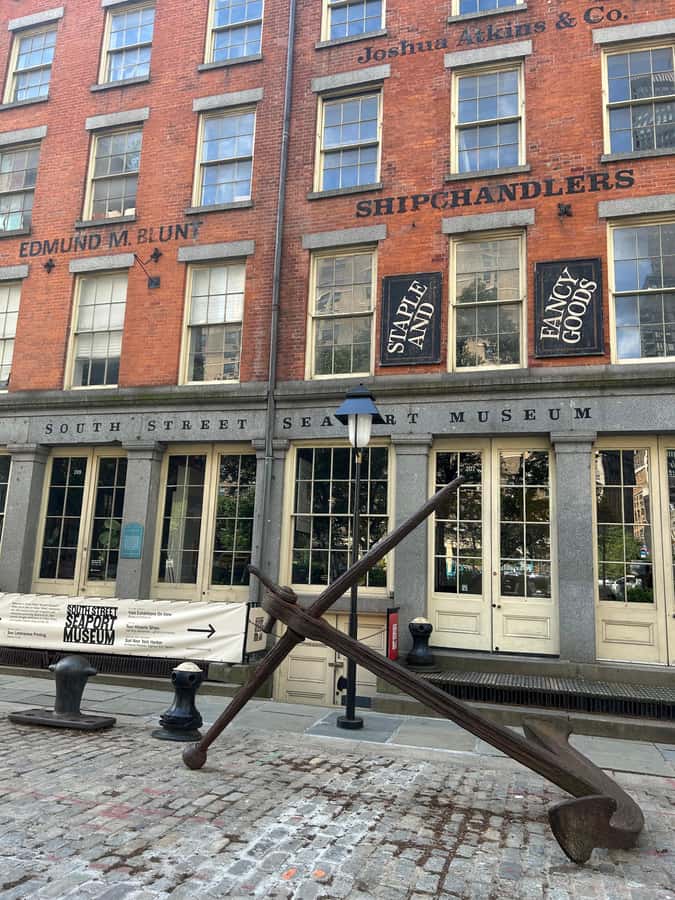
The tour ends at the World Trade Center site. That ending matters, because the Financial District story is not only about success. It’s also about risk, resilience, and what the city chooses to remember.
You finish there with “many more surprises along the way,” which keeps the walk from feeling like one straight line of monuments. But the final location shifts the mood naturally. Even if you’ve heard the events before, seeing the conclusion as part of a city origins and evolution route helps tie the day together.
It’s one of those endings that can make the previous stops feel heavier and more real.
Price and practical value: is $70 fair for a 3-hour Wall Street walk?
At $70 per person for 3 hours, this tour is priced like a quality guided experience. It’s not a budget “passive sightseeing” add-on, but you’re also not paying for a single stop or two big landmarks.
You’re paying for a bundle: multiple major sites (Federal Hall, Trinity Church, Hamilton’s tomb, Wall Street, Stock Exchange old and new), plus foundational layers (the Wall of Wall Street, Dutch tavern foundations, early paved street, oldest print shop), plus context stops (museum, first park), plus a couple of well-known landmarks that still need explanation (Charging Bull and Fearless Girl, Fraunces Tavern).
In other words, the value comes from how tightly the guide connects the dots and how many high-impact stops fit into a short timeframe. If you’re the type who likes to walk and then immediately understand what you saw, that $70 can feel reasonable.
If you only want a loose stroll and don’t care about explanations, then the price may feel steep compared to self-guided roaming. But for anyone who wants context, it’s a strong way to spend your time.
Who should book, and who should plan differently
This tour is a great match if:
- you want a guided FiDi orientation that covers far more than the usual Wall Street photos
- you enjoy street-level details and stories with dates and places
- you like visiting places where American political life and finance history overlap
- you want either French or English without mixing languages on the group
It might not be the best fit if:
- you want a slow, sit-down paced day
- you dislike walking on crowded sidewalks in a major business district
- you’re looking only for modern skyline views, not historical meaning
Should you book this Wall Street tour?
Yes, if you want your Lower Manhattan time to feel purposeful. This is one of the better ways to understand Wall Street as the birthplace story of New York City, because it’s not just icons. It’s streets, foundations, taverns, and civic moments, tied together in a 3-hour walk.
Book it especially if you’re traveling with someone who gets bored with “standing still and listening.” With David’s energetic, anecdote-driven approach and the mix of serious sites plus small breaks like the park viewpoint and the bagel stop, the day keeps moving.
FAQ
How long is the Wall Street birth place of NYC tour?
It lasts 3 hours.
What languages are available?
The tour is offered in French and English.
Where do I meet for the tour?
You meet at the man with the hat in front of the iPic theater.
What are some major stops on the route?
The tour includes Trinity Church and its cemetery, Hamilton’s tomb, Federal Hall, the Stock Exchange old and new, Wall Street, Fraunces Tavern, Stone Street, Charging Bull and Fearless Girl, and it ends at the World Trade Center site.
Is the tour wheelchair accessible?
Yes, it is wheelchair accessible.
Can I reserve and pay later?
Yes, you can reserve now and pay later.
Is free cancellation available?
Yes, you can cancel up to 24 hours in advance for a full refund.
More Tours in New York City




More Tour Reviews in New York City
Not for you? Here's more nearby things to do in New York City we have reviewed









More Wall Street Tours to consider.
 ★ 4.5NYC City Tour: Statue of Liberty, 9/11 Memorial, Wall StreetTickets from $392,059 traveller reviews
 ★ 4.5Wall Street Insider Tour with a Finance ProfessionalTickets from $39660 traveller reviews
★ 4.5Wall Street Insider Tour with a Finance ProfessionalTickets from $39571 traveller reviews
★ 4.5Wall Street Insider Tour with a Finance ProfessionalTickets from $39660 traveller reviews
★ 4.5Wall Street Insider Tour with a Finance ProfessionalTickets from $39571 traveller reviews
 ★ 5.0Manhattan Group Tour Including Wall Street and 911 MemorialTickets from $39408 traveller reviews
 ★ 4.6Wall Street Tour with 9/11 Memorial and Statue FerryTickets from $39367 traveller reviews
 ★ 4.9Wall Street and Financial District Walking TourTickets from $34284 traveller reviews
 ★ 5.0How Money Was Made Wall Street Walking TourTickets from $49185 traveller reviews
 ★ 5.0Wall Street and Financial District Walking TourTickets from $34116 traveller reviews
More useful New York routes