
Review · NEW YORK CITY TOURS
3-Day Immersive Photography Workshop in New York City
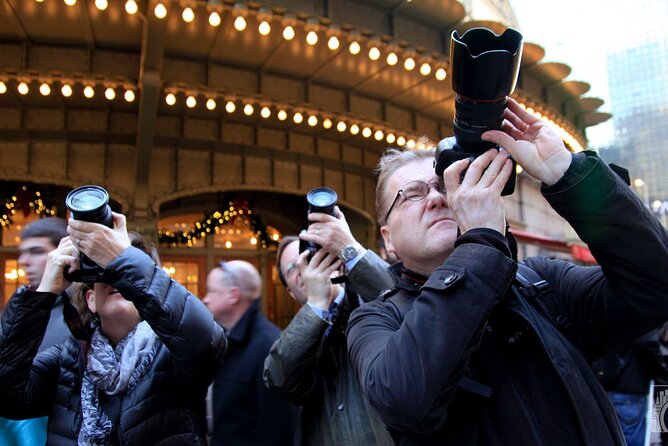
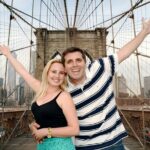
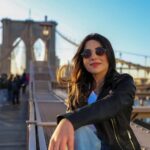
Great photos start with a strict plan. This 3-day NYC workshop turns iconic streets into a real shooting practice, with day and night sessions built around how the city looks at different times. You will work on images of the Brooklyn Bridge by daylight and again after dark, plus an evening skyline program from Top of the Rock.
I especially like the structure: a first nuts and bolts photography session to get your settings under control, then guided shooting that focuses on practical choices like aperture, shutter speed, flash, and long exposures. The instruction quality stands out too, with Zim repeatedly praised as a teacher who also keeps you moving like a smart local guide.
One thing to consider up front: this is not a sit-and-stroll tour. You will be away from your hotel about 12-13 hours each day, walking 3-4 miles and shooting 6-9 hours, so it can feel exhausting if you want lots of downtime or easy pacing.
Quick hits before you book
- Brooklyn Bridge in both light modes, so you learn what changes when the city goes dark
- Top of the Rock ticket included, paired with skyline shooting views
- A tripod rental for two night shoots, so you can do long exposures without scrambling
- Max 8 people, which makes it easier to get help with your own camera
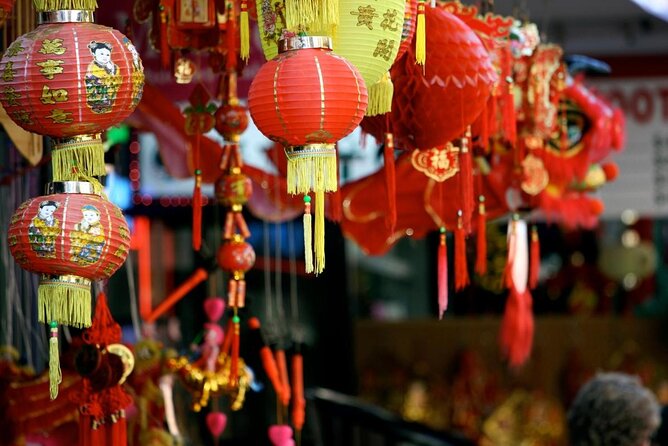
- Chinatown and the Lower East Side, added for people, streets, and immigrant-era visuals
- A one-week subway pass, so you spend less time planning transit and more time shooting
Price and what you get for $1,223.41
At $1,223.41 per person for a 3-day program, this is priced for serious camera time and instructor attention, not a casual sightseeing day. Think of it as you paying for guided technique plus the chance to shoot NYC in a planned sequence, including night sessions when good results usually demand a tripod, steady technique, and confidence with shutter speed.
You also get real add-ons that matter for value:
- a 1-week subway pass
- admission to Top of the Rock
- a professional photographer guide
- tripod rental for the two night shoots
Accommodation and meals are not included, so you will need to budget for where you sleep and how you eat. That is normal for this kind of intensive workshop, but it does change the true cost of the trip. If you are already paying hotel prices in Manhattan, you might feel the total cost more than you expect.
Group size is capped at 8 travelers, which is a big deal at this price point. Smaller groups mean less crowding at photo spots and more chances for coaching when your settings or framing are not working.
You can also read our reviews of more city tours in New York City
The 3-day rhythm: long days, lots of frames, real learning
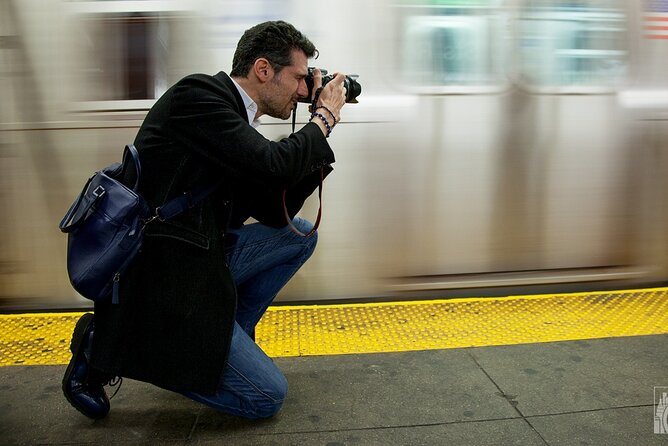
This workshop is built around a schedule that is intense by design. Expect to be out for 12-13 hours each day, with 6-9 hours of active shooting. You will walk roughly 3-4 miles daily, and the pace is focused, not leisurely. The plan is to take 250+ pictures per day, which sounds like a lot until you realize the whole point is repetition, feedback, and learning what works on the next corner.
That high output has a benefit. When you shoot hundreds of frames, you stop relying on luck. You start noticing how light changes skin tones, how reflections change contrast, and how your shutter speed affects motion in cars, pedestrians, and skyline lights.
The main drawback is stamina. You should only book this if you are comfortable with long outdoor hours, standing to frame shots, and walking between neighborhoods. If you hate rushing, this will test you.
Meeting point and start flow: plan to hit the streets right away
The meeting point is New York Life Coaching, 136 W 87th St, New York, NY 10024, and the tour ends back at the same meeting point. You also get a mobile ticket, which tends to simplify check-in on busy days.
Start time is listed as 12:00 am. Realistically, the day is still set up as a long photo program, not a late-night wandering session. In practice, the schedule is structured so you do both daytime and nighttime photography. Either way, your best move is to treat the first day like a full workday. Bring a packed camera setup, water, and shoes that feel like you trust them.
Day 1: getting your camera ready, then hitting NYC classics
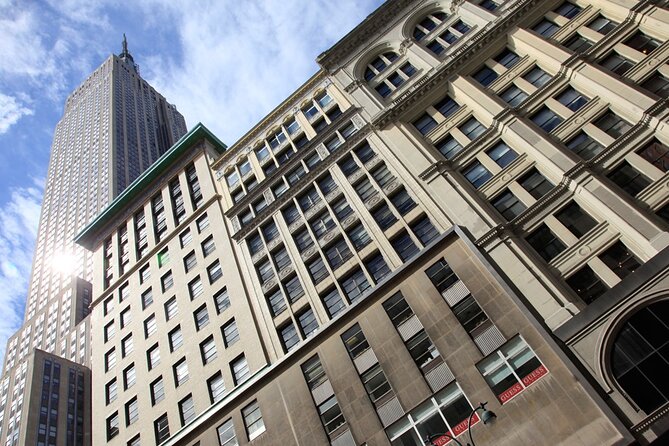
The workshop begins with a teaching session that covers the fundamentals: a nuts and bolts review so you can use your camera settings with purpose. They focus on things like aperture and shutter speed, plus the practical question you actually care about in the field: what setting should you use for the scene in front of you?
After that baseline, you move into shooting sessions where instruction turns into action. You will begin photographing major landmarks right away, including:
- Flatiron Building
- Grand Central Terminal
- Radio City Music Hall
- Times Square
- The New York Public Library
These spots are great for learning because they force tradeoffs:
- Flatiron gives you geometry and perspective. You can practice keeping vertical lines straight while you also decide where your focal plane should land.
- Grand Central teaches you how to work with interiors and lighting contrast, with the added bonus of a classic New York “busy background” for depth and storytelling.
- Times Square is motion, neon, and crowds. It is perfect for learning shutter speed and how to control highlights.
A quick practical note: this part of the program is not only about taking good shots. It is about learning how to take good shots repeatedly while the city keeps changing every few seconds.
Day 1 through Day 2: Midtown to Lower Manhattan, plus the people you should not miss
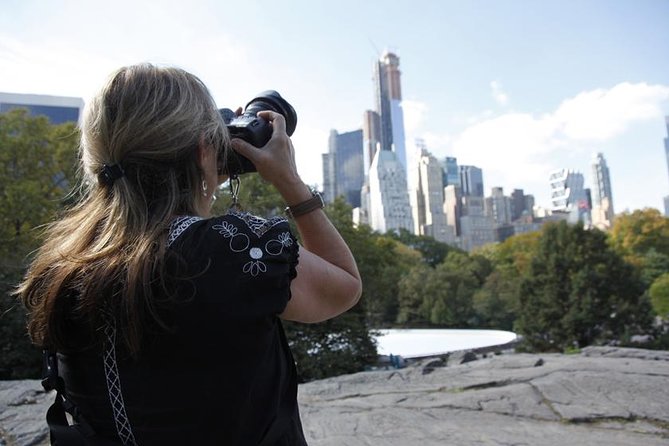
As the program continues, you will cover a wide swath of iconic Manhattan, including:
- Rockefeller Center
- Chrysler Building
- Empire State Building
- Wall Street
These landmarks help you practice with different textures and subject types. Tall buildings push you into careful framing and exposure control. Street-level stops push you into deciding how to balance subjects with busy backgrounds. Wall Street, in particular, makes it easier to practice image storytelling, even if you are mainly there for architecture.
Then the workshop shifts toward neighborhoods where street photography becomes more important:
- Chinatown
- The Lower East Side
This is not just for variety. These areas give you a chance to photograph everyday life, storefront details, and the kinds of immigrant-era scenes that helped define how Manhattan looks and feels. You will be working on photographing people and places, not only buildings.
If you want a cleaner portrait-style photo, you may have to work for it. If you like street-level candids and documentary-style frames, you will likely enjoy this portion.
You can also read our reviews of more photography tours in New York City
The Big Apple skyline moments: Top of the Rock sets you up
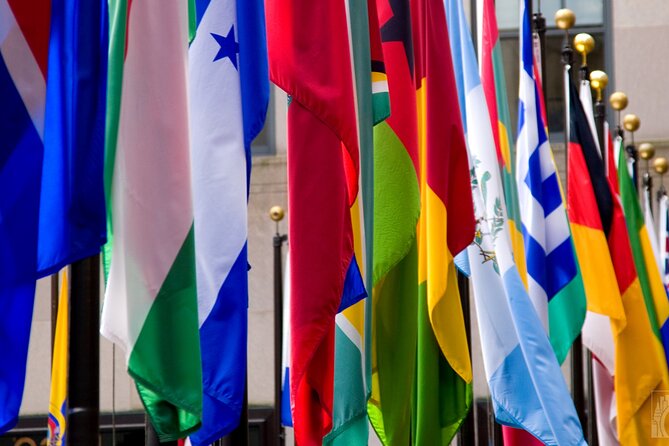
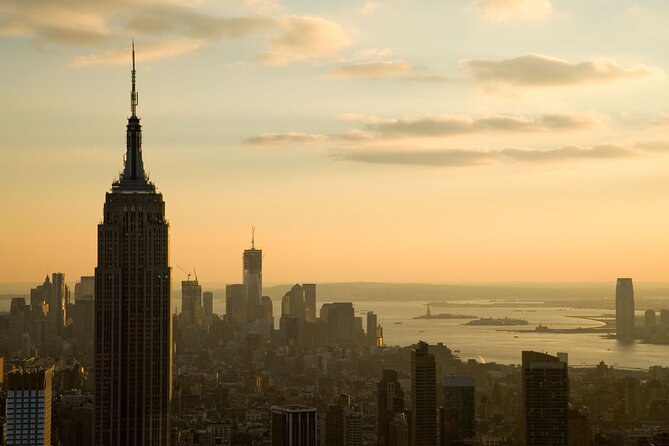
One of the most useful perks is the Top of the Rock admission included in the tour. It is not just a ticket you use once. In this program, it is tied to evening skyline shooting, so you are doing it with purpose.
You get planned skyline time where you can shoot the Manhattan skyline from above, then later compare how viewpoints change how light and haze behave. The skyline is a hard subject because tiny exposure mistakes can turn a sharp scene into a blown-out mess. Having guided structure helps you move faster than if you were trying to figure everything out alone.
The skyline also works well for learning composition. You can practice:
- keeping the horizon consistent
- using leading lines from streets below
- deciding whether you want city lights or building shapes to dominate
Night shoots: Brooklyn Bridge twice, plus tripod time
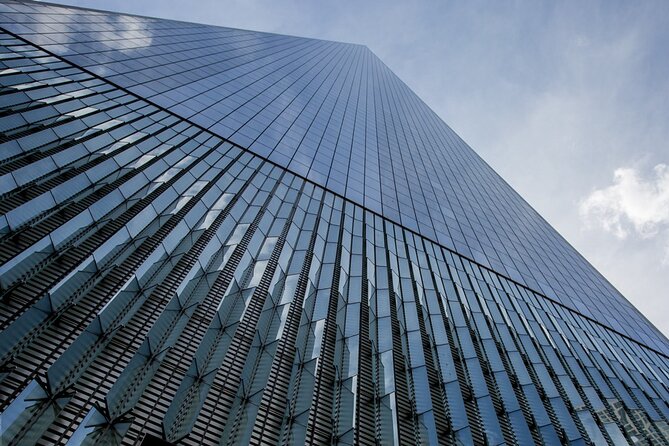
Night is where photography skills separate from casual sightseeing. This workshop includes night shooting that is explicitly designed for difficult-looking subjects:
- Brooklyn Bridge at night
- Manhattan skyline evening shooting, including views from Top of the Rock and also from Brooklyn
You also get tripod rental for the two night tours. That matters because long exposures are not optional if you want crisp bridge structure and controlled light trails. With a tripod, you can slow down shutter speed safely and aim for results that feel intentional rather than accidental.
The Brooklyn Bridge scenes are especially valuable because they teach you a common NYC lesson: the city is bright, but the light is also messy. You will learn to deal with reflections in the water, glare from city lights, and the way motion shows up as streaks when your settings slow down.
If you have never done long exposures before, this is a strong place to learn, because your guide can show you what to do with your camera, not just what to aim at.
Central Park stops: practice vision, not just icons
Central Park shows up as multiple photo opportunities. That is important. Central Park can look simple at first glance, but the way you shoot trees, paths, bridges, and open spaces changes fast as clouds shift and people move.
This portion helps you practice more than one skill set:
- composing with natural framing (branches, paths, and archways)
- shooting subjects that include motion (people walking, cyclists, changes in crowd density)
- choosing focal points when the background is busy
If you prefer “clean” photos with less chaos, you might find yourself waiting at the right moment. The tour pace means you will keep moving, but you should still be able to learn how to take a tight shot rather than only wide scenic frames.
How instruction actually pays off: settings, flash, and long exposure basics
The curriculum is built on techniques you can reuse anywhere. The workshop covers:
- choosing the best lens for a subject matter
- using flash in real street situations
- working with long exposures
You will leave with more than a folder of pictures. You will get mental shortcuts for decisions:
- When the background is busy, your camera settings and composition have to work harder.
- At night, the difference between a decent shot and a great one is usually shutter speed, exposure control, and tripod discipline.
- Flash is not always about blasting light. It is about shaping the subject against the scene.
This is exactly why the workshop is described as a good fit for serious photographers. It is designed for people who already understand composition and camera settings, then want stronger execution with coaching in the field.
That said, the opening nuts and bolts session can help you catch up quickly if you are not fully confident yet. If you are new, just be realistic about the workload. This is still a demanding schedule.
Gear and transit: the subway pass and tripod rental reduce friction
A one-week subway pass and unlimited metro card access is included, which is more than convenient. It removes a huge time sink in NYC. When you do not have to negotiate transit each day, you can focus on arriving at the right light for your next shot.
You also get a tripod rental for the two night tours. That is a hidden value detail. Tripods are bulky, and traveling with one can be annoying. Getting one provided saves you hassle and helps ensure you can actually do the long exposure shots you will learn about.
The workshop also involves heavy walking, so your personal gear matters. Wear comfortable shoes, bring a small day bag you can manage while shooting, and be ready to swap camera settings often.
Group size, pace, and what that feels like in the field
With a maximum of 8 travelers, the group stays manageable at tight photo spots. That matters at places like Times Square, crowded skyline viewpoints, and any stop where you need to set up a frame and get out of the way.
The tradeoff is that you cannot go at your own pace for long. The program is strict, and downtime is limited. If you want the kind of photography where you can linger for an hour while light perfects itself, you might need to do that after the tour, on your own.
Still, if you want structure, this is a good match. You get a route full of major landmarks, plus the coaching turns each stop into an assignment.
Is this workshop for you? Best match and common mismatch
I think this workshop suits:
- you already understand exposure basics and composition choices
- you want NYC landmark photos but with real technique practice
- you enjoy night photography and can handle low-light challenges
- you are comfortable walking 3-4 miles per day and staying out 12-13 hours
I would be cautious if:
- you want relaxed sightseeing with frequent breaks
- you get frustrated by pace and lots of walking
- you are not ready to shoot in cold or rainy conditions, since the schedule depends on good weather
Weather is specifically called out as a requirement for the experience. If weather conditions are poor, you will be offered a different date or a full refund. That is good news for planning, but it still means you should build flexibility into your NYC trip dates.
Should you book the 3-day NYC photography boot camp?
Book it if you want a structured way to learn how NYC gets photographed well. The big wins are the day and night Brooklyn Bridge practice, the planned skyline time with Top of the Rock, and the hands-on instruction that targets real camera decisions like shutter speed, flash, and long exposures. The included subway pass also makes the logistics easier so you spend your energy on shooting, not navigating.
Skip it or consider a lighter workshop if you hate long days, you want lots of downtime, or you are mainly after casual photos with minimal walking. This is an excellent option for serious photographers who want to upgrade their skills fast, not a gentle introduction to NYC.
If you do book, plan your hotel like you plan your shoot. Choose a base that helps you start fresh each day, pack comfortable walking shoes, and be ready to work. The payoff is real: you will come home with images that look like you understand the light, not just where the landmark is.
FAQ
What locations and landmarks does the workshop cover?
The program includes stops at the Brooklyn Bridge (day and night), Top of the Rock for skyline views, Flatiron Building, Grand Central Terminal, Rockefeller Center, Chrysler Building, Times Square, The New York Public Library, Radio City Music Hall, Empire State Building, Wall Street, plus Chinatown and the Lower East Side, with several photo locations in Central Park.
Is Top of the Rock included?
Yes. Admission to Top of the Rock is included in the tour.
Is there a subway pass included?
Yes. A one-week subway pass (unlimited metro card for one week) is included.
Do I get a tripod?
You get a tripod rental for 2 night tours included with the workshop.
How long are the days and how much walking is involved?
You should expect to be away from your hotel about 12-13 hours each day, with 6-9 hours of shooting. You will walk approximately 3-4 miles a day.
What is the maximum group size?
The workshop has a maximum of 8 travelers.
Are accommodation and meals included?
No. Accommodation and meals are not included.
What cancellation window is listed for a full refund?
You can cancel up to 6 days in advance of the experience for a full refund.
What should my photography skill level be?
This workshop is described as perfect for serious photographers who already understand composition and camera settings, with an opening nuts and bolts session to cover camera basics like aperture and shutter speed.
More Photography Tours in New York City
More City Tours in New York City

More Tour Reviews in New York City

Not for you? Here's more nearby things to do in New York City we have reviewed




More New York City Tours to consider.
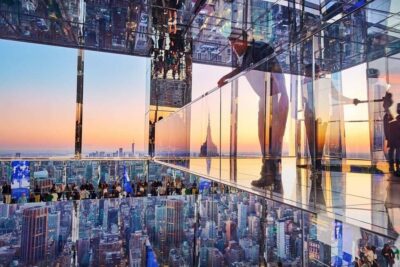 ★ 4.7SUMMIT One Vanderbilt TicketsTickets from $4751,195 traveller reviews
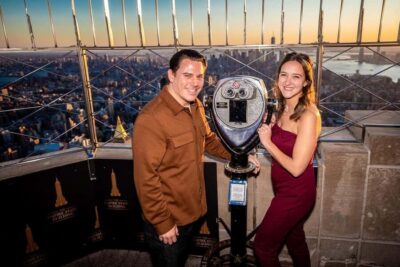 ★ 4.7Empire State Building Tickets – Observatory & MuseumTickets from $4725,757 traveller reviews
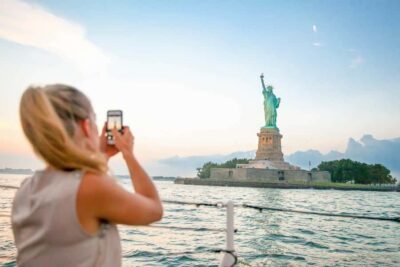 ★ 4.6Statue of Liberty & Ellis Island with FerryTickets from $1918,683 traveller reviews
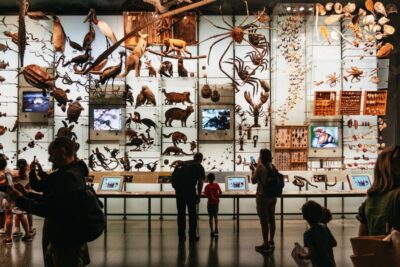 ★ 4.5American Museum of Natural History TicketTickets from $3715,447 traveller reviews
 ★ 5.0New York in One Day Guided Sightseeing TourTickets from $9913,166 traveller reviews
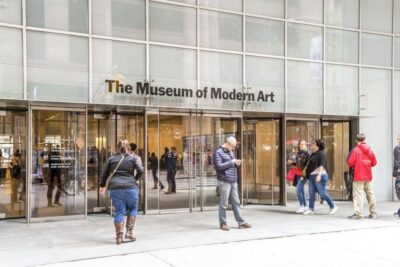 ★ 4.6Museum of Modern Art (MoMA) Entry TicketTickets from $3012,540 traveller reviews
 ★ 4.7One World Observatory Skip-the-Line TicketTickets from $3012,329 traveller reviews
 ★ 4.7New York CityPASS®: Save up to 41% at 5 Top AttractionsTickets from $15410,548 traveller reviews
More useful New York routes