
Review · MANHATTAN TOURS
3 Hour Lower Manhattan Walking Tour
Lower Manhattan has a pulse you can feel. This 3-hour walk strings together the Financial District landmarks and the city’s more human moments, with a guide who keeps the pace friendly and the stories clear. I especially like the focus on Wall Street landmarks and the way you get real context for what you’re looking at.
Second, I love that this tour keeps your guide close the whole time. With a maximum of 10 people, you get time to ask questions, and the tour leader Nicky is known for being approachable and thorough, with explanations you can actually use.
One thing to plan for: you should expect a moderate amount of walking and some standing, around 3 miles total, plus a stop at the 9/11 Memorial where the mood can be heavy. If you get tired easily or prefer a quieter pace, bring comfy shoes and be ready for that emotional weight.
Key Things You’ll Appreciate on This Walk
- Small group, up to 10 people, which helps you actually talk with your guide
- A balanced route, mixing Wall Street icons with 9/11 remembrance and African American history
- Bowling Green Park details you might miss on your own, from early civic use to Revolutionary War-era activity
- Guided time at the National 9/11 Memorial, about 15 minutes at the reflecting pools footprint
- Two culture neighborhoods to finish strong, Chinatown and Little Italy, in one continuous loop
- Mobile ticket and bottled water, simple support that keeps you moving
Lower Manhattan in Three Hours, Not a Full Day
This is a smart option if you want the headline sights without committing to an all-day schedule. It runs about 3 hours and is designed as a straight walking circuit through Lower Manhattan, so you spend less time figuring out where to go and more time understanding what you see.
You’ll also appreciate the structure. The stops are spaced so you can take in major landmarks, then shift to deeper stops like the National 9/11 Memorial and the African Burial Ground National Monument. That mix makes the day feel like a single story, not a checklist.
Because the tour is only a few hours, it works best when you’re not trying to squeeze in museums afterward. If you do want museum time, plan to return on another day and use this walk to build your bearings first.
You can also read our reviews of more walking tours in New York City



Meeting at 25 Broadway and Walking with a Maximum of 10
The tour starts at 25 Broadway, 9th floor. You’ll end near Old St. Patrick’s Cathedral on Mulberry Street in Little Italy, so it’s easy to keep exploring after the walking portion without needing to reverse your route.
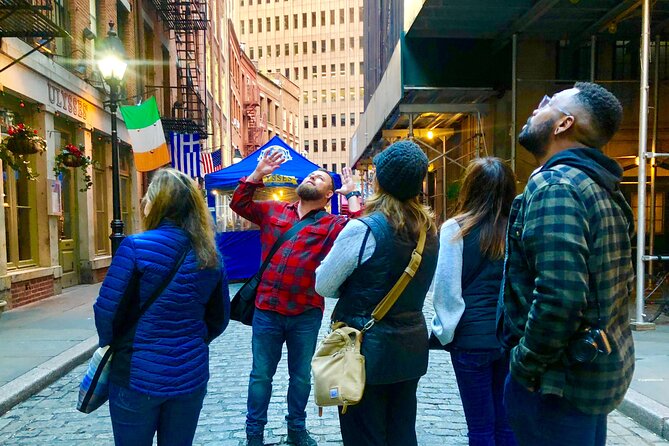
The small-group size, up to 10 travelers, matters more than it sounds. In a dense area like Lower Manhattan, you’ll often be craning your neck at buildings, crossing streets, and standing briefly at key points. With fewer people, your guide can pause and answer questions without feeling rushed.
You’ll also get practical basics. The tour provides a mobile ticket and includes bottled water. It’s a small thing, but on a hot day, it helps you avoid the constant stop-and-buy cycle.
Finally, the pace is described for moderate physical fitness, with walking about 3 miles and standing at times. If that’s in your comfort zone, you’ll likely enjoy the trip a lot.
Bowling Green Park: Oldest Public Park Lessons in One Square Block
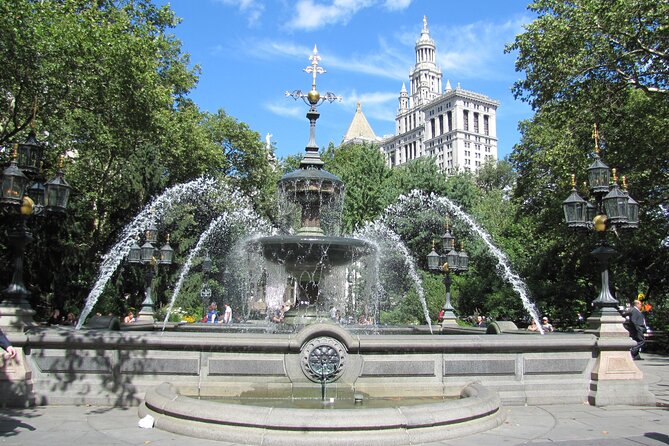
Your first landmark is Bowling Green Park, right in the heart of Lower Manhattan. This park is famous not because it looks ancient, but because it has been used by New Yorkers for centuries. It dates to 1733, and its name comes from an early bowling green.
What makes this stop valuable is the sequence of uses. You’ll learn it later functioned as a cattle market and also served as a military parade ground during the American Revolutionary War. That kind of timeline helps you understand how this area evolved from everyday public space into the tightly controlled downtown we see today.
A practical tip: this park area is open, so it can feel exposed to weather. If you’re sensitive to heat or cold, dress accordingly. Also, treat this as your warm-up mentally. The guide’s early stories help you start recognizing symbols and civic themes as you move toward the financial district.
The Alexander Hamilton U.S. Custom House Next Door
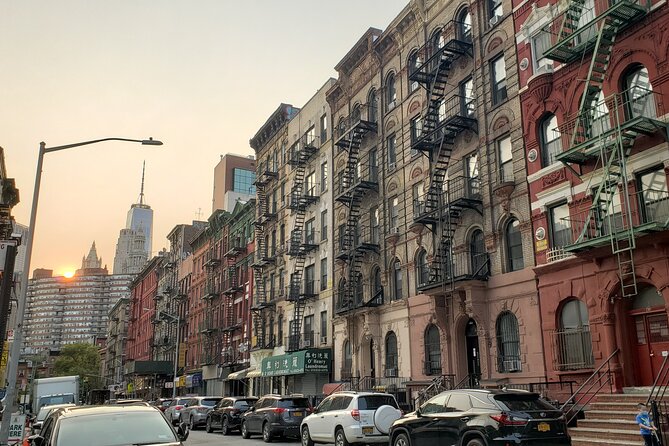
From Bowling Green, you’ll head to the Alexander Hamilton U.S. Custom House, located adjacent to the park. This is where the tour shifts from early civic life to maritime and commercial power.
You’ll learn why it’s a major architectural landmark and a visible symbol of New York’s maritime heritage and economic significance. Even if you don’t know architecture, your guide should point out the broader idea: Lower Manhattan grew because ships brought goods, and goods brought money and influence.
This stop also helps you connect dots before you reach Wall Street. If you’ve ever wondered how one area became the finance center of the country, the custom house theme is a useful bridge.
Wall Street: The Financial District’s Early Boundary Story
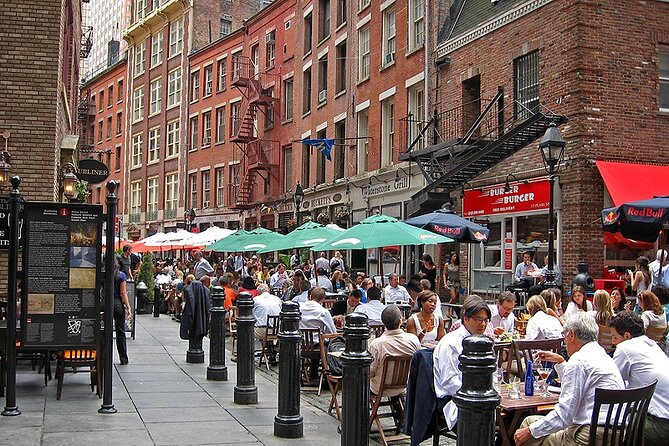
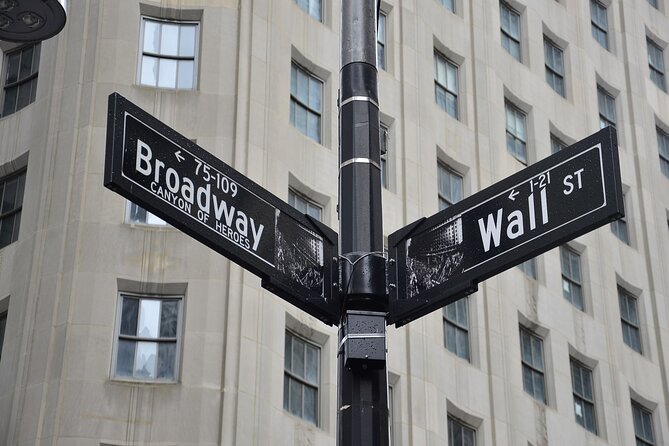
Then you arrive at Wall Street, the iconic corridor of American finance and commerce. You’ll hear the historical grounding too. Long before it was Wall Street as a global symbol, the street traces back to the 17th century as the northern boundary of the Dutch settlement of New Amsterdam.
That framing changes how you look at it. Instead of seeing only banks and stock imagery, you can picture the boundary line that shaped a settlement. It’s one of those moments where the past helps you understand the layout of the present.
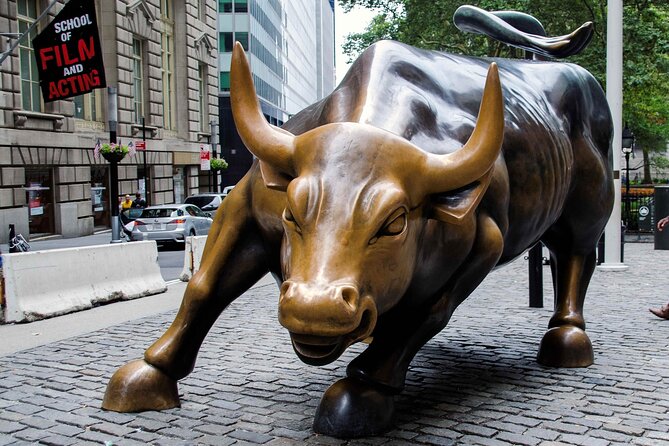
You’ll also be positioned to notice scale and density. Lower Manhattan can feel like a canyon of buildings, and Wall Street intensifies that feeling. The guide’s job here is to slow it down for you, so the place doesn’t become just motion and noise.
More NYC tours and experiences for the shortlist





Trinity Church: One of the Oldest Congregations You’ll See on This Route
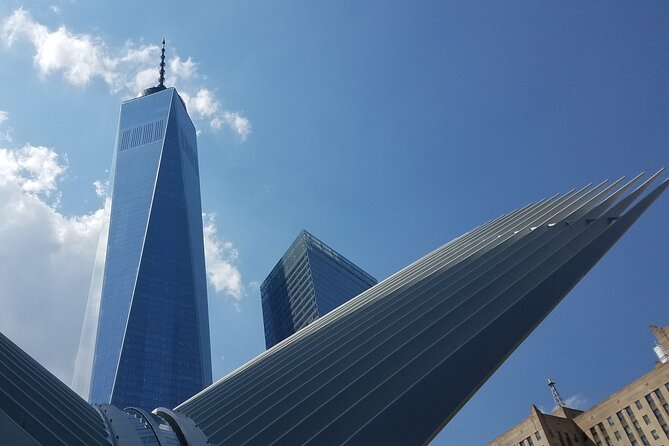
At the western end of Wall Street, you’ll visit Trinity Church. The church is founded in 1697, and it’s one of the oldest congregations in the United States. You’ll get both the religious and architectural significance, which helps explain why this building is still a point of reference.
This stop adds contrast. Wall Street is often treated like a single-purpose place, but Trinity Church reminds you that civic life included spiritual institutions, too. You get a sense of how the city balanced commerce with community spaces.
There’s also a practical angle. Trinity Church is a good moment to pause and reset your attention before the emotional pivot later at the 9/11 site. If you need a brief mental breather before the next stops, this is a natural place for it.
The National 9/11 Memorial: Footprints, Reflecting Pools, and What to Notice
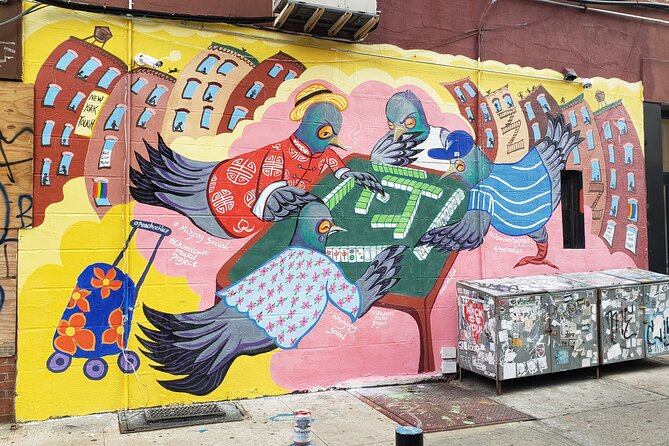
Next comes the heaviest part of the walk: The National 9/11 Memorial & Museum. The memorial is at the former World Trade Center Twin Towers site. You’ll spend about 15 minutes at the World Trade Center Memorial fountains, which use the footprints of the original towers as the basis for the design.
The most helpful thing your guide can do here is point you toward the symbolism. Those reflecting pools are not just water features. They’re the core visual message of the memorial, and it helps to know what you’re looking at before you stand there.
This is also where you should bring your own pace. If you want quiet time, take it. If you want to ask questions, ask them, but remember this stop is designed for remembrance, not speed.
One consideration: because this moment is emotionally charged, it’s worth going in with a calm mindset. This tour is generally described as informative and respectful, but the topic itself is heavy.
African Burial Ground National Monument: The Story the Route Makes You Remember
After the 9/11 Memorial, you’ll stop at the African Burial Ground National Monument. This site honors enslaved and free Africans buried in Lower Manhattan during the 17th and 18th centuries.
The reason this stop is so powerful on a walking tour is that it corrects a common blind spot. Many visitors focus on the downtown financial story and miss the deeper, earlier human story underneath it. Here, the emphasis is memory and recognition, and the guide can help you understand why the site matters.
A practical note: this is another place where the timing is intentional. You’re not meant to rush through it. Even if your guide gives a focused explanation, you’ll likely want a few quiet seconds to absorb the significance.
If you like history that connects directly to people’s lives, this stop is a highlight.
Chinatown to Little Italy: How the Tour Lands You in Two Cultural Zones
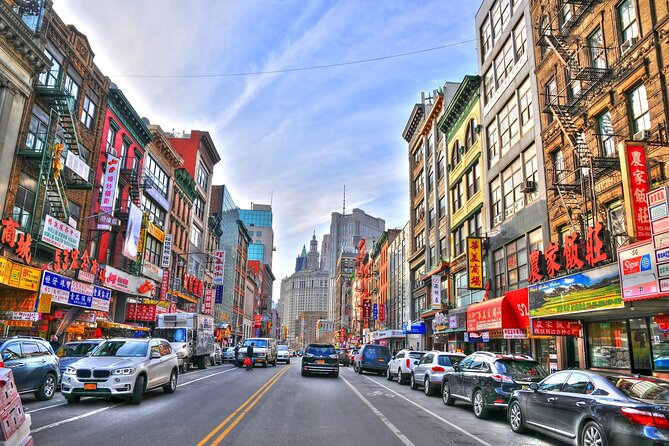
The tour wraps with neighborhood time in Chinatown and then Little Italy. You’ll walk through Chinatown’s streets with shops, food, and markets, then shift into Little Italy to see how immigrant community life left its mark over generations.
What makes this ending useful is the way it contrasts with the earlier stops. The morning is about institutions, boundaries, and national milestones. The late part is about daily culture, where people live, shop, eat, and keep traditions going.
Also, the ending location is convenient. The tour ends near Old St. Patrick’s Cathedral on Mulberry Street, which puts you right where you can keep exploring Little Italy after the guide releases you.
Practical tip: if you plan to snack, this is the best time to do it. You’ll finish the structured story, then you can wander with a clearer idea of what you’re seeing.
Price and Value: Is $68 Worth It for This Route?
At $68 per person for about 3 hours, you’re paying for three things: a guided narrative, a small-group format, and coverage of several major Lower Manhattan sites in one outing.
Here’s why that can be good value. Lower Manhattan is not laid out for easy self-guided learning, especially when you want context for buildings like the U.S. Custom House, the role of Wall Street in early New Amsterdam, and the meaning of the memorial design elements. A good guide turns random landmarks into a connected storyline.
The small-group size also boosts value. When you’re capped around 10 people, it’s easier to ask questions without feeling like you’re talking into the void. Your tour leader Nicky is specifically highlighted for being professional and friendly, with accessible explanations and no question feeling too much.
So, the biggest value question is your learning style. If you like reading plaques and figuring it out alone, you might do this cheaper. If you want a clear route, contextual stories, and someone to help you interpret what you see, this price can feel fair fast.
Who Should Book This Lower Manhattan Tour?
You’ll probably enjoy this tour most if you:
- Are a first-time or return visitor who wants Lower Manhattan’s essentials in a short time
- Like history with real places attached, not just general facts
- Prefer small groups and time to ask questions
- Can handle moderate walking and some standing
It’s also a good match if you want a day that moves from civic and financial power to remembrance and community story. That emotional and cultural mix is intentional, and it gives your visit a sense of balance.
If you’re traveling with someone who wants a calm, slow, mostly indoor plan, this might not be your best fit. The route is built around walking and outdoor viewing, including a key 9/11 stop.
Should You Book This Lower Manhattan Walk?
I’d book this if you want one guided outing that covers both the headline sights and the meaningful counterpoints. The route is well paced for a 3-hour window, and the small group size means you’re not stuck silently watching from the back.
I’d think twice if you’re very sensitive to emotional topics or you know you struggle with walking about 3 miles with standing. In that case, you might prefer a shorter or more flexible option.
If you fit the basic physical and emotional comfort level, this tour is a solid way to get oriented and leave with a clearer understanding of how Lower Manhattan became what it is today.
FAQ
How long is the Lower Manhattan walking tour?
The tour is approximately 3 hours.
What is the price per person?
The price is $68.00 per person.
How big is the group?
The maximum group size is 10 travelers.
What language is the tour offered in?
The tour is offered in English.
Where does the tour start and end?
It starts at 25 Broadway, 9th floor, New York, NY 10004. It ends near Old St. Patrick’s Cathedral at 263 Mulberry St, New York, NY 10012.
Is the 9/11 Memorial admission included?
The memorial stop notes admission ticket free, and you spend about 15 minutes there.
What’s included in the tour?
Bottled water is included.
Is there a mobile ticket?
Yes, the tour includes a mobile ticket.
Is the tour suitable for people with moderate mobility?
The tour notes a moderate physical fitness level, with walking and standing during the experience.
Can I cancel and get a full refund?
Yes. Free cancellation is available up to 24 hours in advance for a full refund. If you cancel less than 24 hours before the start time, the amount paid is not refunded.
More Walking Tours in New York City


More Tours in New York City






More Tour Reviews in New York City




Not for you? Here's more nearby things to do in New York City we have reviewed











More Manhattan Tours to consider.
 ★ 4.7Manhattan Helicopter TourTickets from $2997,076 traveller reviews
 ★ 4.8Manhattan Sightseeing Helicopter TourTickets from $2995,826 traveller reviews
 ★ 3.0JFK to Manhattan: One Way Shared Arrival TransferTickets from $313,687 traveller reviews
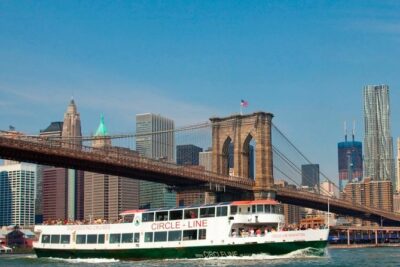 ★ 4.5Circle Line: 2.5hr – Complete Manhattan Island CruiseTickets from $343,488 traveller reviews
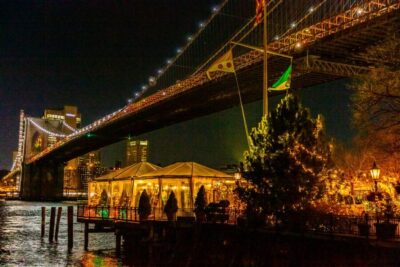 ★ 4.6From Manhattan: 4-Hour Dyker Heights Holiday Lights Bus TourTickets from $632,426 traveller reviews
 ★ 3.5Manhattan to JFK: One Way Shared Departure TransferTickets from $312,030 traveller reviews
 ★ 4.5The Manhattan Helicopter Tour of New YorkTickets from $2361,842 traveller reviews
 ★ 3.5Private Transfer from Manhattan to NYC Airports (JFK/EWR/LGA)Tickets from $361,683 traveller reviews
More useful New York routes