
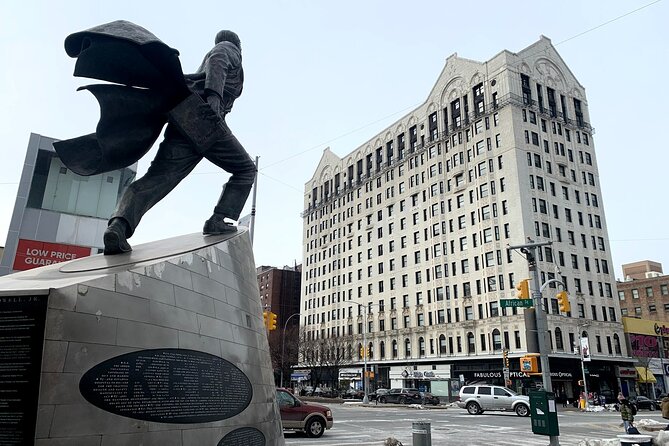
Review · HARLEM TOURS
Half-Day Civil Rights Walking Tour in Harlem with Lunch
Civil rights history in Harlem has a pulse. This half-day walk links Malcolm X, the March on Washington, church leaders, and the neighborhood’s turning points, then adds an included lunch so the day feels complete.
I really like how the route mixes big national moments with street-level stories, from the original Temple No. 7 to the Schomburg Center for Research in Black Culture. And the guide talent shows through, with Carolyn and Doris specifically called out for clear, inspiring explanations that help you connect the dots.
One thing to keep in mind: you’re on your feet for roughly 3 hours, so plan for solid walking and wear shoes you trust in good weather, because the tour runs only if conditions are right.
Key things you’ll notice on this Harlem walk
- Malcolm X’s original Temple No. 7 anchors the whole experience and sets the tone for the civil rights story
- Two Harlem riots get explained in context, so the neighborhood’s response makes sense, not just the headlines
- Church stops with real leaders including Wyatt Tee Walker and a Freedom Church tied to Paul Robeson
- Schomburg Center for Research in Black Culture, a free, world-class stop that’s quick but meaningful
- Local culture through specific names, like Langston Hughes and Adam Clayton Powell, Jr. and Sr.
- Lunch included after the walk, so you can rest and digest what you learned
Harlem civil rights on foot, from Malcolm X Blvd to Malcolm X Blvd
This tour is built like a guided “street chapter.” You start at 130 Malcolm X Blvd and finish near 515 Malcolm X Blvd. It’s about 3 hours long, paced for a walking experience that still leaves you time to hear, look around, and make sense of why each site matters.
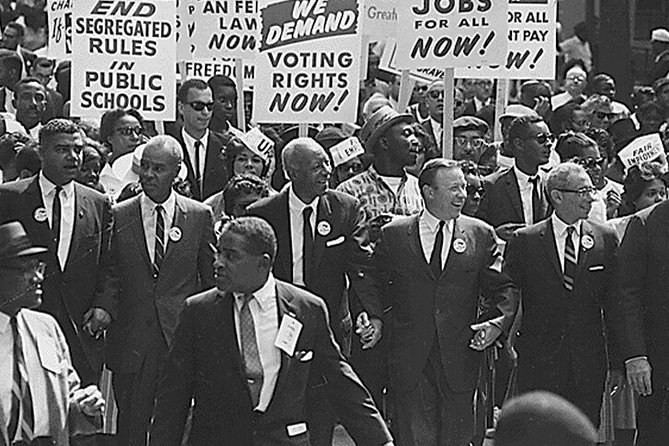
What I like most is the way the guide keeps things grounded in place. You don’t just get dates and famous names. You get how ideas moved through churches, families, and local leadership, then spilled outward into larger national events like the March on Washington. That connection matters because Harlem is not a footnote here. It’s part of the story’s engine.
You’ll also get the neighborhood side of the civil rights era. The walk includes what happened during the two Harlem riots, explained with enough context to understand the pressures and consequences without turning it into a textbook.
You can also read our reviews of more walking tours in New York City


Stop by stop: the route that makes the story make sense
The original Temple No. 7 led by Malcolm X
The tour begins with the original Temple No. 7 led by Malcolm X. Starting here is smart. It immediately places you in the world of public speaking, community leadership, and the reality that civil rights wasn’t only happening in Washington. It was happening on block corners, in institutions, and through people who commanded a room.
If you’re the type who likes to understand motivation, this first stop sets up the “why” behind the movement. You learn how leadership was both spiritual and political, and how that combination shaped what communities demanded and how they organized.
Wyatt Tee Walker’s church leadership stop
Next up is a church led by Wyatt Tee Walker. This is where the tour’s tone shifts from one loud, world-known voice to the broader leadership network. It helps you see the movement as teamwork, not just singular moments.
In practical terms, this stop also gives you a break from rushing. Churches are built for stillness and listening, and the guide’s explanations fit that rhythm. You get a sense of how faith-based leadership helped people stay anchored during pressure and change.
A Harlem hotel called the Waldorf of Harlem
You then pass by the premier hotel in Harlem, known as the Waldorf of Harlem. This isn’t just “cool architecture trivia.” In Harlem, major institutions acted like magnets. They brought attention, hosted important visitors, and helped shape how the outside world viewed the neighborhood.
When you understand that, the hotel stop becomes more than a photo moment. It’s a lesson in visibility. Harlem was gaining status while also facing backlash. That tension helps explain why civil rights activism and public attention could rise together, then collide with reality.
More NYC tours and experiences for the shortlist






Langston Hughes at home
You’ll also visit the home of Langston Hughes. Hughes is often filed under literature, but on this walk he functions as proof of something bigger: art and activism moved side by side in Harlem.
This stop works especially well if you want the human scale of history. Instead of only seeing institutions, you’re reminded that writers, thinkers, and neighborhood culture were part of the same ecosystem that produced civic leadership and demanded dignity.
Schomburg Center for Research in Black Culture, fast and free
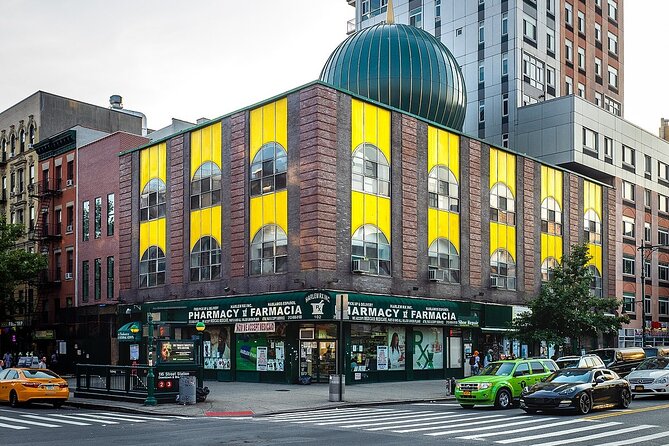
One of the strongest value plays on the route is Schomburg Center for Research in Black Culture. You’ll spend about 15 minutes there, and admission is free.
For your money and time, this is a high-efficiency stop. Even if you only scratch the surface, the center’s mission is easy to grasp and hard to forget: it exists to preserve, study, and celebrate African American culture. That matters on a civil rights walk because it reframes the story. Civil rights wasn’t only about rights under law. It was also about controlling the narrative, protecting memory, and refusing erasure.
If you’re the kind of visitor who loves a “quick but serious” museum stop, this one hits the sweet spot. You won’t feel dragged through a long facility, but you’ll leave with a stronger context for the people you heard about along the way.
The Freedom Church connection through Paul Robeson
Another standout is a church commonly referred to as the Freedom Church. Paul Robeson attended church services there and spoke out against discrimination.
This stop connects faith, public conscience, and performance in a direct way. Robeson wasn’t just a singer or actor in this context. He used his voice to confront injustice, and the church setting shows how community space could support that kind of courage.
I like how this part of the tour ties together personal conviction and public impact. It makes sense of how discrimination was challenged in many formats, not only protests in the street.
Adam Clayton Powell Jr. and Sr.’s house, leadership at home
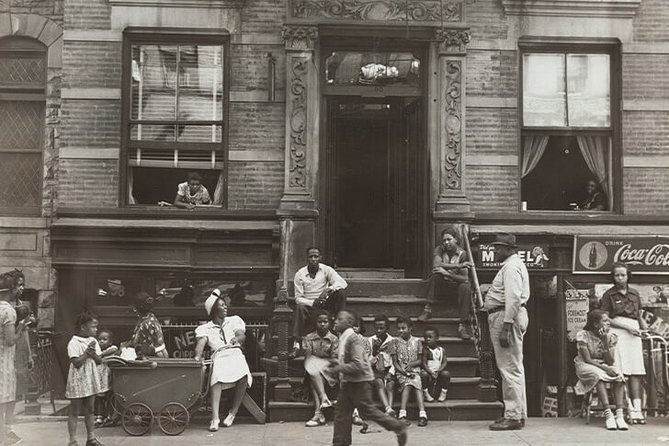
You’ll also see the house that Adam Clayton Powell, Jr. and Sr. built. This stop is a reminder that political and social leadership often grew out of family roots, education, and long-term community involvement.
This is where the walking tour does a good job of balancing scale. You move from big national connections to something tactile: a home, a legacy, a place where leadership started close to the ground.
It’s also a good moment to pause mentally. Civil rights history can feel like it belongs to famous figures only. Looking at a family’s home helps you remember that leadership came from networks of people who lived the work every day.
March on Washington plus Harlem riots, how the guide connects the dots
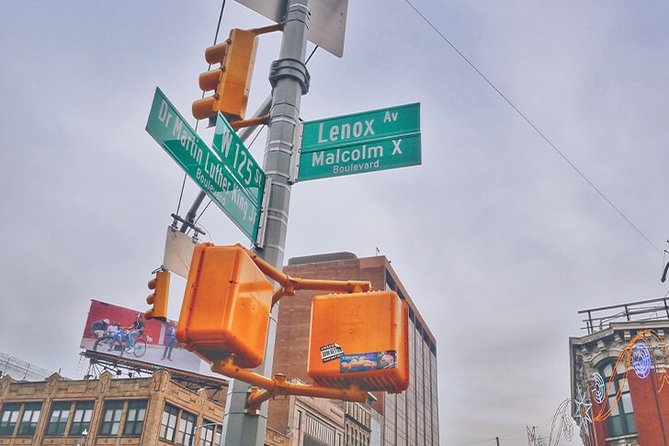
Two elements tend to define how visitors remember this tour: the link to the March on Washington, and the explanation of two Harlem riots. The strength here is not the mention of these events. It’s the way they’re stitched into the neighborhood’s story.
You’ll leave with a clearer picture of how national organizing intersected with local frustration and local resilience. When you understand that Harlem wasn’t waiting for permission to act, the March on Washington feels less like an isolated moment and more like a culmination of momentum that was already building on streets like these.
As for the riots, the guide frames them as outcomes of real conditions and real tensions. You get a sense of what sparked the conflict, what followed, and why change was uneven and difficult. That’s important because it keeps the story honest instead of simplified.
Lunch in the neighborhood, why it’s timed right
Lunch is included, and it happens after the walk in the neighborhood. That timing is practical. After 3 hours of listening and walking, you want food without a second plan.
Even better, the lunch is part of the experience rather than a random add-on. You get a chance to reset your energy and process what you just learned. And because it happens right here, not miles away, the day keeps its rhythm.
If you’re planning a tight New York schedule, this included meal can help you avoid the usual scramble to find something nearby that also fits your budget.
Price and value: is $82 worth it?
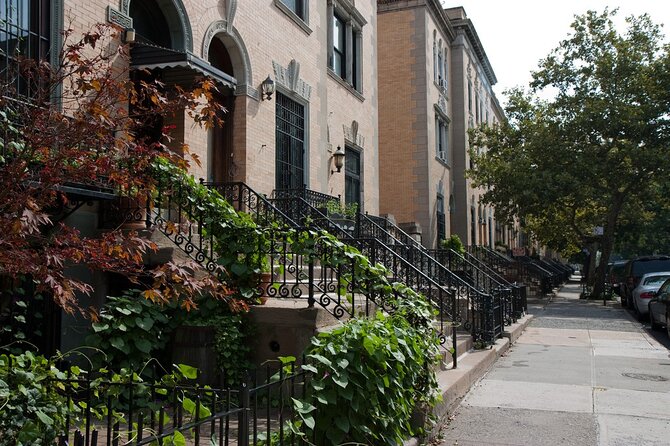
At $82 per person for about 3 hours, this is not a bargain-basement tour. The value comes from three places.
First, you’re paying for the guided interpretation. With guides like Carolyn and Doris highlighted for their knowledge and clear explanations, you’re not just sightseeing. You’re learning how Harlem’s sites connect to the larger civil rights story, including the March on Washington and the Harlem riots.
Second, you get a built-in perk: lunch included. That alone can shift the math, especially in a city where planning food can eat time and energy.
Third, you get a high-quality stop at the Schomburg Center, with free admission and a short visit that still adds meaningful context.
If you enjoy walking tours where the guide brings structure and clarity, this price makes more sense. If you only want to pass by landmarks and take pictures, you might not feel the same value.
Group size, pacing, and what you should bring
This tour caps at 30 travelers, which is a comfortable size for a half-day walking experience. It also helps the guide keep the flow going without turning every explanation into a shouting match.
It requires a moderate physical fitness level, so plan for regular walking. You’ll get breaks at stops, but you’re still out on the street for the duration.
A few practical tips:
- Wear comfortable shoes you can walk in for hours.
- Bring a water bottle, especially in warm weather.
- The tour depends on good weather, so check the forecast and be ready for a reschedule option if conditions are poor.
- Bring your mobile ticket device for entry.
Since it’s near public transportation, you can also build the rest of your day around transit rather than relying only on walking.
Who this Harlem civil rights tour is best for
I think this is a great fit if you:
- Want a guided walk that ties Harlem to national civil rights moments like the March on Washington
- Like church and culture stops that explain why institutions mattered
- Prefer a route that mixes recognizable names like Langston Hughes and Paul Robeson with less famous but equally important local leadership
- Would rather spend time learning than figuring out logistics for lunch and a museum stop
It may be less ideal if you:
- Want long museum time. The Schomburg Center stop is about 15 minutes
- Have limited mobility or hate walking. This one expects a moderate level of fitness
Should you book this civil rights walking tour in Harlem?
If you’re planning Harlem and you want history that feels connected instead of scattered, I’d book it. The standout mix of Malcolm X sites, church leadership through Wyatt Tee Walker and the Freedom Church, plus the Schomburg Center and lunch included, gives you more than just sights. You get a guided chain of meaning that helps you understand why these places still matter.
Choose it especially if you want a practical half-day plan with a focused route, and you like the idea of ending with a real neighborhood meal instead of racing off into the subway maze.
FAQ
How long is the Harlem civil rights walking tour?
It runs for about 3 hours.
What time does the tour start?
The start time is 11:00 am.
Where do I meet the tour group?
You start at 130 Malcolm X Blvd, New York, NY 10026.
Is lunch included?
Yes. Lunch is included.
Is the Schomburg Center stop free?
Yes. The Schomburg Center for Research in Black Culture admission ticket is free.
Is the tour offered in English, and how big is the group?
The tour is offered in English, and it has a maximum of 30 travelers.
More Walking Tours in New York City


More Tours in New York City






More Tour Reviews in New York City




Not for you? Here's more nearby things to do in New York City we have reviewed











More Harlem Tours to consider.
 ★ 4.5NYC Highlights Tour: Bronx, Brooklyn, Harlem, Queens & ConeyTickets from $462,846 traveller reviews
 ★ 4.5Contrasts Tour of Harlem, The Bronx, Queens & BrooklynTickets from $392,167 traveller reviews
 ★ 4.7Harlem Hallelujah! Gospel Wednesday ConcertTickets from $251,638 traveller reviews
 ★ 4.7Harlem Gospel Live Music ConcertTickets from $281,479 traveller reviews
 ★ 4.0Harlem Sunday Morning Gospel TourTickets from $85995 traveller reviews
 ★ 4.04-hour Harlem Gospel Tour in New York CityTickets from $79935 traveller reviews
 ★ 3.9Harlem: Central Harlem Sunday Gospel with LocalsTickets from $25499 traveller reviews
 ★ 4.3Sunday Harlem Gospel Guided TourTickets from $89438 traveller reviews
More useful New York routes