

Review · NEW YORK CITY TOURS
3-Hour Private Walking Tour with Guide in New York City
Manhattan clicks fast with a good guide. This private walking tour helps you shape the sights to your interests, with a plan that feels personal instead of copy-paste. I also like the customized route options that help you get oriented quickly, though you should double-check what neighborhoods are covered if Harlem is on your personal must-see list.
I especially like how the experience works in real life: meeting in Midtown, walking at a pace that makes sense, and ending close to where you started. Guides like Gabi and Sara are praised for adapting the day on the fly, including sharing practical recommendations beyond the route.
Key highlights that make this tour worth your time

- Private by default: only your group walks with the guide, so you can ask questions and shift priorities.
- Midtown start, flexible finish: you can end near your pickup, which helps if you have a timed reservation later.
- Stops built from big-city anchors: historic terminals, major engineering landmarks, and viewpoints that frame the city.
- Optional Top of the Rock time: you can add observation-deck views that sweep Central Park, Midtown, and even the Financial District.
- Central Park is part of some routes: a chance to see why it feels like a break from the concrete jungle.
- Your guide can steer the day: interviews with your interests help trim the fluff, like spending less time on shopping blocks you do not care about.
A 3-hour private walk that helps you stop guessing
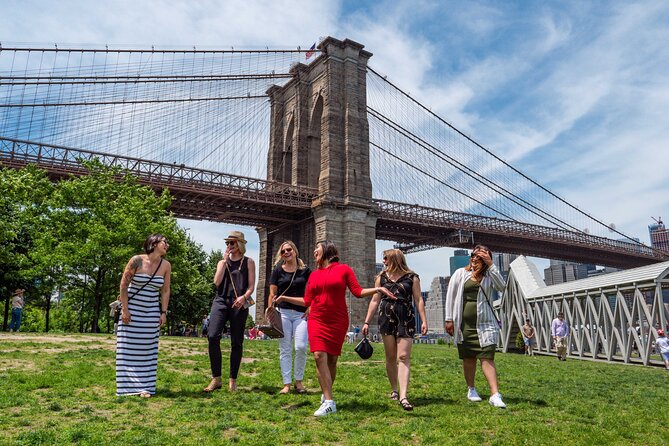
New York is big. Even when you know where things are on a map, it can still feel like you are wandering. A private walking tour helps because you are not stuck following a rigid script. In about 3 hours, you get a guided sense of where you are, how neighborhoods connect, and what to prioritize later.
This format is also ideal if you travel with different interests. One person may want landmark photos, another may want history, and another just wants the easiest path. With a private guide, you can usually find a route that balances those needs instead of turning the day into a compromise you did not sign up for.
The other practical win is pacing. You do not have to “keep up” with a group. If you want to pause for a photo or ask one more question, you can. That is the kind of small freedom that makes a walking tour feel like a day out, not an obligation.
You can also read our reviews of more walking tours in New York City



Meeting in Midtown, then tailoring the day to you
The tour starts in Midtown Manhattan and ends in Midtown, though your exact end point can vary. The key detail I like here is the flexibility. If you want the finish point to work for your schedule, you can specify where you want to end, and the guide can often suggest a sensible option.
You also get a mobile ticket, which is a relief in a city where paper tickets can vanish into your bag like socks in a dryer. Since the tour runs about 8:00 AM to 9:00 PM each day within the listed date range, you can usually choose a time that fits your energy level and weather.
One more thing to plan for: this experience requires good weather. If skies are rough, it may be rescheduled or refunded. In practice, that means you should build it into your trip on a day when rain is not your only forecast.
Stop 1: a historic terminal where you learn the city’s pulse
Depending on your chosen route, the tour often kicks off in a historic terminal area, where you can see how the city funnels people in and out. This is a smart first stop. Terminals like these are more than pretty interiors. They show you how New York organizes motion, where crowds naturally move, and where you can realistically navigate without getting lost.
What you gain here is orientation. Your guide can point out visual landmarks and practical directions in a way that is hard to get from a brochure. You also get context that makes the surroundings make sense, not just look impressive.
A small drawback to consider is crowd energy. If you go at peak times, it can feel busy, and you will be walking through a working transportation hub. That said, this is exactly the real-world experience that makes the tour useful when you are new to the city.
The next neighborhoods: stories in motion, not facts on a page

From there, the walking route usually shifts into areas with strong street-level character. Think of it like this: you are not only seeing places, you are learning why people talk about them, how they changed, and what to look for as you move through.
One reason guides get high praise on this tour is how they connect small details to the bigger picture. You might notice architectural quirks you would normally ignore. You might also learn how certain blocks became important, even if the street now looks like just another corridor between subway stops.
Some routes also adjust based on your preferences. In at least one case, the pacing favored less time on luxury shopping frontage because that was not the point of the day. That is a good sign. You should expect your guide to steer the day toward your real interests, not theirs.
A major engineering landmark: view it from a distance, then close up
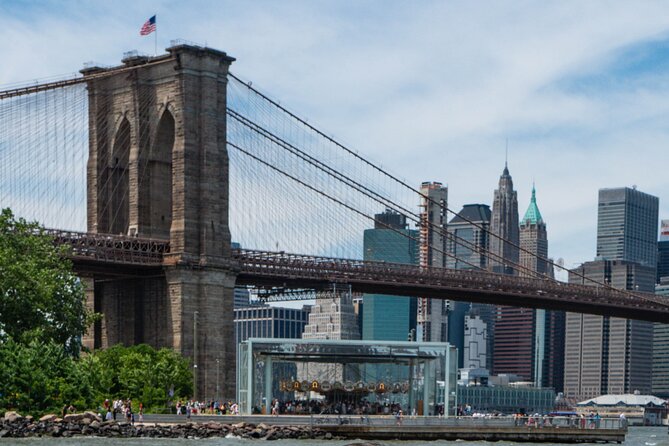
Another common segment is a chance to see a majestic piece of engineering, sometimes from far enough to take in the whole structure, and other times up close for details. This kind of stop is more than a photo moment. A guide can explain what makes the design clever, why it matters historically, and how it fits into the city’s layout.
Practically, this is also a good walking-tour tool. When you have a strong visual anchor, it becomes easier to orient yourself. From there, your guide can describe nearby streets and routes in a way that clicks fast.
What to watch for: engineering landmarks often mean lots of steps, crowds, and uneven viewing spots. Wear shoes you trust. Bring a light layer if it is windy. You want to enjoy the stop, not spend the next day paying for it.
You can also read our reviews of more guided tours in New York City






Top of the Rock add-on: skyline views without the full day commitment
Some routes include an optional add-on: Top of the Rock. If you choose it, you get panoramic views over Central Park, Midtown, and even parts of the Financial District. It is one of those upgrades that can make a short walking tour feel like a bigger sightseeing day.
Is it worth adding? For most first-time visitors, yes, because it gives context fast. From up there, you can connect where you walked to where other landmarks sit. That helps your future planning a lot.
The trade-off is time and ticket cost, and the fact that you may need to fit it around your other plans. If you want a calmer day, skip it and keep your focus on street-level discoveries. If you are chasing views and photos, add it.
Central Park routes: a break from the concrete jungle
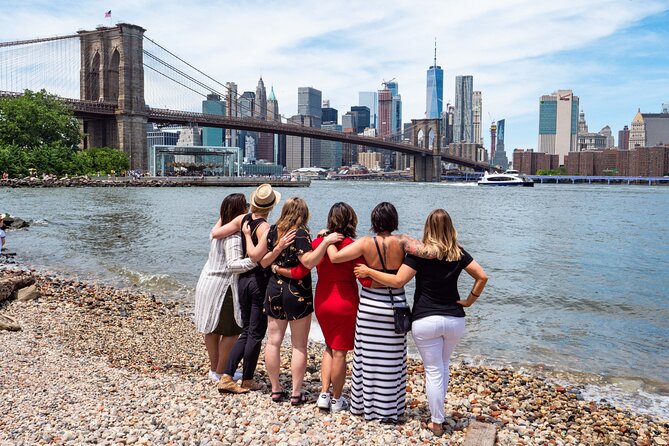
On some versions of the walk, you also get a guided stroll through Central Park, described as a serene escape in the middle of the city. This is where the tour can feel especially satisfying, because it contrasts with the density you experienced in Midtown.
Your guide can point out how the park was designed for rest and how it functions as a space for different kinds of people. Even if you have been to Central Park before, a short guided segment can help you understand why certain areas became meeting points and how you can move through it more efficiently.
The practical reality: Central Park walking can be slower than you expect, depending on where you stop and how many photo pauses you take. Since the tour is only about three hours, you will likely cover a focused slice rather than trying to do the entire park. That is a plus, not a limitation, if your goal is orientation and a memorable sampler.
Lower Manhattan segments: financial beginnings and how the city grew
Depending on your selected route, the tour can also cover areas that explain the beginnings of New York and the birthplace of the financial district as we know it today. This is the kind of stop that makes the skyline feel meaningful. You start to see how the city’s economic engine shaped the streets, the buildings, and the way people move through the area.
If you have ever looked at Wall Street and thought it was just busy offices, a guided stop can give you the missing context: why these blocks mattered, and how the identity of the area formed over time. It also helps you recognize nearby landmarks without needing to study a map.
Drawback to consider: Lower Manhattan can mean tighter streets and heavier foot traffic. Plan to stay flexible. If you are hoping for quiet and empty sidewalks, you might not get that in a three-hour window.
A historic port area: shops, passageways, and street-level charm
Another route element is a walk through a historic port area that is now known for quaint shops and secret passageways. This is the side of New York that feels like a hidden story you only catch when someone points it out.
The value here is navigation plus atmosphere. You get an explanation for how the waterfront evolved and why certain corners became beloved. You also walk through spaces that feel more special than the average street, which helps make the day feel varied.
One note: these areas can be camera-friendly but also crowded, especially near shopping clusters. If you want space to linger, aim for an earlier time slot when possible.
The monument and the crowd magnet factor
Depending on the route, the tour may include a monument that has become a center for people of all ages. The guide also explains why it earned that reputation, which turns a landmark into a story you remember later.
This type of stop works well near the end of a three-hour tour. It gives you a final anchor and a reason to look around, not just walk through. It is also a natural spot to ask for recommendations on what to do next, because your bearings usually feel better by then.
How the tour pacing feels in real life
Based on the way guides are described across the routes, the strongest theme is relaxed personalization. People highlight that their guides made changes as they talked, then matched the day to what they actually cared about.
A few practical examples show what that means:
- Photo help: one guide was praised for taking nice photos of the group, which is helpful in a city where taking a self-portrait often turns into a blur-fest.
- Built-in direction: rather than just pointing and moving, guides oriented people so the city felt easier to navigate afterward.
- Less wasted time: the route can avoid segments that are not useful for your goals, like prioritizing meaningful landmarks over storefront tourism.
Still, you should go in ready to communicate. A private tour shines when you share what you want. If you stay vague, you might get a great route, but it may not match your personal priorities as tightly as you could.
What I’d pack and how I’d plan the day
This is a walking tour. It helps to treat it like one.
- Wear comfortable shoes you have already tested.
- Bring a light layer for wind or changing temps.
- If you care about photos, plan for a few stops where you might want time to set up.
If you are adding Top of the Rock, you may want a bit more flexibility in your schedule. Even if the tour stays on track, your day will depend on how quickly you can move through the viewing areas.
Most importantly, decide what success looks like for you. If it is orientation plus a few headline moments, you are in the right place. If it is an all-day deep dive into one neighborhood, a three-hour format might feel short.
Value for money: why the private guide matters
We do not have a stated price here, so I will talk value instead of cost.
You are paying for a guide who can:
- build a route based on your interests,
- adjust pacing,
- explain what you are looking at,
- and help you choose optional upgrades like Top of the Rock.
That is where the money usually turns into something you can feel on your feet. A group tour can be fun, but private guides often save time because you skip what does not fit you.
It can also be good value for families and teens, because questions and attention naturally stay flexible. One of the strong review themes is that the day felt organized, paced well, and not rushed.
When this tour might not be the right fit
This tour is not a blank check for every neighborhood. One review situation included confusion about trying to book Harlem, and the issue was clarified that Harlem tours are not offered. So if Harlem is a must, do not assume you can swap it in last minute. Ask first, and confirm clearly.
Also, since it is weather-dependent, if your trip is heavy with rain and you cannot be flexible, you might want a different plan for that day.
Finally, since it is a three-hour walk, it is best as an orientation tool and highlight sampler, not as your only sightseeing day in New York. Pair it with independent exploration afterward.
Should you book this FunkyExperiences 3-hour private walking tour?
Book it if you want a smart first pass through Manhattan with a guide who can tailor the route and help you understand what you see, fast. It is especially strong for first-time visitors, and also good if you have been before but want to learn the city in a more connected way.
Skip it or ask extra questions first if you have a very specific neighborhood plan, especially if you are counting on Harlem. Also consider the weather requirement, because this is a walking experience.
If you do book it, send your must-sees clearly ahead of time. That is the easiest way to get the personalized day you paid for.
FAQ
How long is the 3-hour private walking tour?
It runs for about 3 hours.
Is this tour private?
Yes. It is a private tour, so only your group participates.
Where does the tour start and end?
The tour starts in Midtown Manhattan, New York, NY, USA. The end point varies, but it can be as close as the pickup location. You may specify where you would like the tour to end or ask for a suggestion.
What language is the tour offered in?
The tour is offered in English.
Is the Top of the Rock ticket included?
Top of the Rock is listed as an optional add-on on some routes. Admission to the tour is free, but the add-on observatory ticket is not described as included.
What is included in the tour price?
The included item is an expert NYC guide.
Is lunch included?
No, lunch is not included.
Are service animals allowed?
Yes, service animals are allowed.
What happens if the weather is bad or I need to cancel?
This experience requires good weather. If it is canceled due to poor weather, you will be offered a different date or a full refund. You can cancel up to 24 hours in advance for a full refund. If you cancel less than 24 hours before the start time, the amount paid is not refunded.
More Walking Tours in New York City


More Tours in New York City




More Tour Reviews in New York City




Not for you? Here's more nearby things to do in New York City we have reviewed












More New York City Tours to consider.
 ★ 4.7SUMMIT One Vanderbilt TicketsTickets from $4751,195 traveller reviews
 ★ 4.7Empire State Building Tickets – Observatory & MuseumTickets from $4725,757 traveller reviews
 ★ 4.6Statue of Liberty & Ellis Island with FerryTickets from $1918,683 traveller reviews
 ★ 4.5American Museum of Natural History TicketTickets from $3715,447 traveller reviews
 ★ 5.0New York in One Day Guided Sightseeing TourTickets from $9913,166 traveller reviews
 ★ 4.6Museum of Modern Art (MoMA) Entry TicketTickets from $3012,540 traveller reviews
 ★ 4.7One World Observatory Skip-the-Line TicketTickets from $3012,329 traveller reviews
 ★ 4.7New York CityPASS®: Save up to 41% at 5 Top AttractionsTickets from $15410,548 traveller reviews
More useful New York routes