
Review · HARLEM TOURS
Central Harlem: Mecca of African-American Culture
Harlem hits hard, in a good way. This 2-hour stroll through Central Harlem connects the Harlem Renaissance to what you see today, from 125th Street’s storefront energy to iconic landmarks like the Apollo Theater.
I especially like how the guide frames the neighborhood as a living story, not a list of dates, and I love that you get to notice architecture and historic streets as part of the cultural picture.
I’ve found that the biggest payoff comes from a guide who can translate culture into street-level details, and this tour has that talent. Names you may meet along the way, like George, Keith, Jonathan, and William, stand out for making the history feel clear, human, and easy to ask questions about.
One consideration: this is mainly an on-foot neighborhood history walk. It does not include visits to churches or music venues, so if you’re hoping for indoor performances or sermon-style stops, you’ll want to plan another add-on.
Key highlights worth your attention

- 125th Street walkthrough where old Harlem and the present-day neighborhood overlap in plain sight
- Apollo Theater area plus the surrounding cultural context that helped shape Harlem’s national influence
- Speaker’s Corner style of public gathering, explained in a way that connects voice, community, and history
- Hotel Theresa and historic district details focused on what you can actually see and recognize
- Architecture and stately homes in quieter streets that help you picture the Harlem Renaissance era
Central Harlem’s Renaissance Story Starts on the Sidewalk

Central Harlem has a reputation for a reason. In the 1920s and 1930s, this was a headline-making center for African-American life, with jazz driving the sound of the neighborhood and dance like Lindy Hop and swing adding motion to the culture. The tour gives you context for why the area earned the nickname Mecca, and it does it without turning the streets into a museum diorama.
What I like about this format is that you don’t just hear history, you learn how to see it. The guide points out how the Harlem Renaissance era still shows up in street scale, building styles, and the role key institutions played in daily life. You’ll come away with a stronger sense of how arts, community, and public life tangled together in real time.
And because Central Harlem is still active today, the walk doesn’t freeze the neighborhood in the past. You’ll also notice what’s changing now, so the story feels current instead of trapped in sepia.
You can also read our reviews of more tours and experiences in New York City.



Meeting at 116th and Lenox (Tuesday) or 145th and St Nicholas (Saturday)
This tour is built around two meeting points, depending on the day. On Tuesday, you meet at 116th and Lenox Avenue (Malcolm X Blvd) in front of CVS. On Saturday, it’s 145th and St Nicholas Avenue in front of 700 St Nicholas Ave.
Why you should care: in a neighborhood as wide as Harlem, starting at the right intersection helps the whole walk click into place. The tour is only 2 hours, so you’ll want to show up on time, check in, and get moving rather than spending precious minutes hunting for the group.
If you’re new to NYC walking tours, I suggest you arrive a few minutes early, then take a quick look at the sidewalks and building fronts. Even before the guide starts, that small scan helps you get ready to spot the details they’ll point out.
125th Street: Where Old Harlem and Today Trade Places
A major chunk of your walk centers on 125th Street, Harlem’s shopping corridor and a kind of timeline you can walk through. This is one of the best ways to understand Central Harlem’s shift from the arts hub of the early 20th century to a neighborhood that keeps inventing itself.
The guide helps you connect street scenes to the bigger story. You’ll see how commerce, community, and culture have long lived side by side here, and you’ll also notice the contrast between older forms of Harlem and newer arrivals of the present. It’s not just about watching people walk. It’s about understanding why this corridor matters.
Here’s a practical tip: wear shoes you can keep on for a while. Even though the tour is only two hours, the pace is real, and 125th Street keeps you moving. I’d also bring water or at least plan to refill if you need it, since Harlem sun and wind can be tricky in short windows.
Apollo Theater: More Than a Big Name
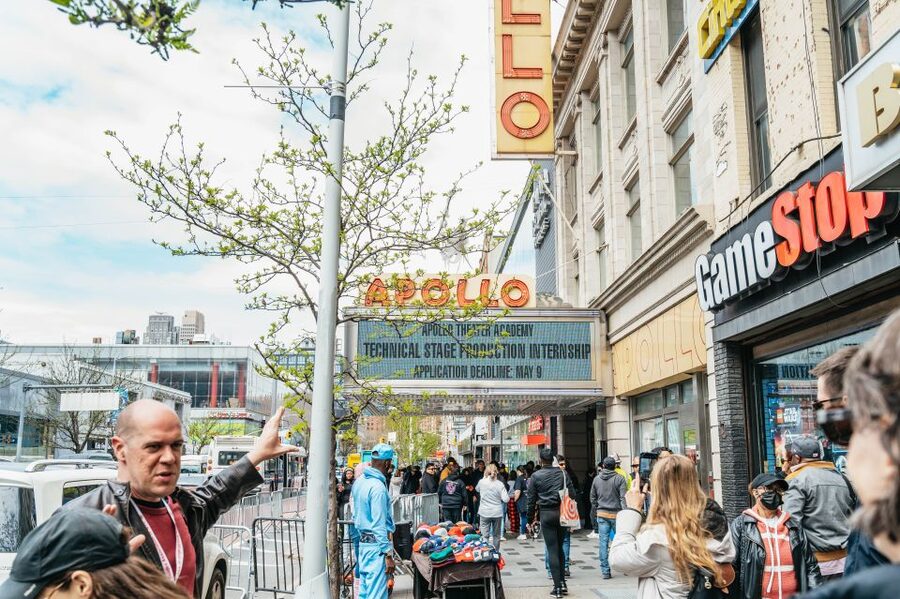
The Apollo Theater is one of those places that you might already recognize, even if you’ve never been. During the walk, the guide ties it to Harlem’s broader cultural power, explaining why the neighborhood helped shape music and performance culture for far beyond New York City.
This stop is valuable because it connects a landmark to its role in community energy. Instead of treating the Apollo like a postcard, you learn how theaters like this functioned as meeting points for artists and audiences, and why performance mattered as public life.
If you want to get the most out of this part, don’t just look up at the building. Watch the street layout around it, the way people gather, and the rhythm of pedestrian flow. The guide’s historical context gives those observations meaning.
Speaker’s Corner: Public Voice, Public Life
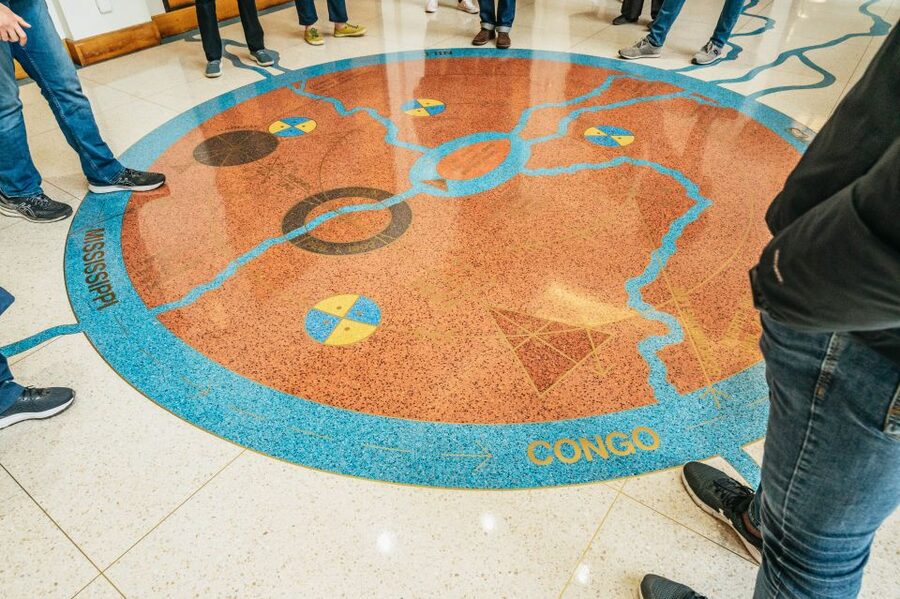
Another key stop is Speaker’s Corner, which the tour uses to spotlight the idea of public voice. Harlem has long been a place where community conversation spilled into the street, and this stop helps you understand how speaking, organizing, and culture intersect.
This isn’t a heavy-handed lecture. The guide style described in the tour experience emphasizes making the neighborhood’s story accessible, even across visitors from different countries and backgrounds. You’ll get a better sense of what it meant to have a place to talk, gather, and be heard.
Practical note: even if you don’t know the exact history before you arrive, you’ll leave with a mental map of how public space functioned in Harlem’s identity.





Hotel Theresa and the Historic District Feel
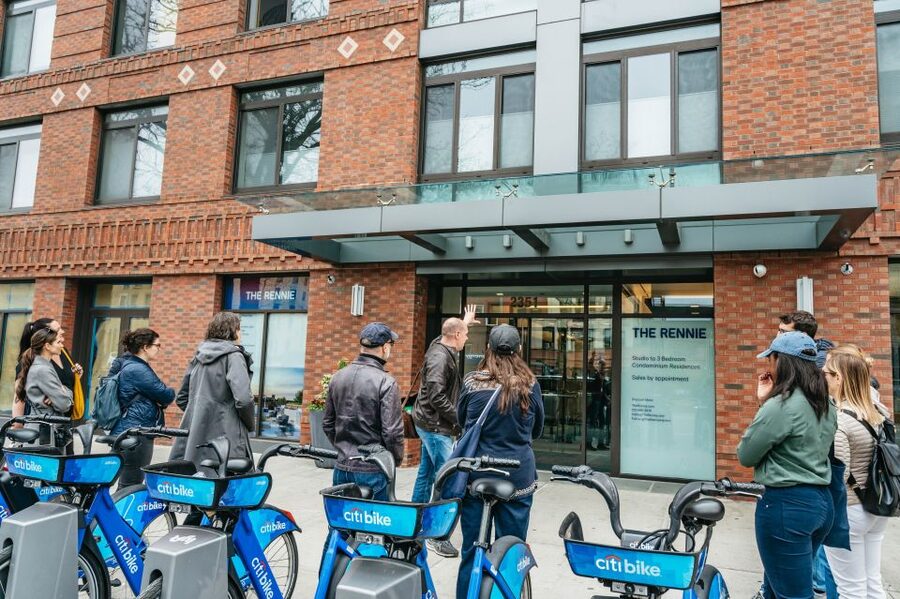
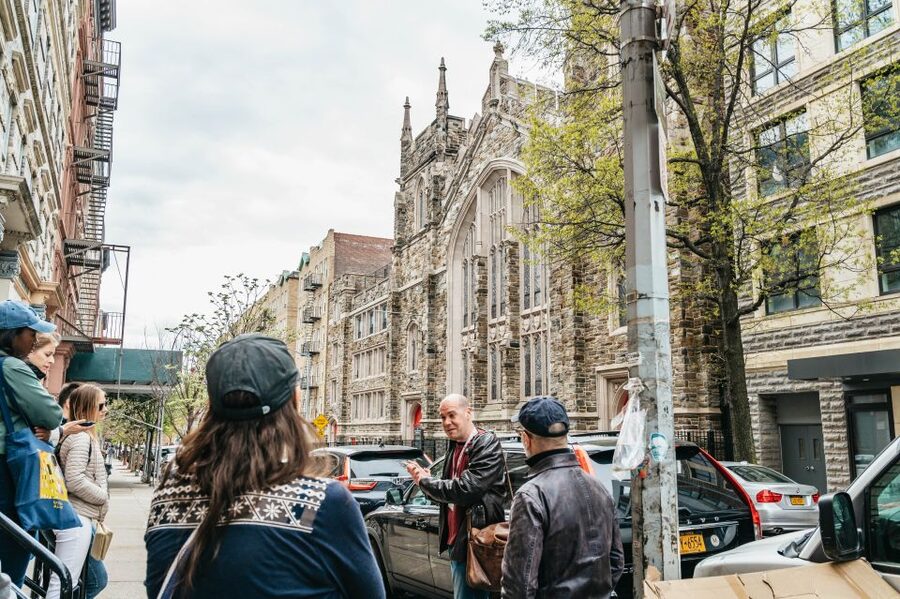
The tour also includes Hotel Theresa and additional stops around the historic district, where you’ll spot stately homes and historic churches from the street.
Important: the tour is outdoors and focuses on neighborhood history. It does not include a visit inside a church or a music venue. So when you see churches during the walk, think of it as architecture and neighborhood context, not a formal interior visit.
This is still one of the most rewarding parts. Looking at historic church structures and stately homes helps you picture who lived where, how communities organized themselves, and how the neighborhood’s built environment supported the culture. You’ll often get explanations that make the block feel like a story with plot, not just scenery.
In one of the walk descriptions, the route also includes viewpoints that help you connect Harlem landmarks to wider NYC geography. If the guide offers a clear look toward City College or other major points, take a moment. That pause can turn the route into an understanding of place, not just a walk from sign to sign.
Schomburg Center, Hamilton’s Area, and the Power of Specific Stops
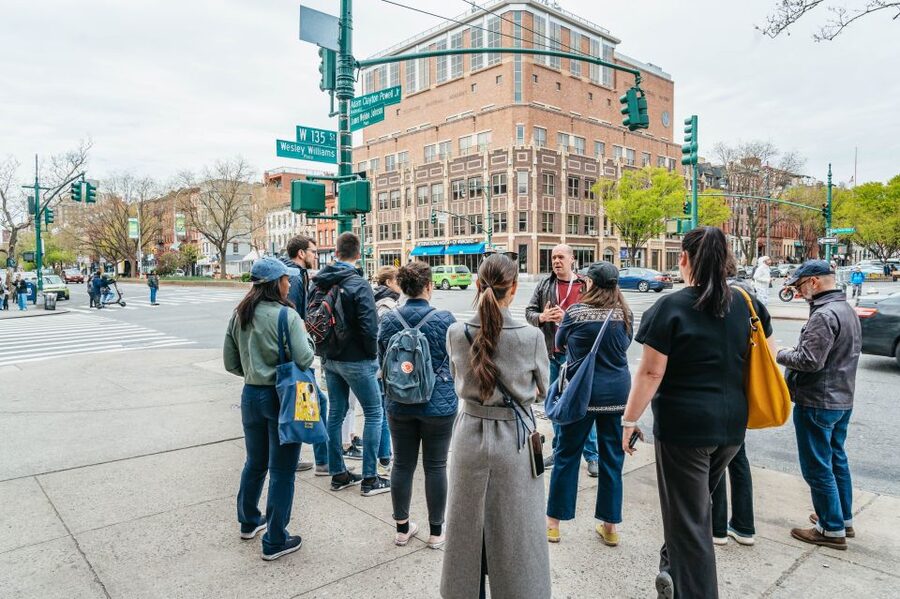
Some routes include stops that many people name as personal favorites, like the Schomburg Center area. You may also hear about a viewpoint connection between City College and the area of Hamilton’s home, depending on the flow of the group.
These are the kinds of stops that work well with this tour style. They help you connect culture and scholarship to the same streets. And because the guide keeps answering questions and steering the walk toward what you’re seeing, the history lands in your mind as concrete rather than abstract.
One especially meaningful moment that can come up during the walk is standing where Langston Hughes’s ashes are interred, described as something that matters deeply. Even if you don’t come in knowing much about Hughes, this kind of specific, place-based stop gives the story emotional weight.
If you’re the type who remembers details later, ask your guide one question while you’re there. This is where guides like George, Keith, and Jonathan tend to shine, because they can pivot from what you see to why it matters.
Architecture, Quiet Streets, and Why the Guide Matters
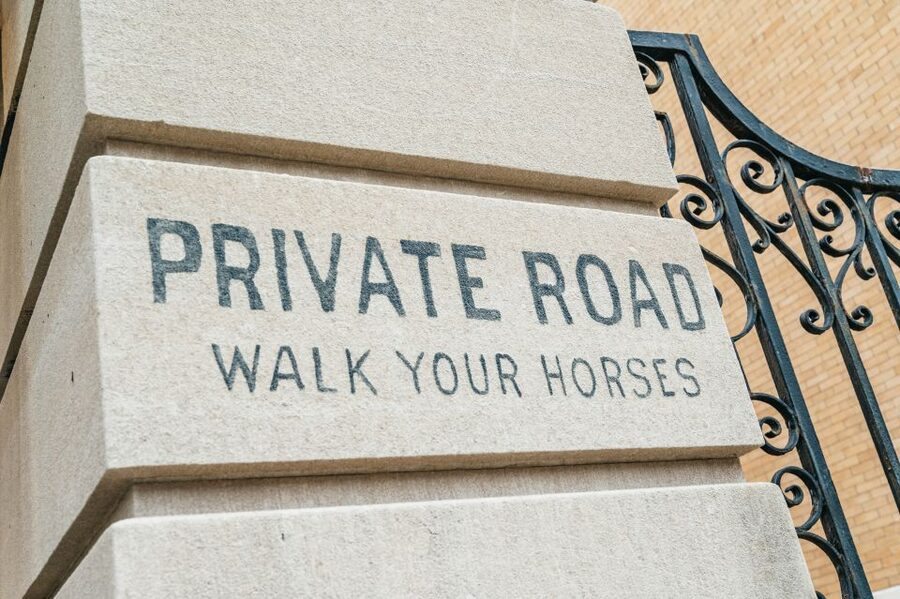
A walking tour lives and dies by the guide, because you’re moving through a place with thousands of visual details. This tour stands out in the feedback because guides are local residents and bring passion, plus an ability to explain Harlem in a way that doesn’t flatten it.
You’ll hear stories that connect things like music to community identity, and you might even get the kind of line that helps you remember the big idea for the whole walk, such as the way music can be a first glimpse at political agency. The best part is that the guide doesn’t just recite facts. They invite questions and keep the walk from turning silent for long stretches.
Not every guide will match every visitor’s style. One pacing complaint in the experience description was that there can be long quiet stretches. So if you’re the type who loves constant commentary, arrive ready to ask questions early, and don’t be shy about it. A good guide will adjust.
Price and value: Is $30 for 2 hours worth it?
At $30 per person for a 2-hour walking tour, you’re paying for more than movement. You’re paying for a licensed guide who is also a Harlem resident, plus a route designed around neighborhood history rather than a checklist of random sites.
Let’s do the quick math: $30 for 2 hours is about $15 per hour. In NYC tour terms, that’s often a solid deal, especially because the guide helps you understand what you’re looking at. A self-guided walk can cost you nothing, but you’ll likely miss the context that turns buildings into meaning.
Also, the tour is structured to help you know what to look for later. After you walk with a guide, you can return to 125th Street and read the neighborhood differently.
You should also compare your alternatives. If you’re spending your time mainly on museums, you may not need this walk. But if you want one practical way to get a feel for Central Harlem fast, this is one of the best choices for time efficiency.
Who this walking tour suits best
This is a great fit if you want:
- A history-focused walk that turns street views into context
- A guided overview of key cultural stops like Apollo Theater and Speaker’s Corner
- An easier way to understand Central Harlem’s past and how it’s changing today
It might not be the best fit if you’re looking for:
- Indoor stops, like entering a church
- Live music or performance venues visited as part of the tour
- A low-walking, minimal-street option
And one more practical point: it can be moderately difficult for visitors with physical limitations. The tour is short, but it is still a real walk. If mobility is a concern, consider asking how the group pace is handled before you book.
Should you book this Central Harlem tour?
I think you should book if you’re prioritizing clarity and street-level understanding over museum time. For $30 and 2 hours, you get a guided narrative that connects the Harlem Renaissance era to today’s 125th Street and major landmarks like the Apollo Theater and Speaker’s Corner. The biggest strength is the guide approach, especially the passion and ability to explain Harlem culture in a way that feels approachable.
You might skip it if you mainly want indoor experiences, music, or churches as destinations. This one is built for the sidewalk, the architecture, and the story behind what you can see.
If your schedule allows, I’d also pick the day that matches your route plan for the rest of your NYC trip. Starting location is different on Tuesday versus Saturday, and getting the meeting point right makes the whole 2 hours smoother.
FAQ
How long is the Central Harlem tour?
The tour lasts 2 hours.
How much does it cost?
The price is $30 per person.
Where do we meet on Tuesday?
On Tuesday, the meeting point is 116th and Lenox Avenue (Malcolm X Blvd) in front of CVS.
Where do we meet on Saturday?
On Saturday, the meeting point is 145th and St Nicholas Avenue, in front of 700 St Nicholas Ave.
What sites will the tour include?
You’ll walk around 125th Street and see places tied to Harlem’s legacy such as the Apollo Theater, Speaker’s Corner, Hotel Theresa, plus stately homes, historic churches, and architecture in the historic district.
Is this tour a walking tour?
Yes, it is a walking tour, and the information recommends wearing appropriate clothing and footwear.
Does the tour include visiting churches or music venues?
No. This tour focuses on neighborhood history and does not include a visit to church or music.
Is the tour difficult to do with mobility limits?
The tour may be moderately difficult for the physically challenged.
Can I cancel for a full refund?
Yes. You can cancel up to 24 hours in advance for a full refund.
More Tour Reviews in New York City
Not for you? Here's more nearby things to do in New York City we have reviewed












More Harlem Tours to consider.
 ★ 4.5NYC Highlights Tour: Bronx, Brooklyn, Harlem, Queens & ConeyTickets from $462,846 traveller reviews
 ★ 4.5Contrasts Tour of Harlem, The Bronx, Queens & BrooklynTickets from $392,167 traveller reviews
 ★ 4.7Harlem Hallelujah! Gospel Wednesday ConcertTickets from $251,638 traveller reviews
 ★ 4.7Harlem Gospel Live Music ConcertTickets from $281,479 traveller reviews
 ★ 4.0Harlem Sunday Morning Gospel TourTickets from $85995 traveller reviews
 ★ 4.04-hour Harlem Gospel Tour in New York CityTickets from $79935 traveller reviews
 ★ 3.9Harlem: Central Harlem Sunday Gospel with LocalsTickets from $25499 traveller reviews
 ★ 4.3Sunday Harlem Gospel Guided TourTickets from $89438 traveller reviews
More useful New York routes