
Review · CHINATOWN & LITTLE ITALY TOURS
NYC: SoHo, Little Italy, and Chinatown Guided Tour
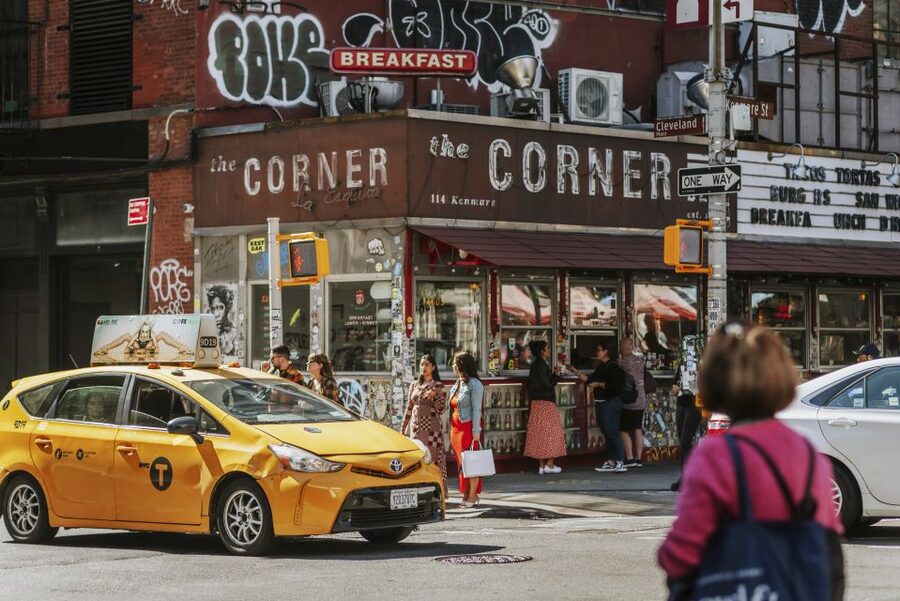
SoHo, Little Italy, and Chinatown in 2 hours. That mix of neighborhood history and real food stops makes this walk feel like a mini tour of New York’s identity. You start by City Hall and end near Prince Street, with famous landmarks plus the kinds of street details you would normally miss.
I especially like how the tour uses storytelling to connect architecture and immigration to what you see today, not just random facts. The guides often bring Lower Manhattan to life with sharp, personal touches, and some (like Fred, Gary Weidy, Percy, and Liz) add fun formats such as quick pop quizzes along the way.
One thing to plan for: the headline tastings are built into the route, but food and drinks are not included in the $30 price. You’ll still pay on site, so bring a bit of extra cash or card and wear shoes that can handle a steady walk.
Key things that make this tour work
- City Hall to Prince Street in just about two hours, so you can fit it between other plans
- Dumplings in Chinatown plus cannoli at Ferrara Bakery & Cafe, with a choose-what-you-like pace
- Big-photo landmark moments like the Brooklyn Bridge and classic Lower Manhattan streetscapes
- Guides with strong personalities, including Fred, Gary Weidy, Garry, Percy, and Liz, who keep the group engaged
- Stories that mix Italian Mafia lore with the everyday history of immigrants and neighbors
- A walk designed for stops and photos, not nonstop sprinting
City Hall Park and Warren Street: where the tour finds its rhythm
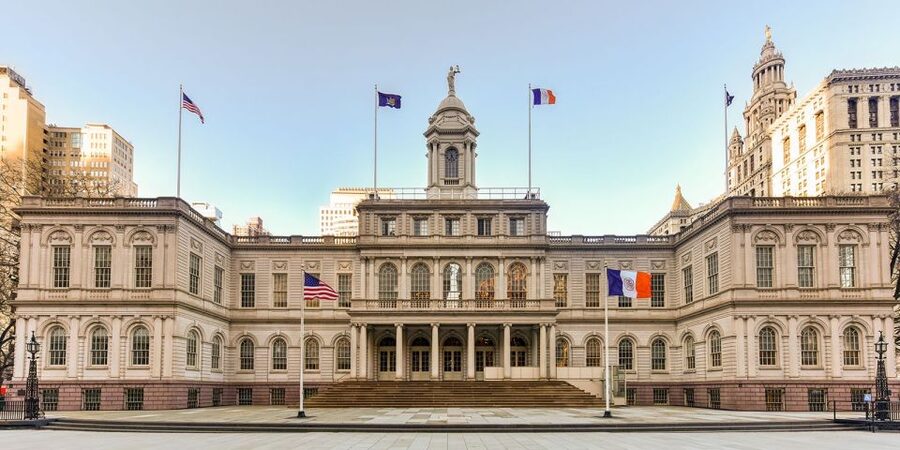
The meeting point is simple: Warren Street and Broadway, right in front of the City Hall Subway Station. From the first minutes, you get a sense of what kind of tour this is. It’s not one of those “walk, glance, move on” deals. The guide sets a pace where you can look up, stop for photos, and actually listen.
Starting at City Hall Park matters because it anchors the story in the civic heart of Lower Manhattan. You’re close to landmark scale buildings, but the walk quickly becomes human scale again, with tight streets, changing storefronts, and neighborhoods that feel different block to block.
I like that the tour is built around perspective. You see the skyline and big-ticket sites, then the guide brings you down to street level, where the real character lives.
You can also read our reviews of more guided tours in New York City



Woolworth Building, St. Paul’s Chapel, and City Hall Park: old New York details you can spot fast
Early on, you hit a cluster of landmarks that make a lot more sense once someone gives you the context. You visit City Hall Park, then the Woolworth Building area, then circle back near City Hall Park before heading toward St. Paul’s Chapel.
Here’s what you should watch for at each stop:
- City Hall Park: look for the way the space frames the streets around it. The guide’s stories help you understand why this area became a magnet for crowds, businesses, and institutions.
- Woolworth Building: even if you’ve walked past it before, seeing it through a historical lens makes the building feel like part of a bigger Lower Manhattan timeline, not just a photo backdrop.
- St. Paul’s Chapel: this is the kind of place that rewards slowing down. The guide’s narration helps you connect the chapel’s presence to the neighborhood’s longer arc, including the layers of people who built and rebuilt the area over time.
If you’re the kind of person who usually skips “boring” architecture explanations, this is still worth it. The best part is that the guide ties it to migration and community life, so the buildings stop being just scenery.
Brooklyn Bridge sightseeing: the skyline moment that justifies the walking
Then comes the main skyline payoff: the Brooklyn Bridge. You’ll get time for sightseeing views as the tour heads that way.
This is where you benefit from having a guide. Without context, the bridge is mostly a great photo spot. With context, it becomes a lesson in how Manhattan connected to Brooklyn and why that mattered for the flow of people and commerce.
Practical tip: wear shoes you can stand in. The tour is only about two hours total, but there’s enough walking that you’ll feel it if your footwear is soft or worn out. I’d rather you be comfortable at the bridge than rushing through the best view.
Also, bring your phone camera, but don’t hide behind it. Look up for the span and the skyline line, then take the photo. You’ll enjoy it more, and you’ll remember it longer.
Chinatown on foot: dumplings, street history, and the stories people actually repeat
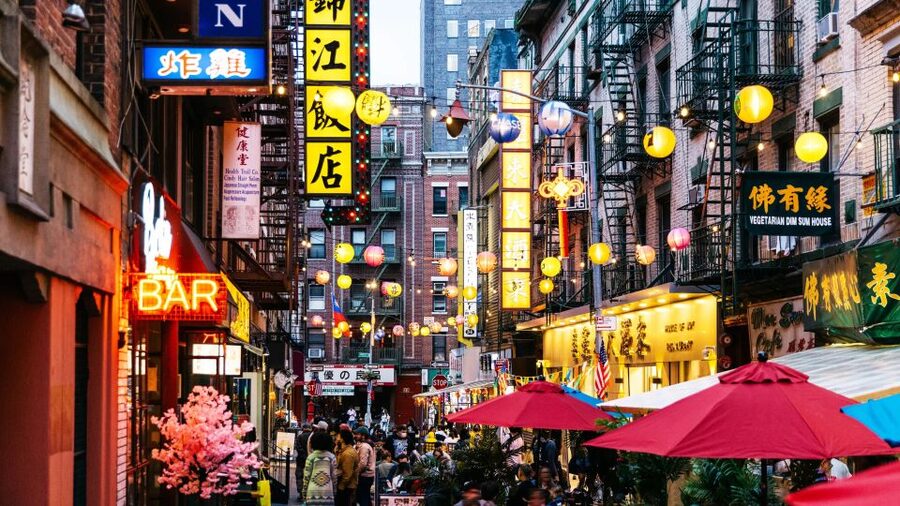
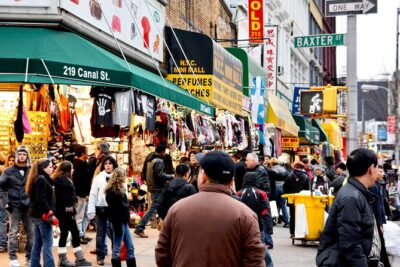
After the bridge, the route drops into Chinatown, and that’s where the atmosphere changes quickly. You move along streets like Mosco Street, Mulberry Street, and Bayard Street, all while the guide weaves together local legend with neighborhood history.
The big reason I like this segment is that it doesn’t treat Chinatown as a single stop. It treats it as a set of layers, where the food and the streets tell part of the story.
The dumpling tasting stop on Mosco Street
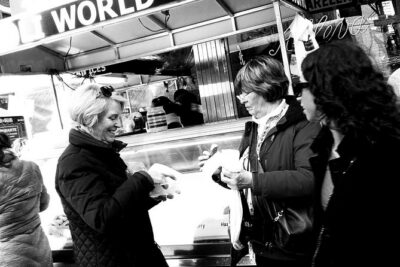
There’s a food tasting stop on Mosco Street, and this is the moment the tour turns from sightseeing to satisfaction. The dumpling stop is a highlight, and you’ll often see guides lead you toward fried dumplings in the Chinatown mood (some guides also include small additional sweets like ice cream as part of the snack pacing).
Important: food and drinks are not included in the $30 price. But the upside is you’re not locked into one thing. One key detail from how these tours tend to run is that the food is not prepaid, so you can decide what you want to try and what you want to skip.
If you’re picky about portions, this is a good thing. Try one dumpling item, not a full meal. You’ll keep energy for Little Italy and SoHo.




Expect Italian Mafia and local legends, told in context
Chinatown is also where you get the tour’s legend portion. The highlights call out Italian Mafia and other local legends, and that theme shows up in how the guide connects the immigrant waves and the underworld stories to the way different communities lived side by side.
I’m not saying you’ll get a textbook. You’ll get story energy, plus enough grounding to understand why those stories stuck in New York.
Little Italy and Ferrara Bakery: cannoli that’s worth planning around
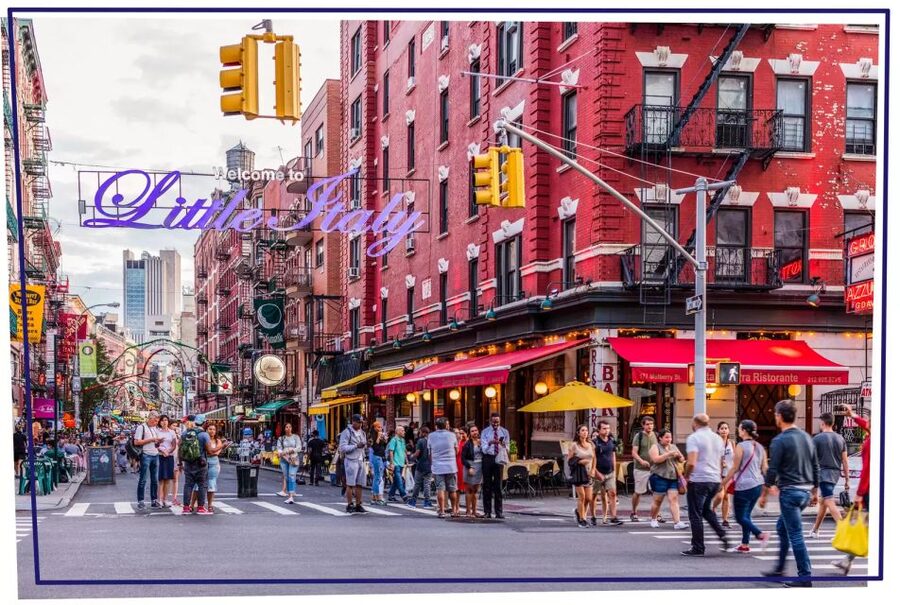
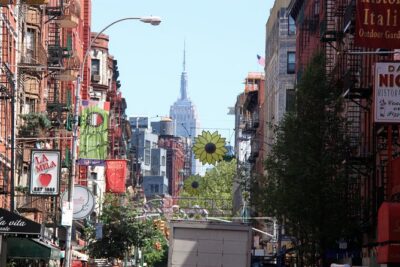
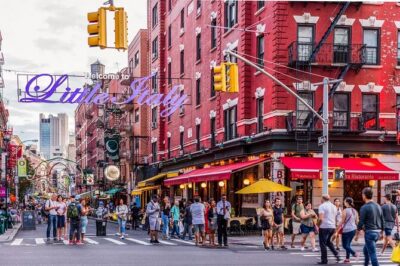
Next up is Little Italy, with sightseeing on streets like Mulberry and Grand Street, then the neighborhood walk through Little Italy proper.
This segment is ideal if you like the feeling of neighborhoods that still show their identity in daily life. The streets are narrower, the storefronts feel more personal, and the guide’s narration makes the history feel immediate rather than distant.
Ferrara Bakery & Cafe for cannoli
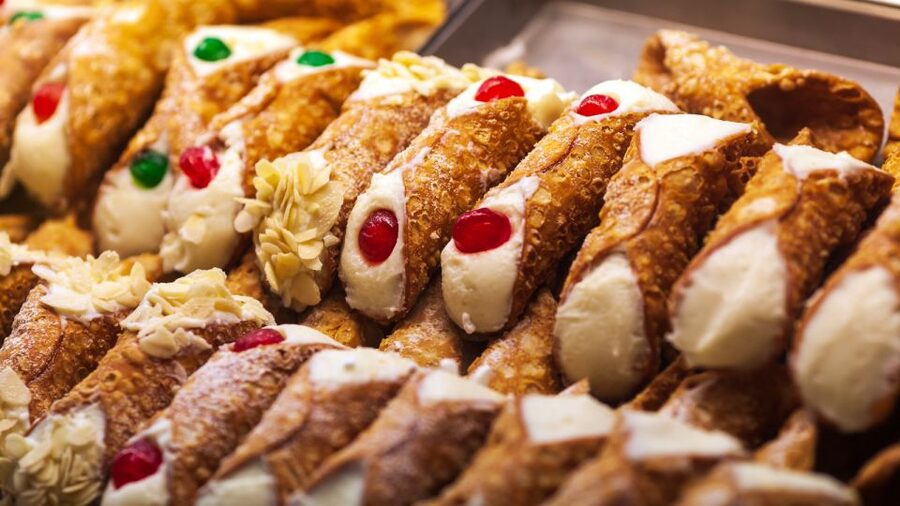
The food highlight here is Ferrara Bakery & Cafe, where you get a cannoli tasting. Cannoli is a classic for a reason, but the real value of the stop is how the guide frames it as cultural continuity. You’re not just eating a dessert. You’re tasting a tradition that traveled with immigrants and survived through generations.
One practical way to make this stop better: pace yourself after Chinatown. Dumplings first, cannoli after. If you go heavy on dumplings, you might want to split the cannoli or choose a smaller bite. The tour is short, and you’re walking the whole time, so plan for comfort.
What you should look for while walking Little Italy
Don’t just aim for the bakery. Look for the details the guide points out as you move along the streets. The point is to see how the neighborhood reads at street level, the signs, the architecture, and the ways small places create big memories.
It helps that guides like Garry and Fred have a reputation for photo-friendly stops, plus stories that connect the past to what you see today.
SoHo after Little Italy: cast-iron energy and photo stops on Greene and Prince
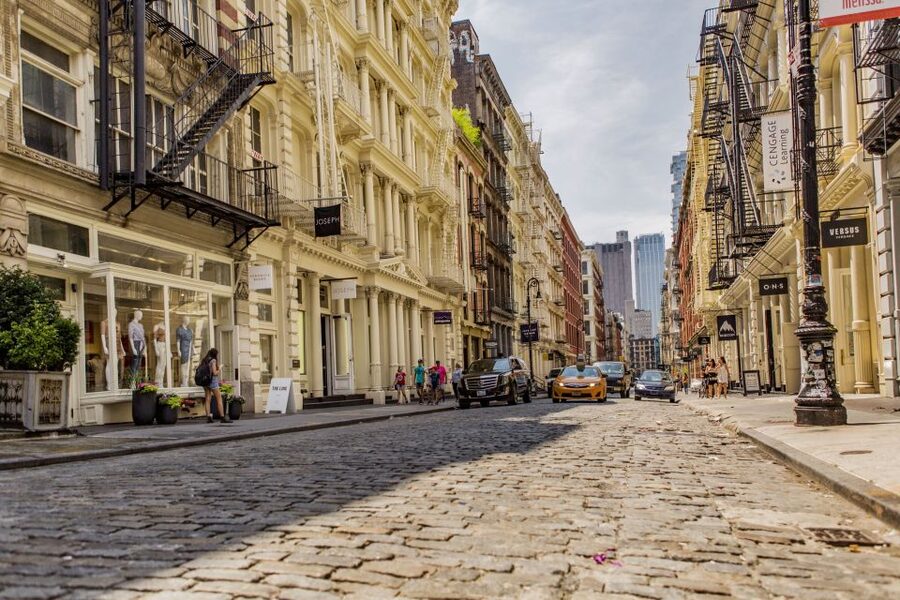
After Little Italy, the tour shifts into SoHo, where the vibe changes again. You’ll be back on streets like Grand Street and then into SoHo with stops around spots such as Haughwout Building, Greene Street, and Prince Street, then you finish on Prince St.
SoHo is known for design and shopping, but this tour keeps it grounded by explaining the neighborhood’s shift over time, from industrial roots to the creative hub it’s known for today. That context helps you recognize why the streets look the way they do, not just that they look good for pictures.
Haughwout Building and the SoHo read
The Haughwout Building stop is a key moment if you like architecture. Even if you don’t geek out on buildings, it’s a good place to slow down and look closely, because the guide’s storytelling helps you see what makes the building feel special in the first place.
Greene Street and Prince Street
By the time you reach Greene Street and Prince Street, the tour’s tempo feels like a wrap-up. You’re seeing final photo opportunities, getting last bits of context, and winding down toward the finish.
Ending near Prince Street is practical. You’re in the middle of a neighborhood with lots of onward options, so it’s easy to keep exploring after the tour ends.
Who this tour fits best, and who may want to adjust expectations
This is a smart choice if you want:
- a two-hour walking plan that covers three major areas
- guided stories that connect food, immigration, and architecture
- a tour that’s flexible enough to keep things fun, not rigid
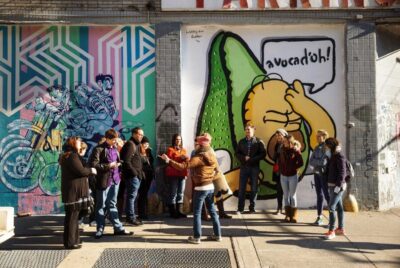
It also suits people who like small-group energy. Several guide styles described in the recent run suggest a relaxed, conversational approach. If you’re lucky enough to have a smaller group, the guide can tailor pacing and answer questions more directly.
Who should consider another option? If you hate walking, or if you expect food to be fully included in the price, this one may feel less matching. The route is short, but it is still a walk. And food and drinks are not included, even though dumplings and cannoli are part of the experience.
Price and value: what $30 gets you, and what you’ll pay separately
At $30 per person for a two-hour guided walk, you’re paying for a local guide, route design, and a guided sequence that hits major sights efficiently. The included items focus on the human part of the experience: expert guide, walking tour, and plenty of photo opportunities.
Where value can differ for people is food. The tastings are part of the itinerary, but food and drinks are not included. That said, the good news is that you can choose what you actually eat during the tasting stops, rather than being forced into something you don’t like.
In plain terms: $30 buys the stories and the route. You bring a little extra for dumplings and cannoli.
Also, the tour lists a separate entrance for skipping a line at a stop. If you get that advantage, it saves time and keeps you from losing the middle of your visit to waiting.
Practical stuff that will make your tour smoother
A few things to make the day easier:
- Wear comfortable shoes. You’re covering City Hall, bridge sightseeing, and multiple neighborhood blocks.
- Dress for the weather. This is still an outdoor walking tour.
- Keep your schedule flexible. If you want to come back for seconds on dumplings or revisit Ferrara, you’ll be positioned well at the end.
If you’re traveling with someone who wants facts, good. If you’re traveling with someone who wants “stories more than trivia,” also good. Guides on this route tend to balance both, including light interactive moments like pop quizzes mentioned by past groups.
Should you book this NYC SoHo, Little Italy, and Chinatown guided tour?
Yes, if you want a guided way to connect Lower Manhattan’s three most recognizable neighborhoods without spending half a day plotting routes. The dumpling and cannoli stops are a real payoff, and the guide storytelling adds context that makes the streets feel like a living timeline.
Book it especially if:
- you like food stops, but you also want the background
- you want skyline views at the Brooklyn Bridge without buying extra tickets
- you’d rather spend two hours with a guide than trying to stitch together three neighborhoods on your own
Skip it or adjust expectations if:
- you’re expecting food to be included in the $30
- you have very limited walking tolerance
If you want a quick, satisfying overview of SoHo, Little Italy, and Chinatown with the kind of stories you can repeat later, this is a solid bet.
FAQ
Where do I meet the guide?
Meet your guide at the intersection of Warren Street and Broadway, in front of City Hall Subway Station.
How long is the tour?
The duration is 2 hours.
What is the price?
The price is $30 per person.
Are food and drinks included?
No. Food and drinks are not included, even though the tour includes food tasting stops such as dumplings in Chinatown and cannoli at Ferrara Bakery & Cafe.
Does the tour include a skip-the-line entrance?
Yes, it notes skip the line through a separate entrance.
Is the tour wheelchair accessible?
Yes, the tour is listed as wheelchair accessible.
Should you book this tour?
If you want an organized, guided two-hour route that links street-level sights with dumplings and cannoli, I’d book it. Just set aside extra budget for tastings and wear comfortable walking shoes, and you’ll get a great payoff for a tight schedule.
More Guided Tours in New York City



More Tours in New York City



More Tour Reviews in New York City



Not for you? Here's more nearby things to do in New York City we have reviewed












More Chinatown & Little Italy Tours to consider.
 ★ 5.0SoHo, Little Italy, and Chinatown Walking Tour in New YorkTickets from $393,153 traveller reviews
 ★ 5.0Chinatown & Little Italy Food Tour with 7 Flavorful TastingsTickets from $992,733 traveller reviews
 ★ 5.0Original NYC Guided Food Tour of Chinatown and Little ItalyTickets from $1302,194 traveller reviews
NYC Food Tour: Chinatown and Little ItalyTickets from $991,090 traveller reviews
★ 5.0Original NYC Guided Food Tour of Chinatown and Little ItalyTickets from $1302,194 traveller reviews
NYC Food Tour: Chinatown and Little ItalyTickets from $991,090 traveller reviews
 ★ 4.7Chinatown and Little Italy Food TourTickets from $80703 traveller reviews
 ★ 4.6SoHo, Little Italy, and Chinatown 2-Hour Guided WalkTickets from $39566 traveller reviews
 ★ 5.0SoHo, Little Italy, and Chinatown NYC Guided Walking TourTickets from $36443 traveller reviews
 ★ 4.53 Neighborhoods Tour: Soho, Chinatown & Little ItalyTickets from $39275 traveller reviews
More useful New York routes